
Unlocking the World: A Homeschool Educator's Guide to Engaging World Geography
World geography – it's more than just memorizing capitals and mountain ranges. It's a journey of discovery, a chance to connect with diverse cultures, and a key to understanding the complex tapestry of our planet. As homeschool educators, we have the unique opportunity to bring this vibrant subject to life for our children, fostering a lifelong curiosity about the world around them. This comprehensive guide provides you with the tools, resources, and creative ideas to make world geography an engaging and enriching experience for your homeschool.
Why World Geography Matters in Homeschooling
In today's interconnected world, understanding geography is more crucial than ever. It's not just about knowing where places are; it's about understanding why they are the way they are and how they relate to each other.- Global Citizenship: Geography helps children develop a sense of global citizenship, fostering empathy and understanding for different cultures and perspectives.
- Critical Thinking Skills: Studying geography encourages critical thinking as students analyze spatial relationships, interpret maps, and evaluate information about different regions.
- Historical Context: Geography provides the essential backdrop for understanding historical events, political dynamics, and economic trends.
- Environmental Awareness: Learning about different ecosystems, climates, and natural resources promotes environmental awareness and responsible stewardship of our planet.
- A Lifelong Love of Learning: By making geography engaging and relevant, we can ignite a passion for learning that extends far beyond the classroom.
- Age Appropriateness: Tailor your curriculum to the age and developmental level of your children. Younger children may benefit from hands-on activities and picture books, while older students can engage with more complex texts and research projects.
- Learning Styles: Consider your children's individual learning styles. Some children learn best through visual aids, while others thrive on auditory learning or kinesthetic activities. Incorporate a variety of teaching methods to cater to different learning preferences.
- Interdisciplinary Connections: Integrate geography with other subjects, such as history, literature, and science. This creates a more holistic and engaging learning experience. For example, while studying ancient Egypt, explore the geography of the Nile River and its impact on civilization.
- Flexibility and Adaptability: Homeschooling allows for flexibility, so don't be afraid to adjust your curriculum based on your children's interests and needs. If they are particularly fascinated by a certain country or region, delve deeper into that topic.
- Budget-Friendly Options: You don't need to spend a fortune on world geography resources. Libraries, online resources, and DIY projects can all be used to create a rich and engaging learning experience without breaking the bank.
- Political Maps: These maps show the boundaries of countries, states, and cities.
- Thematic Maps: These maps focus on specific themes, such as climate, population density, or economic activity.
- Globes: A globe provides a three-dimensional representation of the earth, helping children understand the shape and relative size of continents and oceans.
- Supplemental Textbooks: These books can be used to supplement your existing curriculum or to provide more in-depth coverage of specific topics.
- National Geographic Education: Offers a wealth of resources for geography education, including articles, videos, maps, and lesson plans.
- CIA World Factbook: Provides detailed information about every country in the world, including its geography, population, economy, and government.
- YouTube Channels: Many educational YouTube channels offer engaging videos on world geography topics.
- Historical Fiction: Novels set in different countries and time periods can provide a compelling way to learn about geography and culture.
- Biographies: Reading about people from different countries can help children develop empathy and understanding for different cultures.
- Non-Fiction Books: Explore books on specific regions, cultures, or geographical features.
- Geography Board Games: Games like "Ticket to Ride" and "Scrambled States of America" can make learning geography fun and interactive.
- Cooking from Around the World: Prepare dishes from different countries to experience their cultures firsthand.
- Craft Projects: Create crafts that represent different countries or regions, such as making a miniature Eiffel Tower or painting a Japanese fan.
- Virtual Museum Tours: Many museums offer virtual tours that allow you to explore their collections from the comfort of your home.
- Online Travel Videos: Watch travel videos on YouTube or other platforms to get a glimpse of different cultures and landscapes.
- Cultural Presentations: Encourage your children to share their research with the family through presentations, posters, or skits.
- International Food Nights: Prepare dishes from different countries and learn about their culinary traditions.
- Learn a Foreign Language: Introduce your children to a new language and culture.
- Map Drawing: Have your children draw maps of their neighborhood, city, or state.
- Geocaching: A real-world treasure hunting game that uses GPS coordinates to locate hidden containers.
- Follow International News Sources: Expose your children to different perspectives on global issues.
- Debate Global Issues: Encourage your children to debate different sides of complex global issues.
- Exchange Letters, Emails, or Video Calls: Communicate with your pen pals regularly to build relationships and learn about their perspectives.
- History: Use geography to understand the context of historical events, such as the location of battles, the movement of populations, and the impact of geography on civilizations.
- Literature: Read books set in different countries and explore the geography and culture of those places.
- Science: Study the relationship between geography and climate, ecosystems, and natural resources.
- Art: Explore the art and architecture of different cultures and learn about the geographical influences on artistic styles.
- Math: Use geography to teach map skills, such as calculating distances and measuring areas.
- Keeping it Engaging: It's easy for geography to become dry and boring if it's just about memorizing facts. Focus on making it interactive and relevant.
- Finding Reliable Resources: The internet is full of information, but not all of it is accurate. Be sure to vet your sources carefully.
- Covering a Vast Subject: World geography is a vast subject, and it can be overwhelming to try to cover everything. Focus on the key concepts and allow your children to explore their interests in more depth.
- Staying Up-to-Date: The world is constantly changing, so it's important to stay up-to-date on current events and geographical developments.
Key Takeaway: World geography equips children with essential skills and knowledge for navigating an increasingly interconnected world, fostering empathy, critical thinking, and a lifelong love of learning.
Crafting a World Geography Curriculum: Key Considerations
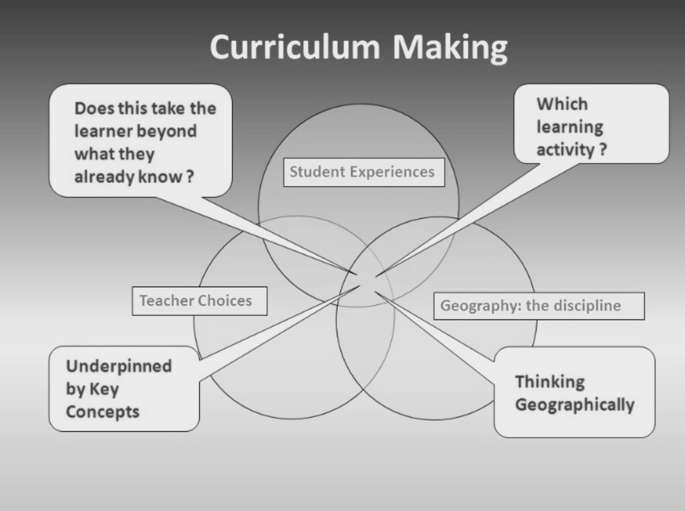
Before diving into specific resources and activities, it's important to consider the key elements of a successful world geography curriculum.Actionable Tip: Take time to assess your children's learning styles and interests before designing your world geography curriculum. This will help you create a more personalized and effective learning experience.

Essential Resources for Homeschool World Geography
A wealth of resources is available to homeschool educators teaching world geography. Here are some essential categories to consider:
1. Maps and Atlases
* Physical Maps: These maps show the physical features of the earth, such as mountains, rivers, and deserts.Recommendation: Invest in a good quality world atlas and a globe. Consider a wall-sized world map for visual reference. You can find excellent options at major bookstores, online retailers, and educational supply stores. (External Link: Recommend a reputable online retailer like Amazon or a dedicated educational supply store)
2. Geography Curricula and Textbooks
Full Curriculum Programs: These programs provide a comprehensive approach to world geography, covering a wide range of topics and incorporating various learning activities. (Internal Link: Link to a section discussing creating your own curriculum)*Recommendation: Research different curriculum options to find one that aligns with your teaching style and your children's learning needs. Look for programs that incorporate hands-on activities, maps, and engaging visuals.
3. Online Resources and Websites
* Google Earth: A powerful tool for exploring the world from your computer. You can zoom in on any location, view satellite imagery, and even take virtual tours.Recommendation: Bookmark these websites and explore them regularly for new ideas and resources. Encourage your children to use Google Earth to explore places they are learning about.
4. Literature and Non-Fiction Books
* Travelogues: First-hand accounts of travel experiences can bring different cultures and places to life.Recommendation: Visit your local library and browse the travel, history, and culture sections for books related to your geography studies.
5. Hands-On Activities and Games
* Map Puzzles: A fun way to learn the location of countries and continents.Recommendation: Incorporate hands-on activities and games into your geography lessons to make learning more engaging and memorable.
Bringing World Geography to Life: Engaging Activities and Projects
Beyond traditional textbooks and maps, there are countless ways to make world geography come alive for your homeschoolers.1. Virtual Travel Adventures
* Google Earth Expeditions: Take virtual field trips to explore different places around the world.Example: Plan a virtual trip to Rome, Italy. Use Google Earth to explore the Colosseum, the Roman Forum, and the Vatican City. Watch videos about Roman history and culture.
2. Culture Studies
* Country Research Projects: Have your children research different countries, focusing on their geography, history, culture, and economy.Example: Dedicate a month to studying Japan. Learn about Japanese geography, history, and culture. Try making sushi, learning basic Japanese phrases, and watching anime.
3. Map Skills Activities
* Treasure Hunts: Create treasure hunts using maps and compasses to teach children how to navigate and read maps.Example: Create a treasure hunt in your backyard using a hand-drawn map. Hide clues that lead to a "treasure" (a small prize or treat).
4. Current Events Discussions
* Read News Articles: Discuss current events related to different countries and regions.Example: Discuss the impact of climate change on different regions of the world. Read news articles about environmental challenges and potential solutions.
5. Connect with Pen Pals
* Find Pen Pals from Different Countries: Connect with children from other countries to learn about their lives and cultures.Example: Use online pen pal websites to find children from different countries who share your children's interests.
Integrating Geography with Other Subjects
World geography can be seamlessly integrated with other subjects to create a more holistic and engaging learning experience.Example: While studying ancient Greece, explore the geography of the Greek peninsula and its impact on the development of city-states. Read Greek myths and legends and learn about the geography of Mount Olympus.
Overcoming Challenges in Homeschool World Geography
While teaching world geography can be incredibly rewarding, it also presents some challenges.Solution: Embrace a flexible approach, focusing on depth over breadth. Encourage student-led exploration and utilize a variety of resources to keep the learning experience fresh and engaging.
Conclusion: Embarking on a Geographic Adventure
Teaching world geography in your homeschool is an opportunity to open up a world of possibilities for your children. By embracing creativity, utilizing diverse resources, and fostering a sense of curiosity, you can create a learning experience that is both educational and enriching. Remember to tailor your curriculum to your children's individual needs and interests, and don't be afraid to explore new and exciting ways to bring geography to life. So, grab your maps, pack your bags (metaphorically, of course!), and embark on a geographic adventure with your homeschoolers! The world awaits!(CTA): Sign up for our newsletter for more homeschool resources and tips on teaching world geography! (Link to newsletter signup)


0 Comments