
Unlock Emotional Wellness with Feelings Coloring Pages, Homeschool SEL, and Calm Learning Activities
Are you looking for creative ways to nurture emotional awareness and mindfulness in your kids? As parents and educators, we understand the importance of fostering emotional intelligence alongside academic learning. In today's fast-paced world, providing children with tools to understand and manage their feelings is more crucial than ever. This article will explore how feelings coloring pages and printables, a homeschool SEL (Social and Emotional Learning) curriculum, mindfulness activities, and calm learning strategies can help children navigate their emotions and create a more peaceful learning environment. Let's dive into the colorful world of emotional well-being!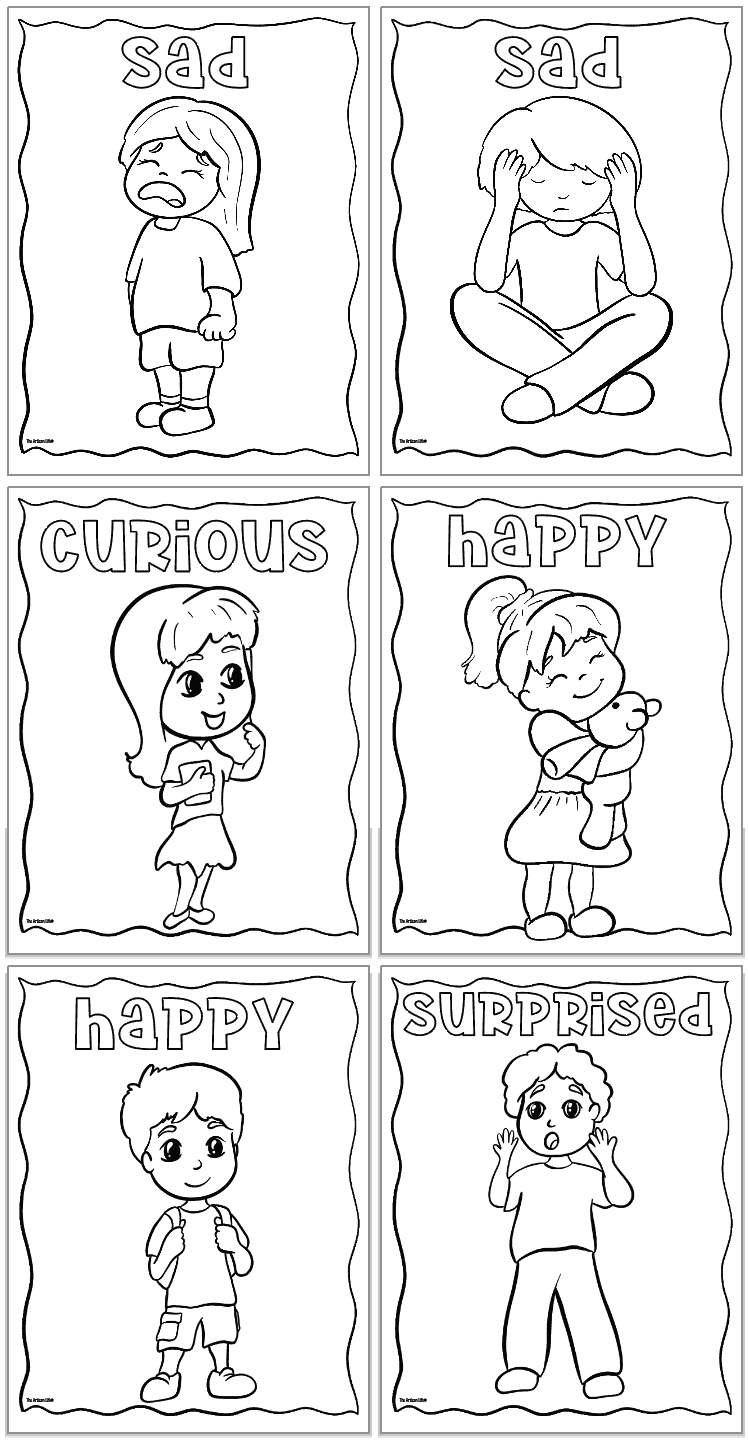
The Power of Feelings Coloring Pages and Printables
Coloring isn't just a fun pastime; it's a powerful tool for emotional expression and regulation. Feelings coloring pages and printables offer a unique way for children to explore their emotions in a safe and creative space.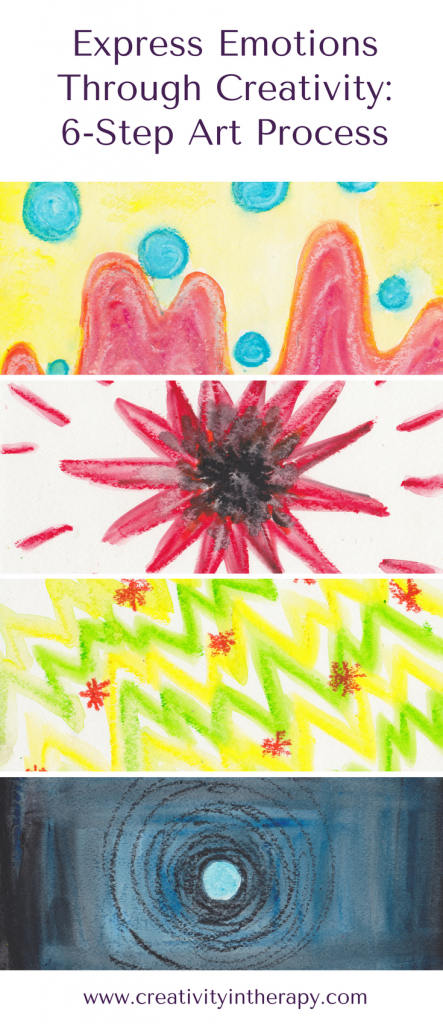
Expressing Emotions Through Art
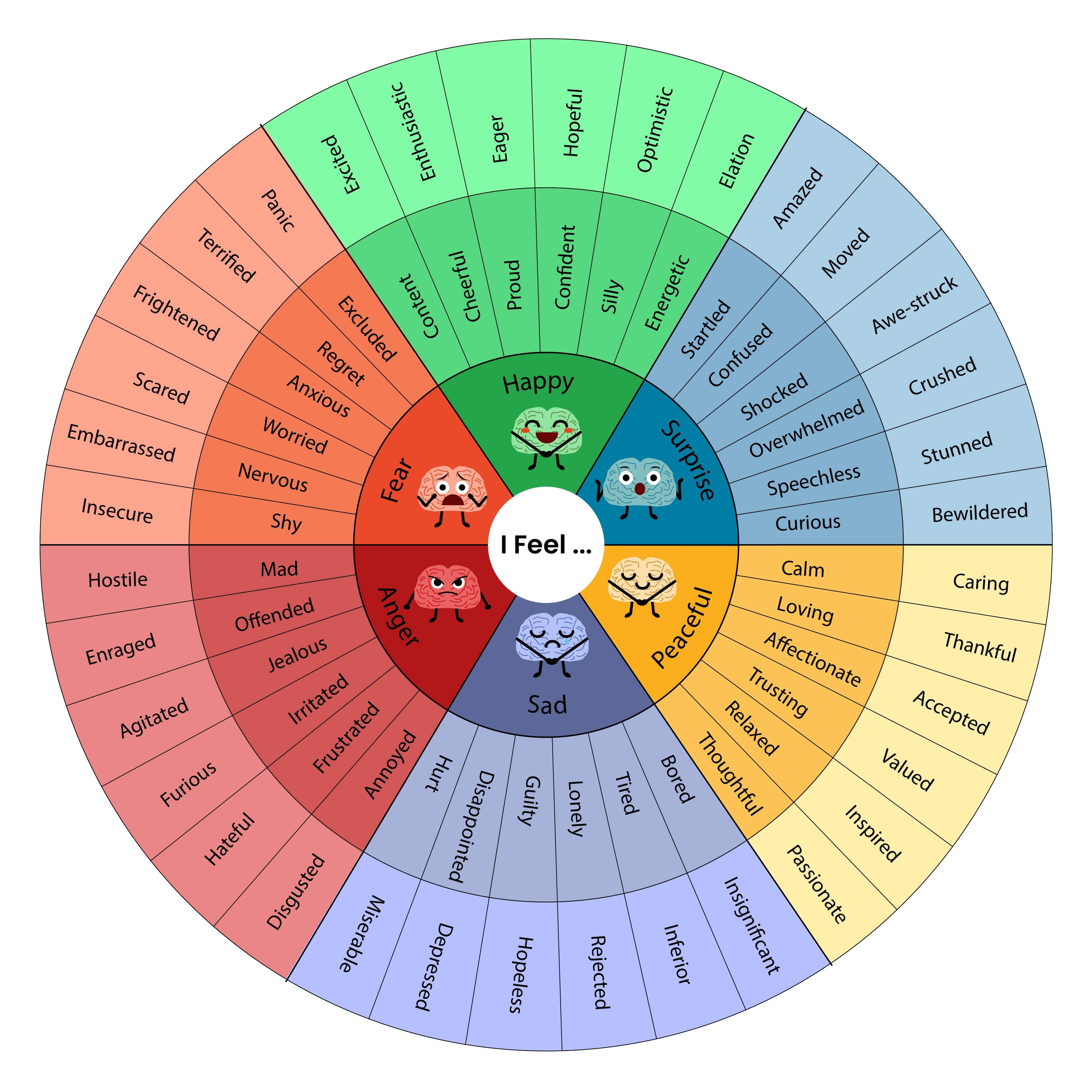
Feelings coloring pages provide a visual prompt that encourages children to think about and express their emotions. These pages often feature faces depicting various emotions like happiness, sadness, anger, and fear.- Visual Representation: Coloring these faces helps children connect with the emotion visually.
- Creative Outlet: It allows them to express how they feel without the pressure of verbalizing it.
- Emotional Vocabulary: These activities can introduce and reinforce emotional vocabulary, helping children identify and name their feelings.
- Stress Reduction: Coloring can lower cortisol levels, reducing stress and promoting relaxation.
- Mindfulness: It encourages children to focus on the present moment, fostering mindfulness.
- Emotional Release: It provides a healthy outlet for processing difficult emotions.
- Educational Websites: Many educational websites offer free printables specifically designed for emotional learning.
- Pinterest: Pinterest is a treasure trove of coloring pages, with numerous options for feelings-based themes.
- SEL Resources: Websites dedicated to Social and Emotional Learning often provide free resources, including coloring pages.
- Improved Academic Performance: Children who understand their emotions are better able to focus and learn.
- Stronger Relationships: SEL skills help children build and maintain healthy relationships.
- Increased Resilience: Emotional intelligence equips children with the tools to cope with challenges and setbacks.
- Self-Awareness: Understanding one's own emotions, strengths, and weaknesses.
- Self-Management: Managing emotions, stress, and impulses effectively.
- Social Awareness: Understanding the perspectives and emotions of others.
- Relationship Skills: Building and maintaining healthy relationships.
- Responsible Decision-Making: Making ethical and constructive choices.
- Emotion Charades: Act out different emotions and have your child guess what they are.
- Gratitude Journaling: Encourage your child to write down things they are grateful for each day.
- Role-Playing: Practice social situations, such as resolving conflicts or expressing feelings.
- Mindfulness Exercises: Guide your child through simple mindfulness exercises, such as deep breathing or body scans.
- Belly Breathing: Have your child lie down and place their hands on their belly. Encourage them to breathe deeply, noticing how their belly rises and falls.
- Mindful Eating: Choose a snack, such as a raisin or a piece of chocolate. Encourage your child to eat it slowly, paying attention to the taste, texture, and smell.
- Body Scan: Guide your child through a body scan, asking them to notice sensations in different parts of their body.
- Listening Meditation: Play calming music or nature sounds and encourage your child to listen attentively, noticing the different sounds and sensations.
- Improved Focus: Mindfulness helps children train their attention, improving focus and concentration.
- Reduced Stress and Anxiety: Mindfulness techniques can lower stress hormones and promote relaxation.
- Enhanced Emotional Regulation: Mindfulness helps children become more aware of their emotions and manage them effectively.
- Increased Empathy: Mindfulness can help children develop empathy by encouraging them to pay attention to the feelings of others.
- Books: "Sitting Still Like a Frog" by Eline Snel and "A Handful of Quiet" by Thich Nhat Hanh.
- Apps: Headspace for Kids and Calm.
- Websites: Mindful.org and GoNoodle.
- Incorporate Nature: Bring elements of nature into the learning space, such as plants, natural light, and nature sounds.
- Use Calming Colors: Choose calming colors for the walls and décor, such as blues, greens, and neutrals.
- Provide Comfortable Seating: Offer a variety of seating options, such as beanbag chairs, cushions, and comfortable desk chairs.
- Establish Routines: Create consistent routines to provide structure and predictability.
- Yoga: Practice gentle yoga poses to promote relaxation and flexibility.
- Creative Writing: Encourage journaling or creative writing to express thoughts and feelings.
- Reading: Spend time reading aloud or independently, choosing calming and uplifting books.
- Puzzles and Games: Engage in activities that promote problem-solving and critical thinking in a relaxed environment.
- Playdough: Playing with playdough can be a calming and tactile experience.
- Water Play: Water play can be soothing and engaging.
- Sand Play: Similar to water play, sand play offers a tactile and calming experience.
- Essential Oils: Use calming essential oils, such as lavender or chamomile, in a diffuser.
- Empathy: Show empathy and validate their emotions, even if you don't agree with them.
- Open-Ended Questions: Ask open-ended questions to encourage them to elaborate on their feelings.
- Modeling: Model healthy emotional expression by sharing your own feelings in a constructive way.
- Avoid Judgment: Avoid judging or criticizing their feelings.
- Offer Support: Offer support and guidance in processing their emotions.
- Create Rituals: Establish rituals, such as a nightly check-in, to create a safe space for emotional expression.
- Develop Coping Strategies: Work together to develop coping strategies for managing these emotions.
- Seek Professional Help: If necessary, seek professional help from a therapist or counselor.
For example, a coloring page with a sad face can prompt a conversation about what makes them feel sad, or how they can cope with those feelings. This simple activity opens the door to deeper emotional understanding.
Benefits of Coloring for Emotional Regulation
Coloring is a calming activity that can help children regulate their emotions. The repetitive motion of coloring can be meditative, reducing stress and anxiety.Key Takeaway: Coloring is a simple yet effective tool for emotional expression and regulation, providing children with a safe and creative way to explore their feelings.

Finding the Right Feelings Coloring Pages
Numerous resources offer free and printable feelings coloring pages. Here are a few places to start:Actionable Tip: Search for "feelings coloring pages printable" to find a variety of options that suit your child's age and interests.

Integrating a Homeschool SEL Curriculum
A homeschool SEL curriculum provides a structured approach to teaching emotional intelligence. It encompasses various skills, including self-awareness, self-management, social awareness, relationship skills, and responsible decision-making.Why SEL is Essential for Homeschooling
Homeschooling offers a unique opportunity to tailor education to a child's specific needs, including their emotional development. Integrating SEL into your homeschool curriculum can lead to:Case Study: A homeschool family incorporated a daily SEL activity into their routine. Over time, they noticed their child became more confident, empathetic, and better able to manage frustration during challenging academic tasks.
Key Components of a Homeschool SEL Curriculum
A comprehensive homeschool SEL curriculum should include activities and lessons that address the five core competencies of SEL:Actionable Tip: Dedicate specific time each week to SEL activities, just as you would for any other subject. Consistency is key to fostering emotional growth.
Sample SEL Activities for Homeschooling
Here are a few sample SEL activities that you can incorporate into your homeschool curriculum:Internal Link Suggestion: For more ideas on fostering positive behavior, check out our article on "Positive Discipline Techniques."
Mindfulness for Kids: Cultivating Calm and Focus
Mindfulness is the practice of paying attention to the present moment without judgment. It's a powerful tool for reducing stress, improving focus, and enhancing emotional regulation in children.Simple Mindfulness Exercises for Kids
Introducing mindfulness to children doesn't have to be complicated. Here are a few simple exercises that you can try:Quote: "Mindfulness helps you go home to the present. And every time you go there and recognize a condition of happiness that you have, happiness comes." - Thich Nhat Hanh
Benefits of Mindfulness in the Classroom (or Homeschool)
Integrating mindfulness into your homeschool routine can have numerous benefits:Actionable Tip: Start with just a few minutes of mindfulness each day and gradually increase the duration as your child becomes more comfortable.
Resources for Teaching Mindfulness to Kids
Numerous books, apps, and websites offer resources for teaching mindfulness to children. Here are a few recommendations:External Link Suggestion: Explore the benefits of mindfulness for children on Mindful.org.
Calm Learning Activities: Creating a Peaceful Environment
Creating a calm learning environment is essential for fostering emotional well-being and academic success. Calm learning activities can help reduce stress, improve focus, and create a more positive learning experience.Strategies for Creating a Calm Learning Space
* Minimize Distractions: Create a dedicated learning space free from distractions, such as toys, electronics, and clutter.Key Takeaway: A calm learning environment reduces stress and improves focus, creating a more positive and productive learning experience for children.
Examples of Calm Learning Activities
* Nature Walks: Spend time outdoors, observing nature and engaging the senses.Actionable Tip: Incorporate regular breaks into your learning routine to prevent burnout and maintain focus.
The Role of Sensory Activities
Sensory activities can be particularly effective in creating a calm learning environment. These activities engage the senses and can help children regulate their emotions.Internal Link Suggestion: Discover more sensory play ideas in our article on "Sensory Activities for Kids."
Integrating Emotional Awareness into Daily Life
Beyond structured activities, integrating emotional awareness into daily life is crucial. This involves creating a culture of openness and acceptance where children feel comfortable expressing their feelings.Encouraging Open Communication
* Active Listening: Practice active listening when your child is talking about their feelings.Quote: "Feelings are much like waves, we can't stop them from coming but we can learn which ones to surf." - Jon Kabat-Zinn
Creating a Safe Space for Emotions
* Validate Feelings: Let your child know that all feelings are valid, even the uncomfortable ones.Actionable Tip: Make emotional check-ins a regular part of your routine to foster emotional awareness and connection.
Addressing Challenging Emotions
* Identify Triggers: Help your child identify triggers for challenging emotions, such as anger or anxiety.External Link Suggestion: Learn more about supporting children's emotional well-being from the Child Mind Institute.
Conclusion: Nurturing Emotional Wellness for a Brighter Future
Fostering emotional intelligence in children is an investment in their future well-being. By incorporating feelings coloring pages and printables, a homeschool SEL curriculum, mindfulness activities, and calm learning strategies, you can create a supportive and nurturing environment where children can thrive emotionally and academically. Remember, emotional awareness is not just about understanding feelings; it's about empowering children to navigate life's challenges with resilience, empathy, and confidence. Start today and watch your children blossom into emotionally intelligent and well-rounded individuals.Call to Action: Download our free feelings coloring pages and start your journey towards emotional wellness today! Subscribe to our newsletter for more tips and resources on fostering emotional intelligence in children.


0 Comments