
Cultivating Growth: Mastering the Art of Educational and Nurturing Tone in Communication
Communication is the cornerstone of connection, and the tone we use significantly impacts how our message is received. When the goal is to educate and nurture, adopting a friendly tone becomes paramount. This approach fosters a supportive environment, encourages engagement, and ultimately enhances the learning experience. In this article, we'll explore the nuances of crafting an educational and nurturing tone, providing practical strategies and examples to help you master this essential communication skill.
Why Educational and Nurturing Tone Matters
Think about a time when you felt truly supported and encouraged to learn something new. Chances are, the tone of the person guiding you played a significant role in your positive experience. An educational and nurturing tone creates a safe space for exploration and growth, making learning less intimidating and more enjoyable.- Builds Trust and Rapport: A friendly and supportive tone helps establish trust, making individuals more receptive to your message.
- Encourages Engagement: When people feel comfortable and valued, they are more likely to actively participate and ask questions.
- Reduces Anxiety: Learning can be daunting, but a nurturing tone can alleviate anxiety and foster a sense of confidence.
- Promotes Understanding: By simplifying complex concepts and offering encouragement, you can facilitate deeper understanding and retention.
- Fosters a Positive Learning Environment: A nurturing tone contributes to a positive learning environment where individuals feel empowered to learn and grow.
- Use Phrases That Validate Feelings: "I understand this can be challenging," or "It's completely normal to feel overwhelmed when learning something new."
- Acknowledge Their Efforts: "I appreciate your hard work and dedication," or "You've made great progress."
- Offer Encouragement: "Keep going, you're doing great!" or "I believe in your ability to succeed."
- Focus on Strengths: "You have a natural talent for this," or "Your creativity is a valuable asset."
- Offer Specific Praise: "I was impressed with how you handled that situation," or "Your explanation was clear and concise."
- Frame Challenges as Opportunities: "This is a great opportunity to learn and grow," or "This challenge will help you develop new skills."
- Avoid Jargon and Technical Terms: Use everyday language that everyone can understand.
- Provide Clear Explanations: Define terms and concepts thoroughly, and use examples to illustrate your points.
- Use Visual Aids: Diagrams, charts, and images can help simplify complex information.
- Summarize Key Points: Regularly recap the main ideas to reinforce understanding.
- Offer to Help: "I'm here to help if you need anything," or "Don't hesitate to ask questions."
- Be Available: Make yourself accessible and responsive to questions and concerns.
- Provide Constructive Feedback: Focus on areas for improvement while acknowledging strengths.
- Emphasize Learning from Mistakes: "Mistakes are a natural part of the learning process," or "Don't be afraid to make mistakes, that's how we learn."
- Speak with Excitement: Let your passion shine through in your voice and body language.
- Share Your Own Learning Experiences: Talk about your own challenges and successes to connect with others on a personal level.
- Highlight the Benefits of Learning: Explain how the knowledge and skills they are acquiring can improve their lives.
- Encourage Curiosity: Foster a sense of wonder and encourage others to explore and discover new things.
- Instead of: "You're doing it wrong."
- Try: "Let's try a different approach."
- Instead of: "That's a silly question."
- Try: "That's a great question! Let me explain."
- Instead of: "You should have known that."
- Try: "That's something we haven't covered yet. Let's go over it together."
- Instead of: "This is going to be difficult."
- Try: "This will be challenging, but I know you can handle it."
- Instead of: "Don't make mistakes."
- Try: "It's okay to make mistakes, that's how we learn."
- Instead of: "You're not good at this."
- Try: "You're improving every day. Keep practicing!"
- Pay Attention: Focus on the speaker and avoid distractions.
- Show That You're Listening: Use nonverbal cues like nodding and making eye contact.
- Ask Clarifying Questions: "Can you tell me more about that?" or "What do you mean by...?"
- Summarize What You've Heard: "So, if I understand correctly, you're saying..."
- Provide Feedback: "That's a great point!" or "I appreciate you sharing that."
- Use Self-Deprecating Humor: Sharing a funny story about your own mistakes can help others feel more comfortable.
- Use Relevant Humor: Connect your humor to the topic at hand to make it more engaging.
- Avoid Sarcasm: Sarcasm can be easily misinterpreted and can damage trust.
- Be Mindful of Your Audience: Consider the age, background, and cultural sensitivity of your audience.
- Share Your Own Experiences: Talk about your own challenges and successes to connect with others on a personal level.
- Be Honest and Transparent: Don't be afraid to admit when you don't know something.
- Show Your Vulnerability: Sharing your own struggles can help others feel more comfortable sharing theirs.
- Be Passionate About What You Do: Your passion will inspire others to learn and grow.
- Instead of: "This is basic knowledge, everyone should know this."
- Try: "This concept can be a bit tricky at first, but I'm here to guide you through it. Let's break it down step by step."
- Instead of: "This is completely wrong, you need to start over."
- Try: "I see a lot of potential in this project. Let's focus on a few key areas for improvement. I'm happy to help you refine your ideas."
- Instead of: "That's a stupid question."
- Try: "That's a really interesting question! It's something that many people wonder about. Let's explore it together."
- Instead of: "You're not trying hard enough."
- Try: "I know you're facing some challenges right now, but I believe in your ability to overcome them. Let's work together to find solutions."
- Instead of: "That's good, but you could have done better."
- Try: "That's fantastic! I'm so proud of your hard work and dedication. You've achieved something truly remarkable."
- Eye Contact: Maintain eye contact to show that you're engaged and attentive.
- Facial Expressions: Smile and use other facial expressions to convey warmth and enthusiasm.
- Body Language: Use open and inviting body language, such as uncrossing your arms and leaning forward.
- Tone of Voice: Speak in a calm and reassuring tone.
- Touch: Use appropriate touch, such as a pat on the back, to offer encouragement and support (be mindful of cultural differences and personal boundaries).
- Children: Use simple language, engaging visuals, and plenty of positive reinforcement.
- Adults: Treat them with respect, acknowledge their experience, and provide opportunities for self-directed learning.
- Diverse Audiences: Be mindful of cultural differences and avoid making assumptions.
- Individuals with Learning Disabilities: Provide clear and concise instructions, offer extra support, and be patient.
- Condescending Language: Avoid talking down to others or using language that implies superiority.
- Patronizing Behavior: Treat everyone with respect, regardless of their level of knowledge or experience.
- Insincerity: Be genuine and authentic in your communication.
- Overly Emotional Responses: Maintain a calm and professional demeanor.
- Ignoring Individual Needs: Be attentive to the specific needs and preferences of each individual.

Key Elements of an Educational and Nurturing Tone
Creating an educational and nurturing tone isn't about being overly sentimental; it's about consciously choosing words and phrases that convey empathy, understanding, and support. Here are some key elements to incorporate into your communication: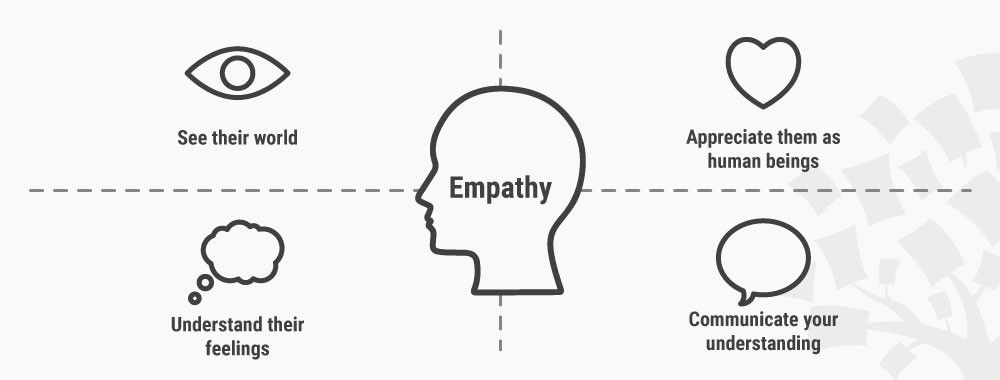
1. Empathy and Understanding
Showing empathy means acknowledging and understanding the other person's perspective, feelings, and challenges. It's about putting yourself in their shoes and responding with compassion.
2. Positivity and Encouragement
Focus on the positive aspects of learning and growth. Highlight successes, emphasize potential, and offer encouragement to overcome challenges.
3. Clarity and Simplicity
Complex information can be overwhelming. Break down concepts into smaller, more manageable chunks, and use clear, concise language.4. Patience and Support
Learning takes time, and everyone progresses at their own pace. Be patient, offer ongoing support, and create a safe space for questions and mistakes.5. Enthusiasm and Passion
Your passion for the subject matter can be contagious. Share your enthusiasm and inspire others to learn and explore.Practical Strategies for Cultivating an Educational and Nurturing Tone
Now that we've explored the key elements of an educational and nurturing tone, let's delve into some practical strategies for incorporating it into your communication.1. Choose Your Words Carefully
Words have power. Select words that convey empathy, understanding, and support. Avoid language that is judgmental, condescending, or dismissive.2. Use Positive Language
Frame your message in a positive light, focusing on what can be achieved rather than what cannot.3. Practice Active Listening
Active listening involves paying attention to what the other person is saying, both verbally and nonverbally. It also involves asking clarifying questions and providing feedback to ensure understanding.4. Use Humor Appropriately
Humor can be a powerful tool for creating a relaxed and engaging learning environment. However, it's important to use humor appropriately and avoid jokes that could be offensive or insensitive.5. Be Genuine and Authentic
Authenticity is key to building trust and rapport. Be yourself, and let your genuine care for others shine through.Examples of Educational and Nurturing Tone in Action
Let's look at some examples of how to apply an educational and nurturing tone in different scenarios:Scenario 1: Explaining a Complex Concept
Scenario 2: Providing Feedback on a Project
Scenario 3: Answering a Difficult Question
Scenario 4: Encouraging Someone Who is Struggling
Scenario 5: Celebrating a Success
The Importance of Nonverbal Communication
While the words we use are important, nonverbal communication plays a significant role in conveying an educational and nurturing tone.Adapting Your Tone to Different Audiences
It's important to adapt your tone to the specific needs and preferences of your audience. Consider factors such as age, background, cultural sensitivity, and learning style.Common Pitfalls to Avoid
While striving for an educational and nurturing tone, be mindful of these common pitfalls:Conclusion: Embracing the Power of Nurturing Communication
Adopting an educational and nurturing tone is an investment in building stronger relationships, fostering a positive learning environment, and empowering individuals to reach their full potential. By incorporating empathy, positivity, clarity, patience, and enthusiasm into your communication, you can create a safe and supportive space for growth and development. Remember, the way you communicate can have a profound impact on others, so choose your words wisely and let your nurturing spirit shine through.Cultivating this tone isn't just about communication; it's about creating a culture of support, encouragement, and lifelong learning. By embracing these principles, you can become a catalyst for positive change and help others thrive.
Key Takeaway: A nurturing tone builds trust, encourages engagement, and fosters a positive learning environment.
Call to Action: Start practicing these strategies today and observe the positive impact on your relationships and communication effectiveness.
Internal Link Suggestion: For more on effective communication strategies, read our article on "Active Listening: The Key to Meaningful Connections".
External Link Suggestion: Learn more about emotional intelligence and its role in effective communication from Greater Good Magazine.


0 Comments