
Unlock Your Potential: A Friendly Guide to Lifelong Learning and Inspiration
Learning is a journey, not a destination. It’s an adventure that opens doors to new possibilities, broadens our perspectives, and helps us grow into the best versions of ourselves. This article is your friendly guide to embracing lifelong learning, finding inspiration in unexpected places, and unlocking your hidden potential. Whether you're a student, a professional, or simply curious about the world, get ready to embark on a journey of discovery and self-improvement.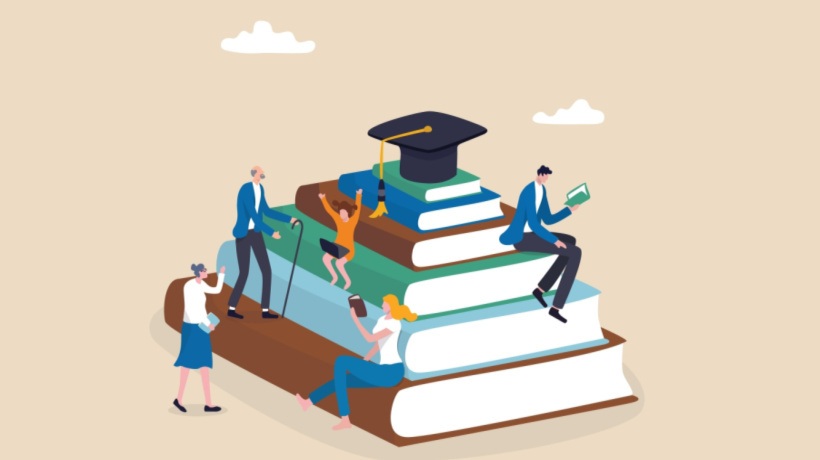
Why Embrace Lifelong Learning?
Think of your brain as a muscle. The more you exercise it, the stronger it becomes. Lifelong learning is the ultimate workout for your mind, keeping it sharp, agile, and ready to tackle new challenges. But the benefits go far beyond just mental fitness. Let's explore why embracing a mindset of continuous learning is so important.
Staying Relevant in a Changing World
The world is changing at an unprecedented pace. New technologies, industries, and ideas are constantly emerging. Lifelong learning helps you stay relevant in this dynamic environment, equipping you with the skills and knowledge you need to thrive.- Adaptability: Learning new things makes you more adaptable to change, allowing you to pivot and adjust to new situations with ease.
- Career Advancement: Acquiring new skills can open doors to new career opportunities and help you climb the ladder in your current field.
- Competitive Edge: In today's competitive job market, continuous learning gives you a distinct advantage over those who are not actively seeking to improve their skillset.
- Increased Confidence: As you learn and master new skills, your confidence will soar. You'll feel more capable and empowered to take on new challenges.
- Enhanced Creativity: Learning exposes you to new ideas and perspectives, which can spark your creativity and help you think outside the box.
- Greater Sense of Purpose: Learning can help you discover your passions and align your life with your values, giving you a greater sense of purpose and direction.
- Enhanced Memory: Learning new things strengthens the neural connections in your brain, improving your memory and recall abilities.
- Better Problem-Solving Skills: Learning challenges you to think critically and solve problems, which can improve your overall problem-solving abilities.
- Reduced Risk of Dementia: Research suggests that lifelong learning may help reduce the risk of dementia and other age-related cognitive disorders.
- Nature: Spend time in nature, observing the beauty and complexity of the natural world.
- Art: Visit museums, galleries, and theaters to experience the power of art.
- Everyday Life: Find beauty and inspiration in the ordinary moments of everyday life.
- Read Widely: Read books, articles, and blogs on a variety of topics.
- Travel: Explore new places and cultures.
- Talk to People: Engage in conversations with people from different backgrounds and perspectives.
- Reframe Failure: View failure as a learning experience rather than a setback.
- Analyze Your Mistakes: Take the time to analyze your mistakes and identify what you can do differently next time.
- Don't Give Up: Don't let failure discourage you from pursuing your goals.
- Be Specific: Instead of saying "I want to learn about history," try "I want to learn about the history of ancient Rome."
- Make it Measurable: Set specific, measurable goals that you can track over time.
- Set a Timeline: Give yourself a deadline for achieving your learning goals.
- Online Courses: Platforms like Coursera, edX, and Udemy offer a wide range of courses on various topics.
- Educational Websites: Websites like Khan Academy and TED provide free educational content.
- YouTube: YouTube is a great resource for learning new skills through tutorials and demonstrations.
- Online Forums: Participate in online forums and discussion groups related to your areas of interest.
- Social Media: Follow experts and thought leaders in your field on social media.
- Local Meetups: Attend local meetups and workshops to connect with other learners in person.
- Schedule It: Treat learning like any other important appointment and schedule it into your calendar.
- Use Downtime: Take advantage of downtime, such as commuting or waiting in line, to listen to podcasts or read articles.
- Make it a Habit: Incorporate learning into your daily routine, just like brushing your teeth or exercising.
- Keep a Journal: Write down what you've learned, how you've grown, and any challenges you've overcome.
- Reward Yourself: Treat yourself to something special when you achieve a learning goal.
- Share Your Achievements: Share your achievements with friends, family, or colleagues to celebrate your success.
- Prioritize Learning: Make learning a priority and schedule it into your calendar.
- Break it Down: Break down large learning goals into smaller, more manageable tasks.
- Multitask Wisely: Listen to podcasts or audiobooks while doing chores or commuting.
- Free Resources: Take advantage of free online courses, libraries, and educational websites.
- Scholarships and Grants: Look for scholarships and grants that can help cover the cost of education.
- Community Resources: Check out local community centers and libraries for free or low-cost learning opportunities.
- Embrace a Growth Mindset: Believe that your abilities can be developed through hard work and dedication.
- Focus on Progress: Focus on the progress you're making rather than the mistakes you're making.
- Seek Support: Talk to friends, family, or mentors who can offer encouragement and support.
- Connect with Your "Why": Remind yourself why you want to learn and how it will benefit you.
- Find a Learning Partner: Connect with a friend or colleague who shares your learning goals and can hold you accountable.
- Celebrate Small Wins: Acknowledge and celebrate your progress, no matter how small.
- Flexibility: Learn at your own pace and on your own schedule.
- Variety: Choose from a vast selection of courses on virtually any topic.
- Accessibility: Access high-quality education from anywhere in the world.
- Duolingo: Learn new languages through gamified lessons.
- Khan Academy: Access free educational content on a variety of subjects.
- Lumosity: Improve your cognitive skills through brain-training games.
- VR Simulations: Experience realistic simulations of real-world scenarios.
- AR Overlays: Overlay digital information onto the real world to enhance learning.
- Interactive Learning: Engage with learning materials in a more interactive and engaging way.
- Identify one new skill or topic you'd like to learn.
- Sign up for a free online course or workshop.
- Set aside just 30 minutes each day for learning.
- Share your learning goals with a friend or family member.
- Anchor Text: "Setting Clear Learning Goals" - Link to the section on setting learning goals within the article.
- Anchor Text: "Online Courses" - Link to the section discussing online resources.
- Anchor Text: "Growth Mindset" - Link to another relevant article on the website about developing a growth mindset.
- Coursera: (https://www.coursera.org/) - Add a "nofollow" attribute.
- edX: (https://www.edx.org/) - Add a "nofollow" attribute.
- Khan Academy: (https://www.khanacademy.org/) - Add a "nofollow" attribute.
- Include social sharing buttons at the beginning and end of the article to encourage readers to share on platforms like Facebook, Twitter, LinkedIn, and Pinterest.
- Use a compelling image related to lifelong learning as the featured image for social sharing.
- Suggest a pre-written tweet or Facebook post for readers to share easily. Example: "Just read this inspiring article on lifelong learning! Ready to unlock my potential. [Link to Article] #LifelongLearning #Inspiration #PersonalGrowth"

Personal Growth and Fulfillment
Learning isn't just about acquiring practical skills; it's also about personal growth and fulfillment. It can help you discover new passions, expand your horizons, and live a more meaningful life.
Improved Cognitive Function
Studies have shown that lifelong learning can improve cognitive function and help protect against age-related cognitive decline. It's like giving your brain a regular workout to keep it in top shape.
Finding Inspiration in Unexpected Places
Inspiration is all around us, waiting to be discovered. Sometimes, it's hiding in plain sight, disguised as everyday experiences. The key is to be open to new ideas and perspectives, and to cultivate a sense of curiosity about the world.The Power of Observation
Pay attention to the world around you. Observe people, places, and things with a keen eye. You never know where you might find inspiration.The Importance of Curiosity
Cultivate a sense of curiosity about the world. Ask questions, explore new topics, and never stop learning.Embracing Failure as a Learning Opportunity
Don't be afraid to fail. Failure is a natural part of the learning process. Embrace it as an opportunity to learn and grow.Practical Strategies for Lifelong Learning
Now that you understand the importance of lifelong learning and how to find inspiration, let's dive into some practical strategies you can use to incorporate continuous learning into your daily life.Setting Clear Learning Goals
The first step is to set clear, achievable learning goals. What do you want to learn? Why do you want to learn it? What specific skills or knowledge do you hope to gain?Utilizing Online Resources
The internet is a treasure trove of learning resources. Take advantage of online courses, tutorials, and educational websites to expand your knowledge and skills.Joining Learning Communities
Connect with other learners to share ideas, ask questions, and stay motivated.Making Time for Learning
One of the biggest challenges to lifelong learning is finding the time. Here are some tips for incorporating learning into your busy schedule:Tracking Your Progress and Celebrating Successes
Keep track of your progress and celebrate your successes along the way. This will help you stay motivated and focused on your learning goals.Overcoming Common Barriers to Lifelong Learning
Even with the best intentions, you may encounter barriers that make it difficult to pursue lifelong learning. Let's discuss some common obstacles and how to overcome them.Lack of Time
As mentioned earlier, time is a common constraint. To overcome this:Financial Constraints
Learning doesn't always have to be expensive. Here are some ways to learn on a budget:Fear of Failure
Fear of failure can be a major obstacle to learning. To overcome this:Lack of Motivation
Sometimes, it can be difficult to stay motivated. Here are some tips for staying inspired:The Role of Technology in Enhancing Learning
Technology has revolutionized the way we learn, making it easier and more accessible than ever before. From online courses to educational apps, technology offers a wealth of resources for lifelong learners.Online Learning Platforms
Platforms like Coursera, edX, and Udemy offer a wide range of online courses on various topics. These platforms provide structured learning experiences, complete with video lectures, quizzes, and assignments.Educational Apps
There are countless educational apps available for smartphones and tablets. These apps can help you learn new languages, improve your math skills, or explore new subjects.Virtual Reality (VR) and Augmented Reality (AR)
VR and AR technologies are transforming the way we learn by creating immersive and interactive learning experiences.Inspiring Examples of Lifelong Learners
To further inspire you on your learning journey, let's look at some examples of individuals who have embraced lifelong learning and achieved remarkable things.Benjamin Franklin
Benjamin Franklin was a true Renaissance man, excelling in a wide range of fields, including science, politics, and writing. He was a voracious reader and a lifelong learner, constantly seeking new knowledge and skills.Key Takeaway: Franklin's insatiable curiosity and dedication to self-improvement are a testament to the power of lifelong learning.
Oprah Winfrey
Oprah Winfrey is a media mogul, philanthropist, and actress who has overcome numerous obstacles to achieve success. She is a passionate advocate for education and a lifelong learner herself.Key Takeaway: Oprah's commitment to personal growth and continuous learning has been instrumental in her success.
Bill Gates
Bill Gates is a technology entrepreneur, philanthropist, and author who is known for his insatiable curiosity and his commitment to lifelong learning. He regularly reads books and attends conferences to stay up-to-date on the latest trends and developments in technology and other fields.Key Takeaway: Gates' dedication to continuous learning has helped him stay at the forefront of innovation and make a positive impact on the world.
Conclusion: Embark on Your Learning Adventure Today
Lifelong learning is a journey of discovery, growth, and fulfillment. By embracing a mindset of continuous learning, you can unlock your hidden potential, stay relevant in a changing world, and live a more meaningful life. Remember to set clear goals, find inspiration in unexpected places, and utilize the many resources available to you. Don't let fear or lack of time hold you back. Embrace the challenge, celebrate your successes, and embark on your learning adventure today. The world is waiting to be explored, and the possibilities are endless.Take action now:
Start small, stay curious, and enjoy the journey!
Internal Linking Suggestions:
External Linking Suggestions:
Social Sharing Optimization:

0 Comments