
Unlock Your Potential: A Friendly Guide to Lifelong Learning and Growth
Learning is a journey, not a destination. It's a continuous process of discovery, exploration, and personal evolution. In this friendly guide, we'll explore the incredible power of lifelong learning and how it can inspire you to unlock your full potential. Whether you're seeking new skills, pursuing personal passions, or simply curious about the world around you, this article will provide you with the tools and motivation you need to embrace the joy of learning and achieve your goals. Let's embark on this exciting adventure together!
Why Embrace Lifelong Learning?
Lifelong learning isn't just about acquiring new knowledge; it's about cultivating a mindset of curiosity, adaptability, and growth. In today's rapidly changing world, the ability to learn and adapt is more valuable than ever before. But beyond the practical benefits, lifelong learning offers a wealth of personal rewards. Let's delve into some compelling reasons to make learning a lifelong habit.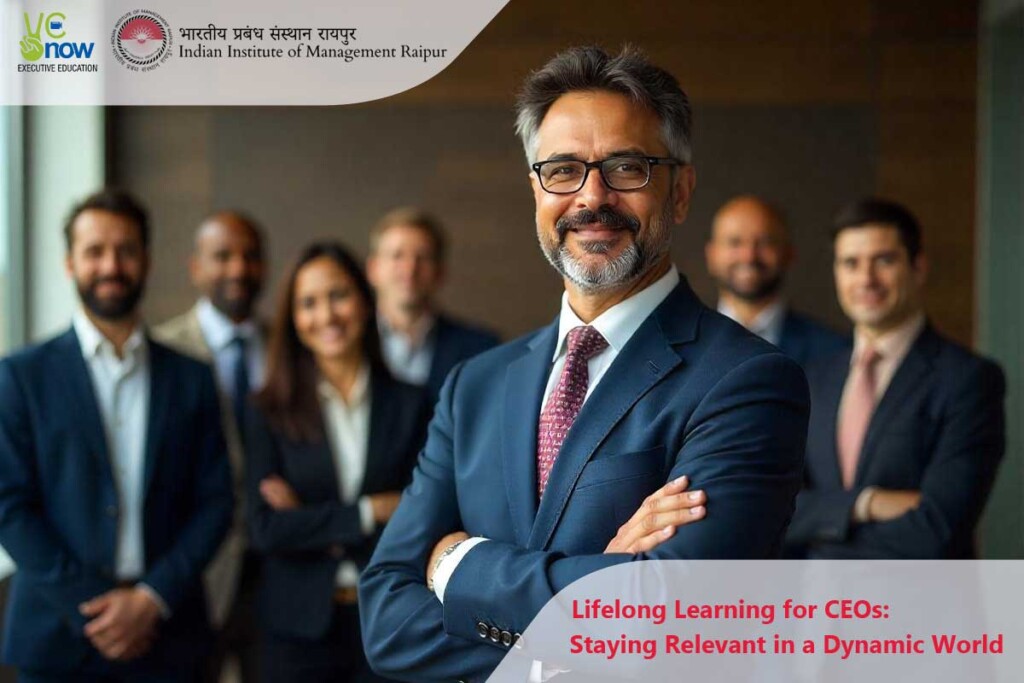
Staying Relevant in a Dynamic World
The world is constantly evolving, with new technologies, industries, and ideas emerging at an unprecedented pace. To thrive in this dynamic environment, it's essential to stay relevant by continuously updating your skills and knowledge. Lifelong learning helps you:- Adapt to change: By embracing new information and perspectives, you can navigate change with confidence and resilience.
- Remain competitive: In the job market, continuous learning sets you apart and demonstrates your commitment to professional growth.
- Seize new opportunities: Learning opens doors to new possibilities and allows you to explore different career paths and interests.
- Advance in your current role: By acquiring new skills and knowledge, you can take on more challenging responsibilities and increase your value to your employer.
- Transition to a new career: If you're feeling stuck or unfulfilled in your current job, learning can provide you with the skills and confidence to pursue a new career path.
- Increase your earning potential: Studies have shown that individuals who engage in lifelong learning tend to earn more over their lifetimes.
- Expand your horizons: Learning exposes you to new ideas, cultures, and perspectives, broadening your understanding of the world.
- Boost your confidence: As you acquire new skills and knowledge, you'll gain confidence in your abilities and feel more empowered to tackle challenges.
- Enhance your creativity: Learning can spark your imagination and inspire you to think outside the box, leading to greater creativity and innovation.
- Improve your memory: Learning strengthens neural connections in your brain, improving your memory and recall abilities.
- Enhance your problem-solving skills: Learning requires you to think critically and creatively, which can improve your problem-solving skills.
- Reduce stress and improve mental well-being: Engaging in learning activities can be a great way to relax, reduce stress, and boost your overall mental well-being.
- Your hobbies: What do you enjoy doing in your free time?
- Your interests: What topics do you find yourself drawn to?
- Your values: What's important to you in life?
- Acquire a new skill?
- Advance in your career?
- Pursue a personal passion?
- Expand your knowledge of a particular subject?
- Specific: Clearly define what you want to achieve.
- Measurable: How will you know when you've achieved your goal?
- Achievable: Is your goal realistic and attainable?
- Relevant: Does your goal align with your interests and values?
- Time-bound: Set a deadline for achieving your goal.
- Online courses: Platforms like Coursera, edX, and Udemy offer a wide range of courses on various subjects.
- Books and articles: Libraries and online bookstores are treasure troves of knowledge.
- Workshops and seminars: Attend workshops and seminars to learn from experts and network with like-minded individuals.
- Mentorship: Find a mentor who can guide you and provide valuable insights.
- Self-study: Take advantage of free resources like YouTube tutorials, podcasts, and online articles.
- Schedule dedicated learning time: Treat learning like an important appointment and schedule it into your calendar.
- Break down large tasks into smaller ones: This makes the learning process less daunting and more manageable.
- Prioritize learning activities: Focus on the activities that will have the biggest impact on your goals.
- Eliminate distractions: Create a quiet and focused learning environment.
- Family and friends: Share your learning goals with your loved ones and ask for their support.
- Study groups: Join a study group to learn with others and stay accountable.
- Online communities: Connect with other learners online to share ideas, ask questions, and get support.
- Analyze your mistakes: What went wrong? What could you have done differently?
- Learn from your mistakes: Use your mistakes as a guide for future learning.
- Don't give up: Keep trying, even when things get tough.
- Set milestones: Break down your goals into smaller milestones and reward yourself when you reach each milestone.
- Treat yourself: Do something you enjoy after completing a learning activity.
- Acknowledge your progress: Take time to reflect on how far you've come and celebrate your achievements.
- Adaptive learning platforms: These platforms use algorithms to adjust the difficulty and content of learning materials based on your individual progress.
- AI-powered tutors: AI tutors can provide personalized feedback and support to help you learn more effectively.
- Microlearning: This involves breaking down learning content into small, bite-sized chunks that can be easily consumed on the go.
- Online courses: Online courses offer a convenient way to learn new skills and knowledge from anywhere in the world.
- Blended learning: This combines online learning with traditional classroom instruction.
- Virtual reality (VR) and augmented reality (AR): VR and AR technologies are being used to create immersive and engaging learning experiences.
- Coding bootcamps: These intensive programs teach you the skills you need to become a software developer in a short amount of time.
- Vocational training: This provides hands-on training for specific trades and occupations.
- Skills-based certifications: These certifications validate your skills and knowledge in a particular area.

Boosting Your Career and Earning Potential
Investing in your education and skills development can have a significant impact on your career and earning potential. Lifelong learning can help you:Key Takeaway: Lifelong learning is not just about acquiring knowledge, it's about investing in your future and unlocking your potential for success.

Personal Growth and Fulfillment
Beyond the professional benefits, lifelong learning can also contribute to your personal growth and fulfillment. It can:Example: Consider the story of Anna, a retired teacher who decided to learn a new language in her 60s. Not only did she find the process intellectually stimulating, but she also discovered a newfound passion for travel and connecting with people from different cultures.

Staying Mentally Sharp and Engaged
Lifelong learning is like exercise for your brain. It helps keep your mind sharp, improves cognitive function, and reduces the risk of age-related cognitive decline. By challenging yourself to learn new things, you can:Internal Link Suggestion: For more tips on improving cognitive function, read our article on "Brain Training Exercises for Enhanced Memory and Focus" using the anchor text "Brain Training Exercises."
Finding Your Learning Path: Discovering Your Interests and Goals
The key to successful lifelong learning is to find a path that aligns with your interests and goals. When you're passionate about what you're learning, you're more likely to stay motivated and engaged. Here's how to discover your learning path:Identifying Your Passions and Interests
Start by reflecting on what truly excites you. What are you curious about? What topics do you enjoy reading about or discussing with others? Consider:Actionable Tip: Keep a journal and write down your thoughts and ideas about what you'd like to learn. This can help you identify patterns and themes.
Setting Clear and Achievable Goals
Once you've identified your interests, it's time to set some clear and achievable goals. What do you want to accomplish through learning? Do you want to:Remember to make your goals SMART:
Example: Instead of setting a vague goal like "learn to code," set a SMART goal like "complete an online Python course and build a simple website within three months."
Exploring Different Learning Resources and Methods
There are countless ways to learn new things, from formal education to informal self-study. Explore different learning resources and methods to find what works best for you. Consider:Internal Link Suggestion: Explore our resource guide on "Top Online Learning Platforms for Skill Development" using the anchor text "Online Learning Platforms."
Overcoming Obstacles: Staying Motivated and Consistent
Lifelong learning can be challenging at times. It requires dedication, discipline, and the ability to overcome obstacles. Here are some tips for staying motivated and consistent on your learning journey:Time Management and Prioritization
One of the biggest challenges to lifelong learning is finding the time to fit it into your busy schedule. Effective time management and prioritization are essential.Building a Supportive Learning Environment
Surround yourself with people who support your learning goals. This could include:External Link Suggestion: Join relevant online communities on platforms like LinkedIn or Reddit to connect with other learners and experts in your field. Link to a relevant LinkedIn group using the anchor text "LinkedIn group."
Embracing Failure as a Learning Opportunity
Don't be afraid to make mistakes. Failure is a natural part of the learning process. Instead of getting discouraged, embrace failure as an opportunity to learn and grow.Quote: "I have not failed. I've just found 10,000 ways that won't work." - Thomas Edison
Rewarding Yourself for Progress
Celebrate your accomplishments, no matter how small. Rewarding yourself for progress can help you stay motivated and engaged in the learning process.Actionable Tip: Create a reward system that works for you. This could include anything from taking a break to watch your favorite movie to treating yourself to a nice dinner.
The Future of Learning: Trends and Opportunities
The landscape of learning is constantly evolving, with new technologies and trends shaping the way we acquire knowledge and skills. Here are some key trends and opportunities to watch out for:Personalized Learning Experiences
Technology is enabling more personalized learning experiences that cater to individual needs and preferences. This includes:The Rise of Online and Blended Learning
Online and blended learning are becoming increasingly popular, offering greater flexibility and accessibility.Emphasis on Skills-Based Learning
There's a growing emphasis on skills-based learning, which focuses on developing practical skills that are relevant to the workplace.Key Takeaway: The future of learning is personalized, flexible, and focused on developing practical skills.
Conclusion: Embrace the Journey of Lifelong Learning
Lifelong learning is an investment in yourself, your future, and your potential. By embracing a mindset of curiosity, adaptability, and growth, you can unlock new opportunities, achieve your goals, and live a more fulfilling life. Remember to find your learning path, stay motivated, and embrace the challenges along the way. The journey of lifelong learning is an exciting adventure – are you ready to begin?Call to Action: Sign up for our newsletter to receive more tips and resources on lifelong learning and personal growth. Start your learning journey today!


0 Comments