
Mastering the Art of French Macarons: A Beginner-Friendly Guide
French macarons. The mere mention of them conjures images of elegant patisseries, delicate pastel hues, and a symphony of textures. These iconic cookies, with their smooth, glossy shells and creamy fillings, are often perceived as intimidating to bake. But fear not, aspiring pastry chefs! This guide is designed to demystify the macaron-making process, offering a friendly, educational approach that will have you whipping up these delectable treats in your own kitchen in no time.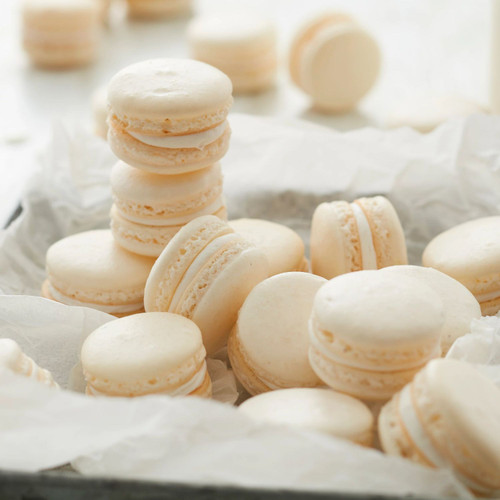
What Makes a Macaron a Macaron? Understanding the Fundamentals
Before we dive into the recipe, let's understand what exactly defines a French macaron and what makes it so special. Unlike macaroons (the coconut-based treat), macarons are meringue-based cookies made from almond flour, egg whites, and sugar. The "macaronage," or the process of folding the dry ingredients into the meringue, is crucial for achieving the signature smooth shell and characteristic "feet" (the frilly edge at the bottom of the cookie).Think of the macaron as a delicate balance. The ingredients, the technique, and even the weather can affect the final result. But that's part of the fun! Baking macarons is a learning journey, and with each batch, you'll gain a deeper understanding of the process.
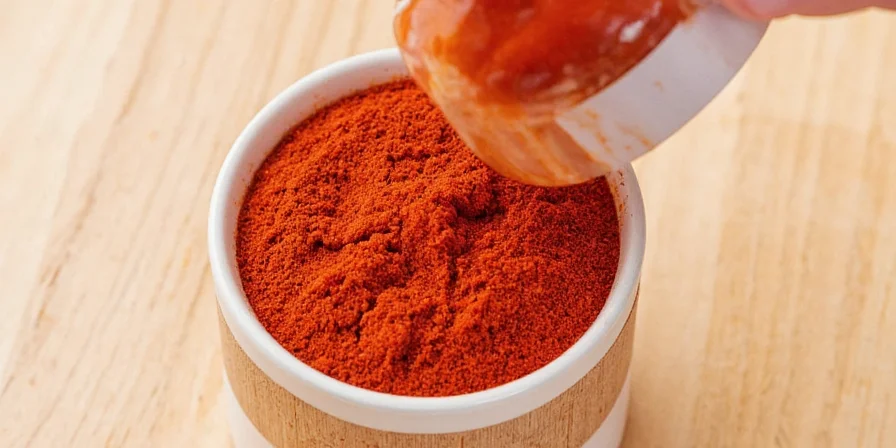
The Key Ingredients and Their Roles
* Almond Flour: This is the foundation of our macaron. Use finely ground almond flour for the smoothest texture. Blanched almond flour (skins removed) is preferred for a lighter color.- Egg Whites: The magic ingredient that creates the meringue. Aged egg whites (separated and stored in the refrigerator for a day or two) are often recommended, as they whip up to a greater volume.
- Granulated Sugar: Provides sweetness and stability to the meringue.
- Powdered Sugar (Icing Sugar): Adds sweetness and structure to the macaron batter.
- Food Coloring (Optional): Gel food coloring is recommended, as liquid food coloring can alter the consistency of the batter.
- Stand Mixer or Hand Mixer: Essential for whipping the meringue to stiff peaks.
- Sifter: To remove lumps from the almond flour and powdered sugar.
- Piping Bag and Round Tip: For piping the macarons onto baking sheets. A 1/2-inch round tip is a good starting point.
- Parchment Paper or Silicone Baking Mats: To prevent the macarons from sticking to the baking sheets.
- Baking Sheets: Use heavy-duty baking sheets for even heat distribution.
- Toothpick or Skewer: To pop any air bubbles on the surface of the piped macarons.
- 100g almond flour
- 100g powdered sugar
- 50g egg whites (aged, if possible)
- 50g granulated sugar
- Gel food coloring (optional)
- Your choice of filling (see filling suggestions below)
- Prepare the Almond Flour Mixture: In a large bowl, sift together the almond flour and powdered sugar. This removes any lumps and ensures a smooth batter.
- Whip the Meringue: In a clean, grease-free bowl, beat the egg whites with a stand mixer or hand mixer until soft peaks form. Gradually add the granulated sugar, beating continuously until stiff, glossy peaks form. The meringue should be firm enough to hold its shape when you lift the whisk.
- Add Food Coloring (Optional): If using food coloring, add a small amount of gel food coloring to the meringue and mix until evenly distributed. Remember, a little goes a long way!
- Macaronage: The Key to Success: This is where the magic happens! Gradually add the almond flour mixture to the meringue, folding gently with a spatula. The goal is to deflate the meringue slightly while incorporating the dry ingredients. Continue folding until the batter flows like lava or ribbon. To test the consistency, lift the spatula and let the batter fall back into the bowl. It should slowly sink back in and the ribbon should disappear within 20-30 seconds. This is a critical step, so be patient and don't overmix!
- Pipe the Macarons: Transfer the batter to a piping bag fitted with a round tip. Pipe 1.5-inch circles onto baking sheets lined with parchment paper or silicone baking mats, leaving about 1 inch between each circle.
- Tap the Baking Sheets: Gently tap the baking sheets on the counter several times to release any trapped air bubbles. Use a toothpick or skewer to pop any remaining bubbles on the surface of the macarons.
- Resting Time: Allow the macarons to rest at room temperature for 30-60 minutes, or until a skin forms on the surface. You should be able to gently touch the macarons without the batter sticking to your finger. This skin is essential for developing the "feet" during baking.
- Bake the Macarons: Preheat oven to 300°F (150°C). Bake the macarons for 12-15 minutes, or until the "feet" have formed and the shells are set. The baking time may vary depending on your oven, so keep a close eye on them.
- Cool Completely: Remove the baking sheets from the oven and let the macarons cool completely on the baking sheets before removing them. This prevents them from sticking or breaking.
- Assemble the Macarons: Once the macarons are completely cool, carefully peel them off the parchment paper or silicone baking mats. Match up pairs of macarons that are similar in size and shape. Pipe or spread your desired filling onto the flat side of one macaron and top with the other macaron, gently pressing them together.
- Mature the Macarons (Optional but Recommended): For the best flavor and texture, store the assembled macarons in an airtight container in the refrigerator for 24-48 hours. This allows the filling to soften the shells and create a perfect balance of flavors and textures.
- Buttercream: A classic choice that's easy to customize with different flavors, such as vanilla, chocolate, coffee, or fruit purees.
- Ganache: A rich and decadent filling made from chocolate and cream. Experiment with different types of chocolate (dark, milk, white) and add flavorings like espresso, caramel, or liqueurs.
- Jam or Preserves: A simple and fruity filling that complements the sweetness of the macaron shells.
- Cream Cheese Frosting: A tangy and creamy filling that pairs well with fruit-flavored macarons.
- Salted Caramel: A sweet and salty indulgence that adds a sophisticated touch to your macarons.
- Cracked Shells: This can be caused by several factors, including overmixing the batter, baking at too high a temperature, or not allowing the macarons to rest long enough.
- No Feet: This is usually due to undermixing the batter, baking at too low a temperature, or not allowing the macarons to rest long enough.
- Hollow Shells: This can be caused by overmixing the batter or baking at too high a temperature.
- Macarons Sticking to the Parchment Paper: This usually means the macarons are not fully cooked. Try baking them for a few more minutes.
- Uneven Feet: This can be caused by uneven heat distribution in your oven. Try rotating the baking sheets halfway through baking.
- Age your egg whites for better meringue volume. Separate the egg whites from the yolks a day or two in advance and store them in the refrigerator in an airtight container.
- Make sure your mixing bowl and whisk are clean and grease-free. Any trace of grease can prevent the egg whites from whipping properly.
- Sift the almond flour and powdered sugar to remove lumps. This will ensure a smooth batter.
- Don't overmix or undermix the macaron batter. The macaronage is the most important step in the process.
- Allow the macarons to rest long enough to form a skin. This is essential for developing the "feet."
- Bake the macarons at the correct temperature. Oven temperature can vary, so use an oven thermometer to ensure accuracy.
- Let the macarons cool completely before removing them from the baking sheets. This will prevent them from sticking or breaking.
- Mature the macarons in the refrigerator for 24-48 hours for the best flavor and texture.
- Experiment with different flavors and fillings to create your own signature macarons.
- Meringue Techniques: Link to a guide on mastering meringue, covering different meringue types (French, Swiss, Italian). (Anchor Text: "Whipping the Meringue")
- Baking Equipment Essentials: Link to a comprehensive article about essential baking tools for beginners. (Anchor Text: "Essential Equipment")
- Buttercream Recipe: Link to a detailed buttercream frosting recipe with variations. (Anchor Text: "Buttercream")
- King Arthur Baking Company Almond Flour Information: Link to King Arthur Baking Company's page on almond flour. (Anchor Text: "Almond Flour")
- Sally's Baking Addiction Macaron Recipe: Link to Sally's Baking Addiction's macaron recipe for a different perspective. (Anchor Text: "Macaron Recipe")
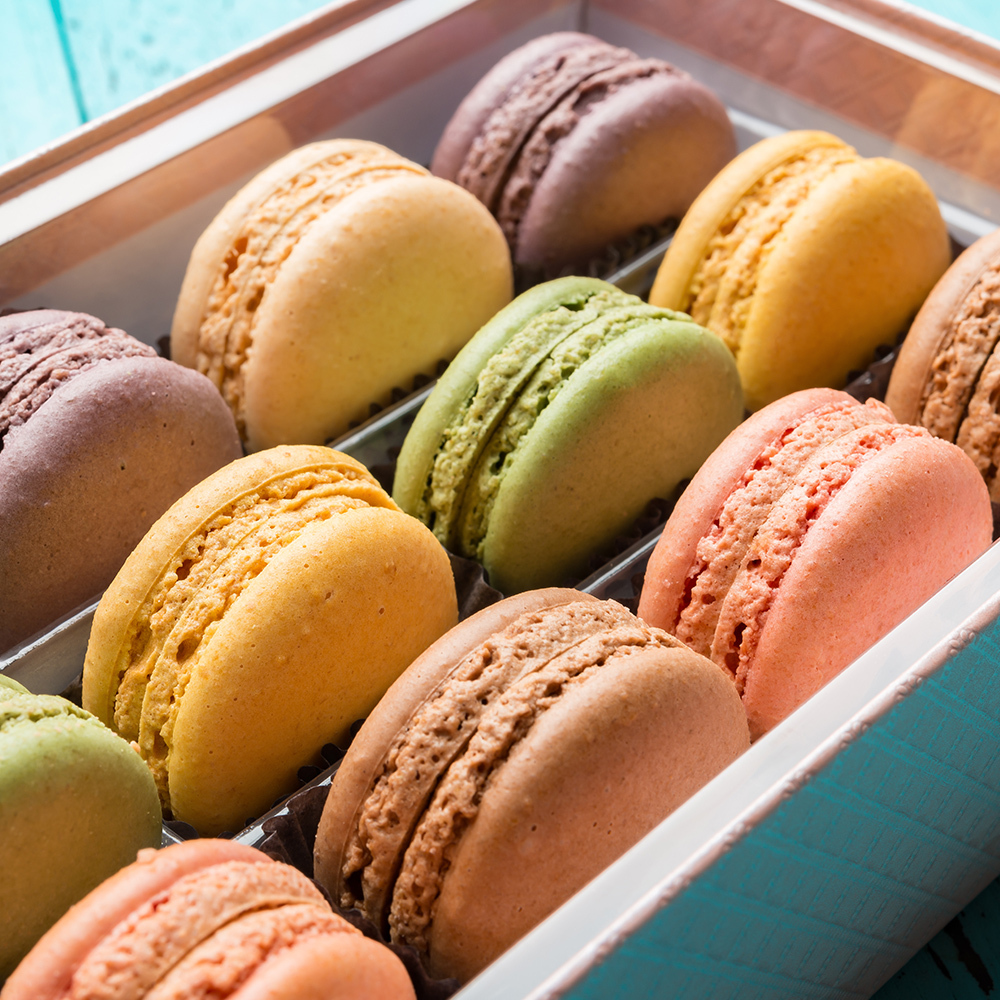
Essential Equipment for Macaron Success
* Kitchen Scale: Accuracy is paramount in macaron making. A kitchen scale ensures precise measurements.
The Macaron Recipe: A Step-by-Step Guide
Now, let's get baking! This recipe uses the French meringue method, which is considered the simplest approach for beginners.Yields: Approximately 36 macarons (18 assembled cookies)
Prep Time: 45 minutes
Resting Time: 30-60 minutes
Bake Time: 12-15 minutes
Ingredients:
Instructions:
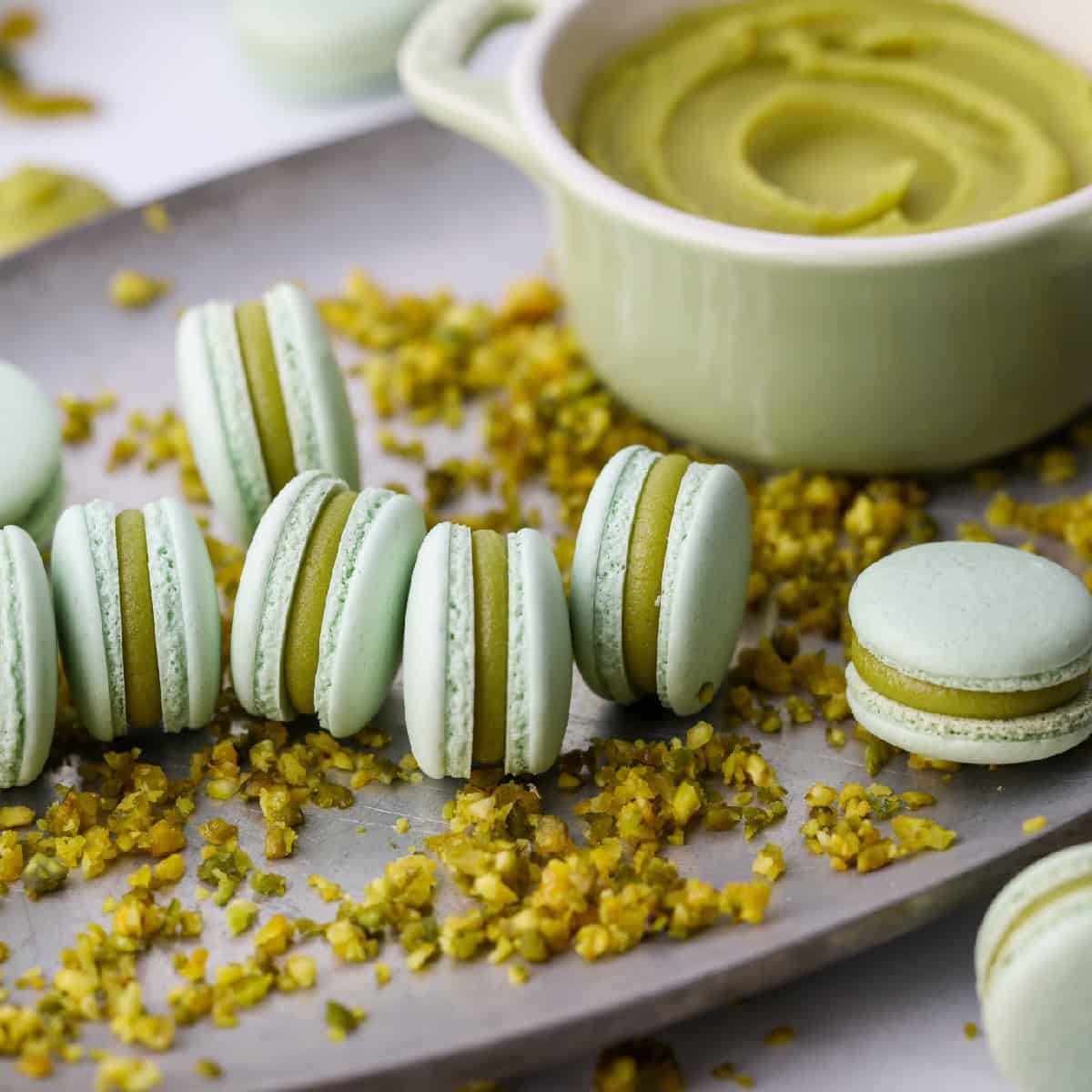
Filling Ideas to Elevate Your Macarons
The filling is where you can truly get creative and personalize your macarons. Here are a few popular filling options to get you started:Troubleshooting Common Macaron Problems
Macarons can be finicky, and it's not uncommon to encounter a few challenges along the way. Here are some common problems and how to fix them:Remember, practice makes perfect! Don't be discouraged if your first batch isn't perfect. Keep experimenting and you'll eventually master the art of macaron making.
Tips and Tricks for Macaron Perfection
* Use a kitchen scale for precise measurements. This is crucial for macaron success.Internal Linking Opportunities
* Almond Flour Guide: Link to an internal article about the different types of almond flour and their uses in baking. (Anchor Text: "Almond Flour")External Linking Opportunities
* Serious Eats Macaron Troubleshooting: Link to a Serious Eats article for additional troubleshooting tips. (Anchor Text: "Macaron Troubleshooting")Conclusion: Your Macaron Journey Begins Now!
Baking French macarons may seem daunting at first, but with a little patience, practice, and this friendly guide, you'll be well on your way to creating these exquisite treats in your own kitchen. Remember, every batch is a learning opportunity, so don't be afraid to experiment and have fun! The most important ingredient is passion! So, gather your ingredients, preheat your oven, and embark on your macaron adventure today! And don't forget to share your creations with friends and family – they'll be impressed!Ready to start baking? Sign up for our newsletter to receive exclusive recipes and baking tips!


0 Comments