
Unleash Creativity and Learning: A Comprehensive Guide to Coloring Pages, Printables, and ABC Activities for Preschoolers
Welcome to the exciting world of preschool learning, where creativity and education intertwine to ignite young minds! As parents and educators, we understand the importance of providing engaging and effective resources to support early childhood development. This comprehensive guide explores the wonderful realm of coloring pages, printables, ABC activities, letter recognition exercises, and creative education tools designed to make learning fun and accessible for preschoolers. Get ready to embark on a colorful journey filled with joyful discoveries and valuable learning experiences!
The Power of Coloring Pages: Nurturing Creativity and Fine Motor Skills
Coloring pages are more than just a fun pastime; they are powerful tools that foster creativity, enhance fine motor skills, and promote cognitive development in preschoolers. The act of coloring allows children to express themselves artistically, experiment with colors, and develop their hand-eye coordination.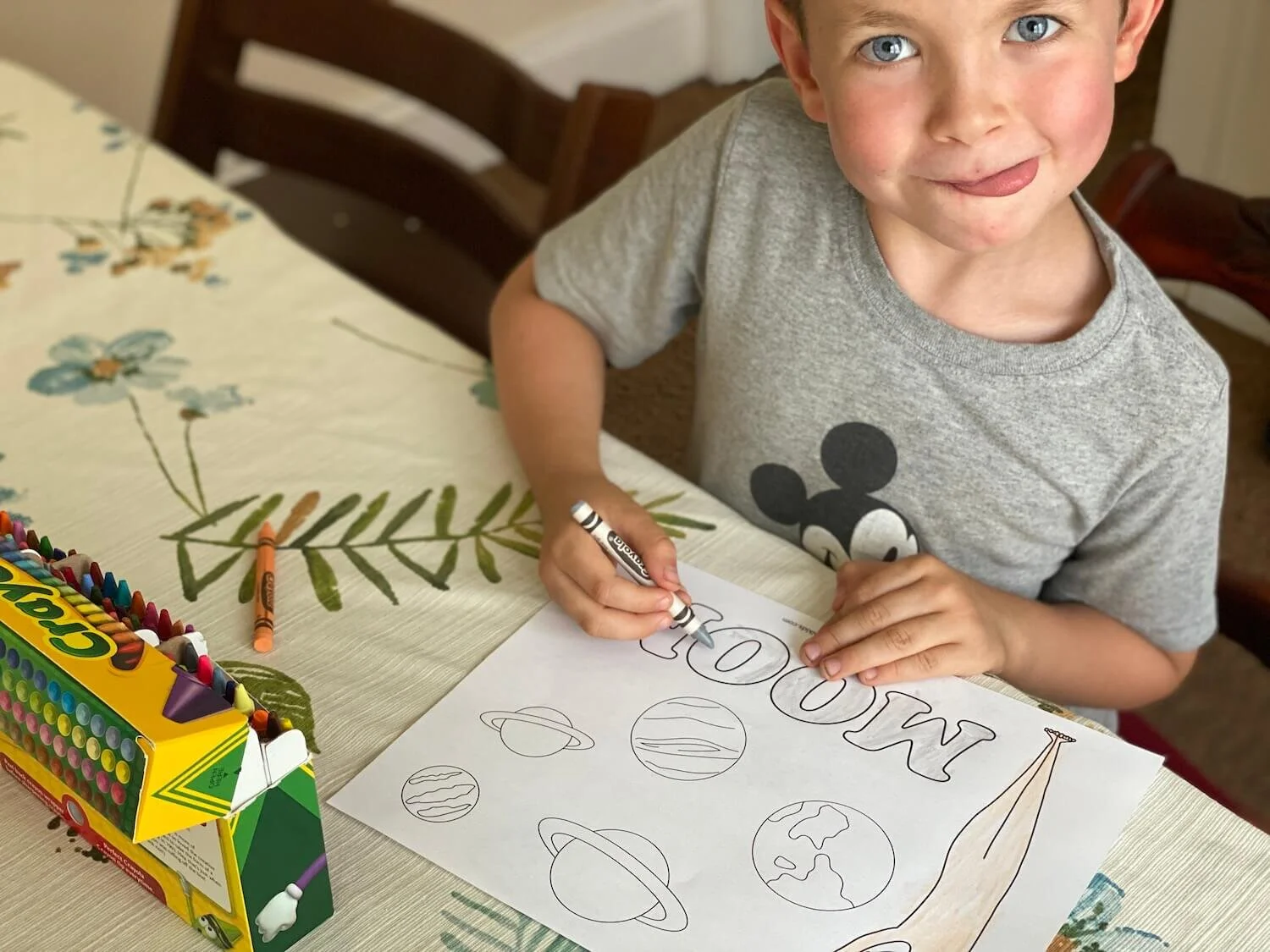
Benefits of Coloring Pages for Preschoolers:
* Enhances Fine Motor Skills: Gripping crayons and coloring within the lines strengthens the small muscles in the hands and fingers, preparing children for writing and other essential tasks.- Promotes Creativity and Self-Expression: Coloring provides a blank canvas for children to unleash their imagination and express their unique perspectives.
- Develops Hand-Eye Coordination: Coordinating hand movements with visual cues improves hand-eye coordination, a crucial skill for various activities.
- Improves Focus and Concentration: Engaging in coloring activities requires focus and concentration, helping children develop these essential skills.
- Reduces Stress and Anxiety: Coloring can be a calming and relaxing activity, helping children manage stress and anxiety.
- Tell Stories and Create Narratives: Encourage children to create stories and narratives based on the coloring pages. Ask them questions about the characters, setting, and plot.
- Promote Problem-Solving Skills: Choose coloring pages with hidden objects or patterns that require children to solve puzzles and challenges.
- Number Recognition Games: Introduce numbers and counting skills through fun and interactive games.
- Shape Sorting Activities: Teach children about different shapes and their properties through sorting and matching activities.
- Color Matching Exercises: Reinforce color recognition skills with color matching exercises.
- Puzzle Printables: Develop problem-solving skills with simple puzzles and mazes.
- Create Activity Binders: Organize printables into activity binders for easy access and storage.
- Adapt to Different Learning Styles: Modify printables to suit different learning styles. For example, use tactile materials for kinesthetic learners.
- Incorporate into Daily Routines: Integrate printables into daily routines, such as morning work or quiet time activities.
- Letter Matching Games: Play letter matching games using flashcards or magnetic letters.
- Sensory Letter Activities: Create sensory letter activities using materials like sand, playdough, or shaving cream.
- Alphabet Books: Read alphabet books together, pointing out the letters and their corresponding sounds.
- Letter Scavenger Hunts: Organize letter scavenger hunts around the house or classroom.
- Incorporate Movement and Play: Incorporate movement and play into ABC activities to keep children engaged and motivated.
- Connect Letters to Real-Life Objects: Connect letters to real-life objects and experiences to make learning more meaningful.
- Celebrate Successes: Celebrate successes and milestones to encourage children's progress.
- Use Visual Aids: Use visual aids such as flashcards, posters, and alphabet charts to reinforce letter recognition.
- Focus on Letter Sounds: Emphasize the sounds that letters make, helping children connect letters to their corresponding sounds.
- Provide Ample Practice Opportunities: Provide ample practice opportunities through games, activities, and worksheets.
- Make it Fun and Engaging: Make letter recognition fun and engaging through games, songs, and activities.
- Alphabet Puzzles: Play alphabet puzzles to reinforce letter recognition skills.
- Letter Tracing Worksheets: Use letter tracing worksheets to practice writing letters.
- Alphabet Books: Read alphabet books together, pointing out the letters and their corresponding sounds.
- Music and Movement: Encourage children to explore music and movement through singing, dancing, and playing instruments.
- Dramatic Play: Provide opportunities for dramatic play, allowing children to role-play and create their own stories.
- Building and Construction: Encourage building and construction activities using blocks, LEGOs, and other materials.
- Storytelling and Creative Writing: Encourage storytelling and creative writing through prompts and open-ended activities.
- Boosts Self-Esteem and Confidence: Creative expression allows children to showcase their talents and build self-esteem.
- Develops Communication Skills: Creative activities often involve collaboration and communication, helping children develop these essential skills.
- Promotes Critical Thinking: Creative education encourages children to analyze, evaluate, and synthesize information.
- Fosters Innovation and Entrepreneurship: By nurturing creativity, we prepare children to become innovators and entrepreneurs.
- Link to a blog post about fine motor skill activities for preschoolers using the anchor text "fine motor skills."
- Link to a page with printable alphabet tracing worksheets using the anchor text "alphabet tracing worksheets."
- Link to a section on your website about creative art projects for kids using the anchor text "creative art projects."
- Link to a reputable website offering free printable coloring pages, such as Crayola, using the anchor text "free printable coloring pages."
- Link to a trusted educational resource on early literacy development, such as Reading Rockets, using the anchor text "early literacy development."
- Link to a website with information on the benefits of creative education, such as the National Art Education Association, using the anchor text "benefits of creative education."

Finding the Perfect Coloring Pages:
Numerous websites and resources offer a wide variety of free and printable coloring pages suitable for preschoolers. Look for age-appropriate designs featuring familiar objects, animals, and characters that resonate with young children. Consider themes that align with their interests, such as nature, transportation, or fairy tales.
Maximizing the Learning Potential of Coloring Pages:
* Introduce Colors and Vocabulary: Use coloring pages as an opportunity to introduce new colors and vocabulary words. Encourage children to name the colors they are using and describe the objects they are coloring.
Printables: A Versatile Resource for Preschool Learning
Printables are another fantastic resource for preschool learning, offering a wide range of activities that can be easily customized to suit individual needs and learning styles. From alphabet tracing worksheets to number recognition games, printables provide endless opportunities for engaging and educational fun.Types of Printables for Preschoolers:
* Alphabet Tracing Worksheets: Help children learn to write letters by tracing dotted lines.Utilizing Printables Effectively:
* Laminate for Durability: Laminating printables makes them more durable and reusable, allowing for repeated use with dry-erase markers.ABC Activities: Laying the Foundation for Literacy
ABC activities are essential for developing early literacy skills in preschoolers. These activities focus on letter recognition, phonics, and pre-writing skills, laying the foundation for reading and writing success.Engaging ABC Activities for Preschoolers:
* Alphabet Songs and Chants: Sing alphabet songs and chants to help children memorize the letters and their sounds.Making ABC Learning Fun and Interactive:
* Use Multi-Sensory Approaches: Engage multiple senses through tactile, auditory, and visual activities.Letter Recognition: A Key Component of Early Literacy
Letter recognition is a crucial skill for preschoolers, as it forms the basis for reading and writing. The ability to identify and differentiate letters is essential for decoding words and comprehending text.Effective Strategies for Teaching Letter Recognition:
* Introduce Letters Gradually: Introduce letters gradually, starting with the most common and easily recognizable ones.Resources for Letter Recognition:
* Alphabet Flashcards: Use alphabet flashcards to practice letter recognition.Creative Education: Fostering Innovation and Critical Thinking
Creative education is an essential aspect of preschool learning, fostering innovation, critical thinking, and problem-solving skills. By providing opportunities for creative expression, we empower children to think outside the box, explore new ideas, and develop their unique talents.Activities that Promote Creative Education:
* Art Projects: Engage in art projects such as painting, drawing, sculpting, and collage.Benefits of Creative Education:
* Enhances Problem-Solving Skills: Creative activities encourage children to think outside the box and find innovative solutions to problems.Integrating Keywords Naturally
Throughout this article, we've seamlessly integrated keywords such as "coloring page and printables," "preschool learning," "ABC activities," "letter recognition," and "creative education" to enhance SEO and ensure that our content reaches the right audience. By using these keywords naturally and strategically, we've optimized the article for search engines while maintaining readability and providing valuable information to our readers.Conclusion: Empowering Preschoolers Through Playful Learning
Coloring pages, printables, ABC activities, letter recognition exercises, and creative education tools are invaluable resources for supporting preschool learning. By incorporating these activities into daily routines, parents and educators can create engaging and effective learning experiences that foster creativity, enhance fine motor skills, and promote cognitive development. Let's empower preschoolers to embark on a lifelong journey of learning and discovery through the power of playful education!Key Takeaway: Embrace the power of play and creativity to unlock your preschooler's full potential!
Call to Action: Explore the resources mentioned in this article and start incorporating them into your preschooler's learning journey today. Download free coloring pages and printables, sing alphabet songs, and engage in creative art projects. Together, we can create a world of joyful learning for our little ones!
Internal Linking Suggestions:
External Linking Suggestions:


0 Comments