
Discovering Animal Habitats: A Kid's Guide to Homes in Nature
Have you ever wondered where animals live and why they choose those specific places? Just like we have homes that suit our needs, animals have special places called habitats that provide everything they need to survive and thrive. From the tallest trees in the rainforest to the deepest parts of the ocean, animal habitats are diverse and fascinating. This guide will take you on an exciting journey to explore the different types of animal habitats around the world, teaching you about the amazing creatures that live there and why these environments are so important. Get ready to discover the wonders of nature and the incredible homes animals build and find!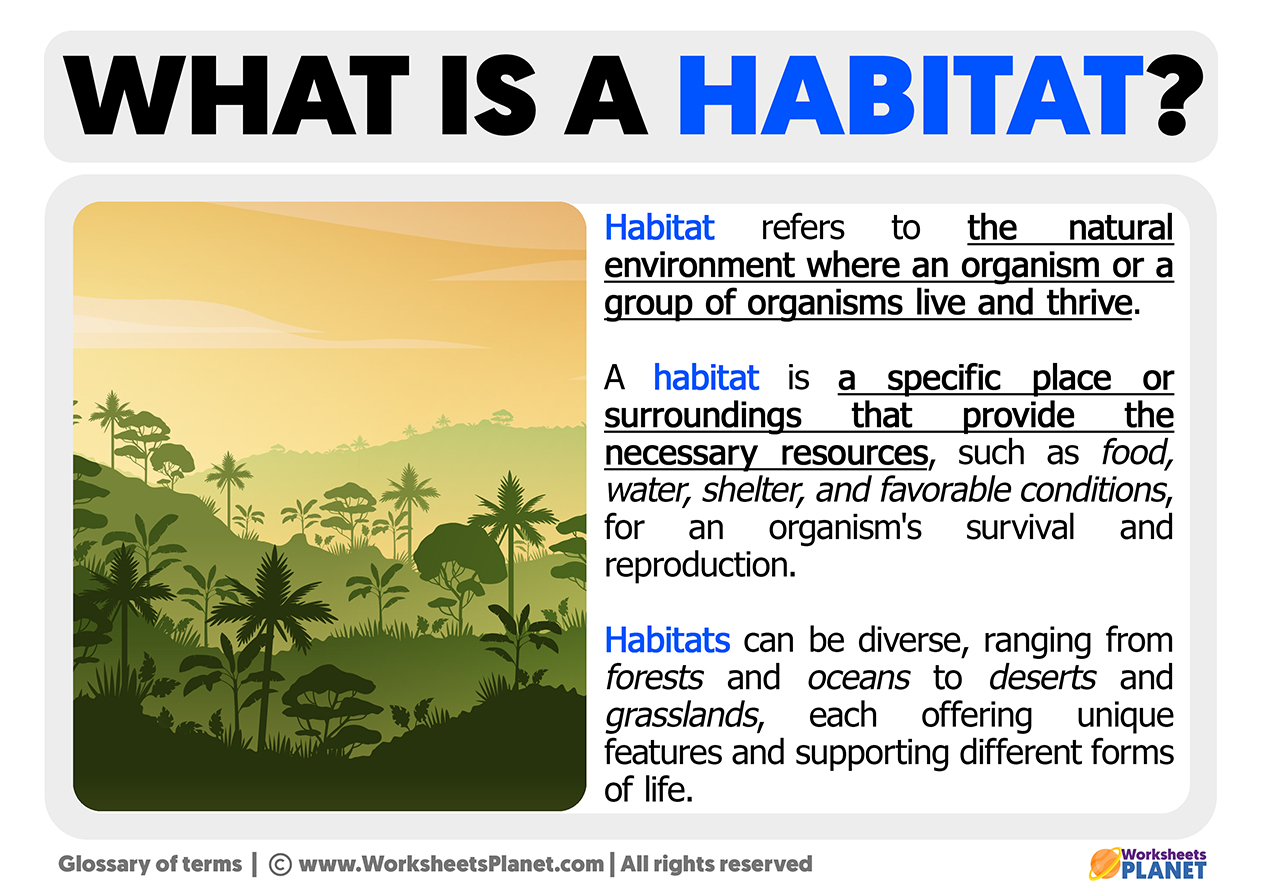
What is a Habitat?
A habitat is like an animal's home. But it's not just a house; it's the natural environment where an animal lives and finds everything it needs to survive. Think of it as a complete package that includes food, water, shelter, and a safe place to raise a family. Habitats can be as big as a forest or as small as a puddle, and they come in many different forms all over the world. Understanding habitats helps us appreciate how animals adapt to their surroundings and why it's crucial to protect these special places.
Key Components of a Habitat
A habitat isn't just a place; it's a combination of different elements that make it suitable for an animal to live there. Let's break down the essential components:- Food: Every animal needs food to survive. A habitat provides the right kind of food that an animal can eat, whether it's plants, other animals, or a combination of both.
- Water: Water is essential for all living things. Habitats must have a reliable source of water, like a river, lake, or even moisture from plants.
- Shelter: Animals need shelter to protect themselves from the weather and predators. This can be anything from a cozy burrow to a dense forest canopy.
- Space: Each animal needs enough space to find food, water, and shelter without too much competition. The amount of space an animal needs depends on its size and habits.
- Rainforests: These are warm, wet forests with lots of rain and plant life. They are home to colorful birds, monkeys, frogs, and insects. For example, the Amazon rainforest is home to jaguars, toucans, and poison dart frogs.
- Temperate Forests: These forests have four distinct seasons: spring, summer, autumn, and winter. Animals like deer, bears, and owls live in temperate forests.
- Boreal Forests (Taiga): These are cold, northern forests with evergreen trees. Animals like moose, wolves, and lynx live in boreal forests.
- Savannas: These are warm grasslands with scattered trees. They are home to animals like zebras, giraffes, lions, and elephants. The African savanna is a famous example.
- Temperate Grasslands: These grasslands have hot summers and cold winters. Animals like bison, prairie dogs, and coyotes live in temperate grasslands.
- Hot Deserts: These deserts have high temperatures during the day and cool temperatures at night. Animals like camels, lizards, and scorpions live in hot deserts. The Sahara Desert is one of the largest hot deserts in the world.
- Cold Deserts: These deserts have cold winters and hot summers. Animals like camels, lizards, and scorpions live in hot deserts. The Gobi Desert is an example of a cold desert.
- Oceans: These are large bodies of saltwater that cover most of the Earth. Oceans are home to a wide variety of animals, including fish, whales, dolphins, and sea turtles.
- Freshwater Habitats: These include rivers, lakes, and ponds. Freshwater habitats are home to animals like fish, frogs, turtles, and beavers.
- Arctic: This is the region around the North Pole. Animals like polar bears, seals, and arctic foxes live in the Arctic.
- Antarctic: This is the region around the South Pole. Animals like penguins, seals, and whales live in the Antarctic.
- Thick Fur: Animals that live in cold climates, like polar bears, have thick fur to keep them warm.
- Sharp Claws: Predators like lions have sharp claws to help them catch and kill prey.
- Long Necks: Giraffes have long necks to reach leaves high up in trees.
- Hibernation: Some animals sleep through the winter to conserve energy when food is scarce. Bears hibernate during the winter months.
- Nocturnal Behavior: Some animals are active at night and sleep during the day to avoid the heat or predators. Owls are nocturnal hunters.
- Hunting Strategies: Predators have different ways of hunting, such as stalking, ambushing, or hunting in groups. Lions often hunt in groups to take down large prey.
- Link to another article on your site about "Endangered Species" when discussing threats to animal habitats. Anchor text: "Endangered Species"
- Link to a blog post about "Sustainable Living Tips" when discussing ways to reduce your carbon footprint. Anchor text: "Sustainable Living Tips"
- If you have content on specific animals mentioned (e.g., lions, polar bears), link to those pages. Anchor text: "Lions," "Polar Bears"
- Link to the World Wildlife Fund (WWF) website when mentioning conservation organizations. Attribute: rel="noopener nofollow"
- Link to The Nature Conservancy website when discussing habitat protection efforts. Attribute: rel="noopener nofollow"
- Link to a reputable scientific source (e.g., National Geographic, BBC Earth) when discussing climate change and its impact on habitats. Attribute: rel="noopener nofollow"
- Include social sharing buttons (Facebook, Twitter, Pinterest) at the beginning and end of the article.
- Suggest social media copy: "Discover the amazing world of animal habitats! Learn about the homes of lions, polar bears, and more. #AnimalHabitats #Conservation #KidsEducation"

Why are Habitats Important?
Habitats are vital because they provide the resources animals need to survive. Without a suitable habitat, an animal cannot find food, water, shelter, or a mate, which means it cannot live and reproduce. When habitats are destroyed or damaged, animals are forced to move or face extinction. Protecting habitats is crucial for maintaining the balance of nature and ensuring that all creatures have a place to call home.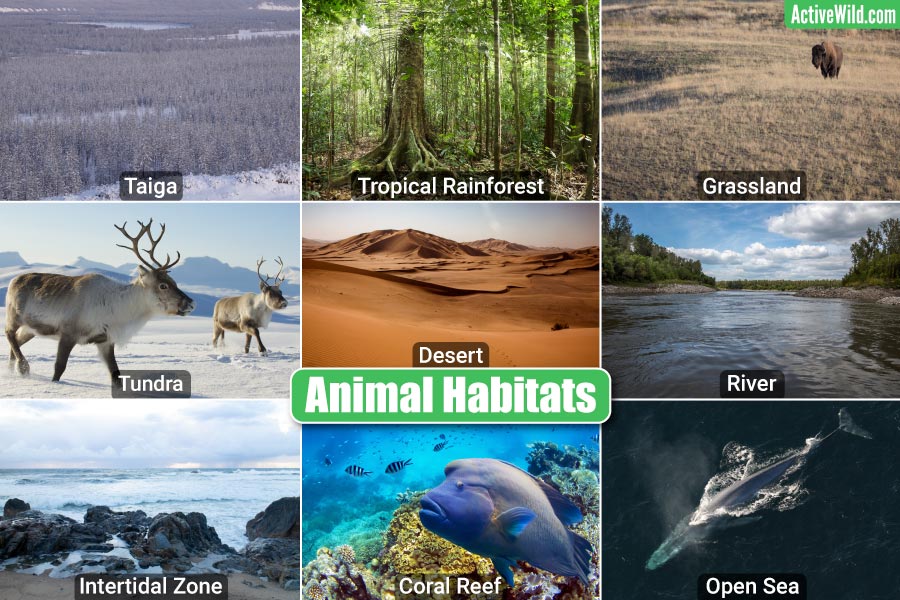
Types of Animal Habitats
Animal habitats come in a wide variety of shapes and sizes, each with its own unique characteristics. Here are some of the major types of habitats found around the world:
Forests: The Green Homes
Forests are large areas covered with trees and plants. They provide food, shelter, and protection for many different animals. Forests can be divided into several types, including:Grasslands: Open and Windy
Grasslands are large, open areas covered with grasses and few trees. They are home to grazing animals and predators. Here are a couple of types of grasslands:Deserts: Hot and Dry
Deserts are dry, hot areas with little rainfall. Animals that live in deserts have special adaptations to survive in these harsh conditions.Aquatic Habitats: Water Worlds
Aquatic habitats are bodies of water where animals live. These habitats can be divided into:Polar Regions: Icy Landscapes
Polar regions are cold, icy areas near the North and South Poles. Animals that live in polar regions have special adaptations to survive in freezing temperatures.Animals and Their Habitats: Examples
Let's look at some specific animals and the habitats they call home:The Lion: King of the Savanna
Lions live in the African savanna, a vast grassland with scattered trees and shrubs. This habitat provides them with plenty of prey, such as zebras and wildebeests, as well as open spaces for hunting. Lions also find shelter in the shade of trees and rocky outcrops. The savanna’s climate is warm and dry, which lions are well-adapted to, with their tawny coats helping them blend into the surroundings.The Polar Bear: Master of the Arctic
Polar bears are perfectly suited to the icy landscapes of the Arctic. Their thick fur and layer of blubber keep them warm in freezing temperatures, and their strong paws and sharp claws help them navigate the ice and hunt for seals. The Arctic provides polar bears with a stable platform of ice to hunt from, as well as access to the marine life they depend on for food.The Poison Dart Frog: Jewel of the Rainforest
Poison dart frogs inhabit the lush rainforests of Central and South America. These vibrant amphibians thrive in the warm, humid environment, which provides them with plenty of insects to eat and moist places to lay their eggs. The rainforest's dense vegetation offers protection from predators, and the bright colors of the poison dart frog serve as a warning to potential attackers.The Camel: Survivor of the Desert
Camels are well-adapted to survive in the harsh conditions of the desert. Their humps store fat, which can be converted into energy and water, allowing them to go for long periods without drinking. Camels also have thick eyelashes and nostrils that can close to protect them from sandstorms. The desert's sparse vegetation provides camels with enough food to survive, and their ability to tolerate extreme temperatures makes them perfectly suited to this arid environment.How Animals Adapt to Their Habitats
Animals have developed amazing adaptations to survive in their specific habitats. These adaptations can be physical, like the shape of their bodies, or behavioral, like the way they hunt for food.Physical Adaptations
* Camouflage: Some animals have colors or patterns that help them blend into their surroundings. For example, a chameleon can change its color to match the leaves or branches it's on.Behavioral Adaptations
* Migration: Some animals move to different habitats during certain times of the year to find food or escape harsh weather. Birds often migrate south for the winter.Threats to Animal Habitats
Unfortunately, many animal habitats are under threat from human activities. When habitats are destroyed or damaged, animals lose their homes and may not be able to survive. Here are some of the main threats to animal habitats:Deforestation
Deforestation is the clearing of forests for timber, agriculture, or development. When forests are cut down, animals lose their homes, food sources, and shelter. Deforestation also contributes to climate change, which can further harm animal habitats. For instance, the destruction of rainforests in the Amazon threatens countless species.Pollution
Pollution is the contamination of air, water, and land with harmful substances. Pollution can poison animals, damage their habitats, and disrupt the food chain. Plastic pollution in the ocean is a major threat to marine life.Climate Change
Climate change is the long-term change in Earth's climate patterns, primarily caused by human activities. Climate change can lead to rising temperatures, changes in rainfall patterns, and more frequent extreme weather events, all of which can harm animal habitats. For example, melting sea ice in the Arctic threatens the habitat of polar bears.Habitat Fragmentation
Habitat fragmentation is the breaking up of large habitats into smaller, isolated patches. This can make it difficult for animals to find food, water, and mates, and can also increase their risk of extinction. Building roads and cities can cause habitat fragmentation.How to Protect Animal Habitats
Protecting animal habitats is essential for the survival of many species. Here are some things you can do to help:Reduce, Reuse, Recycle
Reducing waste, reusing items, and recycling materials can help conserve resources and reduce pollution. This can help protect animal habitats by reducing the need for deforestation and mining.Support Conservation Organizations
Many organizations are working to protect animal habitats around the world. You can support these organizations by donating money, volunteering your time, or spreading awareness about their work. Some well-known conservation organizations include the World Wildlife Fund (WWF) and The Nature Conservancy.Plant Trees
Planting trees can help restore forests and provide habitat for animals. Trees also help absorb carbon dioxide from the atmosphere, which can help combat climate change.Educate Others
Educating your friends, family, and community about the importance of protecting animal habitats can help raise awareness and inspire action. Share what you've learned about different habitats and the animals that live there, and encourage others to get involved in conservation efforts.Reduce Your Carbon Footprint
Reducing your carbon footprint can help combat climate change and protect animal habitats. You can do this by using less energy, driving less, and eating locally sourced food. Simple changes like turning off lights when you leave a room and using public transportation can make a big difference.Fun Activities to Learn About Habitats
Learning about animal habitats can be fun and engaging! Here are some activities you can try:Habitat Dioramas
Create a diorama of your favorite animal habitat using a shoebox, construction paper, and other craft supplies. You can include models of the animals that live in that habitat and label the different components, such as food, water, and shelter.Nature Walks
Take a walk in a local park or nature reserve and observe the different habitats around you. Look for signs of animals, such as tracks, nests, or droppings, and try to identify the plants and animals you see.Animal Research Projects
Choose an animal and research its habitat, adaptations, and threats. You can create a presentation, write a report, or make a poster to share what you've learned with others.Virtual Field Trips
Take a virtual field trip to a national park or wildlife sanctuary. Many organizations offer online tours and educational programs that allow you to explore different habitats from the comfort of your own home.Books and Documentaries
Read books and watch documentaries about animal habitats. These resources can provide you with in-depth information and stunning visuals that will help you learn more about the natural world.Conclusion: Protecting Our Planet's Homes
Animal habitats are essential for the survival of all creatures, including us. By understanding the different types of habitats, how animals adapt to them, and the threats they face, we can all play a part in protecting these special places. Remember, every action, no matter how small, can make a difference. Whether it's reducing waste, supporting conservation organizations, or educating others, we can all contribute to creating a better future for animals and the planet. So, let's continue to explore, learn, and protect the amazing homes of animals around the world!Key Takeaway: Protecting animal habitats is crucial for maintaining the balance of nature and ensuring the survival of countless species. Every effort, big or small, contributes to a healthier planet for all.
Call to Action: Get involved today! Support a conservation organization, plant a tree, or educate your friends and family about the importance of protecting animal habitats. Together, we can make a difference!
Internal Linking Suggestions:
External Linking Suggestions:
Social Sharing Optimization:


0 Comments