
Unlock Homeschool History with Coloring Pages, Printables, and Visual Learning: A Journey Through Time!
Homeschooling offers a fantastic opportunity to bring history to life, making it engaging and memorable for your children. Ditch the dry textbooks and embrace a world of creativity with coloring pages, printables, and visual learning techniques. From famous inventors to fascinating time periods, we'll explore how these resources can transform your homeschool history curriculum into an exciting adventure. Get ready to dive into the past, one colorful page at a time!
Why Visual Learning is a Game-Changer for Homeschool History
Visual learning is more than just pretty pictures; it's a powerful tool for understanding and retaining information, especially in subjects like history. Our brains are wired to process visual information more efficiently than text alone. By incorporating visual aids, you can help your children:- Grasp abstract concepts: History is full of complex ideas and events that can be difficult for children to understand. Visuals can simplify these concepts and make them more concrete.
- Improve memory and recall: Visuals create strong mental images that are easier to remember than words alone. This can significantly improve long-term retention of historical information.
- Increase engagement and motivation: Let's face it, textbooks can be boring! Visuals add excitement and spark curiosity, making learning more enjoyable for children.
- Cater to different learning styles: Not all children learn the same way. Visual learning caters to visual learners, helping them thrive in their homeschool environment.
- Thomas Edison: Color the lightbulb and learn about his countless inventions.
- Alexander Graham Bell: Discover the story behind the telephone while coloring his portrait.
- Marie Curie: Explore the world of radioactivity and color her image with scientific symbols.
- The Wright Brothers: Take flight with the pioneers of aviation and color their famous aircraft.
- Ancient Egypt: Color the pyramids, pharaohs, and hieroglyphics to explore this ancient civilization.
- The Roman Empire: Discover the Colosseum, gladiators, and Roman emperors through coloring.
- The Middle Ages: Color knights, castles, and medieval villages to learn about this fascinating period.
- The Renaissance: Explore the art, architecture, and scientific discoveries of the Renaissance through coloring.
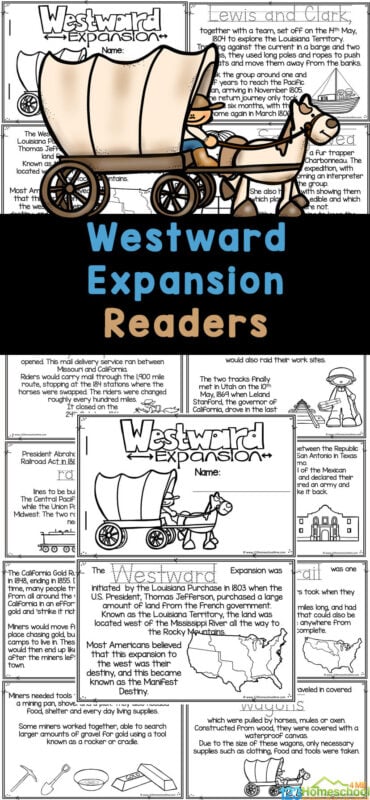
- The Wild West: Saddle up and color cowboys, saloons, and covered wagons to learn about the American frontier.
- Create a timeline of famous inventors: Plot the birth and death dates of inventors, along with the dates of their major inventions.
- Develop a timeline of a specific time period: Focus on key events, figures, and developments within a particular era, such as the American Revolution or the Industrial Revolution.
- Use different colors to represent different categories: For example, use blue for political events, green for economic developments, and red for wars.
- Label the continents and oceans on a world map: Introduce basic geography concepts and help children understand the location of different countries and regions.
- Trace the routes of explorers and traders: Follow the journeys of famous explorers like Christopher Columbus and Marco Polo on a map.
- Mark the locations of major battles and historical sites: Visualize the geographical context of important events, such as the Battle of Gettysburg or the Roman Colosseum.
- Create cards with definitions and illustrations: Include a clear definition of each term, along with a visual aid to help children remember its meaning.
- Use the cards for games and activities: Play matching games, memory games, or create a historical trivia game using the vocabulary cards.
- Encourage children to create their own cards: Have them research and define new terms they encounter in their studies.
- Biographies: Use a template to guide research on famous historical figures, including their early life, accomplishments, and impact on the world.
- Historical Events: Use a template to analyze the causes, consequences, and significance of major historical events.
- Time Periods: Use a template to explore the key characteristics, developments, and cultural aspects of different time periods.
- Reading historical fiction: Immerse children in the language, customs, and atmosphere of a particular time period through engaging stories.
- Watching documentaries and historical films: Provide visual and auditory experiences that bring history to life.
- Cooking historical recipes: Explore the food and culinary traditions of different time periods.
- Creating historical costumes and crafts: Engage children's creativity and imagination through hands-on activities.
- Visiting historical sites and museums: Provide real-world experiences that connect children to the past.
- Ancient Egypt: Learn about the pharaohs, pyramids, hieroglyphics, and the importance of the Nile River.
- Ancient Greece: Discover the myths, philosophy, democracy, and architecture of ancient Greece.
- Ancient Rome: Explore the Roman Empire, its emperors, gladiators, laws, and engineering marvels.
- Mesopotamia: Learn about the Sumerians, Babylonians, and Assyrians, and their contributions to writing, mathematics, and law.
- Explore the feudal system: Understand the social hierarchy and the relationships between lords, vassals, and peasants.
- Learn about the Crusades: Discover the religious wars between Christians and Muslims for control of the Holy Land.
- Study the construction of cathedrals: Explore the architectural marvels of the Middle Ages and the symbolism of their design.
- Read stories of knights and chivalry: Discover the code of conduct and the ideals of knighthood.
- Study the works of Renaissance artists: Learn about Leonardo da Vinci, Michelangelo, Raphael, and other famous artists.
- Discover the scientific discoveries of the Renaissance: Explore the contributions of Galileo Galilei, Nicolaus Copernicus, and other scientists.
- Read the works of Renaissance writers: Discover the writings of William Shakespeare, Niccolò Machiavelli, and other influential writers.
- Explore the architecture of the Renaissance: Learn about the architectural styles and innovations of the Renaissance.
- Trace the voyages of famous explorers: Follow the routes of Christopher Columbus, Ferdinand Magellan, and other explorers on a map.
- Learn about the impact of colonization on indigenous populations: Explore the consequences of European colonization on the native peoples of the Americas, Africa, and Asia.
- Discover the exchange of goods and ideas between Europe and the rest of the world: Learn about the Columbian Exchange and its impact on global trade and culture.
- Explore the motivations behind exploration and colonization: Understand the economic, political, and religious factors that drove European expansion.
- Create a timeline of inventions: Track the development of key inventions throughout history and their impact on society.
- Research the lives of famous inventors: Explore their backgrounds, motivations, and challenges they faced in developing their inventions.
- Conduct experiments and build models: Engage children in hands-on activities that replicate the inventions of famous inventors.
- Discuss the ethical implications of new technologies: Explore the potential benefits and risks of new inventions and their impact on society.
Key Takeaway: Visual learning transforms abstract historical concepts into concrete, memorable experiences, boosting engagement and retention.

Coloring Pages: A Creative Gateway to History
Coloring pages are a simple yet effective way to introduce historical figures, events, and time periods to children. They offer a hands-on activity that allows children to engage with the material in a creative way.
Famous Inventors Coloring Pages: Bringing Innovation to Life
Introduce your children to the brilliant minds behind the inventions that shaped our world with famous inventor coloring pages. From Thomas Edison to Marie Curie, these coloring pages can spark curiosity about their lives and inventions.Actionable Tip: Combine coloring with short biographies or videos about each inventor to create a comprehensive learning experience.

Time Period Coloring Pages: A Visual Timeline Through History
Time period coloring pages can help children visualize the sequence of historical events and understand the context of different eras.Example: After coloring a page about Ancient Egypt, discuss the significance of the Nile River, the construction of the pyramids, and the role of pharaohs in Egyptian society.
Internal Link Suggestion: For more resources on Ancient Egypt, link to another relevant article on your website using the anchor text "Ancient Egypt Homeschool Resources".
Printables: Expanding Your Homeschool History Toolkit
Printables offer a wide range of activities and resources that can enhance your homeschool history curriculum. From timelines and maps to vocabulary cards and research templates, printables can help children develop essential skills and deepen their understanding of history.Timelines: Visualizing the Flow of History
Timelines are essential for understanding the sequence of events and the relationships between different time periods. Printable timelines can be customized to fit your curriculum and allow children to visually track historical events.Key Takeaway: Timelines provide a visual framework for understanding the chronology of historical events and their interconnections.
Maps: Exploring the Geography of History
Maps are crucial for understanding the geographical context of historical events. Printable maps can help children visualize the locations of ancient civilizations, battlefields, trade routes, and other important historical sites.Example: When studying World War II, use a map to trace the movements of troops, identify key battle locations, and understand the geographical factors that influenced the outcome of the war.
External Link Suggestion: Link to a reputable online resource for historical maps, such as the Perry-Castañeda Library Map Collection at the University of Texas, using the anchor text "Historical Maps Online".
Vocabulary Cards: Building Historical Literacy
History is full of specialized vocabulary that can be challenging for children to learn. Printable vocabulary cards can help them master key terms and concepts.Actionable Tip: Regularly review vocabulary cards to reinforce learning and ensure long-term retention.
Research Templates: Guiding Historical Inquiry
Research templates can help children organize their thoughts, gather information, and write reports on historical topics. These templates provide a structured framework for conducting research and developing critical thinking skills.Example: When researching the American Revolution, use a research template to guide children in exploring the causes of the revolution, the key figures involved, the major battles fought, and the impact of the revolution on the United States and the world.
Internal Link Suggestion: Link to a blog post on your website about research skills for homeschoolers, using the anchor text "Homeschool Research Skills".
Time Periods: Bringing History to Life Through Immersion
Immerse your children in different time periods to create a more engaging and memorable learning experience. This can involve a variety of activities, such as:Ancient Civilizations: Exploring the Cradle of Humanity
Explore the ancient civilizations of Egypt, Greece, Rome, and Mesopotamia to discover the origins of human civilization.Actionable Tip: Organize a themed day dedicated to an ancient civilization, complete with costumes, food, and activities.
The Middle Ages: Knights, Castles, and Cathedrals
Journey through the Middle Ages to discover the world of knights, castles, cathedrals, and feudalism.Example: Build a model castle out of cardboard boxes or LEGOs to visualize the architecture and defensive features of medieval castles.
External Link Suggestion: Link to a website with information about medieval history, such as the Medievalists.net, using the anchor text "Medieval History Resources".
The Renaissance: A Rebirth of Art, Science, and Culture
Explore the Renaissance, a period of renewed interest in art, science, and culture following the Middle Ages.Key Takeaway: The Renaissance was a period of unprecedented creativity and innovation that transformed European society and paved the way for the modern world.
The Age of Exploration: Discovering New Worlds
Embark on a journey of discovery with the Age of Exploration, a period of European exploration and colonization of the Americas, Africa, and Asia.Internal Link Suggestion: If you have content about famous explorers, link to it using the anchor text "Age of Exploration Resources".
Integrating Famous Inventors into Your Homeschool History Curriculum
Famous inventors played a crucial role in shaping the course of history. Integrating their stories into your homeschool curriculum can help children understand the impact of innovation and technology on society.Example: After learning about the invention of the printing press by Johannes Gutenberg, discuss its impact on the spread of knowledge and the development of literacy.
Actionable Tip: Organize a science fair where children can showcase their own inventions and innovations.
Conclusion: Making History Engaging and Memorable
By incorporating coloring pages, printables, and visual learning techniques into your homeschool history curriculum, you can transform learning from a chore into an exciting adventure. From famous inventors to fascinating time periods, these resources can help children develop a deeper understanding and appreciation of history. So, grab your coloring pencils, print out some maps, and get ready to embark on a journey through time!Call to Action: Download our free set of famous inventor coloring pages and start your homeschool history adventure today! Sign up for our newsletter to receive exclusive access to more homeschool resources and tips.


0 Comments