
Mastering the Art of French Macarons: A Comprehensive Guide for Beginners
Embarking on the journey of French macaron making can feel like entering a realm of delicate artistry and precise science. These colorful, almond-based confections are renowned for their smooth, meringue-like shells and delectable fillings. While they may seem intimidating at first, with the right guidance and a dash of patience, anyone can master the art of creating these delightful treats. This guide will walk you through every step, from understanding the essential ingredients to troubleshooting common issues, ensuring your macaron-making experience is both educational and enjoyable.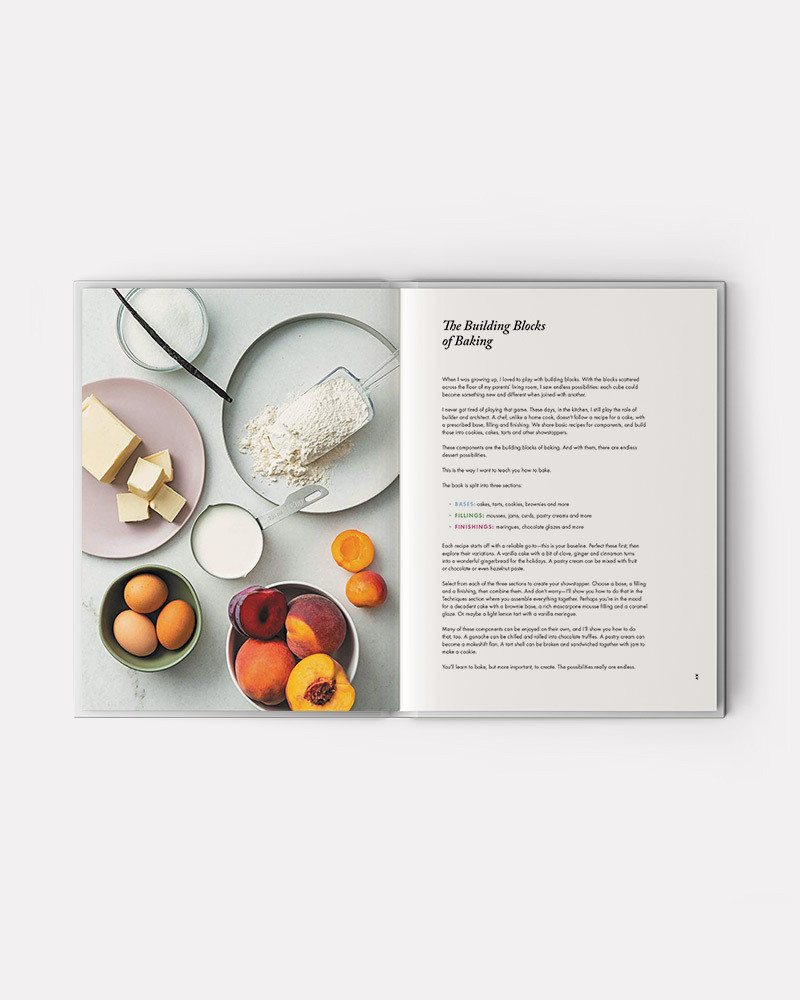
Understanding the Essential Ingredients: The Building Blocks of Macarons
The magic of French macarons lies in the quality and balance of its core ingredients. Let’s break down each component and understand its role in creating the perfect macaron.
Almond Flour: The Heart of the Macaron
Almond flour forms the foundation of the macaron shell, providing its signature nutty flavor and delicate texture.- Selection: Opt for finely ground, blanched almond flour. This ensures a smooth batter and prevents grainy shells.
- Preparation: Sifting the almond flour is crucial to remove any clumps or larger particles. This step contributes to a consistent and even macaron surface.
- Composition: Powdered sugar is granulated sugar that has been ground into a fine powder and mixed with a small amount of cornstarch to prevent clumping.
- Sifting: Similar to almond flour, sifting powdered sugar is essential for a smooth macaron batter.
- Aging: Using aged egg whites (separated and stored in the refrigerator for 24-72 hours) is a common practice. Aging reduces the moisture content, leading to a more stable meringue.
- Temperature: Room temperature egg whites whip up more easily and create a greater volume.
- Pasteurization: Pasteurized egg whites can be used, but they may require a slightly longer whipping time.
- Gradual Addition: Adding the sugar gradually, while whipping, ensures that it dissolves properly and integrates evenly into the meringue.
- Fine Granulation: Using a finer granulated sugar can help it dissolve more readily.
- Gel Food Coloring: Gel food coloring is highly recommended over liquid food coloring. It provides intense color without adding excess liquid to the batter, which can affect the consistency.
- Color Intensity: Remember that the color will deepen as the macarons rest, so start with a smaller amount than you think you need.
- Weigh the Mixture: Accurately weigh the combined almond flour and powdered sugar. This ensures the correct ratio of dry to wet ingredients.
- Start Whipping: Begin whipping the egg whites on medium speed until soft peaks form.
- Gradually Add Sugar: Gradually add the granulated sugar, one tablespoon at a time, while continuing to whip.
- Whip to Stiff Peaks: Increase the speed to high and whip until stiff, glossy peaks form. The meringue should be firm enough to hold its shape.
- Add Food Coloring (Optional): If using gel food coloring, add it towards the end of the whipping process, a small drop at a time, until you achieve your desired color.
- Add Dry Ingredients to Meringue: Add the sifted almond flour and powdered sugar mixture to the meringue.
- The First Fold: Use a spatula to gently fold the dry ingredients into the meringue. Cut down through the center of the mixture, scrape along the bottom of the bowl, and fold the batter over itself.
- Continue Folding: Continue folding gently, scraping the sides and bottom of the bowl, until the batter reaches the correct consistency.
- The Ribbon Test: The batter is ready when it flows slowly and smoothly off the spatula in a thick ribbon, and the ribbon slowly disappears back into the batter within 20-30 seconds. It should have a lava-like consistency.
- Over-mixing: Over-mixed batter will be too thin and runny, resulting in flat, spread-out macarons.
- Under-mixing: Under-mixed batter will be too stiff and lumpy, resulting in cracked shells.
- Fill Piping Bag: Fill the piping bag with the macaron batter.
- Pipe onto Baking Sheet: Line a baking sheet with parchment paper or a silicone mat. Pipe consistent, round circles, about 1.5 inches in diameter, onto the prepared baking sheet, leaving some space between each macaron.
- Tapping the Baking Sheet: Gently tap the baking sheet firmly on the counter several times. This releases any trapped air bubbles in the batter and helps create a smooth surface.
- Resting Time: Let the piped macarons rest at room temperature for 30-60 minutes, or until a skin forms on the surface. You should be able to gently touch the surface of a macaron without any batter sticking to your finger.
- Environmental Factors: The resting time can vary depending on the humidity in your environment. In humid conditions, it may take longer for the skin to form.
- Baking Time: Bake the macarons for 12-15 minutes, or until they have risen and formed a foot.
- Check for Doneness: Gently touch the top of a macaron. If it wiggles, it needs to bake for a few more minutes.
- Cooling: Once baked, remove the macarons from the oven and let them cool completely on the baking sheet before removing them. This prevents them from sticking or breaking.
- Prepare Filling: Prepare your chosen filling according to your recipe.
- Pipe Filling: Pipe a small amount of filling onto the flat side of one macaron shell.
- Sandwich Macarons: Gently sandwich the macaron with another shell of similar size.
- Refrigerate: Place the filled macarons in an airtight container and refrigerate for at least 24 hours before serving. This allows the flavors to meld and the shells to soften slightly.
- Classic Buttercream: A simple yet elegant choice, buttercream can be flavored with vanilla, chocolate, coffee, or any extract of your choice.
- Chocolate Ganache: Rich and decadent, chocolate ganache adds a luxurious touch to macarons. Experiment with different types of chocolate, such as dark, milk, or white.
- Fruit Jam or Curd: Tangy and refreshing, fruit jam or curd provides a delightful contrast to the sweetness of the macaron shells. Raspberry, lemon, and passion fruit are popular choices.
- Salted Caramel: A harmonious blend of sweet and salty, salted caramel is a crowd-pleasing filling that adds depth and complexity to macarons.
- Pistachio Cream: Nutty and vibrant, pistachio cream offers a unique and sophisticated flavor profile.
- Cracked Shells:
- Cause: Oven temperature too high, meringue not whipped to stiff peaks, batter not properly mixed, skin not formed before baking.
- Solution: Ensure accurate oven temperature, whip meringue to stiff peaks, properly macaronage batter, allow macarons to rest until a skin forms.
- Hollow Shells:
- Cause: Oven temperature too low, over-mixing the batter, uneven oven temperature.
- Solution: Increase oven temperature slightly, avoid over-mixing the batter, ensure even oven temperature.
- No Feet:
- Cause: Batter too wet, under-mixed batter, macarons not rested long enough, oven temperature too low.
- Solution: Use aged egg whites, properly macaronage batter, allow macarons to rest until a skin forms, increase oven temperature slightly.
- Flat Macarons:
- Cause: Over-mixed batter, too much liquid food coloring, humid environment.
- Solution: Avoid over-mixing the batter, use gel food coloring, ensure proper ventilation in your kitchen.
- Grainy Texture:
- Cause: Almond flour not finely ground, almond flour not properly sifted.
- Solution: Use finely ground almond flour, sift almond flour thoroughly.
- Use an Oven Thermometer: Oven temperatures can vary, so an oven thermometer is essential for maintaining consistent baking conditions.
- Practice Makes Perfect: Don't be discouraged if your first batch isn't perfect. Macaron making takes practice, so keep experimenting and refining your technique.
- Watch Videos: Visual aids can be incredibly helpful. Watch videos of experienced macaron makers to learn proper techniques and troubleshoot common issues.
- Join Macaron Communities: Online macaron communities are a great resource for tips, advice, and support. Connect with fellow macaron enthusiasts and share your experiences.
Powdered Sugar: Sweetness and Structure
Also known as confectioners' sugar, powdered sugar provides sweetness and helps create the structural integrity of the macaron shell.
Egg Whites: The Key to Meringue Magic
Egg whites are the binding agent and the foundation of the meringue, which gives macarons their airy texture and signature "foot."
Granulated Sugar: Stabilizing the Meringue
Granulated sugar is added to the egg whites to stabilize the meringue and create a glossy, firm structure.Food Coloring (Optional): Adding a Touch of Artistry
Food coloring allows you to personalize your macarons with a spectrum of vibrant hues.The Macaron Method: A Step-by-Step Guide
Now that we've covered the essential ingredients, let's dive into the step-by-step process of making French macarons. We'll focus on the French meringue method, which is a great starting point for beginners.Step 1: Preparing the Dry Ingredients
1. Sift the Almond Flour and Powdered Sugar: In a large bowl, sift together the almond flour and powdered sugar at least twice. This ensures a fine, even mixture, free from lumps.Step 2: Whipping the Meringue
1. Prepare the Egg Whites: In a clean, grease-free bowl, place your aged egg whites.Step 3: Macaronage: Achieving the Perfect Batter Consistency
Macaronage is the process of gently folding the dry ingredients into the meringue. This is arguably the most crucial step in macaron making, as it determines the final texture of the shells.Step 4: Piping the Macarons
1. Prepare Piping Bag: Fit a piping bag with a round piping tip (approximately 8-10mm).Step 5: Resting the Macarons: Forming the Skin
Resting the macarons is essential for developing a skin on the surface. This skin is what allows the macarons to rise evenly in the oven and form their signature "foot."Step 6: Baking the Macarons: The Moment of Truth
1. Preheat Oven: Preheat your oven to 300°F (150°C). It's crucial to use an oven thermometer to ensure accurate temperature, as oven temperatures can vary.Step 7: Filling the Macarons: Adding Flavor and Delight
1. Choose Your Filling: Select your desired filling. Popular options include buttercream, ganache, jam, or curd.Filling Ideas to Elevate Your Macarons
The filling is where you can truly unleash your creativity and personalize your macarons. Here are a few ideas to get you started:Troubleshooting Common Macaron Problems
Macaron making can be challenging, and it's common to encounter issues along the way. Here's a guide to troubleshooting some of the most frequent problems:Tips and Tricks for Macaron Success
* Invest in a Kitchen Scale: Accurate measurements are crucial for macaron success. A kitchen scale ensures precise ingredient ratios.Conclusion: Your Macaron Adventure Awaits
Making French macarons is a rewarding journey that combines precision, artistry, and a touch of magic. By understanding the essential ingredients, mastering the macaron method, and troubleshooting common issues, you can create these exquisite treats with confidence. Remember to be patient, embrace the learning process, and most importantly, have fun! With each batch, you'll refine your skills and discover the joy of creating these delicate and delicious confections. So, gather your ingredients, preheat your oven, and embark on your macaron adventure today!Key takeaway: Mastering macarons requires patience and attention to detail. Don't be afraid to experiment and learn from your mistakes.
Call to Action: Ready to start your macaron journey? Sign up for our newsletter for exclusive recipes and tips!
Internal Link Suggestion: For more baking tips and techniques, check out our article on "The Ultimate Guide to Baking Cakes" using the anchor text "baking cakes".
External Link Suggestion: Learn more about the science of macarons from this article on "The Science Behind French Macarons" using the anchor text "science of macarons".


0 Comments