
Story-Starter Coloring Page and Printables: Boost Homeschool Language Arts, Writing Inspiration, and Creative Storytelling
Introduction
Do you ever wish your homeschool language arts lessons felt more alive, playful, and deeply engaging? Story-starter coloring page and printables offer an effortless bridge between hands-on creativity and strong writing practice. In this article you'll learn how to use themed coloring pages, printable writing prompts, and storytelling activities to spark imagination, develop writing skills, and keep learners of all ages excited about language arts. Whether you teach preschoolers just learning to form letters or middle-school writers refining narrative techniques, these resources provide immediate, adaptable tools to make stories easier to begin and more fun to complete.
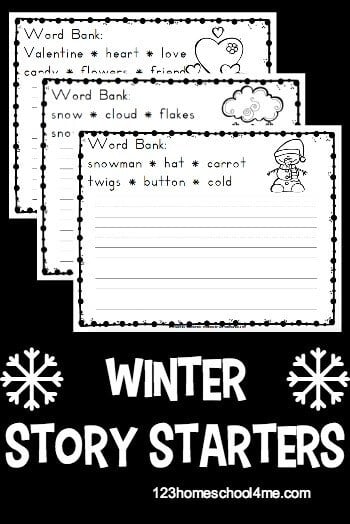
Why Story-Starters and Coloring Pages Work for Homeschool Language Arts
Combining visual stimulation with writing tasks leverages multiple learning pathways. Story-starter coloring page and printables are effective because they:
- Appeal to visual and kinesthetic learners—coloring activates fine motor skills and prepares the brain for focused writing.
- Reduce the intimidation of a blank page—illustrations give concrete hooks for description and plot development.
- Provide scaffolded prompts—printables can offer sentence starters, character traits, and setting cues to guide writers.
- Encourage divergent thinking—open-ended visuals invite different stories from different children, supporting creativity.
- Fit easily into micro-lessons—quick activities that take 10–30 minutes are perfect for homeschool schedules.
- Activity: Provide a character coloring page with labels for basic vocabulary (hat, cat, tree). Color together, then tell a short oral story using the words.
- Skills targeted: Vocabulary, sentence structure, listening comprehension.
- Time: 10–15 minutes.
- Activity: Use an illustrated scene page. Ask students to color, list sensory details, and write a 1–2 paragraph story focusing on setting and a clear beginning.
- Skills targeted: Descriptive language, sequencing, paragraph structure.
- Time: 20–40 minutes.
- Activity: Give a character portrait with trait prompts and a comic strip template. Students create a dialogue-driven scene, then expand it to a multi-paragraph short story.
- Skills targeted: Characterization, dialogue formatting, pacing.
- Time: 30–60 minutes, across two sessions.
- Activity: Use a one-sentence prompt card plus a plot diagram printable. Students color a scene, complete a plot map, write a draft, swap for peer feedback, and revise.
- Skills targeted: Plot structure, draft-revision process, peer review.
- Time: 2–3 sessions.
- Selection (5 min): Choose an illustrated scene coloring page that fits a current unit (e.g., nature unit).
- Warm-up (5–10 min): Quick sensory scavenger hunt—students list five things they see, one smell, one sound.
- Coloring & Observation (10–15 min): Color the page while thinking about a character who belongs in the scene.
- Character Brainstorm (10 min): Use a trait printable—name, age, wish, problem.
- Drafting (15–20 min): Write the story beginning and rising action using the scene as anchor.
- Mini-Lesson (10 min): Teach a focused writing skill (show vs. tell, using dialogue, transition words).
- Continuation & Revision (20–30 min): Finish the draft, then revise using a checklist or peer feedback.
- Sharing (10–15 min): Oral readings, classroom display, or a digital portfolio upload.
- “The lantern swung open and a tiny map fell out. The map showed...”
- “My pet is not what it seems. Last Tuesday, it...”
- “On the other side of the pond everyone’s shadows act differently. Write about a day there.”
- “Choose three objects from the picture. Make each one the beginning of a sentence.”
- “Write a diary entry from the main character’s point of view the morning after the big event.”
- Use of sensory details per 100 words
- Number of descriptive adjectives and strong verbs
- Plot elements included (exposition, conflict, climax, resolution)
- Revisions made after feedback
- Reading fluency for oral storytelling
- Provide fill-in-the-blank story starters and storyboards with picture cues.
- Allow oral storytelling recorded on a device and transcribed later.
- Include bilingual word banks and sentence frames.
- Pair visual prompts with audio versions and model stories.
- Offer digital coloring and typing options rather than handwriting.
- Provide speech-to-text tools for drafting.
- Printables: Great for tactile learners, portable, and perfect for display or portfolios.
- Digital: Easier revision, accessibility tools (text-to-speech), and shareability for online portfolios.
- Greater willingness to begin writing—students reported less “blank page” anxiety.
- Improved descriptive vocabulary—measured by richer word choices in weekly writing samples.
- Enhanced family engagement—stories were shared during family reading time, increasing motivation.
- 10 themed coloring pages with scene and character options
- 30 story prompt cards (mix of first sentences, objects, and conflicts)
- 5 plot diagram printables and 5 story map templates
- Vocabulary banks for common themes (mystery, adventure, fantasy, historical)
- Rubrics, revision checklists, and student progress charts
- Comic strip templates and dialogue practice sheets
- Keep coloring areas bold and simple for younger hands; add finer detail for older kids.
- Include labeled sections such as “Character Name,” “Big Problem,” and “Ending” to scaffold thinking.
- Design both horizontal and vertical formats for different uses (display vs. notebook fitting).
- Offer multiple prompt difficulty levels—starter strips for beginners, open-ended prompts for advanced writers.
- Add accessibility: large fonts, high-contrast images, and alt text for digital versions.
- Monday — Inspiration: Coloring + sensory listing. (30–45 min)
- Tuesday — Character Development: Portrait + trait prompts; short scene draft. (45 min)
- Wednesday — Mini-Lesson: Teach craft topic (dialogue, show vs. tell). Apply to draft. (30–45 min)
- Thursday — Revision & Peer Review: Use rubric and revise. (45–60 min)
- Friday — Publish & Share: Final copy, illustrate cover, oral presentation or digital upload. (30–60 min)
- Content & Creativity: Strong opening, character motivation, imaginative ideas (1–4)
- Organization & Plot: Clear structure and logical sequence (1–4)
- Language & Style: Vocabulary, sentence variety, use of sensory detail (1–4)
- Conventions: Spelling, punctuation, paragraphing (1–4)
- Family storytelling night with snacks and readings
- Homeschool co-op story exchanges or pen-pal packets
- Classroom/blog feature: “Story of the Week” with scanned coloring pages and stories
- Printable anthologies—bind student stories into a class book
- “homeschool language arts curriculum” — link to your site’s curriculum overview page
- “creative writing resources” — link to a related resources page or printable packs
- “printable worksheets” — link to a downloads page with worksheets and story map templates
- Reading Rockets — https://www.readingrockets.org (useful for early literacy strategies)
- Edutopia — https://www.edutopia.org (articles on project-based learning and creativity)
- National Council of Teachers of English (NCTE) — https://ncte.org (writing pedagogy and standards)
- Alt: “Child coloring a story-starter scene of a forest clearing”
- Alt: “Printable character portrait with trait boxes for name, fear, and dream”
- Alt: “Story map printable showing exposition, rising action, climax, and resolution”
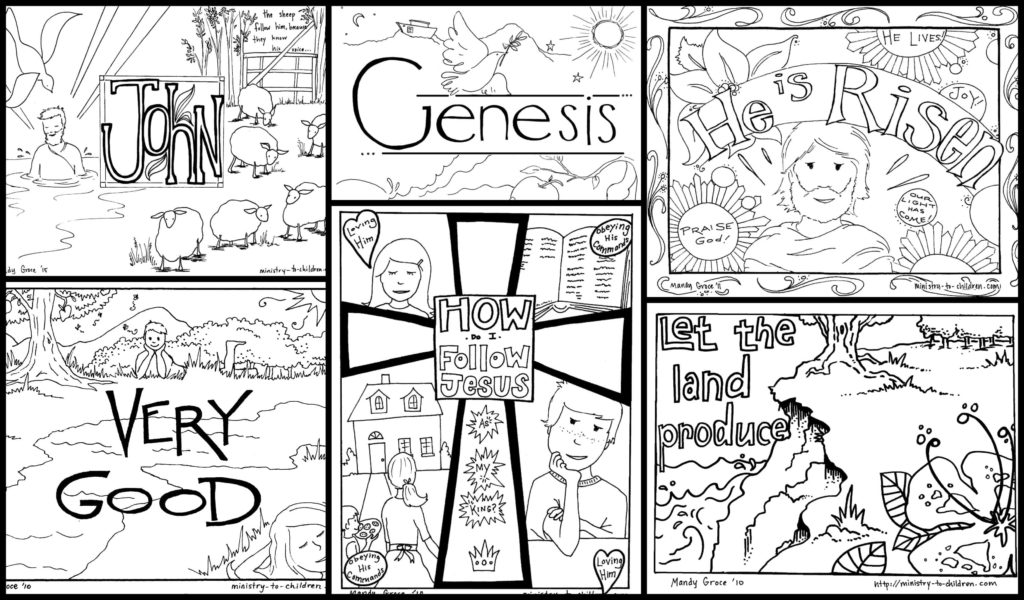
Types of Story-Starter Coloring Page and Printables for Homeschoolers
Not all printables are created equal. Below are effective categories and how each supports specific language arts goals.

1. Illustrated Scene Coloring Pages
Scenes (a bustling market, mysterious forest, or space station) supply immediate sensory detail. After coloring, students list five things they notice, describe smells/sounds, and write a short scene using those sensory cues.

2. Character Portraits with Trait Prompts
Portraits come with boxes for name, age, favorite thing, fear, and secret. These structured prompts support character development and can be used for biographies, first-person narratives, or dialogues.

3. Comic Strip Templates with Dialogue Bubbles
These encourage dialogue practice and sequence. Students can color characters, write speech in bubbles, and expand the strip into a longer story.
4. One-Sentence Prompt Cards and Dice
Small cards with single-line prompts (e.g., “A knock at midnight changed everything”) can be printed, cut, and drawn randomly. Add a die with genre choices for extra variation.
5. Story Map and Plot Diagram Printables
After initial coloring, students map exposition, rising action, climax, falling action, and resolution. This turns creative ideas into organized plot outlines.
6. Word Banks, Figurative Language Prompts, and Vocabulary Sheets
Include thematic word banks (mystery, science fiction, nature) and figurative language challenges (“use a simile”). These deepen language control and enrich descriptive writing.
How to Use Story-Starter Coloring Pages in Homeschool Language Arts Lessons
Integrate these printables strategically for maximum learning. Below are specific lesson structures for different age groups and skill levels.
Preschool — Early Literacy and Oral Storytelling
Elementary — Descriptive Writing and Simple Plots
Upper Elementary — Character Development and Dialogue
Middle School — Plot Crafting and Revision
Step-by-Step Lesson Plan: From Coloring Page to Completed Story (Elementary Example)
Printable Prompts That Spark Imagination: Examples You Can Use Today
Below are ready-to-use prompt ideas formatted for quick printables. Each item can be placed on a card, coloring page header, or worksheet.
Scaffolding Techniques: From Picture to Paragraph to Polished Story
Scaffolding helps writers move from simple ideas to sophisticated narratives. Use these techniques to structure progress.
Picture Prompts + Word Banks
Offer 10–15 thematic words and challenge students to use at least five in their draft.
Sentence Starters and Transition Strips
Include strips with starters: “Suddenly…”, “At first I thought…”, “The next thing that happened was…”. These help students manage pacing and coherence.
Mini-Lessons Focused on Craft
After the first draft, teach a 10–15 minute mini-lesson on a single craft point (strong verb choices, sensory details, dialogue punctuation). Then apply the lesson directly to revision.
Peer Review with Clear Rubrics
Use simple checklists: Is there a clear beginning? Does the character want something? Is there a problem and resolution? This encourages constructive feedback and critical thinking.
Assessment and Tracking Progress with Printables
Use printable rubrics and goal trackers to monitor language arts skills over time. Consider tracking these metrics:
Printable progress charts—weekly writing logs, “I can” statements, and badges for milestones—motivate students and provide data for homeschool records.
Adaptations for Diverse Learners and Special Needs
Story-starter coloring page and printables are highly adaptable. Use the following modifications for learners with different needs:
For Emerging Writers
For English Language Learners (ELLs)
For Students with Fine Motor Challenges
Digital vs. Print: Choosing the Right Format
Both digital and printed story-starters have unique advantages:
Tip: Use a hybrid model. Start with a printed coloring page to spark imagination, then move to a digital document for drafting and revision.
Case Study: How One Homeschool Family Uses Story-Starters to Transform Writing
Case study: The Rivera family (grades 2, 5, and 8) incorporated weekly story-starter coloring page sessions into their language arts block. They followed a consistent routine: choose a theme day (mystery, nature, sci-fi), color for 10–15 minutes, and then spend 30–45 minutes drafting. Younger children focused on oral storytelling and short paragraphs; older children used the same prompts to practice dialogue and plot diagrams.
Outcomes observed over a semester:
Printable Resource Pack Checklist for Teachers and Homeschoolers
Create a printable resource pack to keep lessons organized. Recommended items:
Practical Tips for Designing Your Own Story-Starter Printables
If you prefer to make custom printables, follow these design tips:
Sample Weekly Plan Integrating Story-Starters into a Homeschool Language Arts Year
Below is a five-day micro-plan adaptable to different grade levels.
Assessment Ideas and Rubrics
Use simple, rubric-based assessments that focus on key skills rather than penalizing creativity. Example rubric categories:
Provide personalized feedback that highlights strengths and suggests one targeted revision goal.
Ideas for Sharing and Celebrating Student Work
Showing stories increases motivation. Use these sharing ideas:
Suggested Internal and External Links for Publication
Internal link suggestions (anchor text recommendations):
External authoritative links to add credibility:
Image and Accessibility Recommendations
Include images of printable examples and sample finished student pages. Suggested image alt text:
Ensure images are compressed for mobile performance and include captions to draw readers’ attention.
Schema Markup Recommendation
Use Article schema (JSON-LD) with properties: headline, description, author, datePublished, mainEntityOfPage, and keywords (e.g., story-starter coloring page, homeschool language arts, writing inspiration). This improves search visibility and helps featured snippets.
FAQs: Quick Answers for Busy Homeschoolers
What age groups benefit most from story-starter coloring pages?
All ages—tailor prompt complexity. Preschoolers benefit from oral storytelling while middle-schoolers use plot diagrams and revision rubrics.
How often should I use printable story-starters?
Weekly sessions work well. For maximum growth, integrate shorter daily prompts and a longer weekly draft-and-revise session.
Can I create my own printables without design experience?
Yes. Start with simple templates in word processors or free design tools (Canva) and focus on clear prompts and bold line art.
Are there copyright concerns with using or selling printables?
Use original artwork or properly licensed images. If you create printables using public domain or purchased commercial-use graphics, retain licensing records.
Call to Action
Ready to bring story-starter coloring page and printables into your homeschool language arts routine? Download a free starter pack with 5 scene coloring pages, 10 prompt cards, and a plot diagram template to try this week. Sign up for our newsletter to get fresh printable prompts and mini-lesson ideas delivered each month.
Conclusion
Story-starter coloring page and printables are simple, low-prep tools that create big returns in homeschool language arts. They lower


0 Comments