
Coloring Page and Printables for Preschool Learning: Fun ABC Activities to Boost Letter Recognition and Creative Education
Introduction
Coloring pages and printables are powerful, low-cost tools that make preschool learning joyful and effective. For parents, preschool teachers, and caregivers, thoughtfully designed alphabet activities support early literacy by combining play, creativity, and repetition. In this article you’ll learn why coloring pages and printables are ideal for preschoolers, which ABC activities most effectively promote letter recognition, and how to build a creative-education plan using ready-to-print resources. You’ll find step-by-step activity ideas, lesson outlines, assessment tips, printable templates to create or request, and practical classroom and at-home adaptations. Whether you’re introducing A–Z for the first time or reinforcing letter learning, these strategies help children internalize the alphabet while developing fine motor skills, phonemic awareness, and confidence.
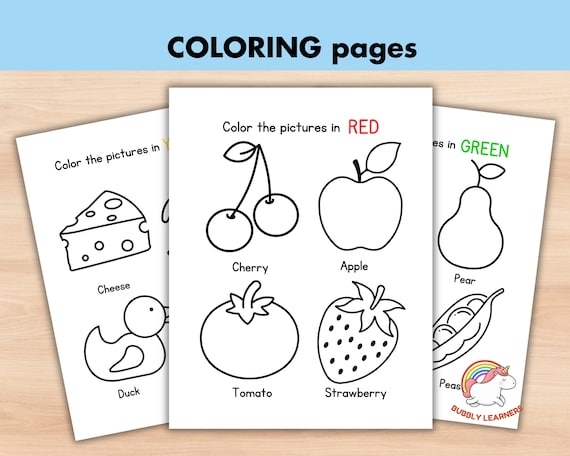
Why Coloring Pages and Printables Work for Preschool Learning

Combination of multisensory learning and repetition
Preschoolers learn best when multiple senses are involved. Coloring pages engage visual and tactile senses while printables can incorporate tracing, cutting, and matching—promoting retention. Repetition through varied printable formats (worksheets, flashcards, matching mats) reinforces recognition of letter shapes and sounds.

Supports fine motor development
Coloring, tracing, and cutting build the small-hand coordination needed for writing letters. Early practice with crayons, markers, and child-safe scissors strengthens pencil grip and control.

Accessible and scalable
Printable ABC activities are low-cost, instantly available, and easy to scale from one-on-one to whole-class use. They adapt to different skill levels, allowing differentiation and targeted practice.

Core ABC Activities: Structured Printables for Letter Recognition
Below are practical, teacher-tested printable activities organized by learning goals: recognizing letter shapes, matching letters to sounds, and independent letter production.
Letter Tracing Sheets (Recognize & Write)
- Design: Large uppercase and lowercase letters with directional arrows and dotted tracing lines.
- How to use: Start with guided tracing, then gradual release—child traces independently and finally writes freehand on lined practice space.
- Variations: Add picture icons (A for apple) and tactile overlays (sandpaper letters) for multisensory reinforcement.
- Design: Each printable shows a target letter and four items where the child colors only the items that start with that letter.
- How to use: Use as quick formative checks. Encourage learners to say the letter sound before coloring.
- Extensions: Turn into a cut-and-paste activity to sort items into letter boxes.
- Design: Double-sided flashcards—letter on one side, picture/word on the other.
- How to use: Use short daily drills; play memory games to pair letters with pictures to strengthen recall under playful conditions.
- Tip: Print on cardstock and laminate for durability.
- Design: A printable checklist or scavenger hunt sheet where children find objects at home or school that start with specific letters.
- How to use: Combine with camera/tablet documentation—children photograph found items and paste pictures on the sheet.
- Benefits: Encourages transfer of letter knowledge to real-world contexts.
- Design: Large printable posters featuring an illustrated object for each letter, bold letterforms, and a simple word.
- How to use: Display in the classroom or home learning corner as continuous exposure to letter-sound relationships.
- Objective: Recognize uppercase and lowercase forms of 3 targeted letters (e.g., A, B, C).
- Warm-up (2 minutes): Sing an alphabet song that emphasizes the target letters.
- Activity 1 (6 minutes): Distribute letter tracing sheets; model tracing one letter. Children trace and color the associated picture.
- Activity 2 (6 minutes): Play a matching game with flashcards—match uppercase to lowercase or letter to picture.
- Wrap-up (2–3 minutes): Quick oral check—show a letter and ask children to name the sound or word. Provide immediate praise.
- Assessment: Collect tracing sheets to note stroke control and letter formation progress.
- Objective: Reinforce letter-sound correspondence for a set of 5 letters using printables and kinesthetic activities.
- Introduction (5 minutes): Read an alphabet book that highlights the five letters.
- Activity 1 (10 minutes): Large coloring poster—children take turns coloring a letter-picture pairing on a big collaborative poster.
- Activity 2 (10 minutes): Letter Hunt—small groups use printable checklists to find objects around the room that match letters.
- Activity 3 (8 minutes): Sensory tray with sand or shaving cream—children write letters with finger and then match to a printable flashcard.
- Conclusion (5 minutes): Rapid-fire flashcard review and distribution of a take-home printable to reinforce learning with families.
- Letter identification (show letter, child names it)
- Letter-sound correspondence (child says sound)
- Tracing quality (control, correct strokes)
- Independence (needs help vs. completes unaided)
- Keep sessions short and frequent: 10–15 minutes daily beats a single long session.
- Follow the child’s interest: Use themed printables (dinosaurs, princesses, vehicles) to increase engagement.
- Model writing: Show stroke direction and verbalize steps (“from top to bottom”).
- Celebrate small wins: Praise attempts and progress rather than perfection.
- Rotate materials: Introduce new printables weekly to maintain novelty.
- Make it collaborative: Pair children for peer learning—one child names letters while the other colors.
- Educational nonprofit or government early learning sites for research-based activities (e.g., local Department of Education resources).
- Teacher resource platforms offering printable packs (look for reviews and alignment to early learning standards).
- Graphics resources with public domain or licensed clipart for creating your own printables (ensure you comply with license terms).
- Preschool Printables Collection — link from “printable packs”
- Alphabet Lesson Plans — link from “Lesson Plans Using Coloring Pages and Printables”
- Phonemic Awareness Activities — link from “Letter Hunt Printables”
- “Preschool child coloring an alphabet coloring page with crayons”
- “Printable letter tracing sheet for letter A with dotted lines”
- “Alphabet flashcards spread on a classroom table”
- “Children working on a collaborative alphabet poster during circle time”
Color-and-Match Alphabet Pages (Shape Recognition)
Alphabet Flashcards and Memory Games (Rapid Recognition)
Letter Hunt Printables (Environmental Print & Phonemic Awareness)
Alphabet Coloring Posters (Visual Anchor)
Lesson Plans Using Coloring Pages and Printables
Below are two ready-to-use lesson plans—one for small groups (15–20 minutes) and one for 30–45 minute circle-time sessions. Both integrate printables, movement, and formative assessment.
Lesson Plan A: Small Group Letter Exploration (15–20 minutes)
Lesson Plan B: Circle Time Alphabet Adventure (30–45 minutes)
Creative Education: Making Alphabet Learning Engaging
Integrate arts and storytelling
Turn each letter into a mini-story or character: “Annie the Alligator loves apples.” Use coloring pages that depict the character and ask children to create short stories about them. This approach reinforces comprehension, vocabulary, and emotional connection to letters.
Use themed printable packs
Create seasonal or interest-based packs (animals, transportation, foods) so children learn the alphabet through subjects they love. Thematic printables increase motivation and make repetition feel fresh.
Combine technology with printables
Pair printed worksheets with simple digital activities: record a child saying letter sounds, use an app to animate a scanned coloring page, or project alphabet posters during group time. Blending tactile printables with light tech creates a multimodal learning environment.
Assessment and Tracking Progress with Printables
Formative assessment should be quick and ongoing. Printables make it simple to collect evidence of learning without formal testing.
Simple assessment checklist
Using work samples
Save copies of tracing sheets and color-and-match pages in a portfolio for each child. Review monthly to track growth and adjust instruction—if a child consistently reverses a particular letter, provide targeted multisensory activities for that shape.
Designing Effective ABC Printables: Best Practices
Clarity and age-appropriate design
Use large, simple letterforms with generous spacing. Avoid cluttered pages. Photos or illustrations should be recognizable and culturally inclusive.
Include clear instructions for caregivers
Add short, parent-friendly prompts on each printable that explain games or extension activities. This increases at-home reinforcement and ensures consistent practice.
Accessibility and differentiation
Create multiple versions: simplified trace-only sheets for beginners and extended pages with writing lines and challenge tasks for advanced learners. Provide high-contrast printable options and include alt text for digital versions.
Sample Printable Pack Contents (What to Include)
| Printable Type | Purpose | Suggested Format |
|---|---|---|
| Letter Tracing Sheets | Fine motor, letter formation | One letter per page, uppercase + lowercase, dotted tracing lines |
| Alphabet Coloring Pages | Engagement, letter-picture association | Large picture + target letter prominently displayed |
| Flashcards | Rapid recognition, games | Two-sided, letter on one side, picture on the other |
| Matching & Cut-Paste Mats | Sorting, phonemic awareness | Multiple small images to cut and paste under letter headings |
| Scavenger Hunt Sheets | Real-world transfer | Checklist format with space for photos or drawings |
Practical Tips for Parents and Teachers
Printable Sources and Tools
Use reputable resources for high-quality printables and inspiration. Recommended external sources:
Internal link suggestions for your site (anchor text recommendations):
Case Study: Classroom Implementation That Worked
At Sunnybrook Preschool, teachers introduced a weekly “Letter Spotlight” featuring a printable pack for one letter. Over 12 weeks, children rotated through tracing stations, sensory writing trays, and collaborative posters. Teachers reported a 35% increase in correct letter identification on informal assessments and notable improvements in pencil grip and writing endurance. Key factors: consistent short practice sessions, family take-home printables, and thematic connections to books and songs.
Frequently Asked Questions (FAQ)
How often should preschoolers use ABC printables?
Short daily practice (10–15 minutes) or 3–4 times per week works best. Frequent, spaced exposure helps retention better than infrequent long sessions.
Are coloring pages enough to teach letter sounds?
Coloring pages are a useful tool for letter recognition and engagement, but should be paired with phonemic activities—like letter-sound games and oral practice—to fully develop phonological awareness.
How do I choose age-appropriate printables?
Look for simple layouts, large fonts, and clear images for preschoolers. Check for developmental appropriateness: beginners need tracing and single-letter focus; advanced preschoolers can handle simple words and multi-letter matching.
How can I adapt printables for diverse learners?
Provide multisensory options (sandpaper letters, tactile overlays), simplify tasks (trace-only versions), or add challenge extensions (matching initial sounds to pictures). Use visual supports and clear, concise instructions.
Image Alt Text Suggestions
Schema Markup Recommendation (JSON-LD)
{
  "@context": "https://schema.org",
  "@type": "Article",
  "headline": "Coloring Page and Printables for Preschool Learning: Fun ABC Activities to Boost Letter Recognition and Creative Education",
  "description": "Discover engaging coloring page and printables for preschool learning. Explore ABC activities, letter recognition strategies, and creative education ideas to help young children master the alphabet.",
  "author": {
    "@type": "Person",
    "name": "Early Learning Expert"
  },
  "publisher": {
    "@type": "Organization",
    "name": "YourSiteName",
    "logo": {
      "@type": "ImageObject",
      "url": "https://yoursite.com/logo.png"
    }
  },
  "mainEntityOfPage": {
    "@type": "WebPage",
    "@id": "https://yoursite.com/abc-printables"
  }
}
Social Sharing Optimization
- Suggested social title: "ABC Coloring Pages & Printables for Preschoolers — Fun Letter Recognition Activities"
- Suggested social description: "Free ideas and lesson plans to help preschoolers learn letters with coloring pages, flashcards, and hands-on ABC activities."
- Suggested image: A bright printable preview showing letter A coloring sheet with crayons (1200x630 px recommended).
- Hashtags: #PreschoolLearning #ABCActivities #LetterRecognition #Printables
Call to Action
Download a free starter printable pack to begin today—include tracing sheets, coloring pages, and flashcards. Sign up for our weekly newsletter to receive new alphabet activity packs, classroom-ready lesson plans, and printable ideas delivered to your inbox.
Conclusion
Coloring pages and printables are foundational tools in preschool learning that merge creativity with structured practice. When thoughtfully designed and used regularly, ABC activities help children master letter recognition, build fine motor skills, and develop a love for learning. Use the lesson plans, printable pack ideas, assessment tips, and creative strategies in this guide to create an engaging alphabet curriculum that fits your classroom or home. Start small, keep practices frequent and meaningful, and watch letter learning come alive through color, play, and purposeful printables.
Key takeaway: Integrate short, multisensory printable activities into daily routines—pairing coloring pages with phonemic play and real-world scavenger hunts—to build durable alphabet knowledge and spark early literacy.
References and Suggested External Links
- Zero to Three — early childhood development research and resources (external, open in new window)
- Reading Rockets — strategies for phonemic awareness and alphabet instruction (external, open in new window)
- Edutopia — classroom strategies for creative education (external, open in new window)
Author Note
Written by an early learning specialist with experience creating preschool curricula and printable resources. For printable templates, guided lesson plans, or custom alphabet packs, visit the Preschool Printables Collection on yoursite.com.


0 Comments