
Spring Coloring Page and Printables for Homeschool Nature Study: Life Cycle Lessons, Outdoor Learning & Kids Science Activities
Spring is the perfect season to bring science outside and make learning come alive. This guide provides ready-to-use spring coloring page and printables, structured homeschool nature study plans, life cycle lessons, and a wealth of outdoor learning activities that cover plant growth, weather changes, and animal life cycles. Whether you're a homeschooling parent, classroom teacher, or caregiver, you’ll find hands-on projects, printable worksheets, and step-by-step instructions that keep kids curious, active, and learning through play.

What You’ll Learn (and Get): Quick Overview
- Why spring is ideal for nature-based science learning
- Ready-to-print spring coloring pages and printable worksheets for different ages
- Homeschool nature study plans focused on plant growth, weather changes, and animal life cycles
- Outdoor learning activities and experiments that build observation and critical thinking
- Assessment ideas, extension projects, and resources for parents and educators
- Supports multiple learning styles: visual, kinesthetic, and verbal
- Encourages scientific thinking: ask questions, collect data, draw conclusions
- Builds literacy and vocabulary with themed printables (e.g., “germination,” “metamorphosis”)
- Provides scaffolded activities suitable for mixed-age homeschool groups
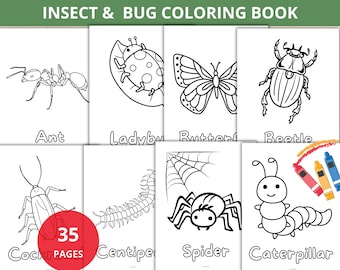
- Spring coloring pages (flowers, insects, baby animals, raindrops)
- Plant growth worksheets (parts of a plant, seed-to-seedling sequence)
- Life cycle charts (butterfly, frog, bird, plant)
- Weather observation log (daily temperature, sky conditions, precipitation)
- Nature journal pages (drawing box, notes, sketch prompts)
- Outdoor scavenger hunt checklist (leaf shapes, buds, nests, insects)
- Experiment lab sheets (hypothesis, materials, steps, results)
- Preschool (3–5): Simple coloring pages, matching games, sticker-based life cycle sequencing
- Early elementary (6–8): Labeling diagrams, short observation logs, guided experiments
- Upper elementary (9–11): Detailed worksheets, data tables, hypothesis-driven experiments
- Seed packets (beans, radish, or sunflower)
- Pots or clear plastic cups, potting soil, water
- Ruler, magnifying glass, camera or phone for photos
- Plant growth printable packet (daily log, parts of a plant sheet, measurement table)
- Day 1: Plant seeds together. Complete "What seeds need" printable and make a prediction.
- Days 2–7: Short daily observations. Record height and note changes; take a photo every other day.
- Days 8–14: Measure leaf growth, draw seedling stages, discuss roles of sunlight and water.
- Week 3+: Optional extension—transplant seedlings to a garden bed and chart continued growth.
- Light vs. Dark: Grow two sets of seeds to demonstrate the effect of light on growth.
- Watering Variations: Test daily vs. twice-weekly watering to discuss variables.
- Seed Dissection: Carefully open a bean or pea seed to observe the embryo and food stores.
- Butterfly life cycle coloring page with labeled stages
- Frog life cycle sequencing cards (egg → tadpole → froglet → adult)
- Bird nesting observation sheet (count eggs, note incubation behavior)
- Mini research project printable: “Choose an animal and document its life cycle”
- Butterfly Kit: Raise caterpillars using a live kit; use printable journal pages to record growth.
- Egg Hatching Observation: If you have access to a classroom incubator, students can record stages and behaviors.
- Backyard Bird Study: Use printable ID cards and a nesting log to track local species.
- Find a leaf with serrated edges
- Spot a bud about to open
- Observe an insect and sketch it in your nature journal
- Record a weather observation (temperature, clouds, wind)
- Record morning and afternoon temperatures each day for a week.
- Note precipitation type and amount, cloud cover, and wind.
- Compare how plants and animals respond to warmer or cooler days.
- Seed Germination in Different Substrates: Soil vs. paper towel vs. sand
- Evaporation & Condensation: Create a mini water cycle in a plastic bag stuck to a sunny window
- Soil Composition Test: Compare drainage and plant growth in different soils
- Insect Behavior Observation: Offer different foods and record preferences
- Question/Hypothesis
- Materials
- Procedures (step-by-step)
- Data table
- Conclusion/What I learned
- Portfolio: Collect printables, photos, and journal pages to show progression
- Presentation: Have students present a life cycle poster or a plant growth timeline
- Rubrics: Use checklists for observation skills, data recording, and explanation accuracy
- Art: Use spring coloring pages for mixed-media collages
- Language Arts: Write a spring nature poem or explanatory paragraph about an experiment
- Math: Graph plant growth, calculate averages, or measure rainfall totals
- History: Explore traditional spring festivals and how communities respond to seasonal change
- High contrast and large font sizes for younger readers
- Clear, labeled diagrams and step-by-step instructions
- Printable size options (A4 and US Letter)
- Alt text suggestions for every image (e.g., “Butterfly life cycle diagram showing egg, caterpillar, chrysalis, adult butterfly”)
- National Geographic Kids — animal and habitat information
- Britannica School — kid-friendly encyclopedia entries
- Kids Discover — science articles and printable resources
- USGS — weather, water cycle, and environmental data
- Spring nature scavenger hunt printable — link to your site's scavenger hunt page
- Plant growth unit study — link to a detailed plant unit or blog post
- Life cycle coloring pages download — link to downloadable PDF page
- Outdoor learning tips for families — link to an outdoor education resource on your site
- “Bring spring science outside! Free spring coloring page and printables for homeschool nature study.”
- Include image alt text for Pinterest: “Printable butterfly life cycle coloring page for homeschool nature study.”
- Spring coloring page: “Line art of spring scene with flowers, butterflies, and a child observing a plant.”
- Plant growth worksheet: “Diagram showing seed, sprout, seedling, and mature plant with labels.”
- Butterfly life cycle chart: “Four-stage butterfly life cycle diagram: egg, caterpillar, chrysalis, adult.”
- Weather observation log: “Table to record date, temperature, cloud type, precipitation, and notes.”
- Keep activities short and frequent to sustain attention and curiosity.
- Follow children's questions—use printables to structure deeper exploration when interest peaks.
- Photograph stages and include photos in portfolios to show progress over time.
- Rotate printables and hands-on projects to prevent routine boredom.
- Celebrate discoveries—display coloring pages and posters to reinforce accomplishments.
Why Use Spring Coloring Page and Printables in Homeschool Nature Study
Spring energizes young learners: emerging plants, migrating birds, and changing weather create natural teachable moments. Printable resources—like spring coloring pages, life cycle diagrams, and observation journals—offer structure and accessibility. They help children record observations, practice vocabulary, and link hands-on experiences to scientific concepts.

Educational Benefits
Essential Printable Pack: What to Include
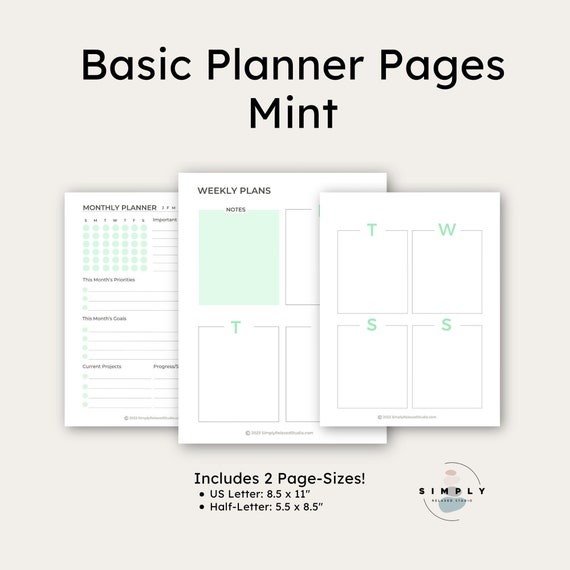
Build a printable packet to cover spring-themed topics. Below are suggested pages and how to use them effectively.
Core Printables
Age Differentiation Tips
Homeschool Nature Study Unit: Plant Growth
Plant growth is a foundational spring topic that connects biology, measurement, and long-term observation. Use a mix of printables, plant experiments, and outdoor observations to teach germination, photosynthesis basics, and plant structures.
Lesson Plan: 2-Week Plant Growth Unit
Materials
Daily Flow
Activities & Experiments
Life Cycle Lessons: Animals and Insects
Life cycles teach the concept of change over time and are easy to connect with spring phenomena—hatching eggs, tadpole-to-frog transformations, and butterfly emergence.
Printable Life Cycle Charts and Activities
Hands-On Projects
Outdoor Learning Activities for Spring
Outdoor learning engages multiple senses and strengthens observation skills. Below are turnkey activities that pair well with printables and coloring pages.
Scavenger Hunt: Spring Edition
Use printable checklists with pictures for younger children and descriptive prompts for older kids.
Weather Changes: A Week-Long Investigation
Track weather changes using a printable daily log. Connect patterns to plant and animal behavior.
Mini-Biome Walk
Walk different microhabitats (lawn, garden bed, pond edge, wooded patch). Use a printable sheet to record species, soil moisture, and sunlight level. This teaches children that small-scale ecosystems vary significantly.
Kids Science Activities: Experiments & Investigations
Simple experiments solidify concepts and teach the scientific method. Include lab printable sheets for planning and recording.
Experiment Ideas
Printable Lab Sheet Elements
Assessment, Extension, and Cross-Curricular Connections
Assess learning with rubrics and project-based tasks. Use printables to help students demonstrate knowledge creatively.
Simple Assessment Ideas
Cross-Curricular Extensions
Printable Design Tips & Accessibility
Design printables to be clear, accessible, and reusable. Include image alt text and simple fonts for readability. Offer black-and-white versions for easy printing and color versions for digital use.
Accessibility Checklist
Sample Weekly Homeschool Schedule (Integrating Printables)
| Day | Morning (30–45 min) | Afternoon (30–60 min) |
|---|---|---|
| Monday | Planting seeds + plant growth printable | Nature walk + scavenger hunt checklist |
| Tuesday | Weather log and cloud identification printable | Seed observation and measurement |
| Wednesday | Life cycle coloring pages + discussion | Library research on chosen animal life cycle |
| Thursday | Experiment setup (light vs. dark) with lab sheet | Art: create a life cycle poster from coloring pages |
| Friday | Data recording and graphing plant growth | Presentation or family sharing of weekly findings |
Resources, Links, and Printable Sources
Below are recommended resources and authoritative external links to support your homeschool nature study. Use these for research, printable downloads, and background reading.
Internal Link Suggestions (anchor text)
Social Sharing Optimization
Make sharing easy: include social buttons, Pinterest-ready images, and tweetable quotes. Suggested share copy:
Frequently Asked Questions (FAQ)
What age is appropriate for these spring printables?
Printables can be adapted for ages 3–12. Use simple coloring pages and matching activities for preschoolers and more detailed lab sheets, graphs, and research projects for older elementary children.
Do I need a lot of outdoor space for these activities?
No. Many activities work in small yards, balconies, or nearby parks. Seed-growing experiments can be done indoors on a sunny windowsill, and scavenger hunts can focus on microhabitats within walking distance.
How can I assess learning without formal tests?
Use portfolios, presentations, and project-based assessments. Collect journal pages, photos, and completed printables to demonstrate progress. Rubrics for observation accuracy and data recording offer clear, non-stressful assessment methods.
Printable Alt Text Suggestions
Sample Case Study: Homeschool Family Uses Printables to Boost Engagement
The Garcia family used this printable packet across a 10-week spring unit with two children (ages 5 and 9). They planted beans, kept weather logs, and raised caterpillars. The younger child loved coloring pages and the scavenger hunt, while the older child recorded detailed measurements and presented a life cycle poster to grandparents. Results: improved observation skills, stronger science vocabulary, and increased enthusiasm for daily outdoor learning.
Final Tips for Success
Conclusion: Make Spring Learning Memorable
Spring coloring page and printables are powerful tools for homeschool nature study. Paired with outdoor learning, life cycle lessons, and kids science activities that explore plant growth and weather changes, they transform ordinary days into memorable science learning experiences. Use the printables to scaffold curiosity, track observations, and encourage creativity—then step outside, explore, and let spring teach your learners in the richest classroom of all: nature.
Ready to start? Download a starter printable pack (coloring pages, plant growth log, life cycle chart, and weather journal) and plan a short outdoor lesson for tomorrow. Share your students’ discoveries on social media with the hashtag #SpringNatureStudy to join a community of active learners.
<


0 Comments