
Homeschool Nature Study Ideas for Spring: Hands-On Lessons, Plans, and Resources
Spring is nature’s classroom. As temperatures rise and life returns to outdoor spaces, homeschool families have a unique opportunity to move lessons out of the living room and into a living ecosystem. This comprehensive guide offers practical, research-backed nature study ideas for spring that work for preschoolers through high schoolers. You’ll find seasonal lesson plans, multi-age activities, citizen science projects, journaling prompts, art and STEM tie-ins, curriculum suggestions, assessment tips, and resources ready for immediate use. If you want to deepen observation skills, strengthen science fundamentals, and cultivate a lifelong love of nature in your children, this guide gives you the tools and inspiration to make spring learning memorable, hands-on, and academically meaningful.
Why Spring Is Ideal for Homeschool Nature Study
Spring brings predictable and observable changes: plants leaf out, migratory birds return, insects emerge, and weather patterns shift. These repeated cycles allow students to make repeated observations, collect comparative data, and learn life cycles and phenology firsthand.
- High engagement: Warmer weather and sensory-rich experiences boost attention and motivation.
- Cross-curricular opportunities: Science, art, language arts, math, and history naturally connect to outdoor exploration.
- Low-cost materials: Most activities use common household items or free natural materials.
- Skill development: Observation, recording, critical thinking, and the scientific method are reinforced organically.
- Choose a focus: Phenology, bird study, plant life cycles, pollinators, or weather.
- Pick an outdoor “classroom”: Backyard, local park, nature trail, community garden, or schoolyard.
- Decide frequency: Weekly 30–60 minute sessions provide rhythm; daily micro-observations are great for journals.
- Gather tools: Field guides, magnifier, binoculars, clipboard, pencils, printable journal pages, smartphone for photos.
- Set learning goals: Grade-appropriate goals (e.g., identify common trees, record bird species, design a mini-experiment).
- Use a loop: Observe → Record → Question → Investigate → Share.
- Notebook or printable nature journal (with prompts)
- Pencils, colored pencils, eraser
- Hand lens (10–20x)
- Binoculars (child-sized if possible)
- Trowel or small shovel, magnifier jar
- Smartphone or camera for photos
- Local field guides (plants, birds, insects) or identification apps
- Clipboard, measuring tape, stopwatch
- Plant press or heavy books for specimen preservation
- Weekly Phenology Walk: Choose 3–5 indicator species (a tree, a shrub, a bird, an insect). Record stages: budding, flowering, leaf-out, nesting, insect emergence.
- Make a Phenology Calendar: For each observation, note date, temperature, weather, and a short description. Compare to previous weeks.
- Graphing Activity: Use simple bar or line graphs to show progression of leaf-out or first bloom dates. This introduces data representation skills.
- Community Comparison: Compare your data to a local phenology network (e.g., USA National Phenology Network) to see regional patterns.
- Backyard Bird Count: Participate in community counts or do a family 15-minute birdwatch weekly. Track species and numbers.
- Nest Watch: Observe active nests from a distance. Sketch nest structure, nest materials, and behavior patterns.
- Build a Bird Journal: Include ID notes, songs (use apps to record), field sketches, and migration notes.
- Math Tie-in: Calculate average number of birds per species, graph migration arrival dates, or estimate nest success rates.
- Pollinator Count: Set a 10-minute timer and count pollinators visiting a single flower patch. Repeat weekly.
- Flower Dissection: Carefully dissect a flower to identify petals, stamens, stigma, and ovary. Relate structure to function.
- Plant a Pollinator Garden: Select native plants and track which species visit. This is a long-term, project-based learning activity.
- Citizen Science: Contribute observations to iNaturalist or Bumble Bee Watch.
- Seed Germination Experiment: Compare germination rates under different conditions (light vs dark, warm vs cool, soil types).
- Leaf ID and Photosynthesis Demo: Collect leaves, identify simple vs compound, do a simple starch test on a leaf (older students).
- Tree Bark Rubbing and Identification: Record tree species by buds, bark patterns, and leaf shape.
- Phenotypic Observations: Grow radishes or beans in transparent containers to show root development and seedling growth.
- Butterfly Life Cycle: Raise caterpillars (monarchs or painted ladies) and document each stage.
- Sweep Netting and Pitfall Traps: Safely sample insects and identify orders (Coleoptera, Lepidoptera, Hymenoptera, etc.).
- Insect Anatomy Lab: Use a hand lens or microscope to examine body segments, antennae, and mouthparts.
- Food Web Construction: Observe predation or interactions and diagram a simple backyard food web.
- Week 1: Orientation walk, set up nature journals, pick observation sites.
- Week 2: Phenology focus — choose target species, start calendar.
- Week 3: Bird study — begin weekly bird counts and ID practice.
- Week 4: Plant life cycles — plant seeds for germination experiments.
- Week 5: Pollinator week — observe flowers, set up pollinator garden plan.
- Week 6: Insects — catch and identify common backyard insects.
- Week 7: Field trip — local nature center, state park, or wetland hike with scavenger hunt.
- Week 8: Synthesis — prepare presentations, portfolios, or a family nature fair.
- Objectives: Sensory exploration, basic plant/animal recognition, fine motor skills through drawing and simple measurements.
- Activities: Color-based scavenger hunts, leaf rubbings, short 15–20 minute walks, seed planting in cups.
- Assessment: Photo portfolio and parent observation checklist (attention, vocabulary used).
- Objectives: Observation skills, simple data recording, basic classification, introduction to life cycles.
- Activities: Phenology journals, bird-watch tally charts, seed germination experiments, life cycle art projects.
- Assessment: Weekly nature journal entries, simple quizzes on life stages, short presentations of findings.
- Objectives: Experimental design, data interpretation, taxonomy basics, ecosystem relationships.
- Activities: Controlled germination experiments, pitfall traps for insects (with safety protocols), data graphing and statistical summaries.
- Assessment: Lab reports, annotated field guides produced by students, digital portfolios.
- Objectives: Hypothesis-driven research, ecological monitoring, advanced identification, synthesis across disciplines.
- Activities: Multi-week research projects (e.g., phenology vs. temperature), biodiversity surveys, GIS mapping basics, citizen science leadership.
- Assessment: Formal research paper, poster presentation, data submission to community science platforms.
- Materials: Notebook, pencils, thermometer, colored pencils, smartphone camera.
- Pick three nearby organisms to track (e.g., maple tree, robin nest spot, dandelion patch).
- Each visit: Note date, time, weather, temperature, and stage (e.g., buds present, first flower, full leaf). Take a photo and draw a quick sketch.
- After 4 weeks: Create a timeline or graph of observed changes and discuss causes (temperature, daylight).
- Materials: Clear cups, paper towels or potting soil, seeds (beans), water, ruler, notebook.
- Treatments: Light vs dark, moist vs slightly dry, soil vs paper towel.
- Plant 5 seeds for each treatment. Record daily: number germinated, root/shoot length, and observations.
- Analyze: Calculate percentage germination per treatment, graph average root lengths, and write a short conclusion discussing variables.
- Leaf Printing and Monoprints: Use leaves and tempera paint to create botanical prints and teach symmetry and patterns.
- Pressed Flower Bookmarks: Press blossoms between heavy books, laminate, and write botanical names to reinforce identification.
- Build a Simple Weather Station: Rain gauge, wind vane, and thermometer for data collection and graphing.
- DIY Seed Bombs and Habitat Enhancements: Create seed balls for community revegetation and discuss native species and restoration.
- iNaturalist: Upload photos and get help with species identification; schools can form projects to track local biodiversity.
- eBird: Track bird sightings, join local birding challenges, and contribute to migration science.
- USA National Phenology Network: Submit plant and animal phenology data and compare to regional trends.
- Monarch Watch or The Great Sunflower Project: Participate in targeted pollinator monitoring programs.
- Wetlands and Ponds: Observe amphibians, dragonflies, and aquatic plants. Bring nets for catch-and-release observation.
- Local Nature Center Hikes: Many offer guided walks and homeschool programs in spring.
- Botanical Gardens: Study curated plant collections and learn about native vs. exotic species.
- Urban Green Spaces: Compare biodiversity in urban parks vs. suburban backyards; discuss habitat fragmentation.
- Find three different leaf shapes (lanceolate, ovate, palmate).
- Spot an insect and identify its order using an app or field guide.
- Locate a flower being visited by a pollinator and sketch the interaction.
- Find evidence of animal activity (tracks, scat, nest, or chewed leaves).
- Describe three changes you noticed this week in your chosen tree.
- Sketch a bird you observed and label at least three distinguishing features.
- Record a weather log for five consecutive days and note any effects on animal activity.
- Write a short story from the perspective of a dandelion seed.
- Portfolio: Compile journals, photos, data graphs, and field trip reports into a digital or physical portfolio.
- Project Rubrics: Use rubrics for research projects, presentations, and experiment write-ups.
- Competency Badges: Create badges for skills like “Field Observer,” “Citizen Scientist,” and “Plant Identifier.”
- Presentation: Have students present findings to family or a homeschool co-op for formative assessment.

How to Plan a Spring Homeschool Nature Study (Easy Framework)
Use this simple plan to turn curiosity into structured learning without losing spontaneity.
Essential Materials and Low-Cost Tools for Spring Fieldwork
Most nature study tools are inexpensive and reusable. Here’s a starter kit for a homeschool family:

Spring Nature Study Themes and Lesson Ideas (By Topic)
Below are thematic units with multi-level activities and assessments. Each theme includes observation prompts, experiments, art projects, and extension ideas.
1. Phenology and Seasonal Change
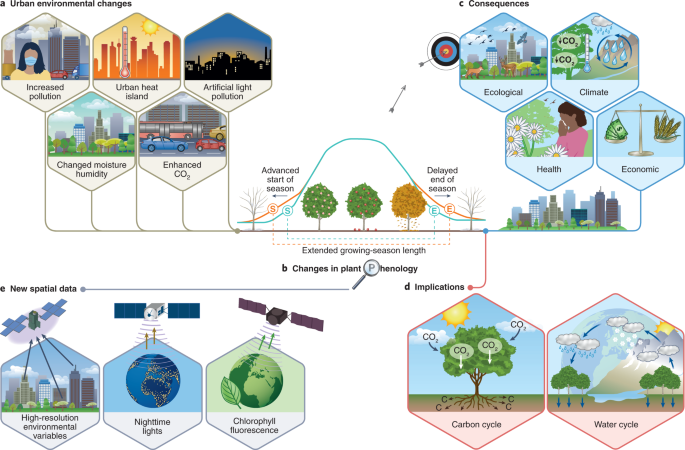
Phenology studies the timing of natural events. Spring’s reliable transitions make it ideal for multi-week phenology projects.
2. Bird Study and Backyard Birding
Spring migration and nesting make bird study rewarding and accessible.
3. Pollinators and Plant-Pollinator Interactions
Spring floral blooms attract bees, butterflies, and other pollinators—perfect for ecology and life cycle studies.
4. Plant Life Cycles and Botany Basics
Spring is ideal for seed germination trials and hands-on botany.
5. Insect Explorations and Backyard Entomology
Insects are abundant and teach concepts like metamorphosis, adaptation, and food webs.
Weekly Spring Nature Study Schedule (Sample)
This 8-week sample schedule balances observational practice, inquiry, and projects for multi-age learners.
Grade-Leveled Adaptations and Learning Objectives
Below are clear objectives and activity adaptations for different age groups so you can plan standards-aligned lessons.
Preschool to Kindergarten (Ages 3–6)
Elementary (Grades 1–5)
Middle School (Grades 6–8)
High School (Grades 9–12)
Lesson Examples with Step-by-Step Instructions
Lesson: Backyard Phenology Journal (Ages 6+)
Duration: 20–30 minutes weekly for 8–12 weeks
Lesson: Seed Germination Comparison (Grades 3–8)
Duration: 2–3 weeks observation
Arts & Crafts and Nature-Based STEAM Projects for Spring
Combining art and STEM with nature study keeps learning dynamic and appeals to different learning styles.
Citizen Science and Community Projects
Connecting with community science projects increases the relevance of observations and helps students contribute to real research.
Field Trip Ideas and Scavenger Hunts
Planned trips add variety and expose learners to habitats and species not found in the backyard.
Printable Scavenger Hunt Prompts
Nature Journaling: Prompts, Templates, and Assessment
Journaling develops observation, vocabulary, and reflective thinking. Use prompts and rubrics to assess progress.
Suggested Prompts
Simple Nature Journal Rubric (For Parents)
| Criteria | Excellent (3) | Good (2) | Needs Improvement (1) |
|---|---|---|---|
| Observations | Specific, detailed notes and multiple sensory details | Clear observations with some detail | Vague or minimal observations |
| Sketches/Photos | Accurate, labeled sketches or clear photos | Sketches or photos present but limited detail | No visuals or incomplete |
| Reflection/Interpretation | Thoughtful questions or hypotheses | Some reflections or simple conclusions | No reflection or misunderstanding of observations |
Assessment & Portfolio Ideas
Assessment in nature study can be authentic and varied.


0 Comments