
Spring Coloring Pages & Printables for Homeschool Nature Study: Life Cycle Lessons, Outdoor Learning, and Kids’ Science Activities
Spring is the perfect season to bring science alive for children. With buds unfurling, migrating birds arriving, and days growing longer, spring offers a natural classroom full of opportunities to explore plant growth, weather changes, and animal life cycles. This guide provides a full suite of ideas: spring coloring page and printable resources, structured life cycle lessons, outdoor learning activities, and hands-on kids science activities designed for homeschoolers and educators. You’ll find ready-to-use printables, lesson plans, extension activities, and tips to make nature study engaging for multiple ages and learning styles.

What you’ll learn
- How to use spring coloring page and printables to teach scientific concepts.
- Step-by-step life cycle lessons for plants, insects, amphibians, and birds.
- Outdoor learning strategies to connect kids with seasonal change and weather observations.
- Hands-on kids science activities (experiments, journaling, citizen science) that align with homeschool curricula.
- Assessment ideas, differentiation tips, and printable resource suggestions for immediate use.
- Real-world context: Students see science in action rather than isolated examples from textbooks.
- Multisensory engagement: Sight, sound, touch, and smell deepen retention.
- Cross-curricular connections: Science links naturally with art (coloring pages), literacy (journaling), math (measuring growth), and history (seasonal traditions).
- Emotional and mental benefits: Outdoor time improves focus, reduces stress, and promotes curiosity.
- Seasonal nature journal pages: observation prompts, weather trackers, and sketch boxes.
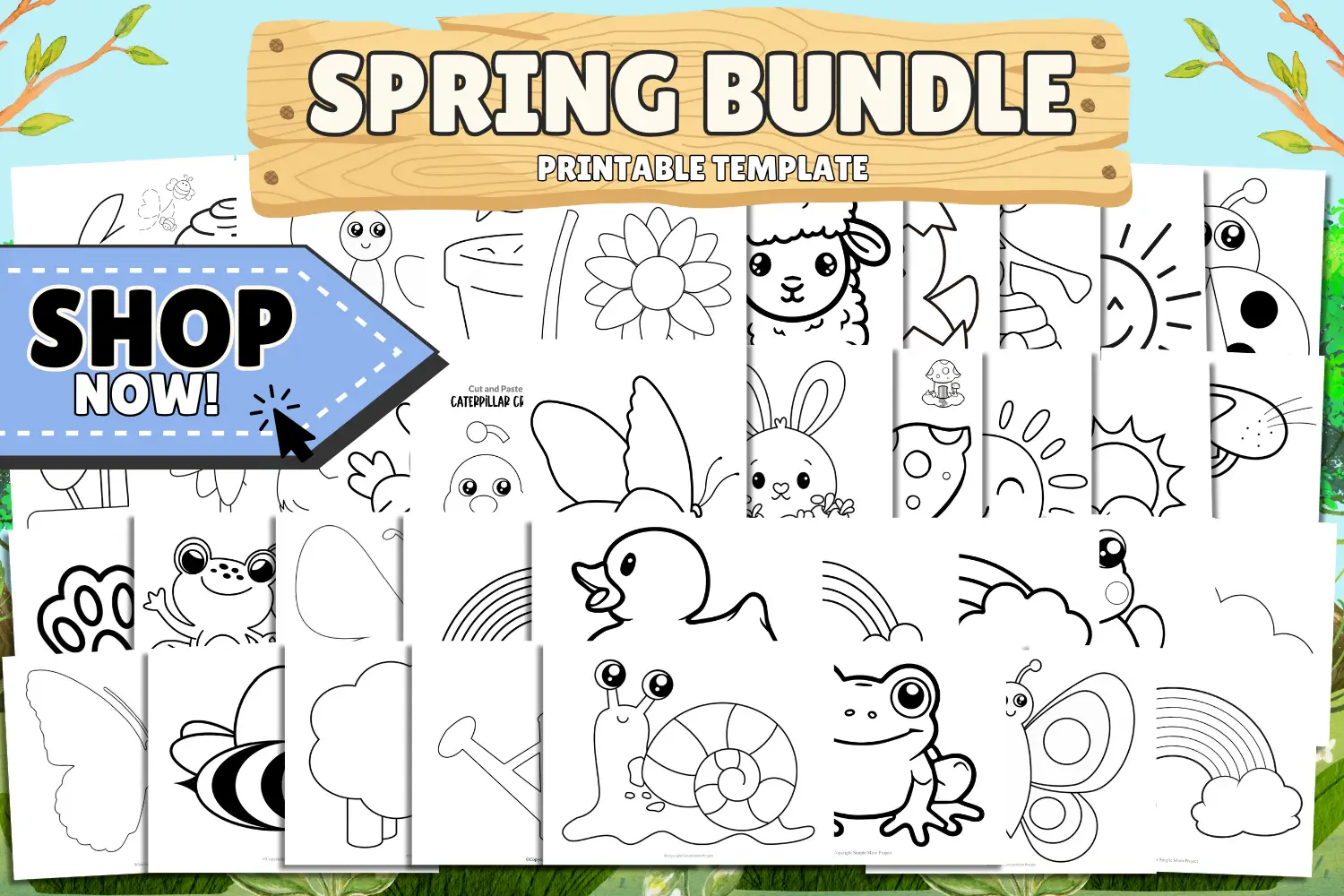
- Life cycle coloring pages: seed-to-plant, egg-to-bird, caterpillar-to-butterfly, tadpole-to-frog.
- Growth charts and measurement logs: simple ruler overlays and weekly measurement tables.
- Weather log printables: daily temperature, precipitation, cloud type, and wind notes.
- Species ID cards and field guides: laminated cards with images and checklist boxes for outdoor spotting.
- Experiment worksheets: hypothesis, materials, procedure, data, conclusion format for kids science activities.
- Pair coloring pages with outdoor observation: Have children color what they actually saw—match color choices and details to real observations.
- Encourage labeling: Add scientific terms (e.g., “cotyledon,” “nymph,” “metamorphosis”) on the printables to build vocabulary.
- Offer choices for differentiation: simpler pages for younger kids, detailed diagrams for older learners.
- Use as assessment: Ask students to color or annotate steps of a life cycle in order to demonstrate understanding.
- Seeds (beans, peas, radish are fast-growing)
- Clear cups or zip-top bags, paper towels
- Potting soil, small pots, ruler
- Plant growth printable (daily/weekly measurement chart)
- Seed germination in a bag: Place damp paper towel and seeds in a clear bag, tape to a window, and color/discuss sprouting stages using a seed-to-plant coloring page.
- Transplant and measure: Move seedlings to soil, chart height each week using growth chart printables.
- Experimental variation: Test light or water amounts—have students form hypotheses and record results on experiment worksheets.
- Final project: Create a labeled diagram showing plant parts and write a paragraph describing needs for growth.
- Extension: Start a simple compost to discuss nutrient cycles and decomposition.
- Monarch or painted lady caterpillar kit (or collect eggs/larvae ethically)
- Host plant (milkweed for monarchs)
- Butterfly life cycle coloring page and sequence cards
- Observation station: Set up a jar or habitat; children sketch and color each stage as it occurs in their nature journal.
- Sequence sorting: Use printable cards to order life cycle stages and retell the process in their own words.
- Citizen science: Log sightings on apps like iNaturalist to contribute to real research.
- Comparison chart: Compare butterfly metamorphosis to incomplete metamorphosis (grasshoppers) using a printable Venn diagram.
- Extension: Plant a pollinator garden and track which species visit over the season.
- Local pond access or frog eggs (where legal/ethical)
- Aquarium or observation jar, magnifying glass
- Frog life cycle coloring pages and amphibian observation logs
- Pond field trip: Bring printables and identify eggs, tadpoles, and froglets. Record water temperature and clarity on weather and habitat logs.
- In-class observation: Raise tadpoles ethically if collecting is allowed; discuss the role of clean water and predators.
- Art-science crossover: Create a timeline mural showing frog development stages using coloring pages and student drawings.
- Research report: Assign older students to research threats to amphibians and propose conservation steps.
- Extension: Test pH and discuss how pollution affects life cycles; log findings on printable experiment sheets.
- Binoculars, field guide, bird life cycle printables
- Nesting camera (optional) or safe observation points
- Bird identification checklist printable
- Backyard watch: Use checklists and coloring pages to document eggs, hatchlings, and fledglings.
- Acoustic lesson: Learn common spring birdsongs and mark sightings on a printable sound log.
- Nest study: Compare nest shapes and materials; have students build their own miniature nests using provided criteria and test stability.
- Project: Create a “life cycle field guide” with student-drawn illustrations and notes from observations.
- Extension: Partner with a local birding group for a guided walk or nest box monitoring program.
- Set a consistent time: Morning observations often show more wildlife activity and dew-related phenomena.
- Establish roles: Observer, recorder, photographer, and safety monitor rotate among students.
- Use a checklist: A printable checklist reduces decision fatigue and keeps focus on learning targets.
- Limit duration: For younger children, 15–30 minutes is ideal; older students can stay out longer for experiments.
- End with reflection: Have students complete a nature journal page or share one discovery from the outing.
- Follow “look but don’t disturb” for nests and dens; avoid handling wild animals unless part of a supervised, ethical program.
- Wear sun protection and insect repellent as needed; check local tick advisories.
- Respect private property and protected habitats; obtain permissions for field trips.
- Light vs. dark experiment: Grow two sets of seedlings to compare growth under different light exposure. Use an experiment worksheet to record height, leaf count, and color.
- Water frequency test: Water plants daily vs. every three days to show the impact on growth and soil moisture.
- Soil type comparison: Plant identical seeds in different soils (garden soil, sand, potting mix) and chart results.
- Create a simple weather station: rain gauge, homemade thermometer, wind vane. Use a printable weather log for daily recordings.
- Graphing activity: Turn weekly weather logs into bar or line graphs to visualize trends—connect to lessons on seasons and climate.
- Cloud classification: Use cloud charts and matching printables to teach cumulus, stratus, cirrus, and cumulonimbus identification.
- Sequence storytelling: Students create illustrated short stories from the perspective of an animal (e.g., a chick’s first week).
- Class lifecycle timeline: Create a hallway or wall display that updates as local species progress through stages.
- Role-play game: Assign roles (egg, larva, predator, pollinator) and simulate food webs and survival challenges to teach interdependence.
- High-contrast text and large fonts for younger readers and visually impaired students.
- Provide color and black-and-white versions to save ink and provide coloring options.
- Include clear instructions and a materials list on every worksheet.
- Offer extension prompts and challenge questions for advanced learners.
- Provide alt text suggestions for images and coloring page descriptions to support screen readers (see Image Alt Text Suggestions below).
- Portfolio: Collect completed coloring pages, journal entries, and lab sheets to show progression.
- Rubrics: Create simple rubrics for observation skills, accuracy of diagrams, and ability to explain life cycle stages.
- Performance tasks: Have students present a mini-exhibit or teach a younger sibling a life cycle using printables.
- For younger kids: Use coloring pages with large, labeled parts and short sentence frames for journaling.
- For older students: Provide detailed diagrams, data analysis tasks, and research projects that require citations.
- Multi-age groups: Pair older students as mentors to lead observations and guide younger learners through printables.
- Local nature centers and park services often provide region-specific printables and field guides (useful for local species ID).
- Educational nonprofit sites (e.g., National Audubon Society youth resources, local extension services) for vetted life cycle and bird materials.
- Teacher marketplaces and curricula sites for customizable worksheets—check licensing and attribution requirements.
- DIY: Create tailored printables using free design tools; include your state or region’s species to increase relevance.
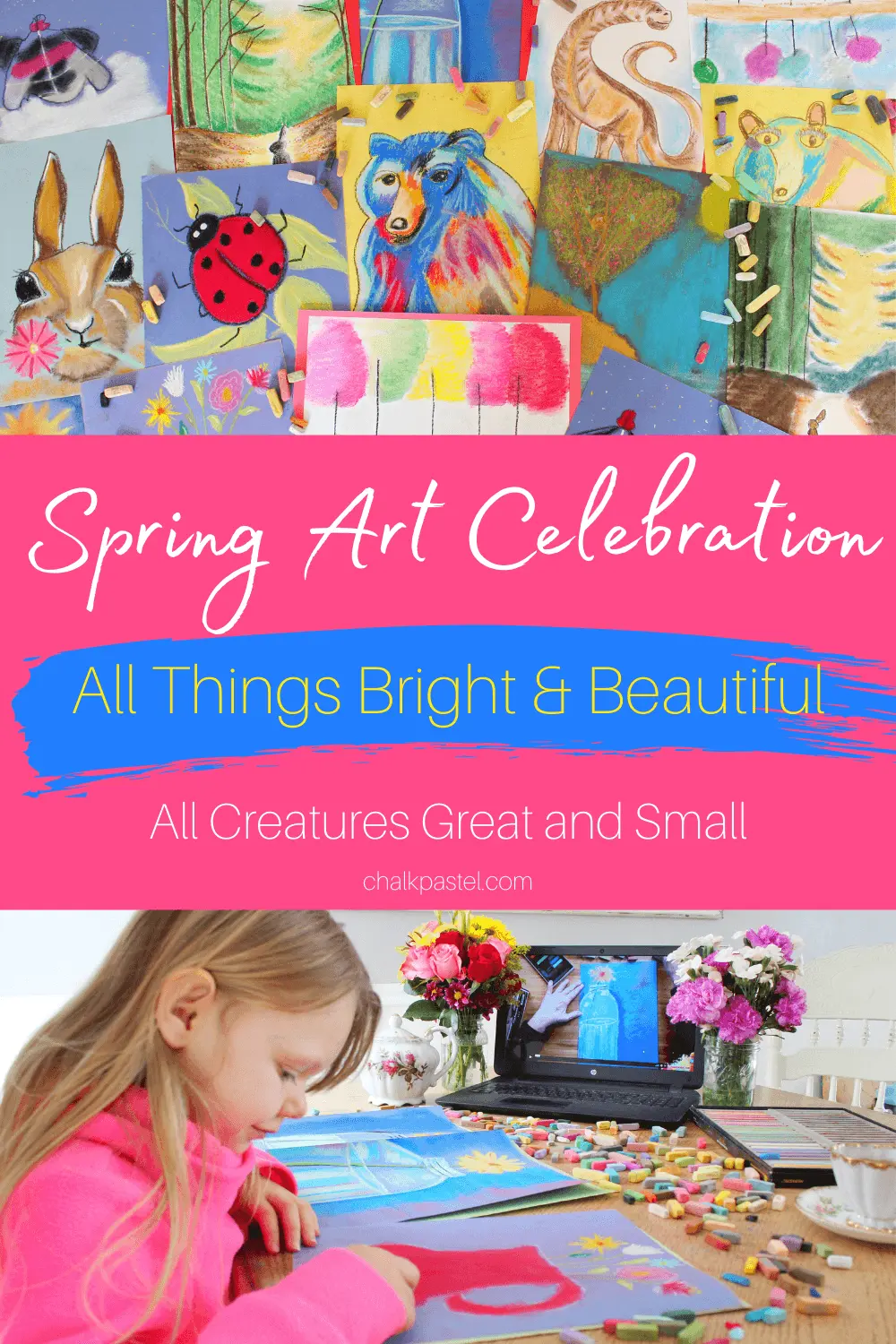
- Spring coloring page: seed sprouting in soil and labeled root and shoot — alt text: “Seed germinating in soil with visible root and shoot labeled.”
- Butterfly life cycle printable: egg, caterpillar, chrysalis, adult — alt text: “Four-stage butterfly life cycle: egg, caterpillar, chrysalis, adult butterfly.”
- Weather log sheet: boxes for temperature, precipitation, cloud type — alt text: “Weather log with fields for temperature, precipitation, wind, and cloud observations.”
Why spring is ideal for homeschool nature study
Spring is rich with visible, fast-changing phenomena that make abstract concepts concrete. Children can watch seeds sprout in a week, see caterpillars transform into butterflies over several weeks, and notice daily shifts in daylight and temperature. These rapid, observable changes keep learners motivated and provide repeating cycles for data collection and reflection.

Educational benefits of seasonal learning
Spring coloring page and printables: How to use them effectively
Coloring pages and printables are not just busy work; they are flexible teaching tools. Use them as pre-lesson warm-ups, observation worksheets for outdoor study, or assessment tools after an activity. Below are types of spring printables and how to integrate each into lessons.
Essential printables to prepare
Best practices when using coloring pages
Life cycle lessons: step-by-step units
Life cycles are a cornerstone of spring science. Below are four modular lesson plans—plants, butterflies, frogs, and birds—each including objectives, materials, activities, and printable recommendations. These units work individually or as a connected multi-week nature study.
1. Plant growth: seed to seedling to mature plant
Objectives: Observe seed germination, document growth, learn plant parts and needs (light, water, soil, air).
Materials2. Butterfly life cycle: egg → caterpillar → chrysalis → adult
Objectives: Understand complete metamorphosis, identify host plants, practice long-term observation.
Materials3. Frog life cycle: egg → tadpole → froglet → adult
Objectives: Observe aquatic development stages, learn about amphibian habitats, discuss environmental sensitivity.
Materials4. Bird life cycles and nesting behavior
Objectives: Observe nesting, learn egg incubation basics, identify birds by sight and song.
MaterialsOutdoor learning strategies: making the most of spring
Outdoor learning is most effective when organized, safe, and inquiry-driven. Use clear goals, prepared printables, and reflection time. Here are practical strategies and routines for daily or weekly outdoor science sessions.
Designing an outdoor learning routine
Safety and ethics for outdoor study
Kids science activities: experiments, games, and citizen science
Hands-on activities solidify concepts and create memorable learning moments. Below are practical experiments and science activities that align with spring themes—each paired with printable worksheets or templates.
Easy experiments for plant growth
Weather changes and data collection
Animal life cycle activities
Printable design tips and accessibility
Make your printables usable for different learners by following simple design principles. This ensures clarity, accessibility, and better learning outcomes.
Design best practices
Assessment, differentiation, and record-keeping
Assess learning through observation, portfolios, and simple rubrics. Differentiation keeps activities challenging but achievable for mixed-age homeschool groups.
Assessment ideas
Differentiation strategies
Sample weekly homeschool nature study schedule (Spring)
| Day | Focus | Printable/Activity |
|---|---|---|
| Monday | Weather and clouds | Weather log, cloud ID coloring pages |
| Tuesday | Plant growth observation | Growth chart, seed-to-plant coloring page |
| Wednesday | Insect life cycle | Butterfly life cycle cards, observation journal |
| Thursday | Birds and nests | Bird ID checklist, nest-building challenge |
| Friday | Experiment & wrap-up | Experiment worksheet, portfolio review |
Free and low-cost resources: where to find quality printables
There are many reputable places to source spring coloring pages and curriculum-aligned printables. Here are trusted options and how to use them responsibly:
Image alt text suggestions (for accessibility)
<h2

0 Comments