
Emotional Intelligence Lessons for Kids: Practical Strategies to Raise Empathetic, Resilient Children
Start with a question: What if teaching kids to understand and manage emotions was as essential as reading and arithmetic? Emotional intelligence (EQ) is a key predictor of long-term success, mental health, and healthy relationships. In this article you'll learn friendly, research-backed lessons, activities, and conversation tools to teach children emotional intelligence at home and in the classroom. Whether you're a parent, teacher, or caregiver, you'll get step-by-step lessons for ages 3–12, sample scripts, games, assessment tips, and resources—everything needed to make EQ learning practical, fun, and sustainable.

Why Emotional Intelligence Matters for Kids
Emotional intelligence is the ability to identify, understand, manage, and use emotions effectively. For children, EQ supports:
- Better academic performance and classroom behavior
- Stronger friendships and social skills
- Improved mental health and stress management
- Greater resilience and problem-solving ability
- Self-awareness — Recognizing one's emotions and what triggers them.
- Self-regulation — Managing impulses and responding appropriately.
- Empathy — Understanding others' feelings and perspectives.
- Social skills — Communicating, cooperating, and resolving conflict.
- Warm-up (5–10 min): Emotion flashcards. Show simple faces (happy, sad, angry, surprised) and ask children to name the emotion and make the face themselves.
- Core activity (15–20 min): "Feelings Treasure Box." Provide objects (soft toy = comfort, small stone = anger) and ask children to choose an object that matches how they feel. Encourage one-sentence sharing: "I feel because .“
- Calming practice (5 min): Belly breathing with a stuffed animal—place it on the belly and watch it rise and fall.
- Extension/home practice: Daily "Emotion Check" at mealtime: each person shares one word for how they feel.
- Warm-up (5–10 min): Storytime with emotion mapping. Read a short story and pause to ask, "What is the character feeling now? What made them feel that way?"
- Core activity (20–30 min): "Stop-Think-Choose" role plays. Use simple conflict scenarios (e.g., someone took a toy). Kids practice stopping, naming the feeling, choosing a response (use words, ask for help, or take a break).
- Calming practice (5–10 min): Guided progressive muscle relaxation for kids—tense and relax groups of muscles to notice the body.
- Extension/home practice: Emotion journal with stickers: each day pick a sticker for the main feeling and one thing that helped them feel better.
- Warm-up (10 min): "Two Sides" discussion. Present a short real-world dilemma and ask kids to list reasons both sides might feel that way.
- Core activity (30–40 min): Empathy mapping and restorative role-play. Use a three-part script: What happened? How did it make people feel? What can we do to make it right? Children practice with peers using prompts and feedback.
- Self-regulation practice (10 min): Toolbox building—each child creates a personal plan with at least 5 coping strategies for stress (deep breathing, counting, stepping away, talking to an adult, physical exercise).
- Extension/home practice: Family problem-solving night: pick a minor family issue and go through steps together using "Stop-Think-Choose."
- "What did the character feel when that happened?"
- "Have you ever felt that way? What did you do?"
- "What could the character do next to feel better or solve the problem?"
- Emotion check-ins: weekly ratings on a feelings chart
- Behavior logs: note frequency of outbursts or successful self-regulation strategies
- Peer feedback: structured questions—"Did your partner listen?"—after role-plays
- Parent/teacher reflections: brief monthly notes on progress and next goals
- Identifies emotions (Always, Often, Sometimes, Rarely)
- Uses calming strategy when upset
- Listens to peers without interrupting
- Attempts to repair harm after conflicts
- Slow the pace and prioritize safety and routine.
- Collaborate with specialists (school counselor, pediatrician, therapists) when needed.
- Use visual supports and concrete steps for children who struggle with abstract language.
- Be patient—consistency and predictable responses build trust.
- Mornings: Quick emotion check-in at breakfast
- Transitions: Use the feelings thermometer before switching activities
- Mealtimes: Share one high and one low from the day
- Bedtime: Reflective prompts—"What felt hard today? What helped you?"
- Zones of Regulation (website) — materials for self-regulation lessons
- GoNoodle — movement and mindfulness videos for kids
- Mind Yeti — short mindfulness exercises designed for children
- Collaborative for Academic, Social, and Emotional Learning (CASEL) — evidence-based SEL frameworks
- American Psychological Association (APA) — research on child emotional development
- National Association for the Education of Young Children (NAEYC) — early childhood best practices
Studies show that higher emotional intelligence in childhood predicts better outcomes in adulthood, including employment success and stable relationships. Teaching EQ early gives children tools to navigate life's ups and downs more confidently.

Core Emotional Intelligence Skills to Teach
Organize lessons around four core EQ domains that are age-appropriate and actionable:

Age-Grouped Lesson Plans and Activities
Below are lesson progressions for three developmental groups: preschool (3–5), early elementary (6–8), and upper elementary (9–12). Each group includes learning objectives, warm-up, core activity, and extension/home practice.

Preschool (Ages 3–5): Building Emotional Vocabulary and Safety
Objectives: Help children name basic emotions, recognize facial expressions, and learn calming basics.
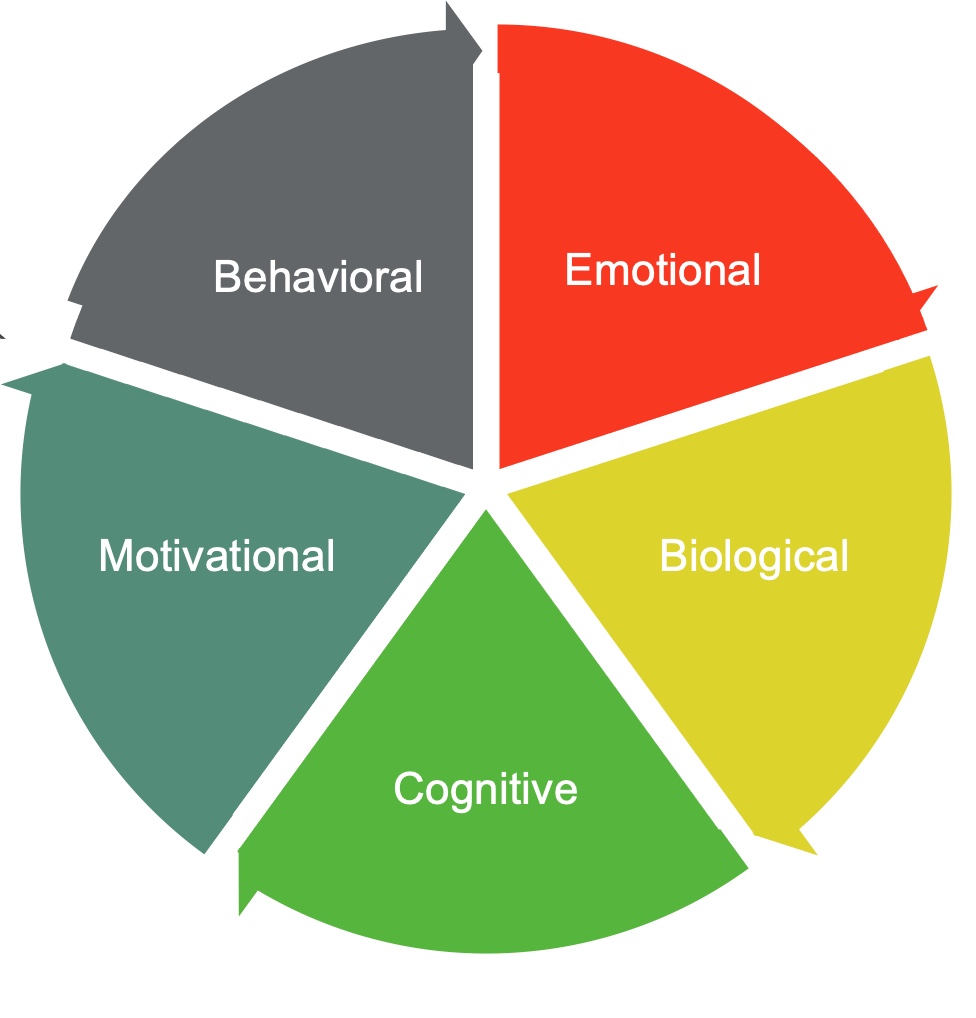
Early Elementary (Ages 6–8): Recognize Triggers and Practice Self-Regulation
Objectives: Expand emotional vocabulary, identify triggers, and practice coping strategies.
Upper Elementary (Ages 9–12): Perspective-Taking and Problem Solving
Objectives: Deepen empathy, teach emotion-driven decision-making, and foster conflict resolution skills.
Practical Activities and Games to Teach EQ
Use playful, repeatable activities that make learning emotional skills memorable.
Emotion Charades
How: Kids act out emotions without words while others guess. Add variations: scenario charades (act like you lost something) to combine context and emotion recognition.
Feelings Thermometer
How: Visual scale (1–10) children use to rate intensity of feelings. Teach thresholds: "1–3 calm, 4–6 bothered, 7–10 needs help." Use before transitions (homework, bedtime) to avoid escalation.
Empathy Walk
How: Paired activity where one child shares a short story of a small problem while the partner paraphrases feelings and asks one question. Swap roles. This develops active listening and empathic responses.
Calm Corner or Zone of Regulation Space
How: Create a low-stimulation area with calming tools (sensory toys, breathing script, visual timer, feelings chart). Teach children to use it proactively to self-regulate, not as punishment.
Conversation Starters and Scripts: What to Say (and What Not to Say)
Parents and teachers often ask for exact words to use in emotional conversations. Here are ready-to-use, age-adjusted scripts and phrases.
When a Child Is Upset (Preschool—Early Elementary)
Start with validation, then label feelings and offer support:
"I see you are really upset. It looks like you're feeling angry because your block tower fell. It's okay to feel angry. Do you want a hug, or would you like to take some deep breaths first?"
When a Child Is Angry or Acting Out (Ages 6–12)
Focus on boundaries and feelings:
"I care about you and I won't let anyone get hurt. You're showing me you're angry. When you're ready to use quiet words, we can talk and find a solution."
Encouraging Empathy After Conflict
Use restorative prompts:
"How do you think Jamie felt when that happened? What could you do to help make things better?"
Helping Kids Name Complex Emotions (Tweens)
Introduce mixed feelings language:
"It's okay to feel excited and scared at the same time about starting middle school. What are you most excited about? What worries you?"
Using Stories, Books, and Media to Teach Emotions
Books and shows are powerful mirrors. When a child connects with a character, you gain teaching moments. Use guided questions to deepen learning:
Recommended books by age:
| Age | Title | Why it helps |
|---|---|---|
| 3–5 | The Color Monster by Anna Llenas | Simple visual metaphors for emotions |
| 6–8 | When Sophie Gets Angry — Really, Really Angry by Molly Bang | Shows healthy anger management |
| 9–12 | Wonder by R.J. Palacio | Perspective-taking and empathy themes |
Assessment: How to Track EQ Growth
Measuring emotional growth is less about quizzes and more about observable behavior changes. Use simple, regular checks:
Sample rubric for teachers (adaptable for parents):
Handling Resistant or Difficult Cases
Not all children respond quickly. Some may have trauma, sensory issues, or neurodivergent needs. Use these guidelines:
Case Studies: Real-World Examples
Case Study 1: A Kindergarten Class Using Calm Corners
Situation: A kindergarten teacher noticed frequent afternoon meltdowns. Intervention: Introduced a Calm Corner with sensory bottles, soft seating, a feelings chart, and a 3-step breathing script. Outcome: Within four weeks, teachers reported 60% fewer escalations and improved sharing during free play.
Case Study 2: A Fourth Grader Learning Perspective-Taking
Situation: A fourth grader, Mateo, had repeated conflicts over group projects. Intervention: The teacher used structured empathy mapping and paired restorative circles after incidents. Outcome: Mateo began using "I" statements and sought adult help instead of lashing out. Peer relationships improved and group work became more productive.
How to Integrate EQ Into Daily Routines
Embedding emotional learning into everyday life makes skills stick. Use micro-lessons throughout the day:
Resources: Tools, Apps, and Further Reading
Suggested apps and websites (use with supervision):
Authoritative external resources to cite and explore:
Common Questions (FAQ)
At what age should parents start teaching emotional intelligence?
From infancy: caregivers model regulation and responsiveness. Structured lessons become appropriate from toddlerhood, with developmentally tailored activities for each age group.
How much time does it take to see improvement?
Small consistent practices (5–15 minutes daily) yield noticeable changes in weeks. Deeper behavioral shifts often take months and rely on predictable routines and adult modeling.
Can EQ be taught in schools with limited time?
Yes. Short integrated activities (morning check-ins, 5-minute calming routines, weekly empathy circles) are effective. Embedding EQ into existing lessons (literature, social studies) maximizes impact.
Internal and External Link Suggestions
Internal links to include on your site (anchor text recommendations):
High-authority external links to reference (open in new window):
SEO and Social Sharing Optimization
Suggested meta description: Practical emotional intelligence lessons for kids—activities, scripts, and tools parents and educators can use to build self-awareness, self-regulation, empathy, and social skills.
Suggested social share text (Facebook/Twitter): Teach kids emotional intelligence with simple, research-backed activities and scripts. Raise resilient, empathetic children—start today!
Suggested featured image alt text: Smiling children sitting in a circle practicing a feelings check-in.
Call to Action
Try one EQ activity this week: pick a 5-minute emotion check-in at dinner and one calming practice before bed. Notice what changes in a week and share your experience with your child's teacher or parenting group to refine your approach.
Conclusion
Emotional intelligence lessons for kids are practical, scalable, and profoundly impactful. By teaching self-awareness, self-regulation, empathy, and social skills through short daily routines, playful activities, and consistent modeling, caregivers and educators give children lifelong tools for success. Start small, be consistent, and celebrate progress. The more children practice naming feelings, using coping tools, and taking others' perspectives, the more naturally these skills will guide their choices and relationships.
Key takeaway: Small, consistent emotional lessons—integrated into daily life and delivered with warmth—build resilient, empathetic children who can navigate school, friendships, and life with confidence.


0 Comments