
Spring Nature Study Activities: Exploring Life Cycles and Outdoor Learning Through Fun Printables
Spring is the perfect season to bring science and nature learning outside. This comprehensive guide shows parents, teachers, and homeschoolers how to use easy, engaging spring nature study activities to teach life cycles, observation skills, and environmental awareness. You’ll find step-by-step activity plans, printable ideas, extensions for different age groups, assessment tips, and resources to make outdoor learning meaningful and memorable.

Introduction: Why Spring Is Ideal for Nature Study and Life Cycles
Spring bursts with growth, movement, and change—making it an ideal time to study life cycles and ecosystems. From bulbs sprouting to caterpillars becoming butterflies, the natural world offers living demonstrations of biology, seasons, and interdependence. Outdoor learning during spring not only deepens science understanding but also boosts curiosity, physical health, and emotional well-being. In this article you’ll learn practical, classroom-ready spring nature study activities, printable resources you can use immediately, and strategies for scaffolding learning for different ages and abilities.
By the end, you’ll have a ready-to-use toolbox: activity plans, materials lists, printable templates, assessment ideas, and suggestions for tying lessons to standards and cross-curricular topics like reading and art. Whether you’re planning a week of lessons, a seasonal unit, or weekly outdoor sessions, these ideas will help you guide students through observing, documenting, analyzing, and celebrating life cycles in spring.
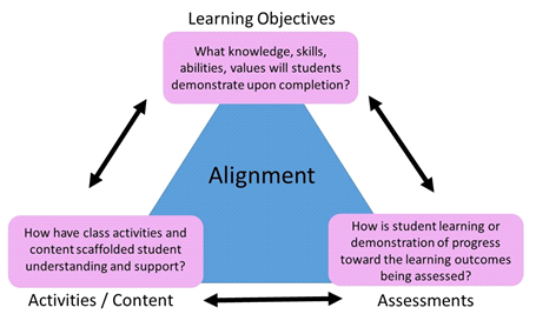
Core Learning Goals and Standards Alignment
Before starting activities, clarify learning goals. Here are common objectives you can adapt to your grade level:
- Observe and describe stages in life cycles of plants, insects, and amphibians (NGSS 1-LS1-2, 2-LS2-1).
- Collect and record data using drawings, charts, and simple field journals.
- Explain how seasonal changes affect plant and animal behavior.
- Practice safe, respectful outdoor observation and stewardship.
- Nature journal pages (dated entries, sketch area, spot for weather notes)
- Life cycle wheels and sequencing cards (flowers, butterflies, frogs)
- Observation checklist and scavenger hunt
- Data recording sheets (tally charts, simple bar graphs)
- Planting labels and experiment trackers
- Vocabulary cards and mini-books
- Introduce the chosen organism (e.g., butterfly). Show real photos or book illustrations.
- Students color and label the four wheel segments: egg, larva/caterpillar, pupa/chrysalis, adult butterfly.
- As the wheel turns, discuss what happens in each stage—what the organism eats, where it lives, how long stages last.
- Extension: Have students create captions describing behaviors or needs at each stage.
- Take 10–20 minute observation walks each week in the same location.
- Encourage students to sketch one plant or insect in detail and note any changes since the last visit.
- Add a short written reflection: “What surprised me?” or “What will I look for next week?”
- Place seeds between damp paper towels in clear bags or cups to observe roots and shoots.
- Have students make hypotheses: Which seed will sprout first? What happens with more/less water?
- Record daily observations on the printable tracker and measure growth with a ruler.
- Variables to test: light vs. dark, more vs. less water, different temperatures.
- Discuss real-world implications: How do planting times and water availability affect crops and ecosystems?
- Conduct a short, supervised insect sweep in a grassy or garden area.
- Identify insects using simple printable keys (ant, beetle, caterpillar, butterfly, bee).
- Record the number and life stage (e.g., caterpillar versus adult butterfly).
- Observe amphibian eggs, tadpoles, and adult frogs. Use magnifiers to view details.
- Discuss habitat needs and threats (predators, pollution, habitat disruption).
- Have students draw life cycle stages and hypothesize how pond conditions affect development.
- Choose native, pollinator-friendly plants (milkweed, coneflower, bee balm).
- Plant with students and label each species using printable tags.
- Over weeks, track pollinator visits and plant growth in the printable observation charts.
- Beginner: Picture-based life cycle sequencing cards, simple journal pages with icons, scavenger hunt with photos.
- Intermediate: Labeling worksheets, data sheets (tally or simple graph), short research prompts.
- Advanced: Mini-research project templates, longer-form observation logs, guided hypothesis-experiment sheets.
- Introduce printables in a short indoor mini-lesson, then take them outside for application.
- Model one full observation entry with the class before asking students to work independently.
- Keep a master binder of completed student pages to build a year-long portfolio of observations.
- Use picture-based life cycle cards and simple matching games.
- Short guided walks (5–10 minutes) with a single focus: find buds, find a worm, or spot a budding tree.
- Use sensory prompts: touch seed coats, smell flowers, listen for birds.
- Introduce journaling with sentence starters and vocabulary cards.
- Run simple experiments (seed germination) and record daily changes.
- Create class charts and basic bar graphs from observation data.
- Conduct multi-week investigations with control and variable groups (e.g., light vs. dark seed growth).
- Have students research a local species and present a mini-report with citations.
- Introduce ecological concepts: food webs, habitat fragmentation, native vs. invasive species.
- Formative: Checklists during observation walks, quick exit tickets (one new thing learned), peer review of journals.
- Summative: A culminating portfolio (photos + journal entries + life cycle projects) and a short presentation or poster.
- Rubric ideas: accuracy of sequencing, quality of observations, use of vocabulary, ability to form a testable hypothesis.
- Reading: Use leveled nonfiction texts about life cycles; have students write observational narratives.
- Math: Measure plant growth and graph data; calculate averages from repeated measurements.
- Art: Botanical rubbings, watercolor studies of insects, dioramas of life cycle stages.
- Social Studies: Explore cultural spring traditions and seasonal foods tied to plant life cycles.
- Set clear boundaries and behavioral expectations before leaving the classroom.
- Use a buddy system and establish a visible meeting point.
- Bring first-aid supplies and check for allergies (bee stings, pollen).
- Teach proper handling of wildlife: observe without touching when necessary.
- Follow local rules for pond or protected-area interaction; obtain permissions as required.
- iNaturalist — Submit photos to contribute to biodiversity databases.
- Project Noah — Document wildlife and support conservation learning.
- Local butterfly or frog monitoring programs — Participate in seasonal counts.
- Day 1: Intro to life cycles and nature journals. Short walk and first journal entry.
- Day 2: Seed germination setup and hypothesis writing.
- Day 3: Insect hunt and identification; life cycle wheel activity.
- Day 4: Data recording and simple graphing of seed measurements.
- Day 5: Reflection, vocabulary quiz, and mini-art project.
- Day 6: Pond or pollinator garden field trip (or virtual alternative).
- Day 7: Research day—students gather information on chosen species.
- Day 8: Create posters or digital slides with life cycle diagrams and photos.
- Day 9: Peer review and practice presentations.
- Day 10: Nature showcase for families; display journals and projects.
- Life cycle wheel templates (butterfly, frog, flowering plant)
- Observation journal pages (weekly format + blank sketch pages)
- Germination tracker and measurement log
- Insect ID cards and scavenger hunt checklist
- Garden planting labels and pollinator observation sheet
- Comprehensive nature study lesson plans
- Free life cycle printables for classrooms
- How to start a pollinator garden with kids
- Provide large-print printables and tactile materials for visually impaired students.
- Offer multiple ways to participate (drawing, dictation, audio recording).
- Choose accessible outdoor locations and adapt activities for mobility needs.
- Be culturally inclusive—invite students to share seasonal nature traditions and observations from home.
- "Share a photo of your nature journal entry with #SpringLifeCycles"
- "Post a time-lapse of your seed sprouting and tag our page for a feature"
Suggested alignment: NGSS (Next Generation Science Standards) for elementary grades and state science standards for observational and life cycle content. Use the activities below to meet both content and practice standards (asking questions, planning investigations, analyzing data).

Essential Materials and Printable Resources
Most activities use low-cost, easily available materials. Create a printable packet containing:
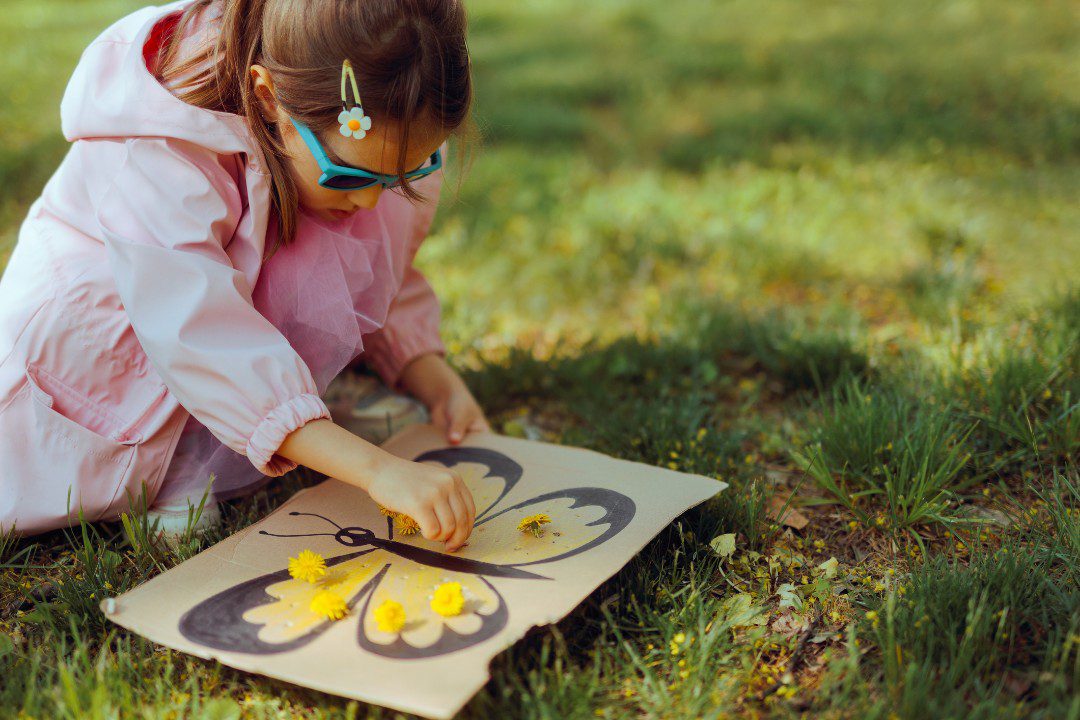
Image alt-text suggestions for your printable images: "Kid sketching plant in spring field journal", "Butterfly life cycle wheel printable", "Seed germination observation chart".
Top Spring Nature Study Activities

1. Life Cycle Wheels: Butterflies, Frogs, and Flowers
Objective: Teach sequencing and stages of a life cycle through a tactile, visual tool.
Materials: Printable life cycle wheel templates, scissors, brads (paper fasteners), coloring materials.
Assessment: Check for correct sequencing and accurate vocabulary in captions.
2. Spring Nature Journals and Weekly Observation Walks
Objective: Build observation skills and long-term data collection habits.
Materials: Printable journal pages (weather, sketch area, feelings checklist), pencils, clipboards.
Tip: Use simple icons for young children to indicate weather, temperature, cloud cover, and animal sounds.
3. Seed-to-Plant Experiments: Observing Germination
Objective: Teach plant life cycles and variables in growth through a hands-on experiment.
Materials: Clear plastic cups or zip-top bags, paper towels, seeds (beans, peas), water, printable germination tracker.
4. Insect Hunt and Identification Station
Objective: Learn insect diversity and life cycle stages via direct observation and keys.
Materials: Magnifying glasses, printable insect ID cards, clipboards, jars or trays for temporary observation.
Classroom follow-up: Create a classroom chart of local insect biodiversity and discuss pollinators vs. pests.
5. Frog and Pond Life Study (If you have access to a pond)
Objective: Observe amphibian life cycles and aquatic biodiversity.
Materials: Waterproof field guides (or printable ID sheets), nets (if permitted), containers for temporary observation, safety gear.
Safety and permission: Follow local rules about pond interactions. Never remove animals from protected habitats; use observation and catch-and-release when permitted.
6. Pollinator Garden Project and Planting Labels
Objective: Teach plant-pollinator relationships and stewardship through hands-on gardening.
Materials: Seeds or seedlings (native plants), soil, garden bed or containers, printable plant labels and observation chart.
Cross-curricular tie: Research native plants in the area and write short informational cards students can add to the garden for visitors.
Printable Packs: What to Include and How to Use Them
Create printable packs layered for different skill levels. Recommended components:
Usage tips:
Scaffolding Activities by Age and Ability
Differentiate to meet learners where they are:
Preschool to Kindergarten
Grades 1–3
Grades 4–6
Assessment Strategies and Documentation
Assess understanding through formative and summative approaches:
Cross-Curricular Connections
Integrate science with reading, math, art, and social studies:
Real-World Examples and Case Studies
Example 1 — Elementary School Garden Program: A K–5 school implemented weekly nature journals and a pollinator garden. Over a semester, student-collected data showed increasing pollinator visits as native plants matured. Students presented findings at a school assembly, increasing family interest in native gardening.
Example 2 — Homeschool Co-op Unit Study: A homeschool co-op used the printable life cycle wheels and seed germination trackers across five sessions. Students rotated stations—microscope observation, planting, journaling—and culminated in a community “Nature Showcase” featuring student-created posters and a small garden sale.
Classroom Management and Safety Tips for Outdoor Learning
Technology and Citizen Science Integration
Make observations count by connecting to larger projects:
Using apps enhances student motivation and helps them see their data as part of real science.
Lesson Sequence Example: A Two-Week Spring Unit
Week 1: Observation and Foundations
Week 2: Deepening, Research, and Presentation
Frequently Asked Questions (Optimized for Voice Search)
What are simple spring nature activities for preschoolers?
Try short observation walks, planting bean seeds in clear cups to watch roots and shoots, and matching picture-based life cycle cards (e.g., egg → chick → adult bird).
How do I teach life cycles to elementary students?
Use hands-on models like life cycle wheels, multi-week seed or caterpillar observations, journaling, and sequencing cards. Pair activities with vocabulary practice and short experiments to test variables.
Can outdoor learning meet curriculum standards?
Yes. Outdoor activities can address NGSS science practices (planning investigations, collecting data, constructing explanations) and content standards for life cycles and ecosystems. Align objectives and use rubrics to document mastery.
Printable and Resource Recommendations
Suggested printables to create or source:
Suggested external links (use rel="noopener" target="_blank"): iNaturalist (https://www.inaturalist.org/), National Wildlife Federation’s garden for wildlife resources (https://www.nwf.org/), Project Noah (https://www.projectnoah.org/). These provide authoritative background and citizen science opportunities.
Internal Link Suggestions (anchor text examples)
Accessibility and Inclusion Tips
Social Sharing and Engagement Prompts
Encourage families and classrooms to share their learning using custom hashtags. Suggested prompts:
Sample Rubric for a Life Cycle Project
| Criteria | Exemplary (4) | Proficient (3) | Developing (2) | Beginning (1) |
|---|---|---|---|---|
| Sequencing Accuracy | All stages correct and clearly labeled | Most stages correct with minor labeling errors | Some stages out of order orRelated PostsRecent PostsNew Arrivals – Up to 70% Off
Parent & Kid Favorites
Discover the Joy of Learning & PlayFrom toddlers to teens, our printables are designed to inspire creativity, spark imagination, and support learning at every stage. Whether it’s coloring pages, storybooks, planners, or posters, you’ll find screen-free fun that helps kids grow and thrive. 0
|


0 Comments