
Teaching the Alphabet Through Art: Creative, Effective Strategies for Early Learners
Hook: Imagine a preschool classroom where children trace the letter A in glitter paint, create collage C-caterpillars, and sing along to a mural of the alphabet they painted together—learning letters through sight, sound, touch, and imagination. Teaching the alphabet through art turns abstract symbols into memorable, multisensory experiences that build early literacy, fine motor skills, vocabulary, and motivation.
This comprehensive guide explains why art is so powerful for alphabet instruction and offers practical, research-informed lesson plans, activity variations for different ages and abilities, assessment ideas, classroom-management tips, and resources you can use tomorrow. Whether you’re a preschool teacher, kindergarten educator, parent, homeschooler, or literacy coach, you’ll find tested strategies and ready-to-use activities to make letter learning joyful and effective.

Why Teaching the Alphabet Through Art Works (and the Evidence Behind It)
Art-based alphabet instruction leverages multisensory learning—combining visual, kinesthetic, auditory, and tactile inputs—to strengthen memory and build neural connections. Research in early literacy and cognitive development shows that children learn letters better when they engage with them across multiple modalities. Creating, manipulating, and discussing letters enhances letter recognition, formation, and phonemic awareness.
Key benefits:
- Multisensory reinforcement: Painting, cutting, and molding letters aligns motor memory with visual recognition.
- Increased engagement: Art activities are intrinsically motivating and sustain attention for longer practice.
- Language expansion: Thematic art projects introduce vocabulary and support oral language development.
- Fine motor development: Scissor use, stamping, and drawing build the hand strength and coordination needed for writing.
- Inclusive learning: Art can be adapted for diverse learners, including multilingual children and those with developmental differences.
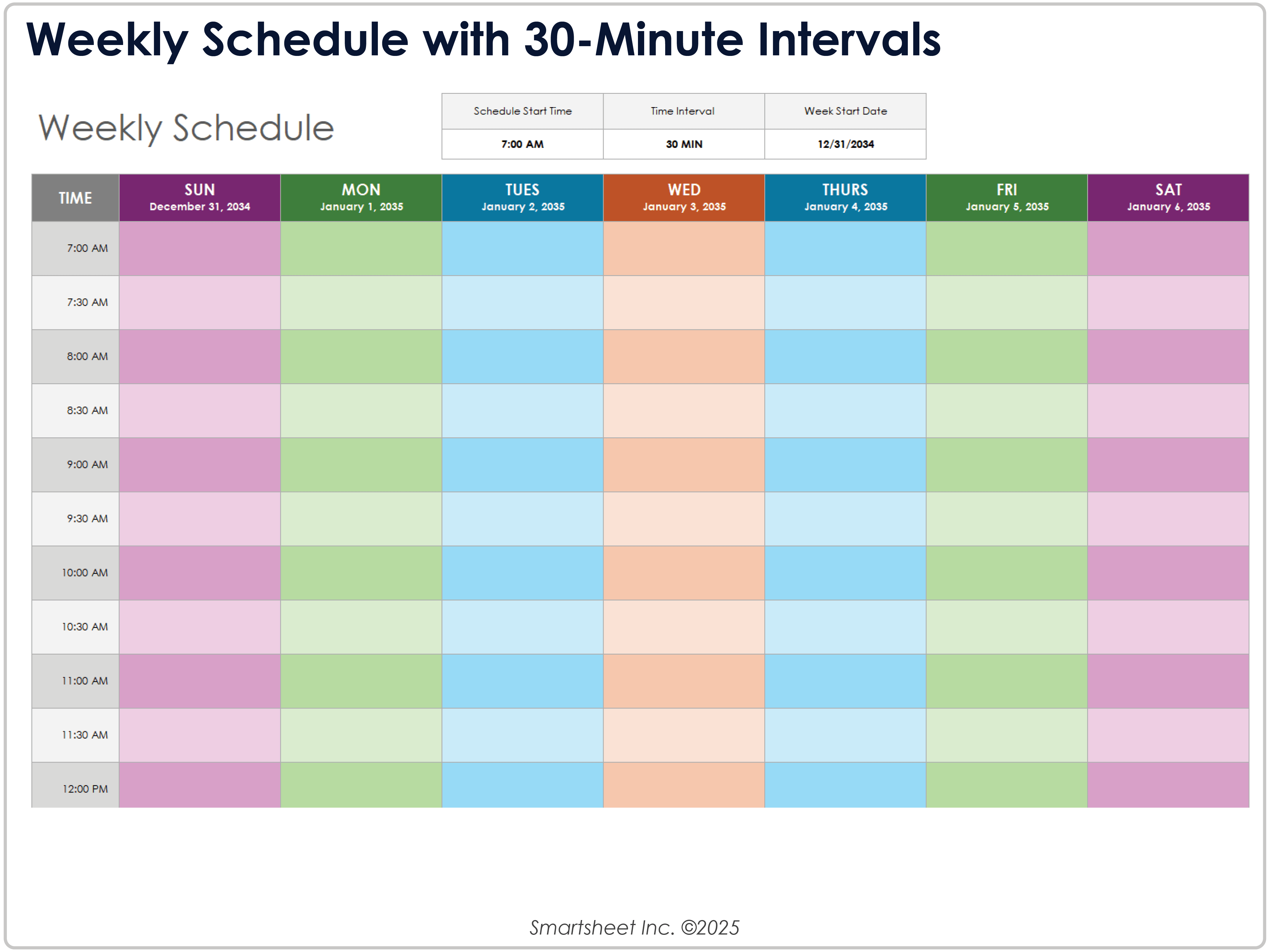
- Monday — Introduction: Letter song, visual poster, and sensory tray exploration.
- Tuesday — Art workshop: Large-group painting or collage that highlights the letter shape and vocabulary.
- Wednesday — Small-group centers: Hands-on crafts, letter-building with manipulatives, or playdough letters.
- Thursday — Literacy connection: Read-aloud and letter hunt tied to art project.
- Friday — Share and assess: Gallery walk, quick formative check, and phoneme practice.
- Fill trays with sensory medium and place a letter card next to each tray.
- Model tracing the letter with a finger while saying the letter name and sound.
- Children trace several times, then close their eyes and “write” the letter from memory.
- Provide a letter template and a pile of materials that begin with that letter (pictures or real objects).
- Children cut and glue items onto the template while naming or describing each item.
- Display finished collages as a classroom alphabet gallery.
- Model rolling snakes to form letter shapes, then guide children to create their letter with playdough.
- Encourage creative variations: decorate letters with beads (for tactile contrast) or press in pictures of things that start with that letter.
- Draw large outline of the letter on butcher paper and invite the class to fill it with paint, stamps, or sponge prints.
- Discuss words that begin with the letter while painting to strengthen sound-letter connections.
- Create a booklet for a chosen letter. Children find and glue pictures of items that start with the letter sound on the pages.
- Children “read” their book by naming each picture and saying the initial sound.
- Assign each child a letter and let them contribute a panel of the mural showing people, places, or objects that begin with their letter.
- Use the mural for transition songs, letter hunts, and classroom tours to reinforce learning repeatedly.
- Warm-up (5 min): Sing an alphabet song emphasizing A; show a big A poster.
- Sensory exploration (8 min): Apple scent jars and tactile apple slices; discuss texture, shape, and apple vocabulary.
- Art activity (20 min): Provide red/yellow paper circles, torn tissue paper, glue, and leaf stickers. Children assemble apple collages on a large A-shaped template.
- Share and reflect (7–10 min): Gallery walk and each child names one apple word; teacher notes correct letter-sound matches.
- Warm-up (7 min): Read a short “snake” picture book and emphasize /s/ sounds.
- Gross-motor activity (8 min): Use a long rope on the floor—children slither along while saying “/s/ /s/ /s/.”
- Art workshop (20 min): Marble-paint snakes on paper strips, add googly eyes and pattern scales with stamps.
- Phoneme practice (10 min): Play a “sound sorting” game with pictures of items that start with /s/ and those that don’t.
- For multilingual learners: Include home-language words that match the letter’s sound. Use picture dictionaries and parent input to expand vocabulary.
- For children with fine motor delays: Emphasize gross motor letter formation (air writing, chalk on sidewalks) before precise hand work. Provide adaptive tools (thicker paintbrushes, spring-loaded scissors).
- For children with sensory sensitivities: Offer alternative materials (dry collage instead of glue, tactile friendly options) and quiet art stations.
- For gifted learners: Challenge with letter-based pattern design, early word-building, or creating an “alphabet book” with alliterative sentences.
- For neurodiverse learners: Use visual schedules, step-by-step picture instructions, and predictable transitions. Pair with a trusted peer for modeling and social scaffolding.
- Observation checklist: Note whether a child can identify the letter, say its sound, produce uppercase and lowercase shapes, and name a word that starts with the letter.
- Work samples portfolio: Keep one art piece per letter per child in a binder to show growth over time.
- Peer-teach moments: Listen to children explaining their art—ability to label and describe signals vocabulary and comprehension.
- Letter flashcards: Show a random set and ask the child to name and say the sound.
- Writing probe: Have the child write three target letters; score for legibility and correct formation.
- Phoneme sort: Present picture cards and ask children to sort by initial sound.
- Stations and rotation: Divide the classroom into manageable stations (painting, collage, sensory, literacy) to reduce crowding and increase active participation.
- Clear expectations: Use visuals for procedures (how to use glue, where to put materials, how to wash paintbrushes).
- Prep and roles: Pre-cut templates when possible; assign classroom helpers to pass materials and tidy up.
- Time management: Use timers and musical cues to signal transitions and keep the pace steady.
- Cleanup routine: Turn cleanup into a song or game; incorporate counting and sequencing language to reinforce literacy concepts.
- Butcher paper, construction paper, cardstock
- Washable tempera paints, trays, and brushes
- Playdough or modeling clay
- Sensory materials: sand, rice, beans, kinetic sand
- Glue sticks, tacky glue, masking tape
- Safety scissors, sponges, stamps
- Markers, crayons, colored pencils
- Magazine cutouts, buttons, yarn, stickers
- Large alphabet posters and letter manipulatives
- Ask families for recycled materials (magazines, small boxes, fabric scraps).
- Buy paint in bulk and refill smaller containers for centers.
- Use printable letter templates and encourage children to bring small natural items for collages.
- Rotate specialty supplies to reduce overall cost and keep novelty.
- Letter of the Week pack: A short family letter, two activity suggestions, and a read-aloud recommendation (one page).
- Sensory letters at home: Use a tray with salt or sugar for tracing letters with a finger.
- Alphabet walk: Take a neighborhood walk to collect items (real or photos) that start with a target letter; make a home collage.
- Photo challenges: Ask families to photograph objects that start with the letter and email them to create a class slideshow.
- Math: Create patterns with letter shapes, count items in collages, compare sizes of letters.
- Science: Use natural materials (leaves, seeds) to form letters and discuss their properties.
- Social Studies: Make a cultural “A is for Art” exhibit where children include words from their home languages.
- Physical Education: Letter yoga or gross-motor letter formation on the playground.
- Drawing apps: Children draw letters on tablets, using tools to change color and texture; print their work for portfolios.
- Stop-motion letters: Create short videos showing the construction of letters with playdough or paper cutouts.
- Interactive whiteboards: Trace large digital letters and animate vocabulary images when tapped.
- Mess and cleanup: Use washable materials, aprons, and an organized cleanup routine set to a song.
- Time constraints: Prep reusable kits and templates to lower setup time; integrate art into existing literacy blocks.
- Assessment tracking: Keep quick checklists and one sample per letter in portfolios to avoid grading overload.
- Equity of participation: Use small-group rotations
How to Structure an Art-Based Alphabet Program
Design a predictable but flexible routine so children learn efficiently while staying creative. A weekly rotation works well: focus on two to three letters per week with scaffolded activities that revisit letters in different contexts.
Weekly structure (sample)

Curriculum alignment and scope
Map art-letter activities to your literacy standards (e.g., letter recognition, letter-sound correspondence, handwriting standards). Rotate uppercase and lowercase focus, and ensure activities progress from gross motor (painting big letters) to fine motor (writing and cutting) and from recognition to production (naming and forming letters independently).
Practical Art Activities for Each Letter
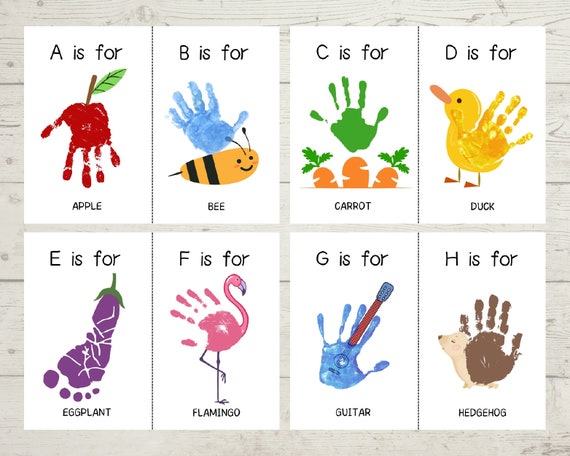
Below are classroom-tested activities organized by skill focus: recognition, formation, phonological awareness, and vocabulary. Each activity includes materials, step-by-step directions, differentiation tips, and assessment cues.
1. Sensory Letter Trays (Recognition & Formation)
Materials: shallow trays, sand/kinetic sand/coffee grounds, letter cards, brushes or finger tools.
Differentiation: Use large foam letters for beginners; for advanced learners, have them write a matching lowercase or a word that starts with that letter.
Assessment cues: Can the child form the letter shape? Do they associate the letter with its sound?
2. Alphabet Collage Stations (Recognition & Vocabulary)
Materials: paper plates or construction paper letter templates, magazines, glue sticks, safety scissors, themed small objects (buttons, yarn, leaves).
Differentiation: Pair with an emergent reader by having the child dictate a sentence for you to write on the collage’s back.
3. Playdough Letter Lab (Fine Motor & Formation)
Materials: playdough, letter cards, tools for rolling and shaping (toy knives, plastic straws).
Assessment cues: Observe hand positioning and ability to replicate shapes; offer hand-over-hand support if needed.
4. Paint-and-Stamp Large Letters (Gross Motor & Recognition)
Materials: butcher paper, washable paint, sponges, stamps, large brushes.
Differentiation: For older kids, ask them to create patterns or decorate uppercase and lowercase variations side-by-side.
5. Letter Sound Collage Books (Phonological Awareness & Vocabulary)
Materials: small stapled booklets, magazines/printed images, markers.
Differentiation: Include pictures that emphasize different vowel sounds or blends to stretch phonemic awareness.
6. Alphabet Murals and Community Art (Social-Emotional & Integration)
Materials: large mural paper, tempera paint, markers, photo cutouts.
Assessment cues: Listen for accurate naming during mural tours; use the mural to prompt small-group discussions.
Lesson Plan Examples: Ready-to-Use Units
Lesson: “A is for Apple” (30–45 minutes) — Preschool/Kinder
Objective: Children will recognize the letter A, produce its initial sound, and create an apple collage using a variety of materials.
Extension: Make a simple recipe using apples and practice sequencing words (first, next, last) to combine literacy and math vocabulary.
Lesson: “S is for Snake” (45 minutes) — Differentiated for ages 3–6
Differentiation: For older children, include lowercase/uppercase matching and writing practice.
Differentiation and Inclusion Strategies
Art-based alphabet instruction is naturally adaptable. Here’s how to meet a range of learner needs while keeping lessons meaningful and accessible:
Assessment: Tracking Alphabet Progress Through Art
Art provides natural, ongoing assessment opportunities. Use formative checks integrated into activities and a few quick formal snapshots to document progress.
Informal, ongoing assessment ideas
Quick formal checks
Classroom Management Tips for Art-Based Alphabet Instruction
Art activities can be messy and lively. Plan for order and safety without stifling creativity.
Resources, Materials Lists, and Budget-Friendly Tips
Here’s a master list of supplies that support many alphabet-art activities, with low-cost alternatives and storage ideas.
Essential materials
Budget-friendly tips
Family Engagement: Extending Alphabet Art at Home
Involving families reinforces learning and builds school-home connections. Provide simple, low-prep activities parents can do with kids.
Integration Across the Curriculum
Alphabet art can link to math, science, social studies, and movement to create cohesive learning experiences.
Technology and Digital Art Options
Blending digital art with tactile experiences engages older preschoolers and kindergarten students and supports 1:1 device classrooms.
Case Studies and Real-World Examples
Here are two brief case examples showing measurable gains when art is integrated into alphabet teaching.
Case Study 1: Sunshine Preschool (Urban, mixed bilingual classroom)
Program: Teachers implemented a “two letters per week” art rotation with family take-home packs. After 12 weeks, the preschool reported a 30% increase in letter recognition accuracy and improved parent engagement—measured by returned family activity sheets and photos. Teachers credited multisensory art stations and home-school connection for sustained practice.
Case Study 2: Meadowview Kindergarten (Rural, small class size)
Program: A teacher used large mural projects and a portfolio system. End-of-year writing samples showed stronger letter formation and greater vocabulary use in descriptive writing compared with a previous cohort that used traditional flashcard-based routines.
Common Challenges and How to Overcome Them
Implementing art-based alphabet instruction can present predictable challenges. Here’s how to address them efficiently.


0 Comments