
Artistic ABCs: Fun Alphabet Coloring Pages for Preschool Letter Recognition
Estimated reading time: 12 minutes
Introduction: Why Alphabet Coloring Pages Work for Preschool Letter Recognition
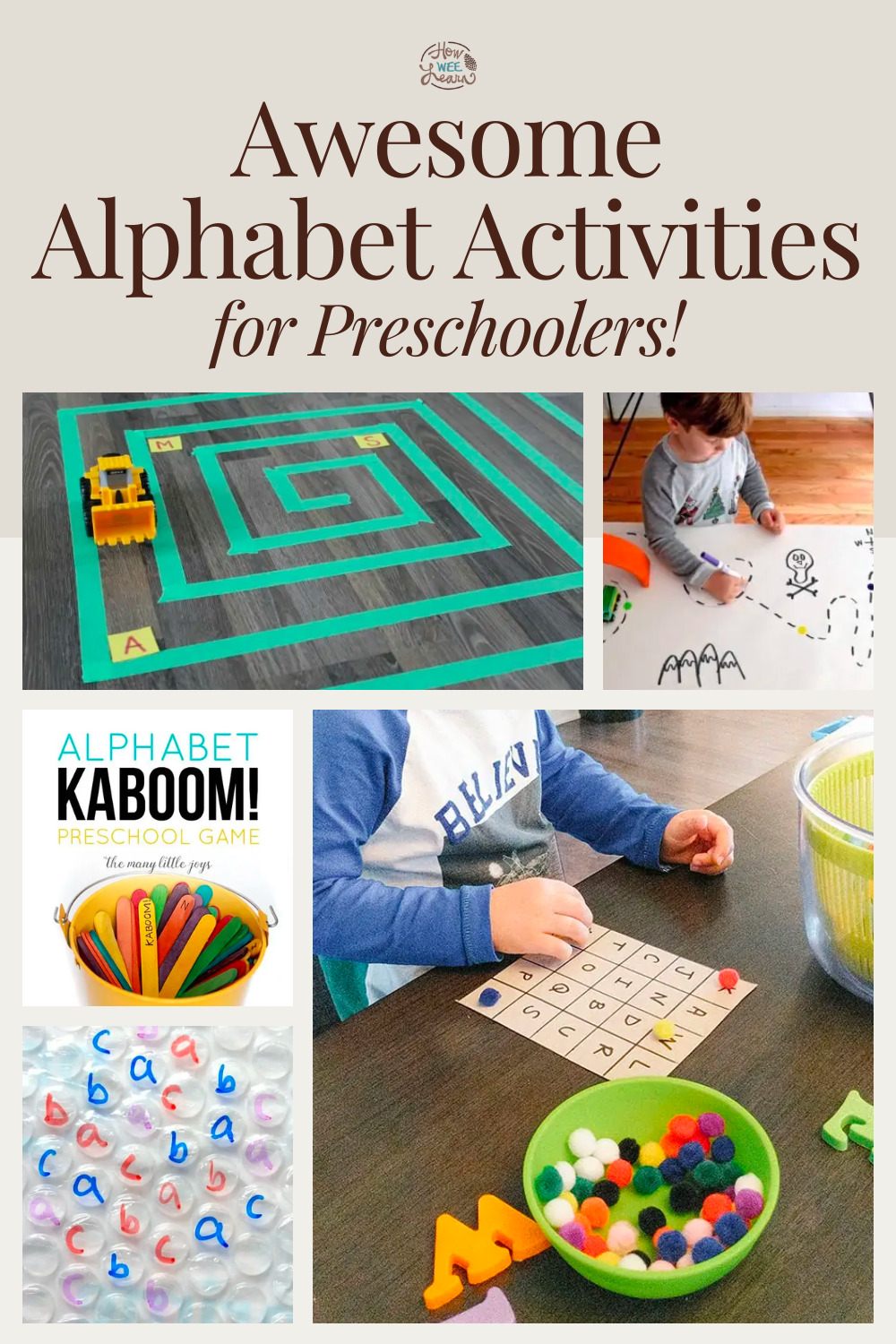
What if learning the alphabet felt like playtime? For preschoolers, early literacy thrives when curiosity, creativity, and repetition come together. Alphabet coloring pages—bright, simple, and interactive—offer a playful pathway to letter recognition, phonemic awareness, fine motor development, and vocabulary growth. This guide shows how Artistic ABCs-style coloring pages can be used by parents, preschool teachers, and caregivers to accelerate letter learning in ways that are developmentally appropriate and genuinely fun.
In this comprehensive article you'll learn: what makes alphabet coloring pages effective, evidence-based strategies for using them, printable design ideas, sample lesson plans, assessment tips, classroom management techniques, accessibility considerations, SEO-friendly content suggestions for sharing resources, and calls-to-action to get started right away.

How Alphabet Coloring Pages Support Early Literacy Development
Alphabet coloring pages are more than arts and crafts. They stimulate multiple development domains that collectively foster strong early literacy foundations.
Letter Recognition and Visual Discrimination
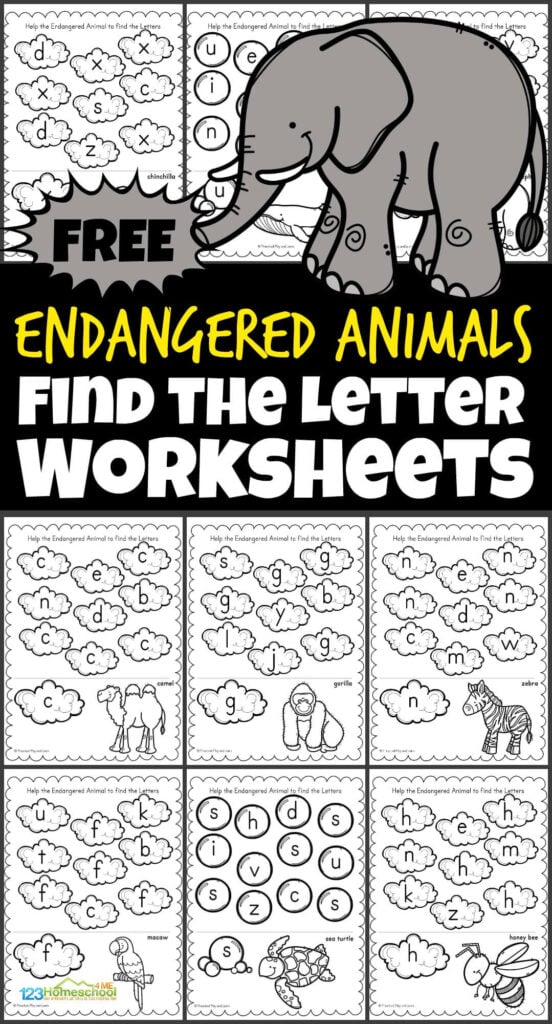
Coloring pages highlight letter shapes in multiple contexts (uppercase, lowercase, stylized fonts), improving visual discrimination—the ability to notice differences and similarities among letters.

Phonological Awareness and Vocabulary
When coloring pages pair letters with pictures (A for apple, B for ball), children practice sound-letter correspondence and expand vocabulary through repeated exposure and conversation.
Fine Motor Skills and Hand Strength
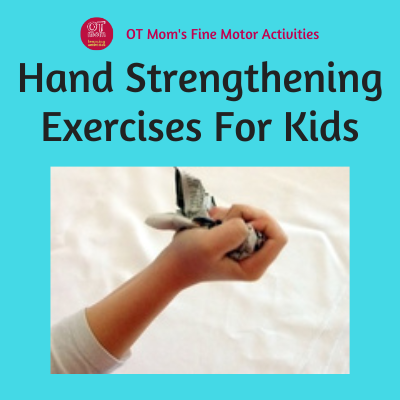
Coloring requires grasping, controlled strokes, and staying within lines — all of which build hand strength and coordination that later support handwriting.
Cognitive and Executive Function Benefits
Following simple instructions, choosing colors, and completing a page help children develop attention span, planning, and task persistence.
Designing Effective Alphabet Coloring Pages (Artistic ABCs Principles)
High-quality coloring pages balance clarity, engagement, and learning objectives. Use these design principles when creating or selecting coloring sheets.
- Clear Letter Forms: Use bold, easily recognizable uppercase and lowercase letters.
- Simple, Relevant Illustrations: Pair each letter with one or two large, familiar images that start with the target sound.
- Multiple Modalities: Include traceable letters, dotted-letter practice, and a small word label for reading practice.
- Age-Appropriate Complexity: Keep lines bold and content uncluttered for preschoolers.
- Inclusive Imagery: Include diverse characters, objects from varied cultures, and non-gendered items.
- Interactive Elements: Add activities like connect-the-dots, color-by-letter, or stickers to increase engagement.
- Accessibility Considerations: Provide high-contrast versions and simple fonts for learners with visual or processing differences.
- Warm-up (5 min): Sing an alphabet song and ask children to find the letter A on a chart.
- Read-Aloud (8 min): Read a short picture book featuring apples or the letter A.
- Coloring Activity (15 min): Hand out an A coloring page with a large apple and dashed-line trace letters.
- Phoneme Practice (5 min): Emphasize the /a/ sound with repetition and object naming.
- Reflection (2 min): Ask kids to show their favorite color and name an apple-related word.
- Warm-up (5 min): Quick letter recognition flashcards.
- Hands-On (10 min): Apple sensory bin—children touch, sort by color, and count apples.
- Color-by-Letter (15 min): Use a color-by-letter page where A areas are red.
- Extension (5 min): Label practice—children place a sticker on the uppercase A and lowercase a.
- Warm-up (5 min): Review letters learned so far.
- Group Coloring (20 min): Each child colors a letter page; teacher assembles them into a classroom alphabet wall.
- Sharing (5 min): Kids present their page: “This is A. I colored an apple.”
- Letter Identification Checklist: Note which letters a child can identify without prompts.
- Tracing Accuracy Scale: Rate tracing attempts (independent, with help, needs modeling).
- Sound Association Quick Check: Show a picture and ask for the initial sound.
- Work Sampling: Keep copies of completed coloring pages in a portfolio.
- Use large letter outlines for coloring or dot markers.
- Pair coloring with repetitive songs and tactile materials (sandpaper letters).
- Include picture-word labels in the child’s home language and in English.
- Use gestures and realia (real objects) alongside coloring pages.
- Offer pages with multiple words starting with the letter and a short writing prompt (draw and write).
- Introduce beginning blends or rhymes connected to the letter.
- Alphabet Flash Sheets: One letter per page with uppercase, lowercase, picture, and dotted trace letters.
- Mini-books: Foldable four-page booklets for each letter to color and take home.
- Theme Packs: Seasonal or cultural theme pages (A for autumn, C for celebration) to connect letters to context.
- Mixed-ability Sheets: Standard, simplified, and extended versions of each letter for easy differentiation.
- A page showing a large uppercase A, lowercase a, and a picture of a red apple. Alt text: “Uppercase A and lowercase a next to a red apple for the letter A.”
- Color-by-letter sheet for letter B with multiple B-shaped areas. Alt text: “Color-by-letter worksheet with letter B areas labeled for preschool coloring.”
- Set Clear Expectations: Briefly model the activity and demonstrate materials placement.
- Station Rotation: Offer multiple activity stations (tracing, stickers, dot markers) to reduce congestion.
- Use Timers: Short, predictable time blocks (10–15 minutes) help maintain focus.
- Prep Materials: Pre-cut shapes or pre-placed crayons cut down on transition time.
- Celebrate Completion: Create a “Letter Gallery” where finished pages are displayed and celebrated.
- Include culturally diverse objects and names for letters (e.g., P for pomegranate, M for mango).
- Feature characters of various ethnicities, abilities, and family structures.
- Offer translations or bilingual labels for commonly spoken languages in your community.
- Daily 10-minute letter focus using trace-and-color pages.
- Weekly take-home packets for family engagement.
- Monthly assessments via portfolios and quick checklists.
- Family involvement amplified learning—children who practiced at home progressed faster.
- Multi-level resources allowed all learners to participate meaningfully.
- Visual and tactile supports (sandpaper letters, dot markers) were critical for students with motor delays.
- Title tag with primary keyword near the start: Artistic ABCs: Fun Alphabet Coloring Pages for Preschool Letter Recognition
- Meta description under 160 characters summarizing the resource and including the primary keyword.
- Headers (H2/H3) that contain long-tail keywords: “How alphabet coloring pages support preschool letter recognition.”
- Image files named descriptively (e.g., a-coloring-page-apple.png) and include alt text.
- Provide printable PDF with descriptive filename and small file size for quick downloads.
- Anchor text: “preschool literacy activities” — link to a classroom activities hub or literacy curriculum page.
- Anchor text: “printable alphabet pages” — link to a downloads/resources section on your site.
- Anchor text: “assessment checklist” — link to a teacher tools or assessment templates page.
- National Association for the Education of Young Children (NAEYC) – early literacy resources (open in a new window)
- Zero to Three – child development and early learning information (open in a new window)
- Local education department or literacy nonprofit for family engagement resources (open in a new window)
- Create share cards for social platforms with a bright preview of a printable page and a clear call-to-action like “Download A–Z Coloring Pack.”
- Provide pre-filled tweets and Facebook copy for teachers and parents to share—include alt text and hashtags like #PreschoolActivities #AlphabetLearning.
- Download a printable A–Z coloring pack (one page per letter) and a simplified version for emerging learners.
- Create a weekly rotation plan: trace day, color day, sensory day, review day.
- Set up a portfolio system to collect completed pages for informal assessment.
- Share one coloring sheet per week with families and include a short tip sheet on how to practice at home.
Types of Alphabet Coloring Pages and How to Use Them
Different formats serve different instructional goals. Rotate formats to keep practice fresh and target multiple skills.
Basic Letter + Picture Sheet
One large letter (uppercase and lowercase) with a single picture. Best for initial exposure and one-on-one practice.
Trace & Color Pages
Letters shown as dashed lines for tracing above the coloring area. Combines motor practice with letter formation.
Color-by-Letter and Color-by-Sound
Children color areas using a legend tied to letters or initial sounds. Great for assessment and phonemic awareness practice.
Alphabet Scenes (Mini-Murals)
Full-page scenes filled with objects beginning with a specific letter. Encourage vocabulary talk and scavenger hunts.
Dot Marker & Sticker Pages
Large letter outlines for dot markers or stickers help non-writers participate and refine grasping skills.
Interactive Cut-and-Paste Pages
Cut-out letters or pictures children paste into corresponding boxes. This supports spatial skills and letter-object matching.
Practical Lesson Plans: Week-Long Unit Using Alphabet Coloring Pages
Below are three sample lesson plans designed for preschool classrooms or home learning environments. Each plan follows a predictable routine that scaffolds letter learning.
1. Introductory Session (Day 1): A is for Apple
2. Reinforcement (Day 2): Sensory & Sorting
3. Group Project (Day 3): Alphabet Wall
Assessment: Tracking Letter Recognition Progress
Informal, playful assessments work best with preschoolers. Use data to guide instruction rather than as high-stakes testing.
Simple Assessment Tools
Interpreting Results
Look for patterns: Are children recognizing uppercase letters more easily than lowercase? Do they identify letters when embedded in words or only when isolated? Use results to plan targeted interventions, such as multi-sensory activities for tricky letters.
Differentiation: Meeting Diverse Learner Needs
Preschool classrooms include a wide range of developmental levels, languages, and abilities. Differentiate coloring activities to be inclusive and effective.
For Emerging Learners
For English Language Learners (ELLs)
For Advanced Learners
Printable Ideas, Templates, and Image Alt Text Suggestions
Creating a library of printable pages allows families and teachers to reuse resources and personalize instruction.
Printable Set Recommendations
Image Alt Text Suggestions (Accessibility)
Classroom Management Tips When Using Coloring Pages
Coloring activities are engaging—but they can also get messy and loud. Use these strategies to keep sessions calm, purposeful, and productive.
Digital Extensions: Using Technology with Alphabet Coloring Pages
Blend analog and digital experiences to engage tech-savvy families and extend learning beyond the classroom.
Printable + Interactive PDF
Provide fillable PDFs where kids can color digitally on tablets, trace with a stylus, and tap images to hear letter sounds. This supports hybrid learning and remote families.
Apps and Augmented Reality
Some letter-learning apps allow children to scan printed pages to trigger animations that pronounce the letter or animate the pictured object, reinforcing sound-letter links.
Video Tutorials for Parents
Short, friendly videos showing how to use coloring pages at home (e.g., multisensory strategies) increase parent confidence and engagement.
Equity, Inclusion, and Cultural Responsiveness
Design alphabet resources that reflect the diversity of learners. This fosters belonging and supports vocabulary development across cultures.
Case Study: Preschool Classroom Implementation — 12 Weeks of Artistic ABCs
Summary: A mixed urban preschool implemented weekly letter stations using Artistic ABCs coloring pages. The class included 18 children aged 3–5, with 6 English learners and 3 children with fine motor delays. Over 12 weeks, letter recognition increased from an average of 7 letters identified to 18 letters identified. Teachers attributed gains to multisensory routines, daily repetition, and inclusive imagery.
Implementation Highlights
Lessons Learned
SEO, Sharing, and Publishing Tips for Your Alphabet Coloring Resources
If you create or share alphabet coloring pages online, make them discoverable and shareable. Below are practical SEO and content marketing tactics tailored for preschool resources.
Primary and Secondary Keywords
Primary keyword: “alphabet coloring pages” (target density ~1–2%). Secondary keywords/LSI terms: “preschool letter recognition,” “letter coloring sheets,” “printable alphabet pages,” “color-by-letter worksheets,” “preschool literacy activities.” Naturally include these throughout headings, captions, and image alt text.
On-Page SEO Checklist
Internal Link Suggestions (Anchor Text Recommendations)
External Link Suggestions (Authoritative Sources)
Social Sharing Optimization
Frequently Asked Questions (FAQ)
How often should preschoolers use alphabet coloring pages?
Short, frequent sessions work best. Aim for 5–15 minutes daily or 3–4 times per week depending on attention spans. Rotate activities to prevent boredom.
Are coloring pages effective for learning letters compared to flashcards?
Yes—coloring pages engage multiple senses and contexts, making them complementary to flashcards. Use both: flashcards for quick recognition and coloring pages for deeper practice.
How do I make coloring pages accessible for children with special needs?
Offer high-contrast, simplified versions, larger lines, tactile materials (sandpaper letters), and alternative tools (dot markers, adaptive grips). Pair activities with individualized supports.
Ready-to-Use Resources and Next Steps
Start with these immediate actions to implement Artistic ABCs in your home or classroom.
Suggested Internal Links: preschool literacy activities hub, printable downloads page, assessment templates (link these from your site’s resource sections). Suggested External Links: NAEYC (https://www.naeyc.org), Zero to Three (https://www.zerotothree.org), local early literacy nonprofits.
Call to Action: Bring Artistic ABCs to Your Classroom or Home
Download a free sample A–Z coloring pack and try the week-one lesson plan with your preschoolers. Sign up for weekly teaching tips and get new printable


0 Comments