
Nurturing Emotional Intelligence: How Feelings Coloring Pages Teach Kids to Recognize & Express Emotions
Parenting and educating young children often feels like a beautiful dance between guiding and observing, especially when it comes to their inner world. Have you ever wished for a simple, engaging way to help your child navigate the complex landscape of their feelings? In today's fast-paced world, fostering strong emotional intelligence (EQ) in children is more crucial than ever. It's the foundation for healthy relationships, academic success, and overall well-being. But how do we teach abstract concepts like anger, joy, or frustration to little ones who are still learning to tie their shoes?
The answer might be simpler and more colorful than you think. This article will explore the profound impact of using <a href="internal-link-to-feelings-coloring-pages-resource" target="self">feelings coloring page and printables as a powerful tool to nurture emotional intelligence in young children. We'll dive into how these calm learning activities can become an integral part of your <a href="internal-link-to-homeschool-SEL-curriculum-guide" target="self">homeschool SEL curriculum or classroom routine, helping kids to not only recognize emotions but also to confidently express feelings in healthy, constructive ways. Get ready to discover how a box of crayons can unlock a world of emotional awareness for your child.

Why Emotional Intelligence Matters for Young Learners
Emotional intelligence is more than just knowing what emotions are; it's the ability to understand, use, and manage one's own emotions in positive ways to relieve stress, communicate effectively, empathize with others, overcome challenges, and defuse conflict. For young children, developing strong emotional awareness sets the stage for a lifetime of success and happiness. Children with high EQ tend to have better social skills, forming deeper friendships and navigating playground dynamics with greater ease. They're also more resilient, bouncing back from setbacks and adapting to new situations without becoming overwhelmed.
In the classroom, emotionally intelligent children are better able to focus, manage impulses, and engage cooperatively with peers and teachers. This translates directly into improved academic performance and a more positive learning environment. When children can recognize emotions in themselves and others, they become more empathetic, fostering a sense of community and kindness. Investing in their emotional growth now provides them with essential life skills that will serve them far beyond their school years.
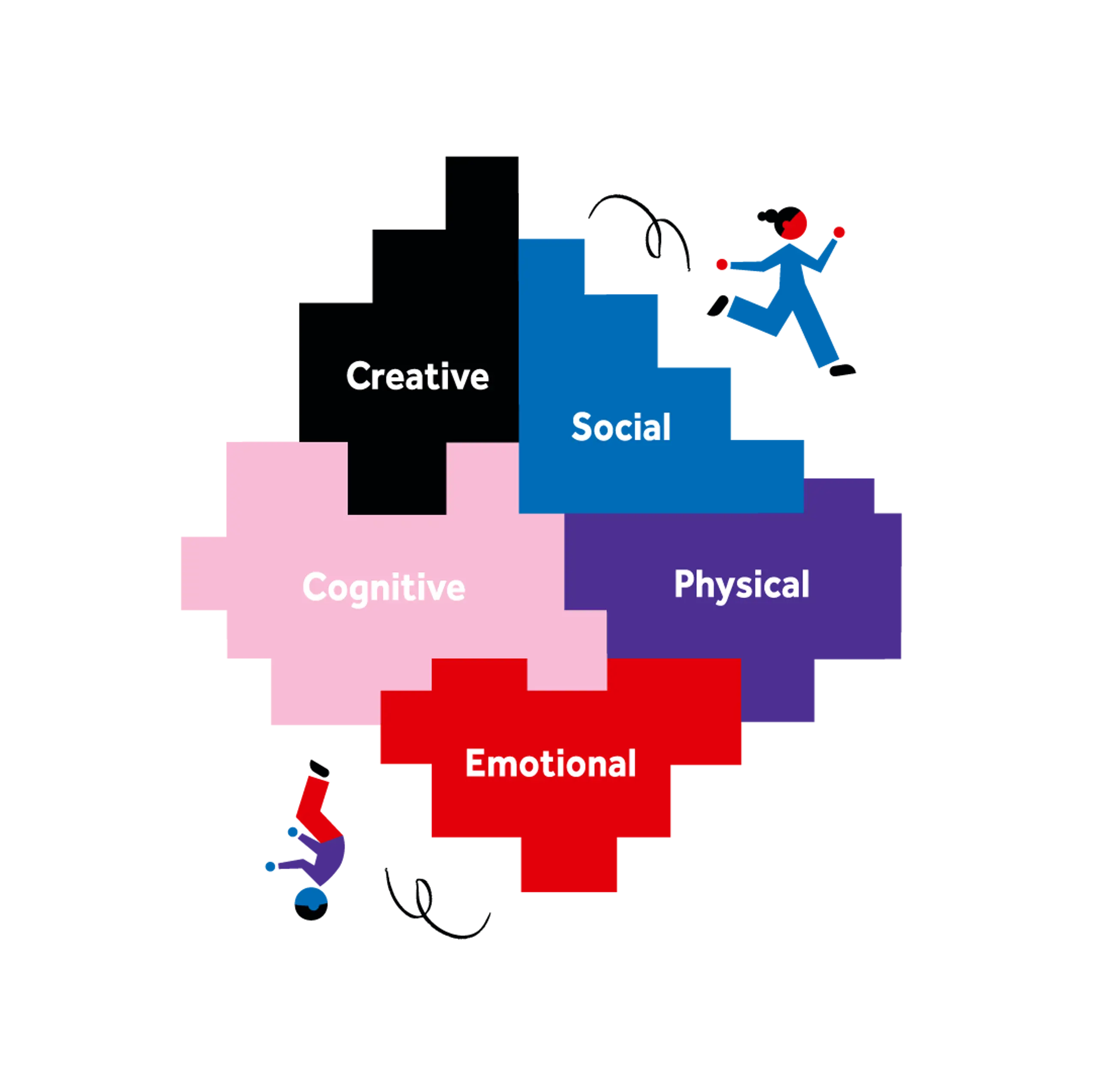
The Power of Play: How Coloring Supports Emotional Development
Coloring is often seen as a simple pastime, but for children, it's a rich, multi-sensory experience that offers numerous developmental benefits. Beyond enhancing fine motor skills and creativity, coloring provides a unique pathway to emotional growth. It's a naturally calming activity, allowing children to focus their energy and attention, which is why it's an excellent tool for introducing mindfulness for kids. The repetitive motion and concentration required create a meditative state, reducing stress and anxiety.
This quiet, focused time becomes an ideal environment for children to explore and process their internal experiences without the pressure of verbal articulation. When children engage with feelings coloring page and printables, they are given a safe, non-threatening space to connect with abstract emotions in a concrete way. It transforms potentially overwhelming feelings into something manageable and tangible, making it a truly calm learning activity.
Beyond Hues: Coloring as a Tool for Emotional Expression
Imagine a child feeling a swirl of anger inside. Instead of lashing out, they pick up a red crayon and vigorously fill in a "grumpy face" on a coloring sheet. This simple act is powerful. Coloring provides a non-verbal outlet for children to express feelings that they might not yet have the words for. The colors they choose, the pressure they apply, and the way they fill the page can all be reflections of their inner state. A bright, cheerful drawing might signal happiness, while darker, more intense colors could indicate sadness or frustration.
By engaging with coloring pages specifically designed to represent emotions, children learn to associate certain colors or patterns with different feelings. This visual representation helps them to externalize their emotions, making them less abstract and easier to understand. It's a gentle way for them to release pent-up energy and communicate their internal world without having to say a single word.

Building Vocabulary for Feelings: Naming Emotions Through Art
One of the biggest hurdles for young children is not just feeling an emotion, but also identifying and naming it. This is where feelings coloring page and printables become invaluable. These resources often depict characters or scenarios illustrating various emotions—happy, sad, angry, surprised, scared, confused. As children color these images, they are prompted to think about what each emotion looks like and feels like.
Parents and educators can use these moments to introduce and reinforce emotional vocabulary. "Look, this character has a big smile! What do you think they're feeling?" or "This character has tears. What emotion might that be?" By consistently linking the visual representation with the verbal label, children begin to recognize emotions more readily. They learn that the fluttery feeling in their tummy might be excitement, or the tight knot in their chest could be worry. This foundational understanding is critical for developing robust emotional awareness.

Integrating Feelings Coloring Pages into Your Routine
Incorporating emotional intelligence activities into your daily life doesn't have to be complicated. Feelings coloring pages are incredibly versatile and can be used in various settings, making them perfect for both home and classroom environments.
For Homeschooling Parents: A Simple SEL Curriculum Addition
If you're homeschooling, integrating <a href="internal-link-to-free-SEL-resources" target="self">feelings coloring page and printables into your existing <a href="internal-link-to-homeschool-social-emotional-learning" target="self">homeschool SEL curriculum is wonderfully straightforward. Designate a specific "feeling time" each day or week where your child can choose a coloring page that resonates with how they're feeling, or one that introduces a new emotion. You can use these pages as conversation starters during breakfast, as a calming activity before bed, or as a transition between academic subjects. Keep a dedicated "feelings journal" where completed pages can be stored, allowing you and your child to look back and discuss their emotional journey over time. This consistent practice builds a strong routine around emotional check-ins.
For Classroom Educators: Enhancing Social-Emotional Learning
Teachers can leverage feelings coloring pages to enrich their social-emotional learning programs. Create a "Calm Corner" in your classroom stocked with various calm learning activities, including a selection of emotion-themed coloring sheets. When a child needs a moment to regulate their emotions, they can choose a page and engage in a quiet, reflective activity. These printables are also excellent for group discussions. Project an emotion coloring page onto a whiteboard and discuss as a class: "What do you think is happening here?" "When have you felt this way?" They can also be used as morning work, during transition times, or as a creative art activity that naturally fosters emotional awareness.
Practical Tips for Maximizing Emotional Learning with Coloring
To make the most of your emotional awareness coloring sessions, consider these helpful tips:
- Encourage Discussion, Don't Force It: After coloring, gently ask about their choices. "Why did you choose that color for happy?" "What made the character feel this way?" Listen actively and validate their responses.
- Model Emotional Expression: Share your own feelings appropriately. "I'm feeling a little frustrated right now because my computer is slow, but I'm going to take a deep breath." This teaches children that all emotions are okay.
- Create a Safe Space: Ensure your child feels safe to express any emotion, without judgment. Reassure them that there are no "bad" feelings, only different ways to express them.
- Use "I Feel" Statements: Guide children to use "I feel..." statements when discussing their emotions. "I feel sad when my toy breaks" rather than "My toy makes me sad." This promotes personal responsibility for feelings.
- Connect Feelings to Actions: After identifying an emotion, discuss healthy ways to respond. "When we feel angry, what are some safe things we can do?" This helps them learn to express feelings constructively.
Choosing the Right Feelings Coloring Page and Printables
When selecting feelings coloring page and printables, look for designs that are age-appropriate and engaging for young children. Simple, clear illustrations of faces and body language can help children easily recognize emotions. It's also beneficial to choose printables that depict a wide range of emotions, including positive, negative, and complex feelings, to build a comprehensive emotional vocabulary. Look for resources that offer diverse characters, allowing all children to see themselves represented. Many online platforms offer free, high-quality printables that are perfect for getting started.
Foster Emotional Growth with Our Free Emotional Intelligence Resources
Nurturing emotional intelligence in young children is one of the most valuable gifts you can give them. By integrating simple, engaging activities like coloring with feelings coloring page and printables, you provide a gentle yet powerful pathway for them to recognize emotions, build essential emotional awareness, and confidently express feelings. These calm learning activities are not just about art; they're about building a foundation for empathy, resilience, and a lifetime of well-being.
Ready to bring more color and emotional understanding into your child's life? We believe in empowering parents and educators with accessible tools. Foster emotional growth with our free emotional intelligence resources! Explore our collection of feelings coloring pages and printables designed to make learning about emotions fun and impactful. Start building a brighter, more emotionally intelligent future today.


0 Comments