
Wildlife Adventures: Explore Animal Habitats with Engaging Coloring Pages
Get ready for an incredible journey, young explorers! Have you ever wondered where a majestic lion sleeps, or how a playful dolphin finds its food? The natural world is bursting with incredible creatures, each living in its own unique "animal habitat." Imagine being able to visit these fascinating places, from the scorching deserts to the frosty poles, all from the comfort of your home! Thanks to amazing "coloring page and printables," you can embark on an unforgettable wildlife adventure, learning all about "animal homes" while having tons of "learning fun."This article is your ticket to a world of discovery. We're going to dive deep into what makes an "animal habitat" special, explore why "coloring page and printables" are the perfect tool for "wildlife education," and journey through different environments across the globe. You'll not only unleash your creativity but also become a true expert in the incredible diversity of life on Earth. So grab your crayons, markers, or colored pencils, because our adventure is about to begin! Get ready to transform blank pages into vibrant ecosystems and bring the animal kingdom to life, one stroke of color at a time. This is "homeschool science" at its most exciting!

What's an Animal Habitat, Anyway? Your Wild Classroom Awaits!
Before we pack our imaginary bags and set off, let's understand our destination: an "animal habitat." Simply put, an "animal habitat" is the natural home or environment where an animal lives. It’s like their very own neighborhood, providing everything they need to survive: food, water, shelter, and a safe space to raise their young. Every animal is perfectly adapted to its specific habitat, meaning their bodies and behaviors are designed to thrive in that particular place. Think of a polar bear with its thick fur in the icy Arctic, or a giraffe with its long neck reaching leaves high in the savanna.Understanding "animal homes" is a crucial part of "wildlife education." It helps us appreciate how interconnected all living things are and how important it is to protect these environments. Through engaging "coloring page and printables," you can visually explore these complex ecosystems. Each time you color a tree in a forest scene or a fish in an ocean setting, you’re not just coloring; you’re building your knowledge of "homeschool science" and bringing these vibrant worlds to life. It’s an immersive way to experience "learning fun" and become a true nature detective.
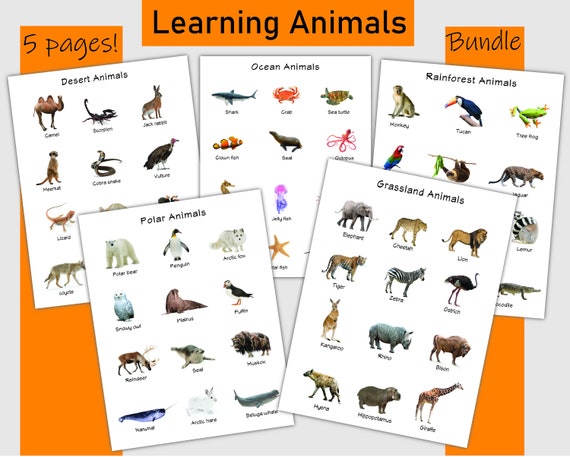
From Jungles to Oceans: Understanding Diverse Animal Homes
Our planet is a mosaic of incredible habitats, each with its own set of challenges and wonders. Imagine the steamy, dense rainforests teeming with exotic birds and elusive big cats, or the vast, mysterious oceans, home to whales, sharks, and countless fish. Then there are scorching deserts where creatures like camels and meerkats have found clever ways to survive with little water, and the frozen tundras where resilient animals like arctic foxes brave the cold. Each of these environments offers a unique set of conditions that shapes the animals living there.Learning about these diverse "animal homes" through "coloring page and printables" allows you to see the intricate details of each ecosystem. You can visualize the plants that grow there, the climate, and the other animals that share the space. This visual learning strengthens your understanding of "wildlife education" and makes complex concepts much easier to grasp. It’s a fantastic way to turn screen time into an educational adventure, fostering curiosity and a love for nature.

Why Coloring Pages Make Wildlife Education So Much Fun!
You might think coloring is just for playtime, but did you know it’s also a super powerful learning tool? When you pick up a "coloring page and printables" depicting a bustling "animal habitat," you're not just filling in shapes. You're engaging multiple parts of your brain, making the learning experience incredibly effective and enjoyable. It’s the ultimate "learning fun" activity that blends creativity with core "homeschool science" concepts.Coloring helps you develop important fine motor skills, which are essential for writing and other daily tasks. It also improves hand-eye coordination and concentration as you focus on staying within the lines and choosing the right colors. But beyond these skills, coloring specifically enhances "wildlife education" by allowing you to visualize and remember information about "animal homes" in a memorable way. When you color a sloth hanging in a rainforest tree, you're not just seeing the sloth; you're mentally placing it within its natural environment, understanding its slow movement, and imagining the lush green canopy it calls home.
Bringing "Animal Homes" to Life with "Coloring Page and Printables"
Imagine having a "coloring page and printables" set that takes you on a tour of a coral reef. As you color the vibrant fish, the intricate coral formations, and the swaying seaweed, you’re actively constructing that "animal habitat" in your mind. This hands-on engagement makes the information stick much better than just reading about it in a book. You start to notice the details: the patterns on a leopard's fur, the spots on a ladybug, or the unique shape of a kangaroo's tail. These details become part of your understanding of how each animal fits into its "animal habitat."Furthermore, "coloring page and printables" encourage you to ask questions. Why is the polar bear white? (Camouflage in the snow!) Why does a desert fox have such big ears? (To release heat!) This natural curiosity is the foundation of great "homeschool science" learning. It turns passive information into an active quest for knowledge, making "wildlife education" an exciting personal journey.
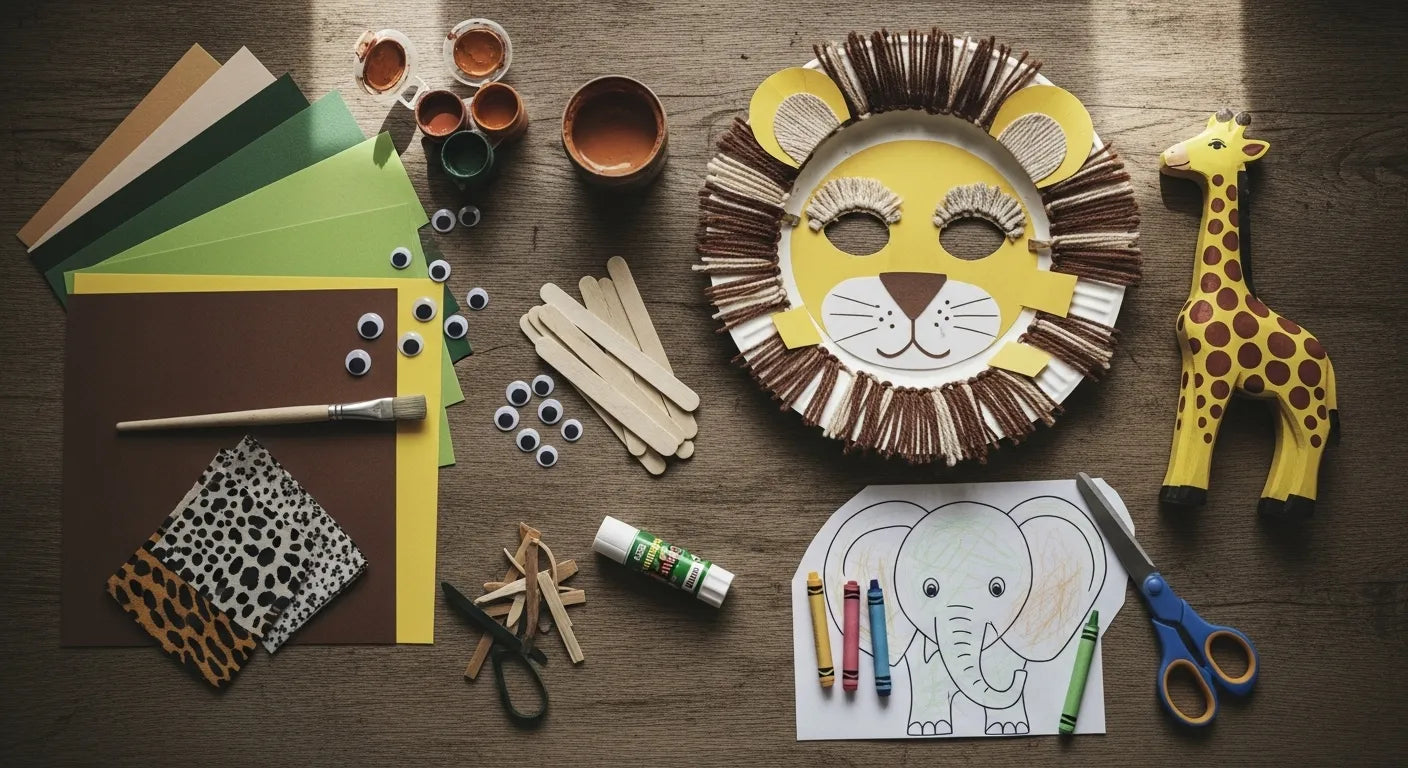
Your Safari Checklist: Exploring Different Animal Habitats Through Art
Ready to pack your virtual binoculars and embark on a coloring safari? Let's explore some incredible "animal habitat" examples and think about how your "coloring page and printables" can bring them to life. Each habitat offers unique challenges and opportunities for the animals that call it home, providing endless "learning fun."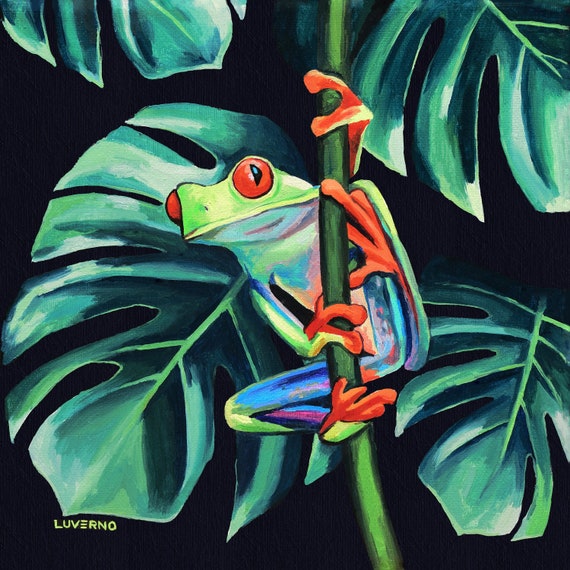
The Lush Rainforest: Home to Colorful Creatures
Our first stop is the rainforest, a vibrant, noisy, and incredibly diverse "animal habitat." Imagine towering trees, exotic flowers, and a constant symphony of animal sounds. Here, you'll find animals like chameleons blending into leaves, colorful macaws soaring through the canopy, playful monkeys swinging from vines, and even stealthy jaguars prowling the forest floor.- Coloring Challenge: Use every shade of green you can find for the leaves and trees. Don't forget bright reds, blues, and yellows for the exotic birds and flowers!
- Wildlife Fact: Rainforests cover less than 6% of Earth's land but are home to more than half of the world's plant and animal species!
- Image Alt Text Suggestion: "Vibrant rainforest coloring page with a toucan, monkey, and jaguar amidst lush foliage."
- Coloring Challenge: Experiment with different shades of blue for the water, and use bright, bold colors for the fish and coral.
- Wildlife Fact: The ocean covers over 70% of our planet, and scientists believe we've only discovered a fraction of the species living there!
- Image Alt Text Suggestion: "Ocean habitat coloring page featuring a whale, clownfish, and coral reef."
- Coloring Challenge: Use whites, grays, and light blues for the snow and ice, adding subtle hints of color for the animals.
- Wildlife Fact: Many Arctic animals have special layers of fat or extremely dense fur to keep warm in temperatures that can drop below -40 degrees Fahrenheit!
- Image Alt Text Suggestion: "Arctic habitat coloring page with a polar bear and arctic fox on an ice floe."
- Coloring Challenge: Use yellows, browns, and oranges for the dry grass, and earthy tones for the animals.
- Wildlife Fact: The savanna is famous for the Great Migration, where millions of wildebeest, zebras, and gazelles travel thousands of miles in search of food and water.
- Image Alt Text Suggestion: "African savanna coloring page with a giraffe, elephant, and lion under a baobab tree."
- Coloring Challenge: Draw and color the animals you see around your home, paying attention to where they live and what they eat.
- Wildlife Fact: Even tiny insects play a huge role in their local ecosystem, pollinating plants and breaking down organic matter!
- Image Alt Text Suggestion: "Backyard habitat coloring page with a birdhouse, squirrel, and butterfly."
- Internal Link Suggestion: Discover more engaging science activities for kids! (Anchor text: "engaging science activities for kids")
- External Link Suggestion: Learn more about animal habitats from National Geographic Kids. (Anchor text: "National Geographic Kids")
The Vast Ocean: A Deep Dive into Aquatic Worlds
Next, we plunge into the incredible "animal habitat" of the ocean, a mysterious world filled with wonders. From the shallow coral reefs to the deepest trenches, the ocean is home to an astonishing array of life. Think about graceful sea turtles, playful dolphins, majestic whales, speedy sharks, and countless types of fish, all perfectly adapted to life underwater.The Snowy Arctic: Surviving the Chill
Brrr! Our next "animal habitat" is the frosty Arctic, a vast, icy wilderness near the North Pole. Despite the extreme cold, many animals thrive here, thanks to incredible adaptations. Think of polar bears with their thick fur and blubber, arctic foxes with their camouflaged coats, and seals diving for fish under the ice.The Grassy Savanna: Land of Giants
Welcome to the savanna, a vast grassland "animal habitat" found in Africa, home to some of the world's largest land animals. Imagine herds of elephants, towering giraffes, powerful lions, speedy cheetahs, and zebras grazing in the endless plains. The savanna experiences distinct wet and dry seasons, which animals must adapt to.Your Own Backyard: Local "Animal Homes"
You don't always need to travel far to find an "animal habitat"! Your own backyard, a local park, or a nearby forest is brimming with incredible "animal homes." Look for busy ants building their nests, birds constructing intricate homes in trees, squirrels burying nuts, or even earthworms enriching the soil. These local "wildlife education" opportunities are fantastic for hands-on "homeschool science."Beyond the Crayons: Expanding Your "Wildlife Education"
Coloring is just the beginning of your "wildlife education" adventure! Once you’ve colored all your fantastic "coloring page and printables," there are countless ways to continue your "learning fun" and deepen your understanding of "animal homes." This is where "homeschool science" truly shines, allowing you to explore topics in creative and engaging ways.Turn Your Art into a "Homeschool Science" Project
Your colored pages can become the foundation for amazing science projects. Why not create a mini-diorama of a rainforest using your colored animals? Or perhaps you could research one of the animals you colored and write a short report about its adaptations to its "animal habitat." You could even present your findings to your family, becoming a young wildlife expert!Share Your Masterpieces and Inspire Others
Don’t keep your incredible artwork to yourself! Share your finished "coloring page and printables" with friends, family, or even online (with adult permission, of course!). Explain what you’ve learned about each "animal habitat" and the creatures that live there. You might inspire someone else to embark on their own "wildlife education" journey! Creating a gallery of your "animal homes" artwork is a wonderful way to celebrate your learning.Conclusion: Your World of Wildlife Awaits!
What an incredible journey we've had, exploring the diverse and fascinating world of "animal habitats" through the power of "coloring page and printables"! We've learned that every creature has a special home, perfectly suited to its needs, and that understanding these "animal homes" is a vital part of "wildlife education." From the steamy rainforests to the icy Arctic, your crayons have brought these vibrant ecosystems to life, making "homeschool science" an adventure filled with "learning fun."Remember, every stroke of color is a step closer to becoming a true champion for wildlife. By engaging with these "coloring page and printables," you're not just creating beautiful art; you're building knowledge, sparking curiosity, and fostering a deep appreciation for the natural world. Keep exploring, keep coloring, and keep learning about the amazing animals that share our planet. The more you learn, the more you’ll want to protect these precious habitats for future generations.
Embark on a coloring journey through animal habitats today and let your imagination roam wild!


0 Comments