
Nurturing Emotional Intelligence: How Coloring Helps Kids Recognize and Express Feelings
As parents and educators, we all want our children to thrive, not just academically, but emotionally. In a world that often prioritizes cognitive skills, the importance of emotional intelligence (EQ) for young learners cannot be overstated. EQ is the ability to understand, use, and manage your own emotions in positive ways to relieve stress, communicate effectively, empathize with others, overcome challenges, and defuse conflict. But how do we teach such complex skills to little ones still learning their ABCs? The answer might be simpler, and more colorful, than you think.Imagine a tool that is readily available, universally loved by children, and incredibly effective at opening doors to emotional understanding. That tool is coloring. Beyond just a fun pastime, feelings coloring page and printables offer a gentle, non-intrusive way for children to explore their inner world. This article will delve into how incorporating coloring into daily routines can become a cornerstone of your child's emotional development, fostering emotional awareness, building resilience, and equipping them with essential life skills. We'll explore practical strategies, discuss how this simple activity fits perfectly into a homeschool SEL curriculum, and highlight its role in creating calm learning activities that empower kids to both recognize emotions and express feelings in healthy ways.

The Power of Emotional Intelligence in Childhood
Emotional intelligence is a foundational skill that impacts every aspect of a child's life, from their ability to make friends to their academic success and future well-being. Unlike IQ, which is largely innate, EQ can be nurtured and developed over time. Starting early gives children a significant advantage in navigating the complexities of their inner world and external relationships.
Why Emotional Awareness Matters for Young Learners
For young children, emotions can feel overwhelming and confusing. They experience intense joy, frustration, anger, and sadness, often without the vocabulary or understanding to process these powerful sensations. This is where emotional awareness comes in. Helping children identify and name their feelings is the crucial first step towards managing them. When a child can say, "I feel sad," instead of having a meltdown, they've taken a monumental leap in their emotional development. This self-awareness builds a strong foundation for empathy, social skills, and self-regulation. Without this awareness, children might struggle with impulse control, understanding social cues, and forming healthy relationships.
Building Blocks for a Resilient Future
Children with strong emotional intelligence are better equipped to handle life's inevitable ups and downs. They develop resilience, the ability to bounce back from adversity. They learn to cope with stress, solve problems, and adapt to change. These are not just "soft skills"; they are critical life skills that contribute to mental health and overall happiness. By teaching children to understand their emotions, we're not just helping them in the present; we're investing in their future capacity to navigate challenges with confidence and grace. This proactive approach to emotional well-being is a gift that lasts a lifetime.
Coloring as a Gateway to Emotional Understanding
Coloring is more than just an art activity; it's a powerful psychological tool. It engages children in a focused, creative process that can be incredibly therapeutic. When combined with specific themes, such as emotions, it transforms into an invaluable educational resource.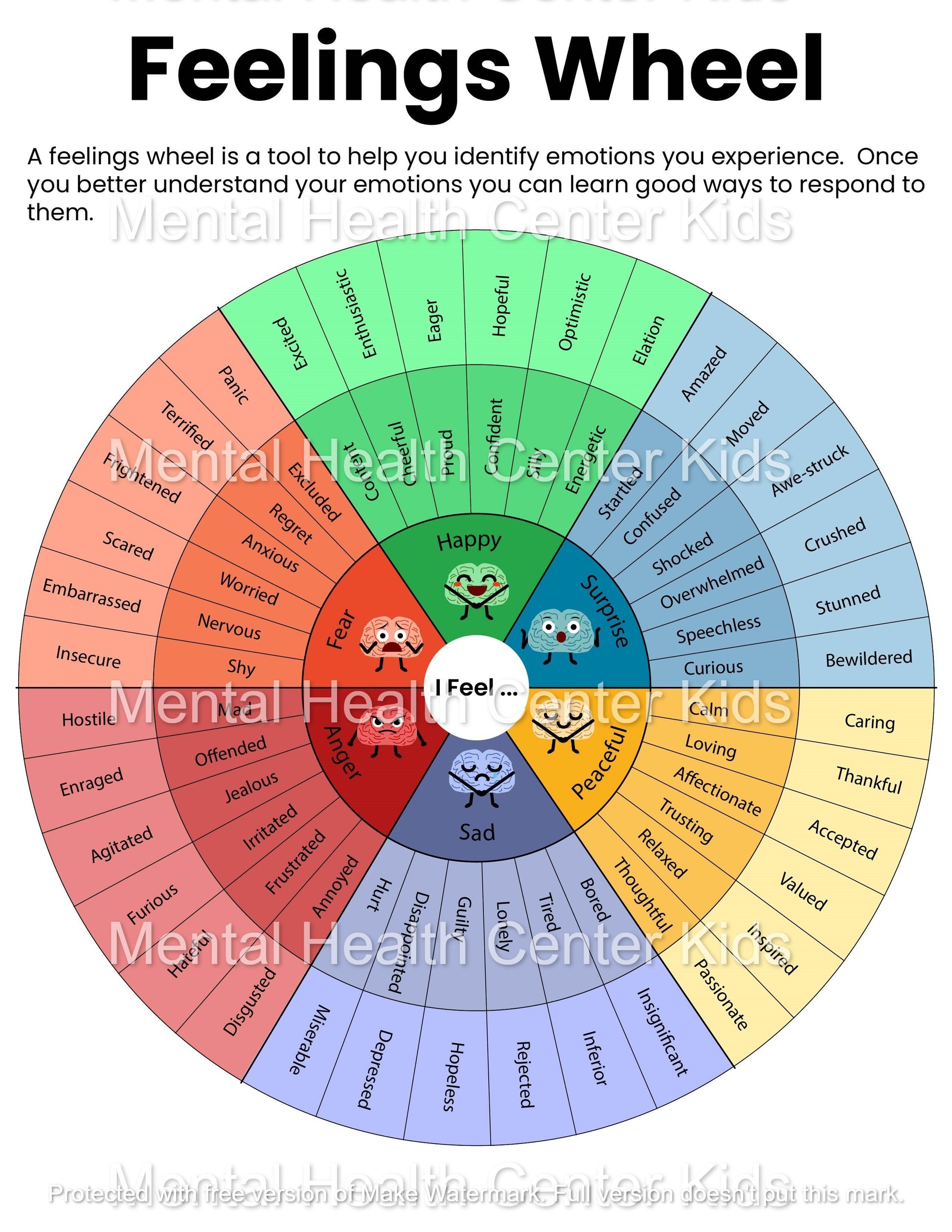
Making Sense of Big Feelings with Feelings Coloring Page and Printables
Imagine a child who is struggling to articulate their anger. Handing them a feelings coloring page and printables depicting a frustrated monster or a fiery dragon can provide an immediate, visual representation of what they might be feeling internally. As they choose colors and fill in the image, they're engaging with that emotion in a safe, structured way. These printables often feature characters or scenarios illustrating various emotions—happy, sad, angry, scared, surprised, calm—giving children a concrete visual to associate with abstract feelings.For instance, a page might show a child with tears, labeled "sad." As your child colors, you can gently ask, "What makes the child in the picture feel sad? Have you ever felt this way?" This opens up a dialogue without the pressure of direct questioning, making it easier for children to relate and share their own experiences. The act of coloring itself can be very calming, allowing children to process difficult emotions without being overwhelmed.
A Gentle Path to Recognize Emotions
One of the greatest benefits of using coloring for emotional development is its non-verbal nature. Children who might struggle to put their feelings into words can often recognize emotions visually long before they can express them verbally. Coloring pages act as a mirror, reflecting different emotional states back to them in a friendly, approachable format.When children repeatedly engage with these visual representations, they begin to build an internal library of emotional cues. They learn to differentiate between a "happy face" and a "sad face," not just on the page, but eventually in themselves and others. This visual learning is particularly effective for young children and those who are shy or have communication challenges. It provides a low-pressure environment where emotions are normalized and explored without judgment.
Integrating Coloring into Your Homeschool SEL Curriculum
For parents and educators utilizing a homeschool SEL curriculum, incorporating coloring activities is a seamless and highly effective strategy. Social-Emotional Learning (SEL) focuses on five core competencies: self-awareness, self-management, social awareness, relationship skills, and responsible decision-making. Coloring can support all of these.Creating a Calm Learning Activities Environment
The very act of coloring is inherently calming. It requires focus and fine motor skills, drawing children into the present moment. This makes it an ideal component for calm learning activities, especially during transitions or when children need a quiet break from more stimulating tasks. Setting aside a dedicated time for coloring emotions pages can help regulate a child's mood, reduce anxiety, and prepare them for focused learning. It teaches them to self-soothe and find peace in a creative outlet.Consider starting your day with a "feelings check-in" coloring page, or using one after a particularly energetic play session. This helps children transition from high energy to a more relaxed, reflective state, promoting better concentration and emotional balance throughout the day.
Beyond the Crayons: Discussing Emotions
The real magic happens when coloring becomes a springboard for conversation. Once your child is engaged with their feelings coloring page and printables, use it as an opportunity to delve deeper.- Ask Open-Ended Questions: Instead of "Are you happy?", try "What color did you choose for joy, and why?" or "What do you think makes this character feel scared?"
- Share Your Own Feelings: Model emotional openness by saying, "This picture reminds me of a time I felt surprised. My eyes got really wide!"
- Connect to Real-Life: "Remember when your friend shared their toy? That's a happy feeling, just like this one!"
- Validate Emotions: Emphasize that all feelings are okay. "It's perfectly normal to feel angry sometimes. What can we do when we feel angry?"
- Offer a Variety of Materials: Provide crayons, markers, colored pencils, and even paints to allow for different forms of expression.
- Encourage Free Expression: While structured coloring pages are great for recognition, also offer blank paper for children to draw how they feel without any prompts.
- Observe and Reflect: Notice color choices, intensity, and subject matter without imposing your own interpretations. You might say, "I see you used a lot of red today. Red often feels like a strong color."
- Create a Dedicated "Feelings Corner": Designate a cozy space with a table, art supplies, and a stack of feelings coloring page and printables. Make it inviting and accessible.
- Regular Check-Ins: Make coloring about feelings a regular part of your day or week. It could be a morning routine, a post-school activity, or a quiet time before bed. Consistency is key.
- Expand Beyond Basic Emotions: As children grow, introduce more nuanced feelings like "frustrated," "nervous," "proud," or "grateful."
- Use Storytelling: After coloring, encourage your child to tell a story about the character or scene they colored. This further develops their narrative and emotional understanding.
- Keep it Playful: The goal is exploration and expression, not perfection. Celebrate their effort and creativity, regardless of the artistic outcome.
- Utilize Resources: Search online for "free feelings coloring pages" or "emotional intelligence printables for kids" to find a wealth of options. Many educational websites offer these resources.
- The Benefits of Social-Emotional Learning for Young Children
- Mindfulness Activities for a Calmer Classroom
- Understanding and Managing Big Emotions in Toddlers
- The Collaborative for Academic, Social, and Emotional Learning (CASEL) - For authoritative information on SEL.
- Psychology Today: Emotional Intelligence in Children - For expert insights on EQ.
child coloring a feelings page with crayonsvarious feelings coloring page printables spread on a tableparent and child discussing emotions while coloringmindful child focused on coloring activitychildren expressing feelings through art- Headline: Nurturing Emotional Intelligence: How Coloring Helps Kids Recognize and Express Feelings
- Description: Discover how feelings coloring pages and mindful activities can teach children to recognize and express emotions, fostering crucial emotional intelligence from a young age. Perfect for parents and educators! #EmotionalIntelligence #KidsActivities #SEL #MindfulnessForKids #ParentingTips
These conversations help children build their emotional vocabulary and understand that feelings are a natural part of being human.
Fostering Mindfulness for Kids Through Creative Expression
In our fast-paced world, teaching mindfulness for kids is more important than ever. Mindfulness is about paying attention to the present moment without judgment, and coloring is a fantastic way to cultivate this skill in young children.The Therapeutic Benefits of Focused Play
When a child is deeply engrossed in coloring, they are practicing mindfulness. They are focused on the colors, the lines, the texture of the crayon on the paper. This focused attention helps to quiet the mind, reduce stress, and improve concentration. It's a form of active meditation that doesn't feel like work. Regular engagement in such calm learning activities can significantly contribute to a child's overall sense of well-being and emotional regulation. It teaches them to find moments of peace and calm, even amidst chaos.Helping Children to Express Feelings Safely
Art provides a powerful, non-threatening outlet for children to express feelings that might be too difficult or complex to verbalize. A child who is experiencing sadness might choose dark colors for their drawing, or press down hard with their crayon if they're feeling frustrated. These are subtle yet significant ways for them to communicate their inner state.By providing this safe space, we empower children to process their emotions creatively, preventing feelings from bottling up and potentially leading to outbursts or internal distress.
Practical Tips for Parents and Educators
Ready to integrate emotional intelligence coloring into your child's routine? Here are some actionable tips:Conclusion: Color Your Way to Emotional Well-being
Nurturing emotional intelligence in children is one of the most valuable investments we can make in their development. Through the simple, engaging, and deeply therapeutic act of coloring, we offer young learners a gentle pathway to recognize emotions, express feelings safely, and build a robust foundation for lifelong well-being. From incorporating feelings coloring page and printables into your homeschool SEL curriculum to fostering mindfulness for kids with calm learning activities, the power of crayons and paper is truly transformative.By embracing this colorful approach, we equip children with the self-awareness and emotional resilience needed to navigate their world with confidence and kindness. Let's empower our children to understand their hearts as well as their minds.
Ready to help your child explore their emotions in a fun and creative way?
Foster emotional growth with our free emotional intelligence resources! (Internal Link Suggestion: Link to a landing page offering free printables, guides, or other related content.)
--- Suggested Internal Links:
Suggested External Links (open in new tab):
Image Alt Text Suggestions:
Social Sharing Optimization:


0 Comments