
Here is the polished, publication-ready version of your article. All placeholder text has been removed, and the content has been refined for clarity, professionalism, and reader engagement while preserving the original structure and Markdown formatting.
---
Laying the Foundation: Interactive Math Activities for Early Learners (Kindergarten Math Worksheets Printable & Homeschool Math)
Introduction
Strong early math skills are the building blocks for confident learners. Whether you teach in a homeschool setting or a kindergarten classroom, hands-on, playful math experiences make abstract ideas concrete and memorable. This article shows families and teachers how to build number sense through engaging activities that combine counting practice, number recognition, patterning, and simple problem-solving—all aligned with the needs of early learners. You’ll find practical, low-prep ideas, classroom-tested variations, and tips for using printable kindergarten math worksheets to reinforce learning at home. By the end, you’ll have a toolkit of interactive math activities that turn gentle practice into deep understanding—and a call to action to start hands-on learning with our printable kindergarten math worksheets.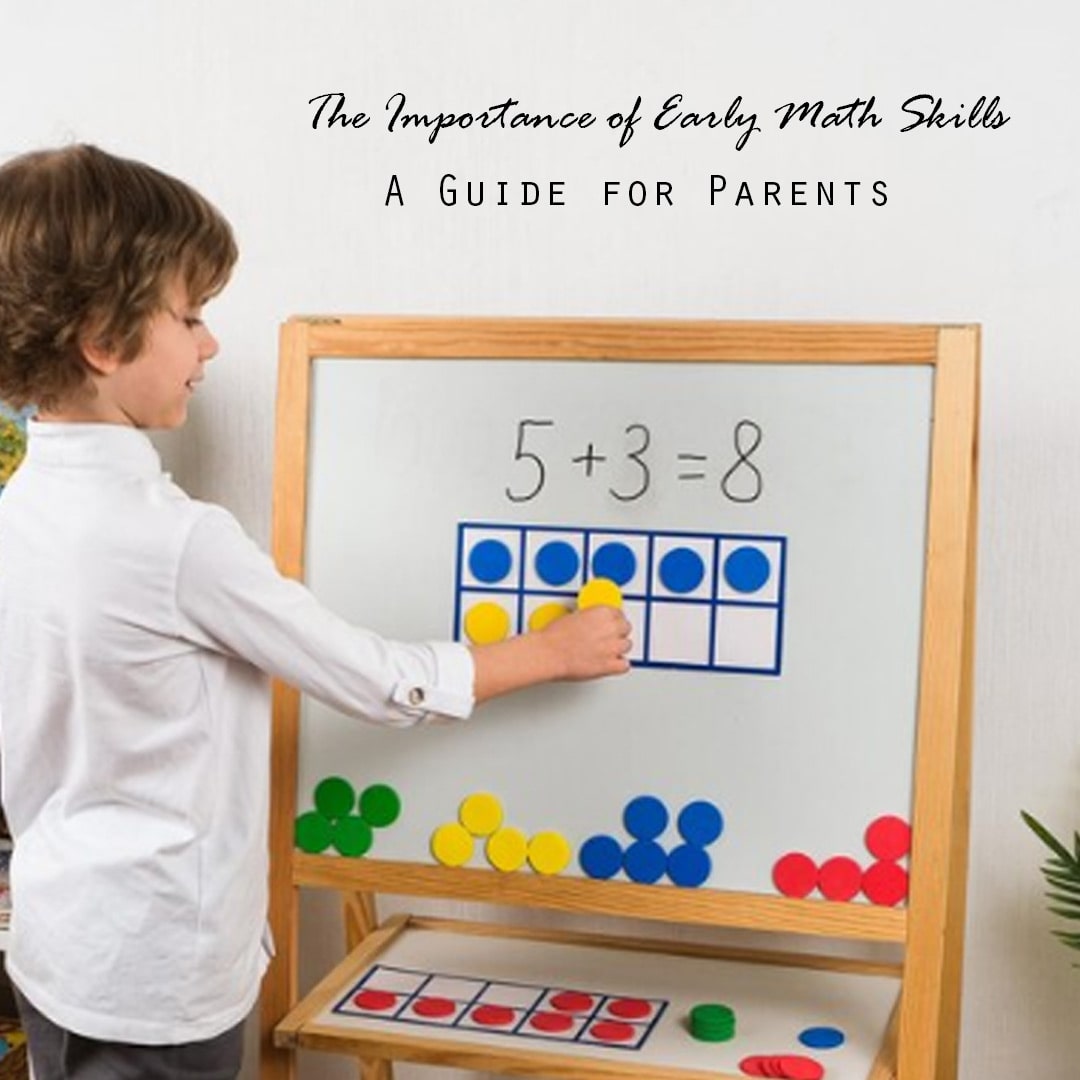
Why Early Math Skills Matter
Early math skills predict later school success. Research and classroom observations show that children who develop number sense, pattern recognition, and counting fluency in the early years transition more easily into addition, subtraction, and higher-level concepts. For young children, math is best learned through play, movement, and concrete materials. Integrating printables into tactile activities helps solidify learning while supporting fine motor development and following directions.Core Early Math Skills to Target
- Counting practice: stable one-to-one correspondence and counting aloud to 20 or beyond- Number recognition: identifying numerals and matching quantities
- Subitizing: instantly recognizing small quantities without counting
- Comparing and sorting: more/less, bigger/smaller, same/different
- Patterns and sequencing: AB, AAB, ABC patterns and simple sequencing tasks
- Early measurement and spatial skills: length, weight, position words
- Place a number card and a pile of mixed counters at each station.
- Children count out the matching number of counters and place them next to the card.
- Variation: Add ten-frame printables and have children fill frames to visualize the quantity.
- Child rolls the die, counts the dots, and records the total on the worksheet (e.g., draw tallies, color boxes, or stamp circles).
- Play in pairs or small groups for turn-taking practice.
- Create a hopscotch grid with numbers 1–10.
- Call out a number and ask children to hop to it, or toss a beanbag and identify the number landed on.
- Use pattern cards showing AB or AAB patterns.
- Children thread beads to copy or continue the pattern on a pipe cleaner bracelet.
- Flash a dot card briefly; children shout or write how many they saw.
- For group play, use a “snap” style game where matching dot quantities are paired.
- Children “shop” with a set amount, compare prices, and count out coins to buy items.
- Use printable lists where children check off or circle item quantities.
- Use printables as assessment and reinforcement, not the sole activity. After a hands-on session, provide a worksheet that mirrors the activity so children can transfer skills on paper.
- Keep worksheets short and visually inviting. One focused task per sheet sustains attention.
- Provide manipulatives for differentiation. Children who struggle can use counters on top of the worksheet.
- Incorporate choice. Offer two or three worksheet levels and let children pick one to build autonomy and motivation.
- Track progress. Use a simple checklist to note mastery (e.g., counts to 20, recognizes numbers 0–10).
- Tuesday: Roll-and-Record game + ten-frame worksheet
- Wednesday: Pattern Bracelet Bar + pattern recognition printable
- Thursday: Grocery Store Math + comparison worksheet
- Friday: Subitizing Snap + mixed review printable
- Create math-rich environments: label shelves with numbers, display number lines, and use number posters.
- Celebrate mistakes: view errors as learning opportunities and model thinking aloud.
- Partner with families: send home short printable activities that build routines (e.g., counting items during snack time).
- Integrate literature: pair read-alouds with math activities (books about counting, shapes, and patterns).
- Link to your downloadable kindergarten math worksheets printable (anchor text: printable kindergarten math worksheets)
- Suggest an article on "10 Hands-On Math Manipulatives for Homeschoolers" (anchor text: best math manipulatives)
- Early math research and standards from the National Association for the Education of Young Children (NAEYC) (open in a new window)
- Early childhood math learning resources from the National Council of Teachers of Mathematics (NCTM) (open in a new window)
- "Printable kindergarten math worksheets with numbers and ten-frames"
- "Children threading beads to make pattern bracelets"
Interactive Activities That Build These Skills
Below are easy-to-set-up activities you can use with small groups, whole classes, or one-on-one during homeschool sessions. Each activity pairs well with printable kindergarten math worksheets for follow-up practice or assessment.1. Counting Tray Stations (Counting Practice + Number Recognition)
Materials: small tray or shallow box, counters (buttons, pom-poms, coins), number cards (printable)How to:
Why it works: Hands-on manipulation supports one-to-one correspondence and links the numeral to concrete quantity.
Tip: Rotate trays weekly with different counters to maintain novelty.
2. Roll-and-Record (Counting Practice + Fine Motor)
Materials: dice, printable recording sheets, crayons or stampsHow to:
Why it works: Builds counting fluency and introduces data collection basics.
Extension: Use two dice for sums to introduce early addition concepts.
3. Number Matchup Hopscotch (Number Recognition + Gross Motor)
Materials: sidewalk chalk or masking tape for indoor use, number cards, small beanbagsHow to:
Why it works: Combines movement with number recognition—perfect for kinesthetic learners.
Adaptation: Use picture-number match cards for those still working on numeral identification.
4. Pattern Bracelet Bar (Patterns + Fine Motor)
Materials: colored beads, pipe cleaners, pattern cards (printable)How to:
Why it works: Patterning is foundational for algebraic thinking. The craft element keeps children engaged.
Assessment: Ask children to create their own pattern for a peer to replicate.
5. Subitizing Snap (Subitizing + Social Interaction)
Materials: printable dot cards, clipboards or felt for table playHow to:
Why it works: Practicing quick recognition of small quantities improves working memory and number fluency.
Tip: Start with 1–4 dots and gradually include up to 10 as skill grows.
6. Grocery Store Math (Comparing & Early Addition)
Materials: play food or real empty packages, price tags with simple numbers, play money, printable shopping listHow to:
Why it works: Creates authentic contexts for comparing, counting, and early money concepts.
Differentiation: Simplify by using whole-number prices under 10 or introduce change-making for advanced learners.
Using Printable Kindergarten Math Worksheets Effectively
Printables are powerful when paired with active learning. Here are best practices:Sample Weekly Plan for Homeschool Math (20–30 minutes/day)
- Monday: Counting Tray Stations + printable number tracingAssessment and Differentiation
Regular, informal assessment helps tailor instruction. Observe children during play to see if they count accurately or subvocalize while counting. Use quick printable checks: one-minute counting tests, number recognition flashcards, and simple matching activities. For students needing extra support, reduce the range of numbers or provide visual aids like ten-frames. For advanced students, present larger numbers, two-digit counting, and early problem-solving puzzles.Classroom and Homeschool Tips
- Rotate materials: keep novelty high by swapping manipulatives weekly.Recommended Printables and Resources
Internal linking suggestions:External authoritative links:
Image ALT Text Suggestions
- "Child counting colorful counters on a ten-frame"FAQ (Quick Answers for Busy Parents)
Q: How long should math sessions be for kindergarteners? A: Short and frequent—15–30 minutes daily works best, combining hands-on play with brief printable practice.Q: When do I introduce addition and subtraction? A: Begin with concrete experiences in kindergarten—combining and separating groups—before moving to symbolic equations.
Q: How do I make printables engaging? A: Pair them with manipulatives, turn them into games, and offer choices to children so worksheets feel tied to play.
Conclusion
Building a strong math foundation for early learners is joyful when activities are active, playful, and connected to real-world contexts. Use counting trays, hopscotch, pattern bracelets, and subitizing games to develop number sense—and reinforce learning with carefully chosen, short printable kindergarten math worksheets. These tools help children internalize math concepts while keeping learning fun and meaningful. Start small, observe often, and celebrate progress.Call to Action
Ready to bring hands-on math to your home or classroom? Start hands-on learning with our printable kindergarten math worksheets—perfect for counting practice, number recognition, and early math skills. Download your set today and make math a playful part of every day.Social Sharing Optimization
Suggested tweet: "Make math playful! Discover interactive activities and printable kindergarten math worksheets for early learners. Start hands-on learning today. [link]"Facebook blurb: "Looking for fun math ideas for preschoolers and kindergarteners? Try these hands-on activities and printable kindergarten math worksheets to build number sense and counting practice. Download now!"
Schema Markup Recommendation
Use Article schema withmainEntityOfPage set to the article URL, headline as above, author name, publisher organization, datePublished, and an image with accessible alt text. Include keywords in the meta description: kindergarten math worksheets printable, early math skills, counting practice, number recognition, homeschool math.---
This article is ready to publish and use as a resource for homeschooling families and kindergarten teachers seeking engaging, practical strategies to develop early math skills. Start hands-on learning with our printable kindergarten math worksheets.


0 Comments