
Here is the polished, publication-ready version of your article. All placeholders have been removed, and the content has been refined for clarity, professionalism, and reader engagement.
---
Cracking the Reading Code: Comprehensive Phonics Activities for Kids
IntroductionLearning to read is one of the most powerful gifts we can give a child. For homeschooling parents and reading tutors, unlocking the “reading code” means teaching letter sounds, phonemic awareness, and decoding strategies in ways that are engaging, scaffolded, and joyful. This article explains practical, research-aligned phonics activities you can use right away, with reproducible ideas and classroom-tested routines.
You’ll learn how to build phonemic awareness, teach letter–sound correspondence, move from blending to fluency, and use structured practice—like targeted phonics worksheets—to boost confidence and accelerate progress. By the end, you’ll have a ready-to-use toolkit of activities and tips to help kids transition from guessing words to truly reading them.
---
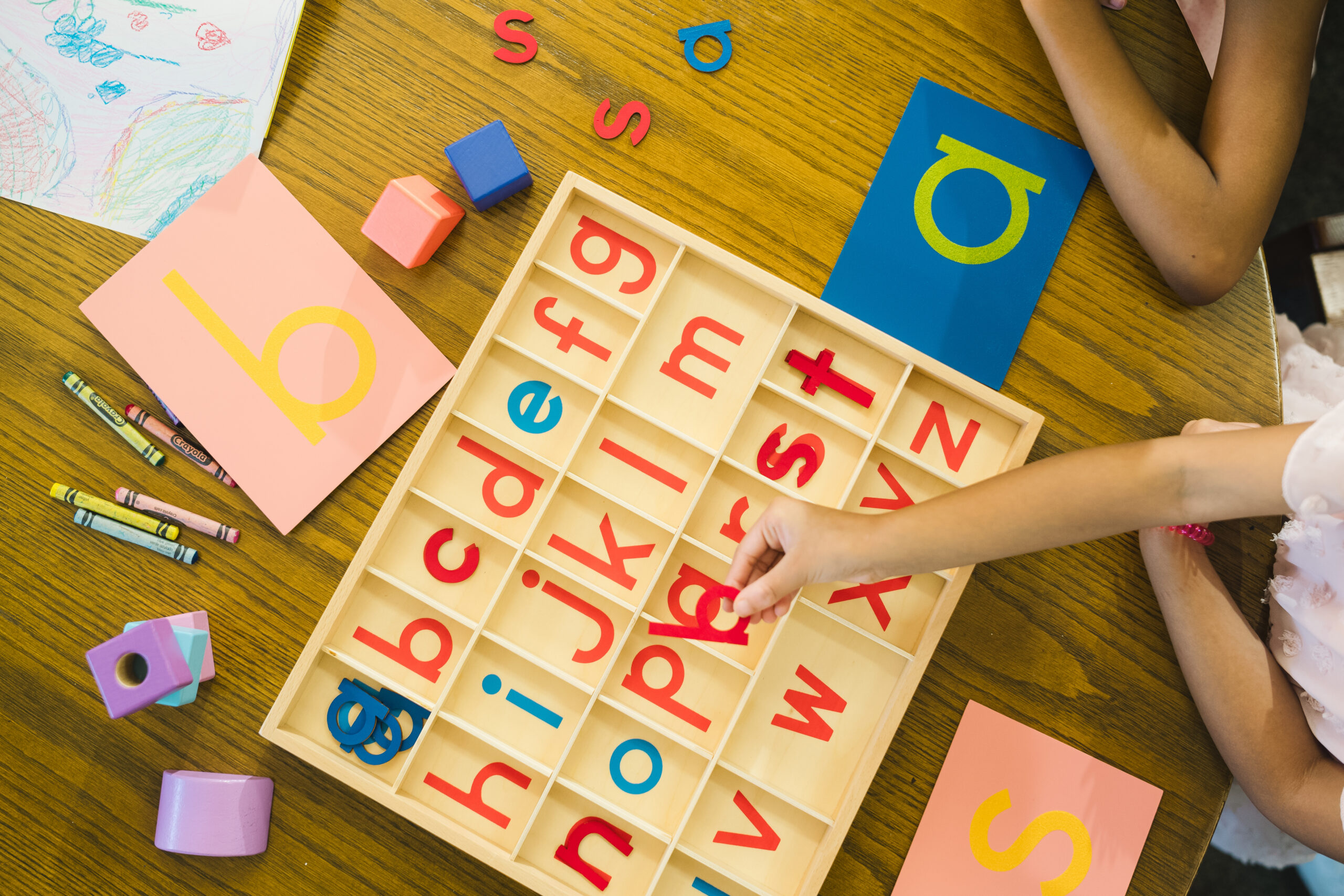
Why Phonics Matters: The Foundation of Early Literacy
Phonics teaches the predictable relationships between letters and sounds. When combined with phonemic awareness—the ability to hear, identify, and manipulate phonemes—phonics becomes the engine that drives decoding and spelling. Research consistently shows that systematic, explicit phonics instruction improves reading outcomes for young learners and those at risk of reading difficulties. For homeschoolers and tutors, a structured phonics approach creates measurable growth and reduces the frustration children often feel when decoding unfamiliar words.---
Core Elements to Include in Your Phonics Program
- Phonemic awareness: Oral activities that isolate and manipulate sounds before letters are introduced.- Letter–sound instruction: Explicit teaching of individual letter sounds, starting with high-utility, consistent grapheme–phoneme mappings.
- Blending and segmenting: Practice combining sounds to read words and isolating sounds to spell words.
- Decodable text: Short passages that use taught phonics patterns to build automaticity.
- Encoding (spelling) practice: Writing to reinforce sound–symbol correspondences.
- Fluency and prosody: Repeated reading and phrased reading to boost speed and comprehension.
- Assessment and differentiation: Frequent quick checks to tailor instruction.
- First/last sound sorting: Give picture cards; the child sorts by initial or final sound.
- Clap or tap syllables: For multisyllabic words, clap each syllable to build rhythmic awareness.
- Deletion practice: Say “say ‘stop’ without the /s/” to get top.
- Sand or salt tray: Form letters with fingers while producing the sound.
- Tactile cards: Use tactile letters for children who benefit from touch.
- Picture matching: Match pictures to letter cards focusing on initial sounds.
- Minimal pairs: Contrast letters with similar sounds (b/d, p/b) to sharpen discrimination.
- Use short decodable sentences that repeat patterns: “Sam can tap. Sam can nap.”
- Gradually introduce digraphs (sh, ch), blends (br, st), and vowel patterns (ai, oa).
- Choral reading: Read short decodable sentences together for confidence.
- Focus on one skill (e.g., initial /m/ sound) with varied formats (sorting, fill-in-the-blank, matching).
- Include a mix of listening, reading, and writing tasks.
- Offer built-in scaffolds: picture cues, word banks, and tracing letters.
- Provide extension activities for fast finishers (e.g., draw and label a word list).
- CVC decoding practice (read, trace, and write).
- Match the picture to the word (with decodable words only).
- Cut-and-paste segmenting strips (child assembles sounds into words).
- Reading this or that (two decodable sentences; choose the one that matches a picture).
- For beginners: Focus heavily on phonemic awareness, letter–sound correspondences, and simple CVC decoding.
- For children with partial skills: Use targeted worksheets that practice problematic patterns with more repetitions.
- For advanced early readers: Introduce multisyllabic decoding strategies and irregular high-frequency words.
- Decoding probe: A short list of decodable words using current patterns.
- Running record with decodable text: Note accuracy, types of errors, and self-corrections.
- 3 minutes: Phonemic awareness warm-up (oral blending/segmenting).
- 5–7 minutes: Letter–sound or pattern intro/review (multisensory).
- 5–7 minutes: Blending/decodable reading and writing.
- 3 minutes: Fluency check or quick assessment.
- Magnetic letters, Elkonin boxes, and picture cards for multisensory practice.
- Decodable readers matched to your scope and sequence.
- Student word banks and home practice sheets for parental involvement.
- External authoritative links: National Reading Panel report on phonics and reading research, and the What Works Clearinghouse for evidence-based reading practices. Set external links to open in a new window.
- “Kindergarten phonics worksheet with initial sound activities”
- “Elkonin sound boxes with tokens for blending practice”
- Suggested hashtags: #EarlyLiteracy #Phonics #Homeschooling #ReadingTutors
---
Practical Phonemic Awareness Activities (No Paper Required)
Start orally—before letters—so children can attend to the sound structure of language.1. Sound Isolation Games
- “I Spy” with sounds: “I spy something that starts with /b/.” Kids point or name items.2. Sound Blending and Segmenting
- Robot blending: Say segmented sounds like /c/–/a/–/t/ and have the child blend to say “cat.”3. Sound Substitution and Deletion
- Swap the first sound game: Change /m/ in mop to /s/ to make sop.---
Letter–Sound Instruction: Systematic, Explicit, and Multisensory
When you introduce letters, follow a predictable, sequential scope and sequence. Aim to teach one or two new letter sounds at a time and provide multiple touchpoints.1. Multisensory Letter Introduction
- Air writing: The child traces letter shapes in the air while saying the sound.2. Letter-Sound Practice Routines (5–7 Minutes Each)
- Sound drill: Show a letter; the child says the sound and words that start with it.---
Blending to Reading: Guided Practice and Decodable Text
Blending is the bridge between phonics and reading.1. Elkonin Boxes (Sound Boxes)
Use three boxes for CVC words. Say the word, have the child push a token into each box for each sound, then map to letters. This helps kids internalize the sound–letter sequence.2. Controlled Decodable Practice
- Start with simple CVC words (e.g., cat, map, bed) using letters already taught.3. Guided Oral Reading
- Echo reading: Tutor reads a line; student repeats.---
Phonics Worksheets for Kindergarten: Purposeful Practice That Reinforces Learning
Worksheets can be powerful when aligned to instruction and used sparingly as part of a balanced approach. A well-designed phonics worksheet should:Sample Worksheet Activities to Include in a Phonics Worksheet Pack
- Initial sound hunts (circle pictures starting with target sound).---
Fluency, Vocabulary, and Comprehension: Beyond Decoding
Decoding leads to fluent reading when practice includes accuracy, pace, and expression.1. Repeated Reading
Choose a short decodable passage and have the child read it multiple times across sessions to build speed and confidence.2. Phrase-Cued Reading
Mark natural phrase boundaries and encourage reading in meaningful chunks to support comprehension.3. Integrate Vocabulary and Comprehension
Pause to discuss meaning after reading. Ask simple literal and inferential questions: “Who? What happened? Why did it happen?”---
Differentiation: Tailoring Activities to Each Child
Homeschool and small-group tutoring settings let you individualize instruction.---
Assessment: Quick Checks That Guide Instruction
- Letter–sound check: Show letters and have the child give the sound (30–60 seconds).Use these results to adjust pacing and groupings. Frequent brief checks are more useful than infrequent long tests.
---
Home and Tutor-Friendly Routines: Daily Micro-Lessons
Consistency beats intensity. Implement a 15–20 minute daily routine:---
Resources and Materials
- Phonics worksheets for kindergarten: Print-ready packets focused on single-skill reinforcement.---
Internal and External Linking Suggestions
- Link internally to pages on your site about “scope and sequence for phonics” and “decodable readers collection” using anchor text like phonics scope and sequence and decodable readers.---
Image Alt-Text Suggestions
- “Child tracing letter in sand tray while saying /m/”---
Social Sharing Optimization
- Suggested share text: “Crack the reading code with fun, structured phonics activities for home and small-group tutoring—download phonics worksheets for kindergarten today!”---
Frequently Asked Questions
Q: When should I start phonics activities? A: Begin phonemic awareness activities in preschool and kindergarten; introduce letters and letter–sound instruction when children show consistent awareness of sounds (often around age 4–6).Q: How often should we use phonics worksheets? A: Use worksheets as brief, targeted practice (2–3 times per week) combined with multisensory activities and decodable reading to avoid passive practice.
Q: What if a child confuses b and d? A: Provide discrimination drills with minimal pairs, multisensory letter formation, and contextual reading practice. Slow, repetitive exposure with targeted feedback helps.
---
Conclusion and Call to Action
Phonics instruction, delivered systematically and cheerfully, unlocks reading for countless children. Combining phonemic awareness routines, explicit letter–sound teaching, decodable reading, and targeted practice builds confident, capable readers. Small daily routines, multisensory methods, and frequent quick assessments ensure steady progress and joyful learning.Enhance reading confidence with our phonics worksheets for kindergarten—download a ready-to-print pack designed for homeschoolers and reading tutors and start turning sound awareness into fluent reading today.


0 Comments