
Artistic ABCs: Fun Alphabet Coloring Pages for Preschool Letter Recognition
Quick overview: This article explains why alphabet coloring pages are powerful tools for preschool letter recognition and shows how to design, use, and adapt Artistic ABCs—engaging, developmentally appropriate coloring pages—to support early literacy at home and in the classroom.
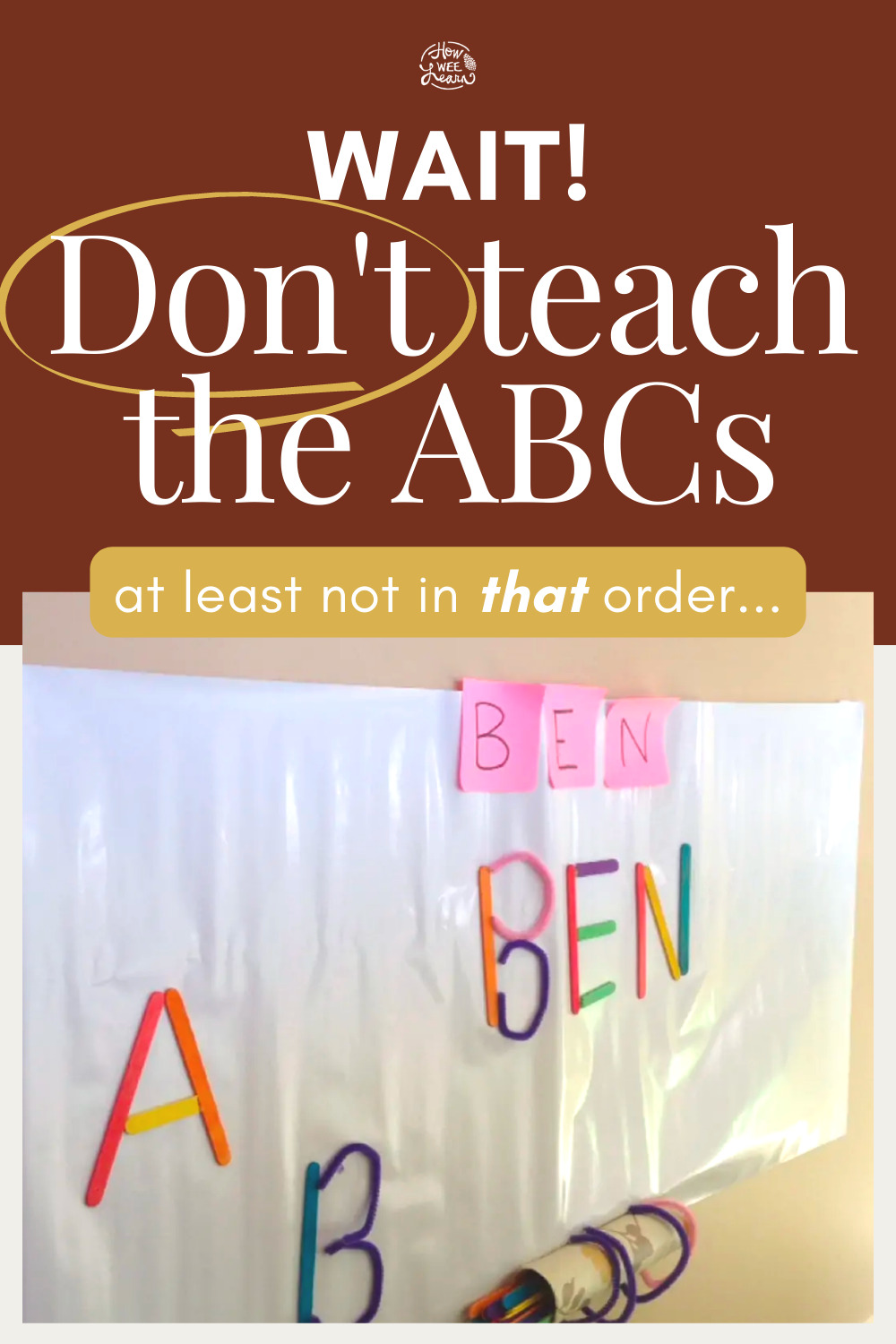
Introduction: Why Artistic ABCs matter for preschool letter recognition
Every preschooler’s literacy journey begins with recognizing letters and connecting them to sounds and meaning. Alphabet coloring pages—playful, visual worksheets that pair each letter with themed illustrations—make that first step joyful and memorable. When children color, point to, and talk about pictures that represent each letter, they build visual, motor, and phonological skills simultaneously.
In this article you’ll learn evidence-based reasons coloring pages help letter recognition, practical design tips for creating effective Artistic ABCs, ready-to-use activity plans for parents and teachers, differentiation strategies for varied learners, downloadable and printing recommendations, and SEO-friendly ways to share and promote your resources.

How alphabet coloring pages support early literacy

Multisensory learning: combining visual, kinesthetic, and auditory input
Coloring is a kinesthetic activity that anchors visual letter forms in memory. Pairing a letter (A) with a picture (apple) and saying the name aloud engages auditory processing. This multisensory approach supports the development of letter-sound mapping, a foundational reading skill.
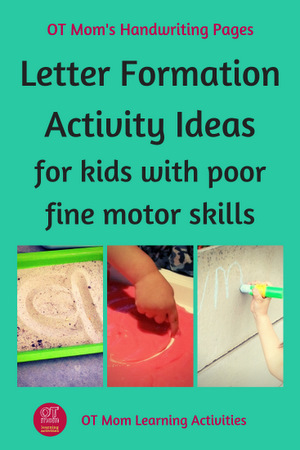
Fine motor development and letter formation
Coloring inside shapes, tracing dotted letters, and practicing strokes help strengthen the hand muscles and coordination needed for writing. When children repeatedly engage with letters through coloring and tracing, their ability to form letters improves.

Vocabulary and semantic networks
Each themed coloring page introduces age-appropriate vocabulary. Discussing items on the page expands children’s word knowledge and builds the semantic networks that later support comprehension.
Attention, engagement, and motivation
Coloring is low-pressure and intrinsically motivating. Playful, visually appealing pages increase time-on-task, which leads to more exposure to letter shapes and names—critical repetition without boredom.
Designing effective Artistic ABCs: best practices
Create coloring pages that are simple, clear, and classroom-tested. Use the following design principles to ensure pages are developmentally appropriate and engaging.
1. Keep letter forms large and clear
- Use a single, highly legible font for uppercase and lowercase letters (e.g., a simple sans-serif or classic manuscript style).
- Show both uppercase and lowercase on each page to support recognition of both forms.
- Pair the letter with a single, easily identifiable object (A = apple, B = boat).
- Make the image outline bold and simple so young children can color it easily.
- Add dotted-line tracing of the letter and a blank line for independent writing.
- Provide directional arrows for stroke order if you want to emphasize proper formation.
- Label the picture (e.g., “apple”) to connect the spoken word to print.
- Consider including a short prompt (e.g., “Say the word: apple. What sound does it start with?”)
- Use seasonal, cultural, or interest-based themes (animals, foods, vehicles, holidays) to increase engagement.
- Create mini-themes (under-the-sea ABCs, farm ABCs) for small-unit study or thematic classroom weeks.
- Use high-contrast outlines and avoid overly intricate patterns for children with visual or fine motor challenges.
- Provide digital, fillable versions that work with tablets and styluses for children who benefit from assistive tech.
- Introduce the letter with a large poster and a read-aloud featuring words that start with the target sound.
- Use the coloring page during center time. Ask children to color the picture and trace the letter.
- End the week with a simple assessment: name the letter, point to uppercase/lowercase, and say one word that begins with the letter’s sound.
- Pick a themed book tied to the letter (e.g., “The Little Red Hen” for H) and read together.
- While reading, pause when you encounter words that match the target letter and encourage the child to point them out.
- After reading, color the matching Artistic ABC page and talk about the picture and its initial sound.
- Hide small objects around the room that begin with the target letter. As children find each object, they color a small icon on the page to match.
- Turn it into a sticker chart: add a sticker each time a child correctly identifies the letter in different contexts (books, signs, toys).
- Provide crayons, finger paints, or watercolors for different sensory experiences.
- Include clothespins, playdough, or tweezers beside the page for complementary fine motor practice.
- Simplify pages: single large picture, large uppercase letter only.
- Use repetition and songs to reinforce the letter-sound connection.
- Add word families or short CVC words that contain the letter (e.g., “cat” for C).
- Include sorting tasks: sort pictures by beginning sound or letter feature (curved vs. straight strokes).
- Use bilingual labels (e.g., “apple / manzana”) to support vocabulary transfer.
- Pair pictures with real objects to build concrete associations.
- Offer thicker crayons or adaptive grips; provide pre-cut coloring templates to reduce the need for precise coloring.
- For low vision, provide high-contrast pages and tactile letters (sandpaper or raised outlines) the child can trace.
- Offer high-resolution PDF (300 dpi) for crisp printing and an optimized PNG or SVG for digital use.
- Provide both A4 and Letter size options and include crop marks for professional printing.
- Use single-sided layouts to prevent bleed-through when children use markers or paints.
- Create fillable PDFs or interactive coloring pages compatible with tablets and note apps (GoodNotes, Notability).
- Include alternate color palettes and a no-lines version for open-ended drawing.
- Full alphabet bundle (A–Z) with one page per letter and a cover sheet for classroom binders.
- Themed bundles (e.g., “Ocean ABCs,” “Farm ABCs,” “Space ABCs”) to complement lesson plans.
- Seasonal mini-packs for back-to-school, autumn, winter holidays to keep resources fresh.
- Can the child name the letter? (Yes/No)
- Can the child identify the letter in uppercase and lowercase? (Yes/No)
- Can the child produce the beginning sound? (Yes/No)
- How does the child form the letter when tracing or writing? (Independent/With help/Unable)
- Month 1: Recognizes 5–7 letters; traces letters with prompting.
- Month 2–3: Recognizes 10–15 letters; names initial sounds for familiar words.
- Month 4–6: Recognizes most uppercase letters and many lowercase forms; writes several letters independently.
- “Say the word. What sound does it start with?”
- “Trace the big A and then write A on the line.”
- “Find and circle all the A’s hidden in the picture.”
- “Name three other words that start with A.”
- “Color the apple red. Can you color 3 things that are the same color?”
- Primary keyword: “alphabet coloring pages” (target 1–2% density across the article).
- Secondary/LSI keywords: “preschool letter recognition,” “printable ABC coloring pages,” “letter tracing worksheets,” “alphabet activities for preschool.”
- Long-tail keywords for pages: “free printable alphabet coloring pages for preschool,” “themed ABC coloring pages bundle,” “interactive ABC coloring pages for tablets.”
- Use the primary keyword in the title, meta description, first paragraph, and a few subheadings.
- Include image alt text that describes each page (e.g., “Letter A apple coloring page with tracing lines”).
- Offer downloadable PDF with descriptive filename (e.g., artistic-abcs-alphabet-coloring-pages.pdf).
- Internal link recommendations:
- Anchor text: “preschool literacy activities” — link to a cornerstone page about early literacy lessons.
- Anchor text: “free printable worksheets” — link to a resources hub where downloads are organized.
- Authoritative external links:
- Link to evidence-based literacy guidance from organizations like the National Association for the Education of Young Children (NAEYC) or Reading Rockets for credibility.
- Link to resources about fine motor development from reputable child development sites or pediatric occupational therapy pages.
- Social sharing: create pinnable images with a short descriptive title and include open-graph metadata for Facebook and Twitter cards. Encourage teachers and parents to share classroom photos of completed pages with a branded hashtag (e.g., #ArtisticABCs).
- Freemium model: offer 5 free sample pages; sell full themed bundles or a complete A–Z pack.
- Teacher packs: classroom license bundles with reproducible rights for a flat fee.
- Physical products: printed coloring books, laminated wipe-clean pages, or tactile letter kits.
- Subscription model: monthly themed packs plus lesson plans, printable assessments, and a private teacher community.
2. Choose one primary image per letter
3. Include tracing and writing practice
4. Add contextual cues and labels
5. Incorporate variety and themes
6. Design for accessibility
Sample Artistic ABC page layout
Below is a recommended layout to follow when creating printable pages:
| Section | Content | Purpose |
|---|---|---|
| Header | Letter (A a) — large, bold | Immediate visual recognition of both forms |
| Main image | Simple outline (apple) | Coloring activity + visual cue for word association |
| Label | “apple” beneath image | Connects spoken word to written word |
| Tracing area | Dotted uppercase and lowercase letters | Practice letter formation |
| Activity prompt | “Circle the letter A in the row” or “Find the A hidden in the picture” | Active letter identification |
Classroom and home activities using coloring pages
Coloring pages are a flexible tool. Here are structured activities you can use with Artistic ABCs for small groups, centers, or at-home practice.
1. Letter of the Week routine (preschool classroom)
2. Interactive read-and-color (parent-child activity)
3. Scavenger hunt and coloring extension
4. Fine motor station pair with sensory trays
h2>Differentiation strategies for diverse learners
Preschool classrooms include children at different developmental stages. Artistic ABCs can be adjusted to meet varied needs.
For beginners and toddlers
For learners ready for more challenge
For English-language learners (ELLs)
For children with fine motor delays or visual impairment
Creating and distributing printable Artistic ABCs
Designing and distributing printable pages requires attention to quality, accessibility, and practical file formats.
File formats and printing tips
Digital-friendly versions
Bundling and theming ideas for downloads
Assessment and progress tracking with coloring pages
Use low-stress assessments embedded into activities to monitor letter recognition and formation progress.
Informal observational checklist
Progress milestones (sample)
Examples and mini-case studies
Real-world examples help illustrate how Artistic ABCs perform in practice.
Example 1: Small preschool classroom
A 12-child preschool class implemented a “Letter of the Week” using themed coloring pages combined with a tactile tray and storytime. Teachers reported increased engagement and faster letter naming—students went from recognizing about 6 letters each to an average of 14 letters after 12 weeks.
Example 2: At-home parent practice
A parent used a daily 10-minute coloring-and-sound routine with her 4-year-old. The child’s confidence with letter sounds rose noticeably, and the parent observed improved pencil control. The low-pressure routine made practice consistent and fun.
Printable prompts and activity ideas (ready to use)
Copy-and-paste these quick prompts to use beside each coloring page or on a printable instruction card.
Marketing and sharing your Artistic ABCs: SEO and distribution tips
To reach parents and educators looking for preschool letter recognition resources, optimize your content and distribution strategy.
Keyword strategy
On-page SEO best practices
Content distribution and link suggestions
Monetization and product ideas
If you plan to monetize Artistic ABCs, here are ethical, teacher-friendly ideas that provide value without limiting access to essential resources.
FAQ: Quick answers to common questions
Q: At what age should children start using alphabet coloring pages?
A: Children as young as 2–3 years old can enjoy simplified pages. Preschoolers (3–5 years) benefit the most for letter recognition and early writing practice.
Q: How often should children practice with alphabet coloring pages?
A: Short, daily sessions (5–15 minutes) are more effective than infrequent long sessions. Incorporate pages into centers, transitions, or daily routines.
Q: Can coloring pages replace formal instruction?
A: No—coloring pages are a supportive tool. Combine them with read-alouds, phonemic awareness games, and structured letter-sound activities for balanced instruction.
Q: How can I assess progress using coloring pages?
A: Use simple checklists during activities—note letter naming, sound identification, and letter formation during tracing and independent writing.


0 Comments