
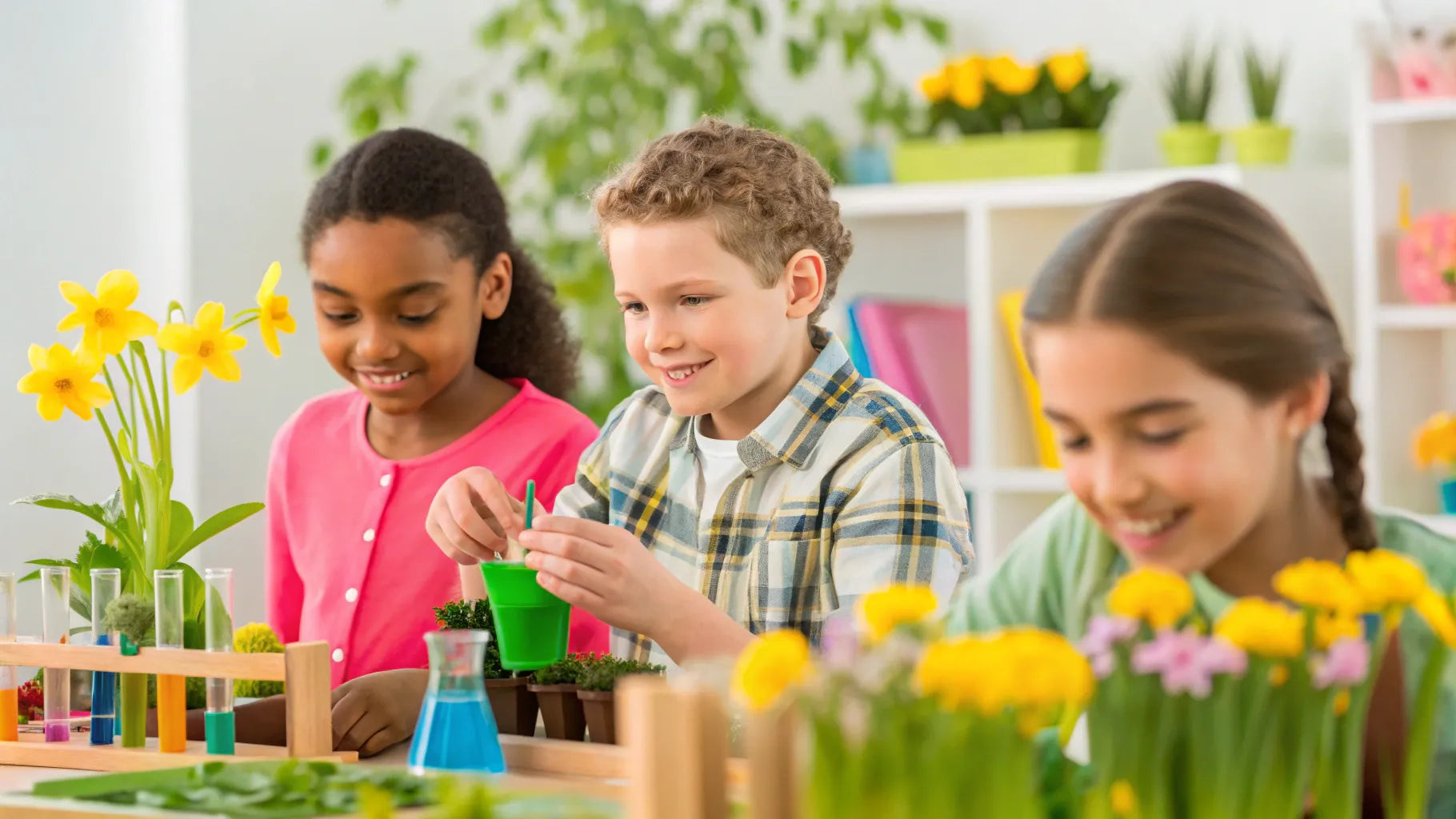
Blooming Minds: Inspiring Spring Nature Studies for Homeschool Families
Spring! The very word conjures images of vibrant colors, chirping birds, and the sweet scent of blossoms in the air. For homeschool families, spring offers a unique opportunity to transform your lessons into immersive nature studies that captivate children’s curiosity and foster a lifelong love for the natural world. This article is your guide to creating engaging and educational spring-themed units that will have your kids eager to explore the wonders unfolding right outside your doorstep.

Why Embrace Spring Nature Studies?
Before we dive into specific activities, let’s explore why integrating nature studies into your homeschool curriculum during spring is so beneficial.
- Hands-on Learning: Nature is the ultimate living laboratory! Spring provides countless opportunities for hands-on learning experiences that solidify concepts in science, math, language arts, and even art.
- Increased Engagement: Let’s face it, textbooks can sometimes feel a bit dry. Nature studies offer a refreshing change of pace, sparking children’s innate curiosity and making learning fun.
- Sensory Exploration: Spring is a feast for the senses. From the velvety petals of a tulip to the buzzing of a bee, nature studies encourage children to engage with their surroundings through sight, sound, smell, touch, and even taste (with appropriate guidance, of course!).
- Connection to the Natural World: In today’s digital age, it’s more important than ever to foster a connection to the natural world. Nature studies help children develop an appreciation for the environment and understand their role in protecting it.
- Flexibility and Adaptability: Nature studies can be easily adapted to fit your children’s ages, interests, and learning styles. Whether you have a preschooler or a high schooler, you can find ways to incorporate nature into your curriculum.
- Choose a Theme: Select a specific topic or theme that aligns with your curriculum goals and your children’s interests. Some popular spring themes include:
- Birds: Migration, nesting, bird identification, bird songs
- Insects: Life cycles, pollination, insect habitats, beneficial insects
- Flowers: Plant anatomy, pollination, flower identification, flower pressing
- Trees: Budding, leaf development, tree identification, tree rings
- Weather: Spring storms, temperature changes, cloud formations, weather patterns
- Gardening: Planting seeds, caring for plants, vegetable gardening, herb gardening
- Set Learning Objectives: Determine what you want your children to learn from the unit. Be specific and measurable. For example, instead of “Learn about birds,” try “Identify five common bird species in our backyard.”
- Gather Resources: Collect books, field guides, online resources, and materials that will support your study. Visit your local library, nature center, or online retailers to find relevant resources.
- Plan Activities: Brainstorm a variety of activities that will engage your children and help them meet the learning objectives. Consider incorporating a mix of indoor and outdoor activities.
- Create a Schedule: Develop a flexible schedule that outlines the activities you will complete each week. Be sure to allow for plenty of time for exploration and discovery.
- Assess Learning: Determine how you will assess your children’s learning. This could include quizzes, written reports, nature journals, presentations, or hands-on projects.
- Identifying 5 common bird species in your area.
- Understanding the basics of bird migration.
- Learning about bird nesting habits.
- Creating a bird feeder.
- Drawing and labeling the parts of a bird.
- Nature Walks: Take regular nature walks in your backyard, local park, or nearby nature preserve. Encourage your children to observe their surroundings carefully and record their observations in a nature journal.
- Birdwatching: Use binoculars and field guides to identify different bird species. Learn about their songs, nesting habits, and migration patterns. Consider participating in citizen science projects like the Great Backyard Bird Count.
- Insect Observation: Explore the world of insects. Observe their behavior, identify different species, and learn about their life cycles. Build an insect hotel to provide habitat for beneficial insects.
- Flower Dissection: Dissect flowers to learn about their anatomy. Identify the different parts of the flower and their functions. Press flowers to create beautiful botanical art.
- Tree Identification: Learn to identify different tree species by their leaves, bark, and overall shape. Measure the circumference of trees to estimate their age. Collect leaves to create leaf rubbings or nature collages.
- Gardening: Plant a vegetable garden, herb garden, or flower garden. Learn about the basics of planting, watering, and caring for plants. Observe the growth process from seed to harvest.
- Nature Journaling: Encourage your children to keep a nature journal to record their observations, thoughts, and feelings about the natural world. They can draw, write, paint, or create collages in their journals.
- Nature Crafts: Use natural materials to create art projects. Make leaf rubbings, bark paintings, seed mosaics, or nature sculptures.
- Read-Alouds: Read books about nature together as a family. Choose books that are informative, engaging, and beautifully illustrated.
- Field Trips: Visit local nature centers, botanical gardens, zoos, or museums to enhance your learning experience.
- Science: Study plant and animal life cycles, ecosystems, weather patterns, and the scientific method through hands-on experiments and observations.
- Math: Measure plant growth, calculate the area of a garden, graph weather data, and explore geometric patterns in nature.
- Language Arts: Write nature poems, stories, and essays. Keep a nature journal and practice descriptive writing. Read books about nature and discuss them as a family.
- History: Learn about the history of conservation, famous naturalists, and the impact of humans on the environment.
- Art: Create nature-inspired artwork using natural materials. Learn about botanical illustration and landscape painting.
- Preschoolers: Focus on sensory exploration and simple observations. Use picture books, nature walks, and hands-on activities like planting seeds and creating nature collages.
- Elementary Students: Introduce more complex concepts and encourage independent research. Use field guides, nature journals, and science experiments.
- Middle School Students: Challenge them to think critically and solve problems. Assign research projects, conduct experiments, and participate in citizen science projects.
- High School Students: Encourage independent study and in-depth research. Assign research papers, conduct experiments, and participate in internships or volunteer opportunities related to nature.
- Time Constraints: It can be difficult to find time for nature studies in a busy homeschool schedule. Schedule regular nature walks or outdoor activities, even if it’s just for 15-20 minutes a day.
- Weather: Inclement weather can put a damper on outdoor activities. Have a backup plan for indoor nature activities, such as reading books, watching nature documentaries, or working on nature crafts.
- Lack of Resources: You don’t need expensive equipment or materials to conduct nature studies. Use what you have on hand, such as books from the library, recycled materials, and items collected from nature.
- Limited Knowledge: You don’t need to be an expert in nature to lead nature studies. Learn alongside your children and use resources like field guides and online websites to help you identify plants and animals.
- Resistance from Children: Some children may be resistant to spending time outdoors. Make nature studies fun and engaging by incorporating games, activities, and hands-on projects.
- Field Guides: These are essential for identifying plants, animals, and other natural objects. Look for field guides that are specific to your region.
- Nature Journals: Encourage your children to keep a nature journal to record their observations, thoughts, and feelings about the natural world.
- Online Resources: Websites like the Cornell Lab of Ornithology, the National Wildlife Federation, and your local nature center’s website offer a wealth of information about nature.
- Books: Visit your local library or bookstore to find books about nature for children of all ages.
- Curriculum Providers: Some curriculum providers offer complete nature study programs that include lesson plans, activities, and resources.
- Involve everyone in the planning process: Ask your children for their input on what they want to study and what activities they want to do.
- Take nature walks together as a family: Make it a regular habit to spend time outdoors exploring nature together.
- Share your own love for nature: Let your children see your own enthusiasm for the natural world.
- Create a family nature journal: Encourage everyone to contribute to the journal by writing, drawing, or adding photos.
- Celebrate your discoveries: Share your findings with friends and family.
Key Takeaway: Spring nature studies are a fantastic way to make learning engaging, relevant, and memorable for your homeschool children.

Planning Your Spring Nature Study Units: A Step-by-Step Guide
Creating a successful spring nature study unit involves careful planning and preparation. Here’s a step-by-step guide to help you get started:
Example: Let’s say you choose “Birds” as your theme. Your learning objectives might include:
Internal Link Suggestion: For more detailed guidance on curriculum planning, link to a relevant article on your website about “Homeschool Curriculum Planning: A Comprehensive Guide.” Anchor text: “Homeschool Curriculum Planning”

Engaging Activities for Your Spring Nature Studies
Now for the fun part! Here are some engaging activities that you can incorporate into your spring nature study units:
Example Activity: Create a “Bird Feeding Station.” Research what types of seeds attract different birds in your area. Build or purchase a bird feeder and place it in a visible location. Observe the birds that visit your feeder and identify them using a field guide. Keep a record of the types of birds you see and the types of seeds they prefer.
External Link Suggestion: Link to the Cornell Lab of Ornithology website for bird identification resources. Anchor text: “Cornell Lab of Ornithology”

Integrating Nature Studies Across the Curriculum
One of the great things about nature studies is that they can be integrated across multiple subjects. Here are some ideas for incorporating nature into different areas of your homeschool curriculum:
Example: In math, you could measure the circumference of different trees in your yard and calculate their diameter and radius. You could also track the growth of your plants over time and graph the data to see how they are growing.
Internal Link Suggestion: Link to an article on your website about “Integrating STEM into Homeschooling.” Anchor text: “Integrating STEM”
Adapting Activities for Different Age Groups
It’s important to adapt your nature study activities to fit the ages and developmental levels of your children. Here are some tips for adapting activities for different age groups:
Example: When studying birds, preschoolers can focus on identifying colors and shapes, while older students can research bird anatomy and migration patterns.
Key Takeaway: Adapt your activities to ensure they are challenging and engaging for all of your children, regardless of their age or developmental level.
Overcoming Challenges in Nature Studies
While nature studies can be incredibly rewarding, they also present some challenges. Here are some common challenges and how to overcome them:
Example: If it’s raining, bring nature indoors. Set up a terrarium, dissect a flower, or watch a nature documentary.
Internal Link Suggestion: Link to an article on your website about “Homeschooling on a Budget: Tips and Resources.” Anchor text: “Homeschooling on a Budget”
Resources for Spring Nature Studies
There are many wonderful resources available to help you plan and implement your spring nature studies. Here are a few suggestions:
Example: Check out the “Handbook of Nature Study” by Anna Botsford Comstock for a comprehensive guide to nature study.
External Link Suggestion: Link to the National Wildlife Federation website for resources on wildlife conservation. Anchor text: “National Wildlife Federation”
Making it a Family Affair: Cultivating a Love for Nature Together
Spring nature studies are not just about academics; they are also about creating shared experiences and fostering a love for nature within your family. Here are some tips for making nature studies a family affair:
Key Takeaway: By making nature studies a family affair, you can create lasting memories and foster a lifelong love for the natural world in your children.
Conclusion: Embrace the Bloom
Spring is a time of renewal and growth, both in nature and in our lives. By embracing spring nature studies, you can provide your homeschool children with a unique and enriching learning experience that will spark their curiosity, foster their love for the natural world, and help them develop a deep appreciation for the beauty and wonder that surrounds them. So, grab your field guides, pack your snacks, and head outdoors to explore the blooming minds and landscapes of spring!
Call to Action: Sign up for our newsletter to receive more tips and resources for homeschooling and nature studies!


0 Comments