

Blooming Minds: Inspiring Spring Unit Studies and Nature Exploration for Homeschoolers
Spring has sprung, and with it comes a renewed sense of energy and curiosity! As homeschool parents, we have the incredible opportunity to tap into this natural enthusiasm by crafting engaging spring unit studies and nature explorations. Forget the stuffy textbooks – let’s embrace the outdoors, cultivate a love for learning, and watch our children’s minds bloom alongside the season’s first flowers.
This article is your comprehensive guide to creating memorable and educational spring unit studies and nature activities that will captivate your homeschoolers. We’ll explore diverse themes, offer practical tips for planning, and provide a wealth of resources to spark your creativity. Get ready to infuse your homeschool with the vibrant spirit of spring!
Why Spring Unit Studies and Nature Exploration Are Perfect for Homeschooling
Spring offers a unique and compelling context for learning. Here’s why incorporating spring unit studies and nature exploration into your homeschool curriculum is a fantastic idea:
- Real-World Learning: Spring provides a living laboratory right outside your door. Children can observe firsthand the concepts they’re learning about, from plant life cycles to animal behavior.
- Increased Engagement: The excitement of spring makes learning more enjoyable and memorable. Children are naturally drawn to the beauty and activity of the season, making them more receptive to new information.
- Interdisciplinary Connections: Spring-themed studies naturally lend themselves to interdisciplinary learning, connecting science, art, literature, history, and more.
- Hands-On Activities: Spring is perfect for hands-on activities, from gardening and nature walks to building birdhouses and conducting simple experiments.
- Reduced Screen Time: Encouraging outdoor exploration helps reduce screen time and promotes physical activity, which is vital for children’s overall well-being.
- Choose a Theme: Select a theme that aligns with your children’s interests and your curriculum goals. We’ll explore some exciting theme ideas in the next section.
- Set Learning Objectives: Define what you want your children to learn during the unit study. Be specific and measurable. For example, “Students will be able to identify five different types of spring wildflowers” is a good learning objective.
- Gather Resources: Collect books, websites, videos, and other materials related to your chosen theme. Utilize your local library, online resources, and nature centers.
- Plan Activities: Develop a variety of activities that will engage your children and help them meet the learning objectives. Include hands-on projects, field trips, reading assignments, and creative expression opportunities.
- Create a Schedule: Develop a flexible schedule that outlines the activities you’ll complete each week. Remember to be adaptable and adjust the schedule as needed.
- Assess Learning: Incorporate assessments to gauge your children’s understanding of the material. This could include quizzes, projects, presentations, or simply observing their participation in activities.
- Plant Life Cycles: Explore the fascinating journey of seeds sprouting, plants growing, and flowers blooming.
- Activities: Plant a garden, dissect a flower, create a plant journal, conduct experiments on seed germination.
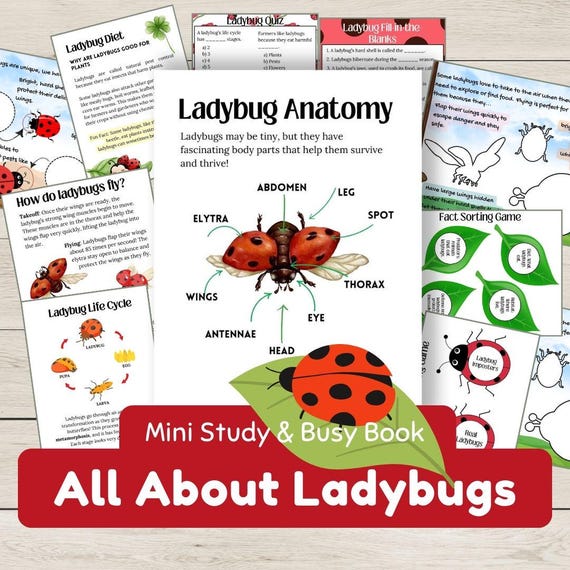
- Insects and Pollinators: Discover the world of bees, butterflies, ladybugs, and other essential pollinators.
- Activities: Build a bee house, create a butterfly garden, observe insect behavior, learn about pollination.
- Birds and Migration: Learn about the amazing journeys of migratory birds and the different species that return in spring.
- Activities: Go birdwatching, build a birdhouse, create a bird feeder, learn about bird songs.
- Weather and Seasons: Investigate the changing weather patterns of spring and the science behind the seasons.
- Activities: Keep a weather journal, build a rain gauge, learn about clouds, conduct experiments on temperature.
- Spring Holidays and Traditions: Explore the history and cultural significance of holidays like Easter, Passover, and Earth Day.
- Activities: Create Easter crafts, learn about Passover traditions, participate in an Earth Day cleanup, research different cultural celebrations of spring.
- Spring Art and Literature: Immerse yourselves in the beauty of spring through art, poetry, and literature.
- Activities: Create spring-themed artwork, write poetry about nature, read books about spring, visit an art museum.
- Nature Walks: Take regular nature walks in your neighborhood, local park, or nearby forest. Encourage your children to observe their surroundings and collect natural treasures like leaves, flowers, and rocks.
- Enhancement: Use a nature journal to record observations, draw sketches, and press flowers.
- Gardening: Start a garden, even if it’s just a small container garden on your balcony. Gardening teaches children about plant life cycles, responsibility, and healthy eating.
- Tip: Involve your children in every stage of the gardening process, from planning and planting to watering and harvesting.
- Backyard Biodiversity: Conduct a backyard biodiversity survey to identify the different plants and animals that live in your yard.
- Tools: Use field guides, online resources, and citizen science apps to help identify species.
- Nature Scavenger Hunts: Create a nature scavenger hunt with a list of items for your children to find. This is a fun and engaging way to encourage exploration and observation.
- Example: Find a smooth rock, a feather, a leaf with jagged edges, and a flower with five petals.
- Nature Art Projects: Use natural materials to create art projects, such as leaf rubbings, flower collages, and nature mandalas.
- Inspiration: Search online for “nature art projects for kids” for a wealth of ideas.
- Books: Visit your local library or bookstore to find books about spring, nature, and related topics.
- Websites:
- National Geographic Kids: Offers a wealth of information, videos, and activities about nature and science.
- The Cornell Lab of Ornithology: Provides resources for birdwatching and learning about birds.
- The Xerces Society: Focuses on insect conservation and provides information about pollinators.
- Your State’s Department of Natural Resources: Offers information about local flora and fauna, parks, and nature centers.
- Nature Centers and Botanical Gardens: Visit local nature centers and botanical gardens for educational programs, exhibits, and guided tours.
- Citizen Science Projects: Participate in citizen science projects, such as monitoring bird populations or tracking butterfly migrations.
- Examples: iNaturalist, Project FeederWatch, Monarch Watch
- Homeschooling Communities: Connect with other homeschool parents online or in person to share ideas, resources, and support.
- Elementary School (Ages 6-11): Focus on hands-on activities, simple experiments, and engaging stories. Use picture books, nature walks, and art projects to bring the concepts to life.
- Example: For a plant life cycle unit, have younger children plant seeds and observe their growth, while older children can conduct experiments on seed germination and learn about different types of soil.
- Middle School (Ages 11-14): Incorporate more in-depth research, writing assignments, and critical thinking activities. Encourage them to explore complex topics and develop their own opinions.
- Example: For a bird migration unit, have younger children learn about the different types of migratory birds, while older children can research the factors that influence migration patterns and the challenges faced by migratory birds.
- High School (Ages 14-18): Challenge them with independent research projects, scientific investigations, and real-world applications. Encourage them to connect their learning to current events and social issues.
- Example: For an environmental science unit, have younger children learn about the importance of recycling, while older children can research the impact of climate change on local ecosystems and develop solutions for mitigating its effects.
- Make it Fun: Incorporate games, songs, and other fun activities to keep your children engaged and motivated.
- Be Flexible: Don’t be afraid to deviate from your plan if something interesting comes up or if your children’s interests change.
- Involve Your Children in the Planning Process: Let your children help choose the theme, select activities, and gather resources. This will give them a sense of ownership and make them more invested in the learning process.
- Celebrate Learning: Celebrate your children’s accomplishments with a special event, such as a spring-themed party or a nature walk to showcase their knowledge.
- Take Photos and Videos: Document your spring unit study with photos and videos to create lasting memories.
Key Takeaway: Spring provides a wealth of opportunities for engaging, hands-on learning that connects children to the natural world and fosters a lifelong love of learning.

Planning Your Spring Unit Studies: A Step-by-Step Guide
Creating a successful spring unit study doesn’t have to be overwhelming. Here’s a simple step-by-step guide to help you get started:
Example: Let’s say you choose “Butterflies” as your theme. Your learning objective could be: “Students will understand the life cycle of a butterfly and identify different types of butterflies common in our region.” Your resources might include books about butterflies, online videos of butterfly metamorphosis, and a visit to a butterfly garden. Activities could include raising caterpillars, creating butterfly artwork, and conducting a butterfly survey in your backyard.
Inspiring Spring Unit Study Theme Ideas
Here are some captivating spring unit study theme ideas to spark your imagination:
Resources: The Magic School Bus Plants Seeds: A Book About How Living Things Grow by Joanna Cole, National Geographic Kids Everything Plants: Fascinating Photos, Fun Facts, and Fill-In Fun!* by Ruth Musgrave
Resources: The Honeybee by Kirsten Hall, Are You a Bee?* by Judy Allen and Tudor Humphries
Resources: Birds, Nests & Eggs by Mel Boring, National Geographic Kids Bird Guide of North America* by Jonathan Alderfer
Resources: National Geographic Little Kids First Big Book of Weather by Karen De Seve, What Makes It Rain?: The Science of Weather* by April Pulley Sayre
Resources: Easter Is Coming! by Melissa Wiley, Sammy Spider’s First Passover by Amy Hest, The Earth Book* by Todd Parr
Resources: Spring: An Alphabet Acrostic by Steven Schnur, When Spring Comes* by Kevin Henkes, works by famous nature poets like William Wordsworth and Emily Dickinson.
Internal Link Suggestion: For more inspiration, check out our article on “Creative Homeschooling Ideas for Every Season” using “Creative Homeschooling Ideas” as the anchor text.

Nature Exploration: Bringing the Classroom Outdoors
Spring is the perfect time to embrace nature exploration as an integral part of your homeschool curriculum. Here are some ideas to get you started:
Key Takeaway: Nature exploration provides hands-on learning experiences that connect children to the natural world, fostering curiosity, observation skills, and a sense of wonder.
Resources for Spring Unit Studies and Nature Exploration
Here are some valuable resources to support your spring unit studies and nature explorations:
External Link Suggestion: Explore the resources available at “The National Wildlife Federation” for more information on wildlife and conservation using “National Wildlife Federation” as the anchor text.
Adapting Spring Unit Studies for Different Age Groups
It’s essential to adapt your spring unit studies to the age and developmental level of your children. Here are some general guidelines:
Key Takeaway: Tailor your spring unit studies to the specific needs and interests of your children, providing them with age-appropriate challenges and opportunities for growth.
Creating a Memorable and Engaging Learning Experience
Here are some additional tips for creating a memorable and engaging spring unit study experience:
Call to Action: Share your spring unit study and nature exploration ideas with other homeschool parents in the comments below!
Conclusion: Embrace the Beauty and Learning Opportunities of Spring
Spring is a magical time of year, filled with beauty, wonder, and endless learning opportunities. By incorporating spring unit studies and nature exploration into your homeschool curriculum, you can ignite your children’s curiosity, foster a love of learning, and create lasting memories. Embrace the season’s vibrant energy, get outdoors, and watch your children’s minds bloom alongside the spring flowers. Let this be the season you cultivate not just a garden, but a lifelong love of learning in your homeschool. Happy Spring!


0 Comments