
Coloring Pages and Printables for Homeschool Science: Wildlife Education, Animal Homes, and Learning Fun
Bring the outdoors into your homeschool classroom with a playful, science-rich approach that blends coloring pages and printables with hands-on wildlife education. Whether you’re a homeschooling parent, teacher, or caregiver, you’ll find approachable lesson ideas, printable resources, and activity plans designed to teach children about animal homes, habitats, and the living world—all while fostering curiosity and creativity. This guide explains how to use themed printables for different ages, connects activities to scientific learning goals, and offers printable templates, assessment ideas, and classroom management tips so your students stay engaged and excited about nature.

What you’ll learn
- Why coloring pages and printables are powerful tools for homeschool science
- How to design lessons about wildlife education and animal homes for different age groups
- High-value printable activity ideas and templates you can use today
- Assessment, extension activities, and tips for keeping learning fun and meaningful
- Where to find or create high-quality, curriculum-aligned printable resources
- Habitat: The natural environment where an animal lives (forest, desert, pond, ocean, grassland, tundra).
- Animal home (shelter): Specific structures animals use for resting, raising young, and protection (nests, burrows, dens, hives, coral reefs).
- Adaptation: Traits that help animals survive in their habitats (thick fur, camouflaged coloring, webbed feet).
- Food chain/web: How energy and nutrients move from plants to herbivores to predators and decomposers.
- Interdependence: How animals, plants, and environment rely on each other.
- Printable coloring pages of common animal homes (bird nest, beehive, rabbit burrow). Use thick outline drawings and large shapes.
- Matching cards: pair animals to homes (picture cards and home cards) for sorting games.
- Cut-and-paste habitat collage: printable background scenes (pond, forest, desert) with animal cutouts to place in the correct habitat.
- Quick observation checklist for nature walks: printable with icons to tick (feathers, tracks, nests).
- Labeling worksheets: printable diagrams of nests, dens, and hives for students to label parts and functions.
- Species cards with fun facts: printable cards featuring local wildlife with short descriptions and habitat icons.
- Simple life cycle wheels: printable spinner templates showing life stages of frogs, butterflies, and birds.
- Mini research printable: one-page template for students to record habitat, diet, adaptations, and an illustration.
- Habitat mapping printables: grid maps where students place animals and draw food webs using stickers or colored pencils.
- Adaptation comparison charts: printable tables to compare how different species solve problems (e.g., shelter vs. predator avoidance).
- Design-a-home engineering challenge: printable planning sheet and rubric for building a model animal home from household materials.
- Data recording sheets for field observations: species counts, time-of-day notes, weather, and behavior logs.
- Guided investigation templates: hypothesis, variables, methods, results, and conclusion pages tailored to wildlife observation studies.
- Habitat restoration project planner: printable to map a small restoration or planting project and monitor biodiversity changes.
- Graphing and data analysis worksheets: templates for plotting species counts, seasonal changes, or microhabitat temperatures.
- Comparative case studies: printable case files with background research prompting students to propose conservation strategies.
- Animal Homes Coloring Pages: Multiple-page set covering nests, burrows, dens, hives, coral, and caves.
- Habitat Posters: Full-page, printable posters for forest, wetland, grassland, desert, and marine habitats.
- Matching & Memory Cards: Double-sided printable cards for game-based learning.
- Field Observation Log: Compact, printable log for walking lessons and backyard science.
- Food Web and Food Chain Templates: Layered worksheets for building and labeling food chains.
- Adaptation Detective Worksheets: Clues and evidence boxes prompting students to infer how an animal’s traits help it survive.
- Build-a-Home Engineering Planner: Step-by-step planning and reflection pages for group projects.
- Assessment Rubrics: Printable rubrics for projects, presentations, and observation reports.
- Activity: Habitat posters and a gallery walk—students color and then place animal picture cards into matching habitats.
- Printable: Habitat poster set and animal cards.
- Learning goal: Identify major habitat types and common animals from each.
- Activity: Examine printable diagrams of nests, burrows, and hives; discuss purpose and materials used.
- Printable: Labeling worksheet and “home detective” clues.
- Learning goal: Understand how homes protect animals and support young.
- Activity: Adaptation comparison charts—students color animals and fill charts with adaptation notes.
- Printable: Comparison chart and adaptation detective sheet.
- Learning goal: Connect physical traits and behaviors to survival strategies.
- Activity: Back-yard or park walk using printable observation logs; record sightings and habitat characteristics.
- Printable: Field observation log and data sheet for species counts.
- Learning goal: Practice data collection and basic field science methods.
- Activity: Small groups design and build a model animal home (e.g., bird nest, frog shelter) using recycled materials. Use the engineering planner printable and present to peers.
- Printable: Design planner, project rubric, and reflection sheet.
- Learning goal: Apply knowledge of habitat and adaptation to a design challenge; evaluate using rubric.
- Quick formative checks: 3-question exit ticket printable—name one habitat, one animal home, and one adaptation.
- Portfolio: Collect coloring pages, field logs, and research printables across the unit for summative assessment.
- Rubrics: Use a 4-point rubric for projects that evaluates scientific understanding, creativity, collaboration, and communication.
- Extensions: Citizen science participation (e.g., iNaturalist observations), longer research projects on local endangered species, or a habitat restoration plan for your yard or neighborhood.
- For learners needing more support: provide picture-only cards, simplified vocabulary lists, and one-on-one guided coloring time.
- For advanced learners: include research prompts, cross-curricular writing tasks, and data analysis of local biodiversity counts.
- For diverse learners: supply large-print pages, tactile cut-outs, or printable vocabulary with symbol supports.
- Keep visuals clear: Thicker outlines and simple shapes work best for coloring and cutting.
- Use accurate illustrations: When possible, base drawings on real species to support identification skills.
- Include scaffolding: Add vocabulary boxes, sentence stems, and step-by-step prompts on worksheets.
- Make print-friendly layouts: Use black-and-white line art and avoid heavy ink fills to save on printing costs.
- Provide answer keys and rubrics: Help parents and educators assess work quickly and consistently.
- Educational websites and teacher marketplaces for themed printable packs (look for wildlife and habitat bundles).
- Local nature centers and conservation organizations often have free educational printables tailored to regional species.
- Custom commissions from graphic designers or educators—use when you want accurate local species or curriculum alignment.
- Open-source clip art and scientific illustration collections (ensure correct licensing for printing and distribution).
- Anchor: “homeschool science resources” — Link to your site’s main homeschool resources hub.
- Anchor: “printable activity packs” — Link to product or download pages for printable bundles.
- Anchor: “field observation logs” — Link to downloadable field log PDF pages.
- National Geographic Kids — for species facts and habitat information (rel=”noopener noreferrer”).
- iNaturalist — for citizen science projects and observation submission (rel=”noopener noreferrer”).
- Local government or conservation organization pages — regional species and habitat guides (rel=”noopener noreferrer”).
- Suggested meta title: “Coloring Page and Printables for Homeschool Science: Wildlife Education & Animal Homes”
- Suggested meta description: “Discover printable coloring pages, lesson plans, and hands-on activities for homeschool science focused on wildlife education, animal homes, and habitats—learning fun for all ages.”
- Image alt text examples: “coloring page of bird nest and chicks,” “habitat poster for wetlands printable,” “homeschool science field observation log printable.”
- Shareable captions: “Bring wildlife education home—free printables and coloring pages for homeschool science!”
- Hashtags: #HomeschoolScience #WildlifeEducation #AnimalHomes #Printables #LearningFun
- Recommend images sized for social: 1200×630 px for link previews and 1080×1080 px for Instagram posts.
- Downloadable starter pack suggestion: habitat posters, animal home coloring pages, and a field observation log (host these on a dedicated “Homeschool Science Printables” page).
- Try a local citizen science project (iNaturalist) to extend fieldwork beyond the classroom.
- Subscribe to a homeschool newsletter for monthly printable packs and themed unit plans.
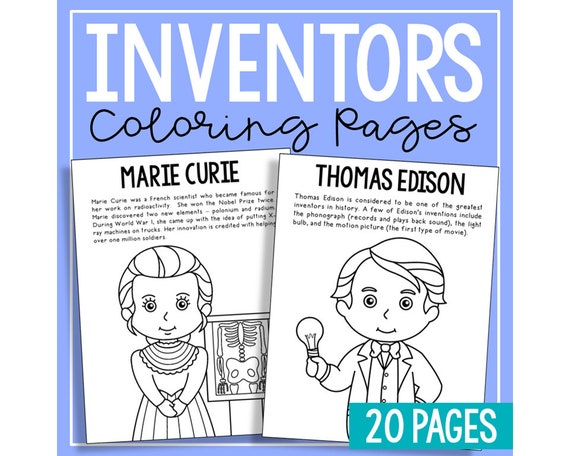
Why Coloring Pages and Printables Work in Homeschool Science
Coloring pages and printables are more than craft time—they are low-prep, low-cost learning tools that tap into multiple learning styles. Visual learners benefit from diagrams and coloring tasks, kinesthetic learners gain from cutting, sorting, and building printable models, and language learners improve vocabulary through labeling and writing prompts.
Research shows that combining art with science enhances memory retention and engagement. Hands-on activities help students connect abstract concepts (like food webs and shelter adaptations) with concrete examples, while printables provide structure for independent or guided exploration. In short, printables make wildlife education accessible, scaffolded, and repeatable.

Core Concepts: Animal Homes and Habitats
Before diving into activities, it helps to define the science concepts you want students to learn. Use simple, age-appropriate explanations and revisit these concepts through multiple activities and printables.

Designing Lessons by Age Group: Printable Activity Ideas

Preschool (Ages 3–5): Sensory, Simple Vocabulary, and Fine Motor Skills
Early Elementary (Ages 6–8): Basic Science Skills and Vocabulary
Upper Elementary (Ages 9–11): Deeper Inquiry and Critical Thinking
Middle School (Ages 12–14): Scientific Method and Project-Based Learning
High-Value Printable Resources and Templates (Ready to Use)
Below are printables that are especially useful for wildlife education and animal home lessons. You can find many premade versions online or create custom versions to match your curriculum and local fauna.
Sample 5-Day Unit: Animal Homes and Habitats (Upper Elementary)
This structured unit uses printables and low-cost materials to teach key concepts while keeping children active and creative.
Day 1 — Introduction to Habitats
Day 2 — Homes and Shelter
Day 3 — Adaptations and Why They Matter
Day 4 — Field Observation & Data
Day 5 — Build-a-Home Project & Presentation
Assessment and Extension Ideas
Assessment should be varied and aligned to learning goals. Use both formative checks (exit tickets, checklist) and summative tasks (presentation, project rubric).
Differentiation and Accessibility
Printables adapt well for different learners. Make simple modifications so every student participates and succeeds.
How to Create High-Quality Coloring Pages and Printables
Designing your own printables lets you align content to local wildlife and curricular standards. Follow these practical tips:
Where to Find or Commission Printables
Several sources offer ready-made printables. Consider mixing free resources with paid, high-quality packs for longevity and variety.
Internal and External Link Suggestions (SEO-Friendly)
Use internal links on your site to boost SEO and keep readers engaged. Suggested anchor text and pages to link:
Recommended authoritative external links (open in new window):
SEO Optimization & Keyword Use
This article naturally incorporates primary keywords—coloring page and printables, homeschool science, wildlife education, animal homes, learning fun, animal habitat—throughout headings and body text. Use these phrases in meta title, meta description, and image alt text (examples below) for better search performance.
Social Sharing Optimization
Encourage shares with short, engaging messages and image-ready assets.
FAQ: Quick Answers for Busy Homeschoolers
Q: Are coloring pages educational beyond art practice?
A: Yes. Coloring pages can reinforce vocabulary, teach anatomy and habitat concepts, support fine motor skills, and act as discussion prompts for deeper science topics.
Q: How can I align printables with science standards?
A: Map each printable to learning goals (NGSS or state standards), use rubrics tied to expected outcomes, and include assessment pages that reflect standard performance indicators.
Q: Can I use these activities outdoors?
A: Absolutely. Many printables (field logs, observation sheets, habitat guides) are designed for outdoor learning to connect print-based activities with real-world observation.
Q: What materials do I need for build-a-home projects?
A: Recycled cardboard, natural materials (twigs, leaves), glue, string, scissors, and a printed design planner. Always supervise cutting tools for younger students.
Conclusion: Make Wildlife Education Creative and Accessible
Coloring pages and printables are powerful allies in homeschool science. They make wildlife education approachable, support diverse learners, and link creativity with scientific thinking. By mixing hands-on projects, field observation, and scaffolded printables, you can teach children about animal homes and habitats in a way that is engaging, memorable, and fun.
Start small—download or create one habitat poster, one field log, and a set of animal home coloring pages. Use them on a nature walk, then expand into a week-long unit with a build-a-home project. These simple steps will turn curiosity into understanding and make learning about the natural world an ongoing adventure for your learners.
Resources & Next Steps
Author note: This guide was created for homeschooling educators seeking science-rich, creative resources. Use the printables and lesson plans here to build confident young naturalists who observe, question, and protect the world around them.


0 Comments