
Cracking the Reading Code: Comprehensive Phonics Activities for Kids (Phonics Worksheets for Kindergarten PDF)
Helping young learners “crack the reading code” is one of the most rewarding parts of homeschooling or tutoring. With the right combination of phonemic awareness activities, letter-sound practice, and engaging phonics worksheets for kindergarten PDF, children move from guessing words to decoding them confidently. In this article you’ll find structured, research-based activities, ready-to-use strategies, and practical tips that support early literacy at home or in small-group lessons. You’ll also learn how to sequence lessons, adapt materials for different learners, and use printable phonics resources to build independence and enthusiasm for reading.
Why Phonics and Phonemic Awareness Matter for Learning to Read
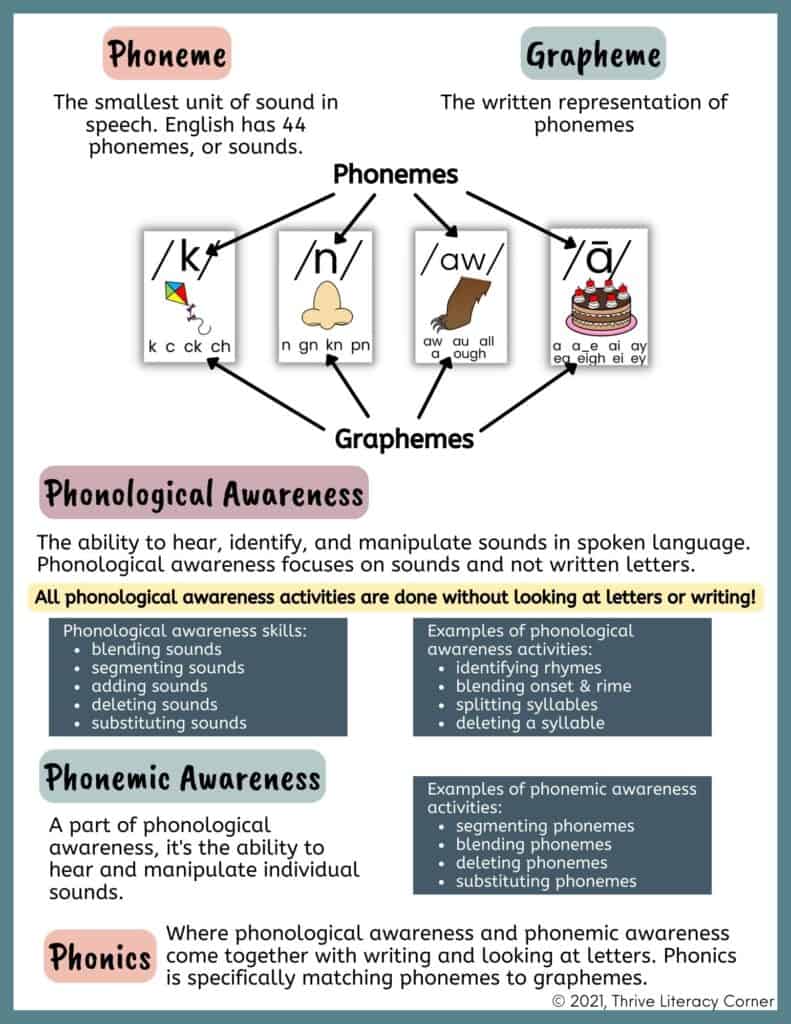
Phonics instruction connects the sounds of spoken language (phonemes) to letters or groups of letters (graphemes). Phonemic awareness—the ability to hear, identify, and manipulate individual sounds in spoken words—is a strong predictor of later reading success. When children can hear sounds, match them to letters, and blend them into words, they develop automatic decoding skills that make reading fluent and comprehension easier.
- Phonemic Awareness: Listening, segmenting, and blending sounds.
- Letter Sounds: Systematic, explicit teaching of grapheme-phoneme relationships.
- Application: Decoding (reading) and encoding (spelling) practice using consistent, cumulative activities and phonics worksheets for kindergarten PDF.
- Phase 1 — Phonemic Awareness and Listening Games: Rhymes, alliteration, syllable clapping, and sound isolation.
- Phase 2 — Letter-Sound Correspondence: Teach a small set of letter sounds (s, a, t, p, i, n) and practice blending and segmenting CVC words.
- Phase 3 — Additional Consonants and Short Vowels: Expand to digraphs (sh, ch) and more vowel practice.
- Phase 4 — Blends and More Complex Patterns: Teach consonant blends (bl, st) and CVCE patterns gradually.
- Phase 5 — Long Vowels and Alternative Spellings: Introduce vowel teams (ai, ea) and irregular spellings.
- Integrate worksheets into short, focused sessions (10–15 minutes) rather than long, repetitive tasks.
- Use a multisensory approach—pair worksheet work with magnetic letters, sand trays, or whiteboard writing.
- Differentiate: offer simpler or more complex versions of the same worksheet to match learner needs.
- Make worksheets interactive: cut-and-paste sorts, color-coding sounds, and drawing pictures to represent words.
- Running records with decodable texts to note error types.
- Phoneme segmentation checks using Elkonin boxes.
- Letter-sound fluency probes (timed 1-minute naming of sounds/letters).
- Word reading lists that match taught patterns.
- Provide manipulatives and extra processing time for children who need sensory input.
- Give advanced learners extension tasks: sentence creation, word hunts, or creative decodable writing prompts.
- Use picture supports and simplified tasks for students who need language scaffolds.
- Pair students for cooperative activities—peer modeling increases motivation and practice opportunities.
- Decodable readers aligned to a phonics scope and sequence.
- Phoneme segmentation tools and printable Elkonin boxes.
- Phonics worksheets for kindergarten PDF sets that include letter-sound practice, matching, and word-building activities.
- Keep sessions short and purposeful—small wins build momentum.
- Celebrate effort with specific praise (“You blended that word so smoothly!”).
- Use games, movement, and songs to break up desk time.
- Let children choose themes or picture prompts to increase engagement.
- When should I start phonics instruction?
- Begin phonemic awareness activities in preschool and start explicit letter-sound teaching around kindergarten readiness—adjust to each child’s development.
- How often should we practice?
- Short daily sessions (10–20 minutes) are more effective than occasional long ones.
- Are worksheets enough?
- Worksheets are helpful for reinforcement but should be paired with multisensory, interactive practice and real reading of decodable texts.
- Children sorting letter tiles on a table — alt: kids sorting letter tiles for phonics practice.
- Printable phonics worksheet with Elkonin boxes — alt: phonemic awareness worksheet with Elkonin boxes.
- Teacher and child reading a decodable book — alt: tutor reading a decodable book with a child.
How to Sequence Phonics Instruction: A Practical Roadmap
A clear sequence helps children build skills without cognitive overload. Use a progression that moves from simple to complex and revisits skills frequently.
Each phase should combine explicit instruction, guided practice, independent activities, and ongoing assessment—perfect moments to use printable phonics worksheets for kindergarten PDF to reinforce skills.
Essential Phonics Activities and How to Use Them
1. Sound Detective (Phonemic Awareness)
Activity: Say a word and ask the child to identify the beginning, middle, or ending sound (e.g., “cat” — /k/ /æ/ /t/). Use counters or tokens to represent each sound.
Why It Works: Strengthens sound segmentation and prepares children for decoding and spelling.
2. Letter-Sound Matching
Activity: Provide a set of picture cards and letter cards. The child matches pictures to the letter that makes the initial sound.
Variation: Use a phonics worksheet for kindergarten PDF that contains picture-to-letter matching practice for repeated, structured practice.
3. Pocket Word Building
Activity: Use a small pocket chart or envelope with letter tiles. Start with three-letter (CVC) words—change one letter to make new words (e.g., cat → bat → bag).
Why It Works: Builds phoneme-grapheme mapping and shows how small changes alter meaning and sound.
4. Rhyming Ladders
Activity: Use a ladder template from a phonics worksheet PDF with a base word (e.g., pan). Create rungs with rhyming words (man, can, fan) and draw or write pictures.
Why It Works: Reinforces rhyme families and vowel patterns; excellent for group or independent practice.
5. Segment and Blend with Elkonin Boxes
Activity: Use boxes drawn on paper (or a printable worksheet) to represent each sound in a word. Have the child push a token into each box as they say the sound, then blend them to say the full word.
Why It Works: Visual and kinesthetic support for phoneme segmentation and blending.
6. Word Sorts (Categorizing by Sound/Pattern)
Activity: Provide words or pictures and two to three categories (e.g., short a, short i, short o). Children sort items and explain their choices.
Why It Works: Helps children notice spelling patterns and contrasts between sounds.
7. Reading Decodable Books and Tracking Progress
Activity: Use short decodable passages that match taught letter-sound patterns. Encourage rereading for fluency and comprehension checks (simple questions about the passage).
Why It Works: Reinforces transfer from isolated practice to actual reading and builds confidence.
Using Phonics Worksheets for Kindergarten PDF Effectively
Printable phonics worksheets are powerful when used intentionally. Choose PDFs that align with your sequence, are visually clear, and include a variety of activities (matching, tracing, sorting, and word-building). Here’s how to make the most of them:
Assessment and Monitoring: Simple Checks That Inform Instruction
Regular, quick checks help you know when to review or move on. Use informal assessments such as:
Record results in a simple chart to spot patterns—this lets you plan targeted reteaching and choose the right phonics worksheets for kindergarten PDF for practice.
Differentiation: Adapting Activities for Diverse Learners
No two learners are the same. Here are efficient ways to differentiate without adding prep time:
Sample Week Plan Using Phonics Worksheets for Kindergarten PDF
| Day | Focus | Activities (20–30 min) |
|---|---|---|
| Monday | Phonemic Awareness | Sound Detective game; rhyming ladders worksheet |
| Tuesday | Letter Sounds | Letter-sound matching; pocket word building |
| Wednesday | Blending & Decoding | Elkonin boxes; decodable reading passage |
| Thursday | Word Patterns | Word sorts; phonics worksheet practice |
| Friday | Fluency & Review | Timed letter-sound check; rereading decodable book |
Resources, Links, and Tools
For homeschooling parents and tutors, pairing well-structured instruction with classroom-quality printables accelerates progress. Consider these resource types:
Quick Tips for Keeping Kids Motivated
Conclusion: Build Confident Readers with Intentional Phonics Practice
Phonics instruction—rooted in phonemic awareness, systematic letter-sound teaching, and plenty of practice—unlocks the reading code for young learners. With a clear sequence, short focused lessons, and the right resources, homeschooling parents and tutors can turn hesitant beginners into confident, independent readers. Use multisensory activities, frequent checks, and differentiated materials to meet each child where they are.
Enhance reading confidence with our phonics worksheets for kindergarten PDF. These printables are designed to align with a research-backed scope and sequence, include activities for letter sounds, phonemic awareness, blending, and word-building, and are perfect for both home and small-group tutoring. Download now to start building stronger reading foundations today.
FAQ (Quick Answers for Busy Parents)
Image Alt Text Suggestions
Ready to give your child the tools to decode with ease? Enhance reading confidence with our phonics worksheets for kindergarten PDF and watch reading skills take off.


0 Comments