
Unlocking Knowledge: A Friendly Guide to Crafting Educational and Engaging Content
Have you ever felt lost in a sea of information, struggling to grasp a new concept? We’ve all been there. The key to making learning enjoyable and effective lies in the tone of the content itself. Educational content doesn’t have to be dry and boring. In fact, when it’s friendly and engaging, it becomes much more accessible and memorable.
In this comprehensive guide, we’ll explore how to create educational content that not only informs but also captivates your audience. We’ll delve into practical strategies, real-world examples, and actionable tips to transform complex topics into digestible and enjoyable learning experiences. Get ready to unlock the power of friendly education!
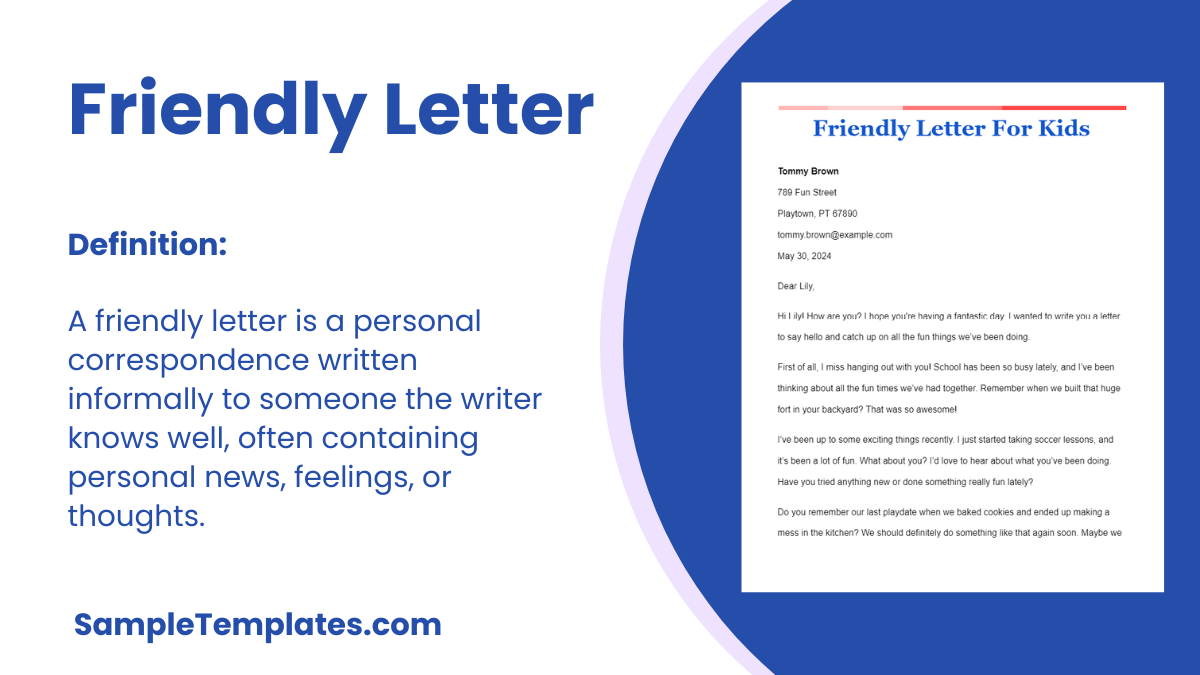
Why a Friendly Tone Matters in Education
Think back to your favorite teacher or professor. What made them so effective? Chances are, it wasn’t just their knowledge, but also their ability to connect with you on a personal level. A friendly tone creates a welcoming and supportive learning environment, making it easier for your audience to absorb and retain information.
- Builds Trust and Rapport: A friendly tone signals that you’re approachable and empathetic, fostering trust and encouraging interaction.
- Reduces Anxiety: Learning can be intimidating, especially when dealing with complex subjects. A friendly tone can help alleviate anxiety and create a more comfortable learning experience.
- Increases Engagement: When content is presented in a friendly and engaging manner, people are more likely to pay attention, participate, and retain information.
- Promotes Deeper Understanding: A friendly tone can help simplify complex concepts, making them easier to understand and apply.
- Encourages Lifelong Learning: By making learning enjoyable, a friendly tone can inspire a lifelong love of knowledge.
- Instead of: “The utilization of pedagogical methodologies is paramount for optimal knowledge transfer.”
- Try: “Using effective teaching methods is key to helping people learn!”
- Khan Academy: Khan Academy uses a friendly and approachable tone in its videos and articles, making complex subjects like math and science accessible to learners of all ages. They use clear explanations, visual aids, and real-world examples to help students understand the material.
- Crash Course: Crash Course videos are known for their fast-paced, engaging, and humorous style. They cover a wide range of topics, from history to literature to science, in a way that is both informative and entertaining.
- Duolingo: Duolingo makes language learning fun and engaging through its gamified approach. It uses a friendly and encouraging tone to motivate users and help them stay on track.
- TED-Ed: TED-Ed videos are designed to spark curiosity and inspire learning. They feature captivating visuals, engaging storytelling, and thought-provoking questions.
- BrainPop: BrainPop uses animated videos and interactive activities to teach kids about a variety of topics, from science and math to social studies and health. Their videos are known for their humorous and engaging style.
- Being overly informal: While conversational language is important, avoid being too casual or unprofessional.
- Talking down to your audience: Treat your audience with respect and avoid making them feel like they’re not smart enough to understand the material.
- Using excessive jargon: While some technical terms may be necessary, try to explain them in plain language whenever possible.
- Being condescending: Avoid making statements that imply your audience is ignorant or uninformed.
- Ignoring accessibility: Make sure your content is accessible to people with disabilities by using alt text for images, providing transcripts for videos, and using clear and concise language.
- Engagement: Track metrics like time on page, bounce rate, and social shares to see if your audience is engaging with your content.
- Feedback: Pay attention to comments, reviews, and surveys to get direct feedback from your audience.
- Completion Rates: If you’re creating a course or series of lessons, track completion rates to see if people are finishing the material.
- Knowledge Retention: Use quizzes and assessments to measure how well your audience is retaining the information you’re teaching.
- Positive Sentiment: Monitor social media and online forums to see if people are talking positively about your content.
- Link to an article on “Effective Teaching Methods” when discussing pedagogical approaches. (Anchor Text: Effective Teaching Methods)
- Link to a guide on “Creating Engaging Visual Content” when discussing the use of visuals in education. (Anchor Text: Engaging Visual Content)
- Link to a page offering “Online Courses and Workshops” when mentioning opportunities for further learning. (Anchor Text: Online Courses and Workshops)
- Link to Khan Academy when mentioning online learning resources. (Anchor Text: Khan Academy)
- Link to TED-Ed when discussing engaging educational videos. (Anchor Text: TED-Ed)
- Link to research studies on the effectiveness of different teaching methods from reputable academic journals. (Anchor Text: Research on Teaching Methods)
Key Takeaway: A friendly tone isn’t just about being nice; it’s about creating a more effective and enjoyable learning experience for everyone.

Strategies for Injecting Friendliness into Your Educational Content
Now that we understand the importance of a friendly tone, let’s explore some practical strategies for incorporating it into your educational content.
1. Use Conversational Language
Ditch the jargon and formal language. Write as if you’re having a conversation with a friend. Use contractions, address the reader directly (“you”), and ask questions to keep them engaged.
Example: Imagine you’re explaining the concept of photosynthesis. Instead of launching into a technical definition, you could start with a relatable question: “Have you ever wondered how plants make their own food? Well, it all starts with a fascinating process called photosynthesis…”

2. Embrace Storytelling
Stories are a powerful tool for engaging your audience and making complex concepts more relatable. Use anecdotes, case studies, and real-world examples to illustrate your points and bring your content to life.
Example: When teaching about the importance of teamwork, share a story about a successful team project you were involved in, highlighting the challenges, successes, and lessons learned.

3. Inject Humor (When Appropriate)
A little humor can go a long way in making your content more engaging and memorable. Just be sure to use it judiciously and avoid anything that could be offensive or distracting.
Example: When explaining a complex algorithm, you could say, “Think of this algorithm as a really picky eater – it only accepts certain inputs and follows a strict set of rules!”
4. Use Visuals to Enhance Understanding
Visual aids, such as images, videos, infographics, and charts, can help break up text and make complex information easier to digest. Choose visuals that are relevant, engaging, and visually appealing.
Example: When teaching about anatomy, use diagrams and illustrations to show the different parts of the body and how they work together.
5. Encourage Interaction and Feedback
Make your content interactive by asking questions, inviting comments, and providing opportunities for feedback. This will not only keep your audience engaged but also help you improve your content over time.
Example: At the end of a lesson on coding, you could ask your audience to share their own coding projects or challenges they’ve encountered.
6. Show Enthusiasm and Passion
Your enthusiasm for the subject matter is contagious. Let your passion shine through in your writing, and your audience will be more likely to get excited about learning.
Example: Instead of simply stating a fact, share why you find it fascinating and how it relates to the bigger picture.
7. Be Empathetic and Understanding
Remember that everyone learns at their own pace. Be patient, understanding, and supportive, and avoid making assumptions about your audience’s prior knowledge.
Example: When explaining a difficult concept, acknowledge that it can be challenging and offer additional resources for those who need more help.
8. Offer Practical Tips and Actionable Advice
People are more likely to engage with content that provides practical tips and actionable advice they can use in their own lives.
Example: Instead of just explaining the theory behind time management, offer specific strategies and tools that your audience can use to improve their productivity.
9. Break Down Complex Topics into Smaller, Manageable Chunks
Avoid overwhelming your audience with too much information at once. Break down complex topics into smaller, more manageable chunks, and use headings and subheadings to organize your content.
Example: Instead of writing one long article on the history of the internet, break it down into smaller articles focusing on specific periods or events.
10. Provide Real-World Examples and Case Studies
Illustrate your points with real-world examples and case studies to show your audience how the concepts you’re teaching apply to their own lives.
Example: When teaching about marketing, use case studies of successful marketing campaigns to demonstrate the principles you’re discussing.
Key Takeaway: Injecting friendliness into your educational content is about creating a welcoming, engaging, and supportive learning environment that fosters understanding and inspires a love of learning.
Examples of Friendly Educational Content in Action
Let’s take a look at some examples of how these strategies can be applied in different contexts:
Key Takeaway: These examples demonstrate that friendly educational content can be effective in a variety of formats and across a wide range of subjects.
Common Pitfalls to Avoid
While a friendly tone is essential, it’s important to avoid certain pitfalls that can undermine your efforts:
Key Takeaway: Maintaining a balance between friendliness and professionalism is crucial for creating effective educational content.
Measuring the Impact of a Friendly Tone
How can you tell if your friendly tone is making a difference? Here are some metrics to track:
Key Takeaway: By tracking these metrics, you can gain valuable insights into the effectiveness of your friendly tone and make adjustments as needed.
Internal Linking Opportunities
To further enhance the user experience and SEO of your content, consider adding internal links to relevant articles on your website. Here are some suggestions:
External Linking Opportunities
To provide additional resources and support your claims, consider adding external links to authoritative websites. Here are some suggestions:
Conclusion: Embrace the Power of Friendly Education
Creating educational content that is both informative and engaging is essential for fostering a love of learning and empowering individuals to reach their full potential. By embracing a friendly tone, incorporating storytelling, using visuals, and encouraging interaction, you can transform complex topics into accessible and enjoyable learning experiences.
Remember, education isn’t just about imparting knowledge; it’s about inspiring curiosity, fostering critical thinking, and empowering individuals to make a positive impact on the world. So, go forth and create content that not only informs but also inspires, engages, and empowers!
Key Takeaway: By embracing the power of friendly education, you can make a real difference in the lives of others and help create a more knowledgeable and engaged world.


0 Comments