
Animal Habitats for Kids: A Fun & Friendly Guide to Where Animals Live
Hook: Have you ever wondered why polar bears live where it’s freezing or why camels live in the desert? Animals live in many different places called habitats. In this friendly guide, you’ll learn about the main habitats on Earth, meet animals that live in each one, discover why those places are special, and try simple activities and games to explore habitats at home or in the classroom.

Introduction: What Is a Habitat? (150–200 words)
A habitat is the natural home or environment where a plant or animal lives. It provides everything an animal needs to survive: food, water, shelter, and space. Habitats can be big or small, wet or dry, hot or cold, and they shape the animals that live there. For example, fish have gills for breathing underwater, while birds have wings for flying between trees. In this article, you’ll explore the most common habitats — forests, oceans, deserts, grasslands, wetlands, and polar regions — with clear explanations, examples of animals and plants, fun facts, easy experiments, and activities perfect for kids, teachers, and parents. By the end, you’ll know how habitats work, why they’re important, and how everyone can help protect them. Let’s dive in and discover the amazing places animals call home!
Why Habitats Matter
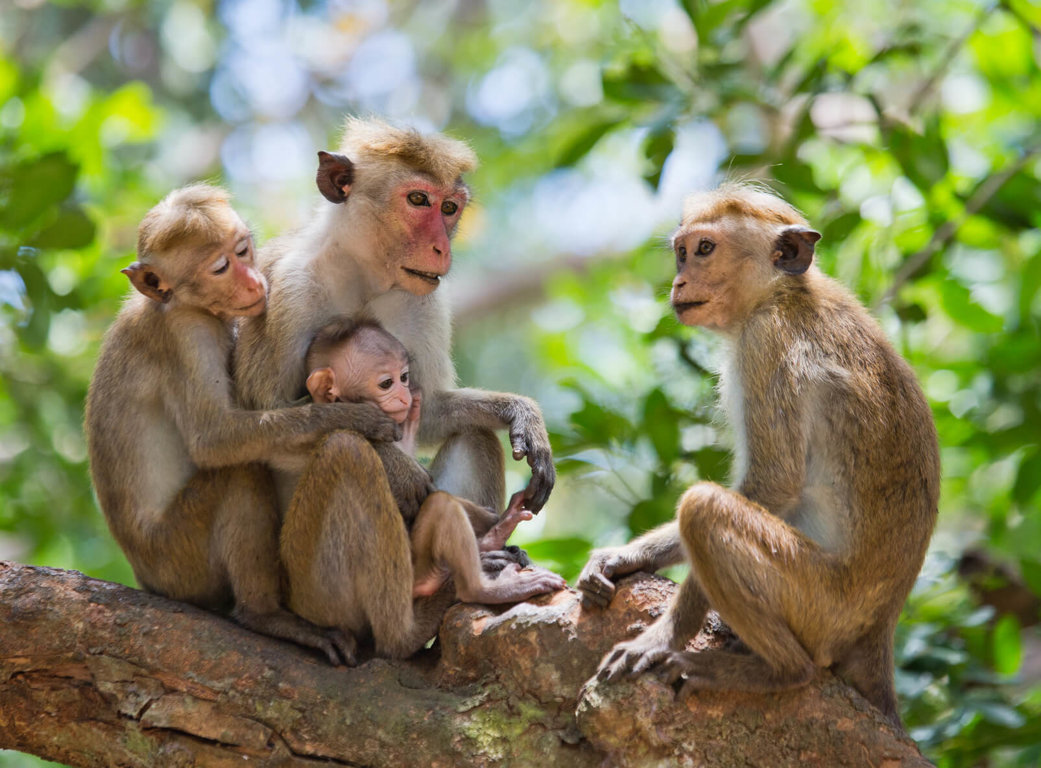
Habitats keep ecosystems balanced and support food chains. When habitats are healthy, animals and plants can thrive. When habitats are damaged, species can become endangered or extinct. Learning about habitats helps kids understand nature and how to protect it.

Key Things a Habitat Provides
- Food — plants, insects, other animals
- Water — rivers, rain, ponds, moisture
- Shelter — nests, burrows, caves, trees
- Space — room to find food, raise young, and move around
- Mammals: deer, monkeys, bears, squirrels
- Birds: owls, woodpeckers, parrots
- Insects: butterflies, ants, beetles
- Plants: ferns, mosses, tall trees, vines
- Find a clear jar with a lid.
- Add small rocks for drainage, then a layer of activated charcoal (helps keep soil fresh).
- Put potting soil, then tiny plants like ferns or moss.
- Spray lightly with water and close the lid to create a tiny, humid forest.
- Watch how your mini forest recycles water — it’s a closed ecosystem!
- Mammals: whales, dolphins, seals
- Fish: tuna, clownfish, sharks
- Invertebrates: octopuses, jellyfish, crabs
- Plants: seaweed, seagrass
- Fill a clear bottle most of the way with water and leave space at the top.
- Add a few drops of blue food coloring and tiny plastic sea animals or shells.
- Add a tablespoon of vegetable oil — the oil will float and look like waves when you tilt the bottle.
- Seal the bottle tightly and shake gently to see ocean waves and creatures move.
- Mammals: camels, fennec foxes, kangaroo rats
- Reptiles: lizards, snakes
- Insects: scorpions, beetles
- Plants: cacti, small shrubs with deep roots
- Create cards with resources: water, shade, food, shelter, and predators.
- Give each player an animal with its needs (e.g., camel needs water, fox needs shelter).
- Draw resource cards and see which animals survive a “desert day.”
- Discuss how real animals meet their needs in deserts.
- Mammals: bison, antelope, lions, zebras, elephants (in African savannas)
- Birds: hawks, meadowlarks
- Insects: grasshoppers, bees
- Plants: tall grasses, wildflowers
- Draw or cut out pictures of sun, grass, grasshopper, frog, snake, hawk (or other chain members).
- Hang them from a stick with string to show who eats whom.
- Talk about how removing one animal affects the whole chain.
- Birds: herons, ducks, egrets
- Amphibians: frogs, salamanders
- Reptiles: turtles, alligators (in some wetlands)
- Plants: cattails, reeds, water lilies
- Visit a local pond or safe wetland area with an adult.
- Use a net to gently scoop water and tiny creatures into a clear jar.
- Observe creatures like water beetles, tadpoles, and snails with a magnifying glass, then release them back.
- Record what you saw in a nature journal.
- Arctic animals: polar bears, Arctic foxes, walruses, seals
- Antarctic animals: penguins, seals, krill, some whales
- Plants: mosses, lichens, low shrubs (very limited)
- Fill two identical small containers with the same amount of warm water.
- Wrap one container with thick cloth or cotton (insulation) and leave the other uncovered.
- Measure the temperature every 5 minutes to see which one stays warmer longer — just like how blubber keeps animals warm.
- Go outdoors and look under rocks, logs, and leaves (with permission and adult supervision).
- Draw or photograph what you find and note where each creature lives and why.
- Return everything as you found it to keep the habitat safe.
- Sun → Algae (producer) → Water flea (consumer) → Small fish → Heron (top predator)
- Deforestation and habitat loss
- Pollution of air, water, and soil
- Climate change altering temperature and rainfall
- Introduction of invasive species that crowd out native animals
- Plant a tree or native flowers for pollinators
- Reduce, reuse, and recycle to keep habitats clean
- Join local cleanups for parks, beaches, or streams
- Learn and share facts with friends and family
- Create cards with pictures of animals and habitats.
- Have kids match each animal to the correct habitat.
- Discuss why each animal belongs in that habitat.
- Use a shoebox to build a habitat (forest, ocean, desert, etc.).
- Add toy animals, paper trees, sand, or blue cellophane for water.
- Label parts like shelter, food, and water.
- Choose an animal and write or tell a story about a day in its life.
- Include what it eats, where it sleeps, and what dangers it faces.
- Share with the class or family and compare stories for different animals.
- Books: “The Magic School Bus” series (habitat-themed), “Over and Under the Pond” by Kate Messner

Forest Habitats: Homes Among the Trees
Forests are large areas filled with trees, plants, and many animals. They can be tropical (hot and wet), temperate (cooler with seasons), or boreal (cold and full of evergreen trees).

Animals and Plants in Forests
Adaptations: How Forest Animals Survive
Forest animals have special traits that help them live among trees and plants. Monkeys use strong limbs to swing; owls have silent wings to sneak up on prey; deer have good hearing and speed to escape predators.
Fun Forest Fact
Some forests, called rainforests, are so packed with life that more than half of all the world’s species live in them!
Activity: Build a Mini Forest in a Jar
Ocean Habitats: Life Under the Waves
Oceans cover more than 70% of Earth and have many different habitats like coral reefs, open ocean, deep sea, and coastal areas.
Animals and Plants in the Ocean
Adaptations: How Ocean Animals Survive
Ocean creatures have special features like gills for breathing underwater, blubber to stay warm, and fins or flippers for swimming. Some animals glow in the dark in deep water — this is called bioluminescence.
Fun Ocean Fact
Coral reefs are often called the “rainforests of the sea” because they are full of life and colors.
Activity: Make a Simple Ocean in a Bottle
Desert Habitats: Life in Hot, Dry Places
Deserts are places with very little rainfall. They can be hot (like the Sahara) or cold (like Antarctica, which is technically a polar desert).
Animals and Plants in Deserts
Adaptations: How Desert Animals Survive
Desert animals often conserve water, stay cool by being active at night, and have special body parts like padded feet or long eyelashes to protect against sand. Plants store water in stems or leaves.
Fun Desert Fact
Many desert animals are nocturnal — they sleep during the hot day and come out at night when it’s cooler.
Activity: Desert Survival Game
Grassland Habitats: Wide Open Spaces
Grasslands are big areas of grass with few trees. They include prairies, savannas, and steppes. Grasslands are great for animals that graze (eat plants) and for predators that chase them.
Animals and Plants in Grasslands
Adaptations: How Grassland Animals Survive
Many grassland animals are fast runners to escape predators. Animals like bison have thick fur to survive cold winters on prairies. Plants often have deep roots to survive fires and droughts.
Fun Grassland Fact
Some grasslands rely on periodic fires to keep trees from taking over and to help grasses regrow fresh and healthy.
Activity: Make a Food Chain Mobile
Wetland Habitats: Water and Land Meet
Wetlands are places where land and water mix, like marshes, swamps, and bogs. They’re full of life and help clean water and protect against floods.
Animals and Plants in Wetlands
Adaptations: How Wetland Animals Survive
Many wetland animals are good swimmers or have special feet for paddling or walking on mud. Plants can grow with their roots in water and have stems that float or stand above water.
Fun Wetland Fact
Wetlands act like sponges: they soak up floodwater and slowly release it, which helps prevent floods and keeps water clean.
Activity: Pond Dip Exploration
Polar Habitats: Cold, Ice, and Amazing Adaptations
Polar regions include the Arctic (north) and Antarctica (south). These places are very cold, icy, and have special animals adapted to freezing temperatures.
Animals and Plants in Polar Regions
Adaptations: Staying Warm in the Cold
Polar animals have thick fur or blubber to stay warm. White fur or feathers help them hide in the snow. Some animals migrate to warmer places during parts of the year.
Fun Polar Fact
Polar bears are excellent swimmers and can swim long distances to find food on sea ice.
Activity: Insulation Experiment
Microhabitats: Tiny Homes with Big Life
Beyond the big habitats, there are microhabitats — small places where tiny creatures live. Examples include under a rock, inside a rotting log, in a tree hole, or in a puddle.
Why Microhabitats Matter
Microhabitats provide special conditions that help insects, small animals, and fungi survive. Studying them teaches kids about biodiversity and helps connect them to nature up close.
Activity: Microhabitat Hunt
Food Chains and Food Webs: Who Eats Whom?
Food chains show simple lines of who eats whom. Food webs connect many food chains to show how energy moves in an ecosystem. Every habitat has a food web made of producers (plants), consumers (herbivores, carnivores), and decomposers (fungi, bacteria).
Example: Pond Food Chain
Why Food Webs Are Important
If one species disappears, it can affect many others. That’s why protecting habitats and biodiversity matters to keep ecosystems healthy.
How Humans Affect Habitats
Humans change habitats by building cities, cutting down forests, polluting water, and causing climate change. Some changes are harmful, but people can also help by protecting areas and restoring habitats.
Threats to Habitats
How Kids Can Help
Activities & Games to Learn About Habitats
Here are easy, fun activities for the classroom or at home to help kids learn by doing.
Habitat Sorting Game
Make a Habitat Diorama
Storytelling: Create an Animal’s Day
Common Questions Kids Ask (FAQ)
What is the difference between a habitat and a biome?
A habitat is the specific place where an animal lives, like a pond or a tree. A biome is a large area with similar climate and life forms, such as forests, deserts, or tundra. A biome contains many habitats.
Can animals live in more than one habitat?
Some animals can live in different habitats during their life. For example, frogs spend time in water as tadpoles and on land as adults. Others migrate seasonally between habitats.
Why do some animals live in extreme places like deserts or polar regions?
Animals that live in extreme habitats have special adaptations that let them survive where food or water is scarce, temperature is extreme, or conditions are harsh. These adaptations help them find food, stay warm or cool, and reproduce.
Classroom Resources and Lesson Ideas
Teachers can use these resources to build lessons around habitats.
<


0 Comments