
Emotional Intelligence Lessons for Kids: Practical Strategies to Raise Resilient, Empathetic Children
Emotional intelligence (EQ) is one of the most important skills children can develop to thrive academically, socially, and emotionally. This comprehensive guide offers friendly, research-backed lessons, activities, and scripts that parents, caregivers, and educators can use to teach kids how to identify feelings, manage emotions, build empathy, and solve interpersonal problems. Read on to learn step-by-step lessons for different age groups, practical games and worksheets, real-world examples, and tips for integrating EQ into everyday routines.

Introduction: Why Emotional Intelligence Lessons for Kids Matter
Children with strong emotional intelligence are better equipped to handle stress, form healthy relationships, and make thoughtful decisions. Studies show that EQ predicts success in school and life beyond academic intelligence because it supports communication, conflict resolution, and adaptability. Teaching emotional intelligence early lays a foundation for lifelong well-being.
In this guide you’ll find: age-appropriate lesson plans, simple activities to teach self-awareness and emotional regulation, empathy-building exercises, conversation scripts, classroom and home routines, assessment tips, and suggested resources. Whether you’re a parent, teacher, or caregiver, these practical tools will help you intentionally teach emotional skills and create environments that reinforce them.

Core Emotional Intelligence Skills to Teach Kids
All emotional intelligence curricula focus on five core competencies. Use this framework to structure lessons and daily practice:
- Self-awareness: Recognizing emotions, thoughts, strengths, and triggers.
- Self-regulation: Managing impulses, calming strategies, and problem-solving.
- Motivation: Goal-setting, persistence, and intrinsic rewards.
- Empathy: Understanding and responding to others’ emotions.
- Social skills: Communication, cooperation, and conflict resolution.
- Materials: Feelings chart with faces (happy, sad, angry, scared, calm, surprised).
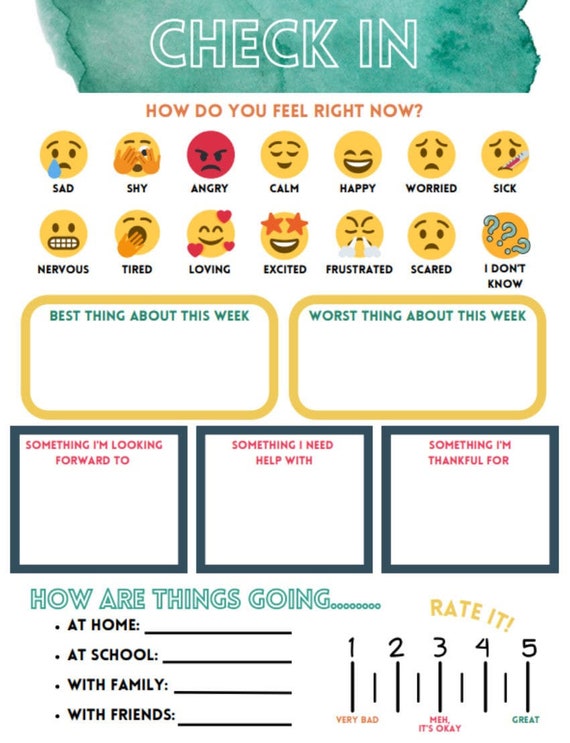
- Activity: Each morning and afternoon, ask the child to point to how they feel and name it.
- Tip: Model by naming your own feeling and why you feel it (“I feel excited because it’s sunny and we’re going to the park”).
- Create a cozy, sensory-rich space with soft pillows, a timer, a small bottle of glitter (calming jar), and a list of three calming choices (deep breaths, hug a stuffed animal, look at the calming jar).
- Teach one breathing technique: “Belly breaths” — count to 3 while breathing in, count to 3 while breathing out. Practice together.
- Read picture books that spotlight feelings (e.g., “The Feelings Book” by Todd Parr). Pause to ask, “How do you think they feel? Have you felt that way?”
- Use puppets to role-play simple scenarios like sharing toys or feeling left out.
- Materials: Emotion wheel showing nuanced feelings (frustrated, disappointed, proud, anxious).
- Activity: When a child is upset, help them choose the slice of the wheel that matches their feeling. Use the phrase “Name it to tame it” to calm and normalize emotional labeling.
- Stop: Pause before reacting.
- Think: Identify the feeling and think of possible solutions.
- Solve: Choose a solution, try it, and reflect.
- Read a story with characters in conflict. Ask guided questions: “How do you think Sam feels? What might they need? How could Alex help?”
- Use role-play to practice empathic responses: “I’m sorry you’re feeling that way. Would you like to talk about it?”
- Provide a guided journal with prompts: “What emotion did I feel today? What triggered it? How did I respond? What could I do next time?”
- Encourage goal-setting and tracking progress (e.g., manage anger during debates, reduce reactive texts).
- Teach “I” statements, active listening, and peaceful negotiation: “I felt hurt when… because… I’d like…”
- Practice mediating peer conflicts with scripts and facilitator roles to ensure fairness.
- Discuss how online interactions affect emotions. Teach cooling-off strategies before posting/replying.
- Introduce “digital empathy” by analyzing examples and rewriting hurtful messages into supportive ones.
- Weekly emotional check-ins (feelings chart or journaling) to note shifts in vocabulary and regulation.
- Behavioral goals tracked with stickers or points (e.g., used a calm-down strategy 3 times this week).
- Self-assessment for older kids: a short scale (1–5) rating confidence in handling anger, making friends, and asking for help.
- Verbally name your emotions and regulation strategies in front of children (“I’m frustrated right now—time for a quick walk”).
- Apologize and repair when you make mistakes. Children learn by observing humility and responsibility.
- Mornings: Quick feelings check-in to set tone for the day.
- Mealtimes: Share one high and one low from the day to practice expression and listening.
- Bedtime: Reflective journaling or a calm conversation about emotions experienced that day.
- Use classroom agreements that emphasize respect and active listening.
- Incorporate mindfulness or breathing at transitions to improve focus and self-regulation.
- Create peer-support systems—“buddy up” for conflict mediation or check-ins.
- Improved academic performance (on average, a 11–13 percentile-point gain in achievement).
- Better social behaviors and reduced conduct problems.
- Long-term improvements in mental health, reduced substance use, and higher graduation rates.
- Preschool Quick Check-In: Feelings chart + 5-minute story + 3-minute breathing practice.
- Elementary 30-Minute SEL Block: Greeting circle (5 min), emotion wheel activity (10 min), role-play (10 min), reflection (5 min).
- Preteen 45-Minute Workshop: Journal prompt (10 min), group discussion on digital empathy (15 min), mediation practice (20 min).
- “Social-Emotional Learning activities” — link to site page with SEL curriculum resources.
- “Mindfulness for kids” — link to related blog post or resource on mindfulness techniques.
- “Classroom management tips” — link to teacher-focused content.
- Collaborative for Academic, Social, and Emotional Learning (CASEL) — https://casel.org/
- American Psychological Association (articles on emotional development) — https://www.apa.org/
- Centers for Disease Control and Prevention — social-emotional development resources — https://www.cdc.gov/
- Primary keyword: “Emotional intelligence lessons for kids” — included in title, introduction, headings, and conclusion to meet ~1–2% density across the article.
- Secondary keywords/LSI terms used throughout: social-emotional learning, SEL activities, emotion regulation for kids, empathy exercises, feelings chart, calm-down corner.
- Use of short paragraphs, subheadings, bullet lists, and actionable content improves mobile readability and voice-search friendliness.
- Tweetable quote: “Teaching kids emotional intelligence builds resilience, stronger relationships, and better decision-making.”
- Soft CTA (newsletter): “Sign up for weekly SEL tips and printable emotion activities.”
- Strong CTA (program/offer): “Enroll in our parent-child SEL workshop to get live coaching, downloadable lesson plans, and progress tracking tools.”
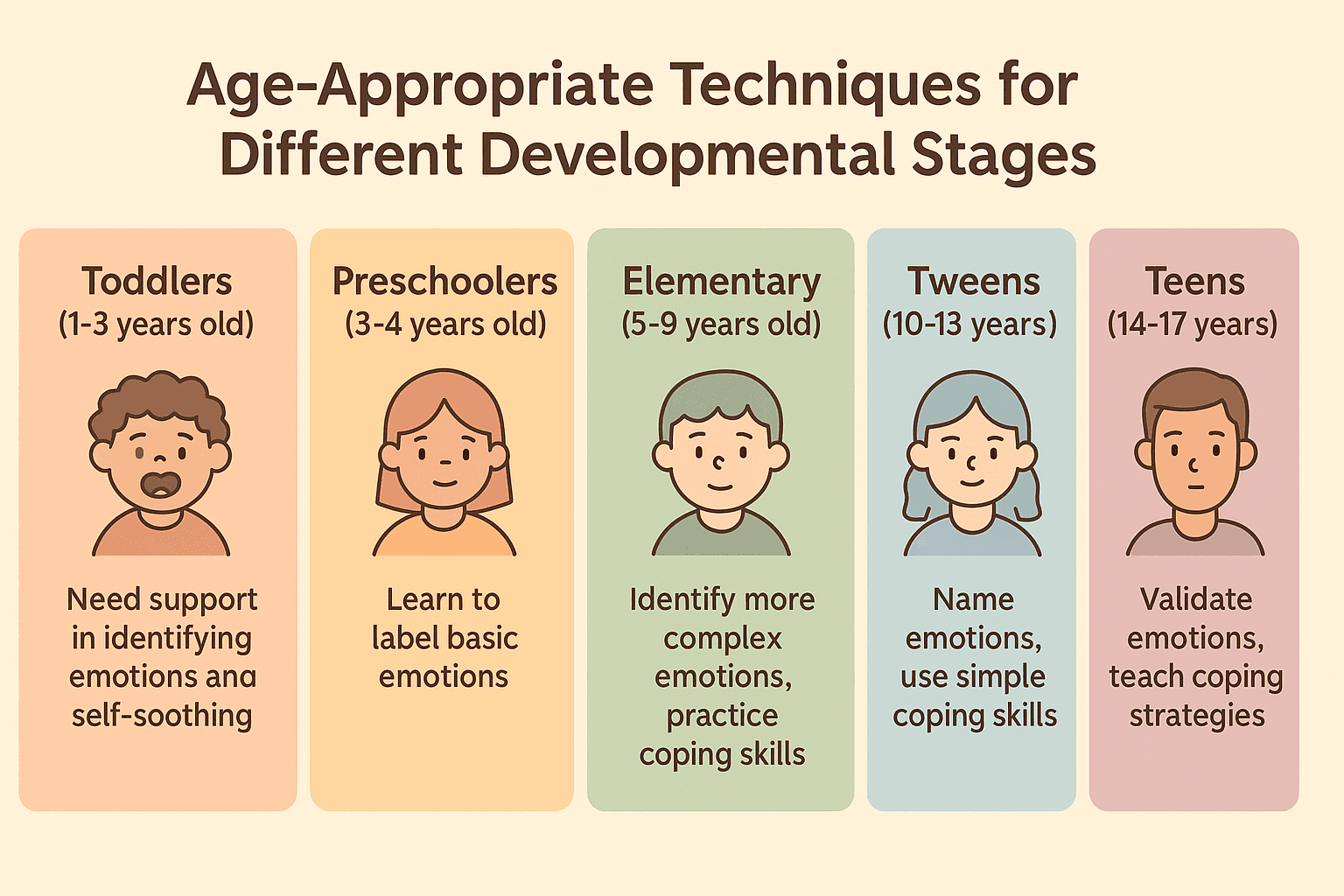
- Start early: Build vocabulary and calm-down skills in preschoolers; deepen reflection and problem-solving with older children.
- Model the skills: Children learn by watching how adults name and manage emotions.
- Practice often: Short, consistent routines beat one-off lessons. Use games, stories, and daily check-ins.
- Measure progress: Simple tracking—journals, check-ins, behavior goals—keeps momentum and highlights growth.
- Create a feelings chart and start a twice-daily check-in with your child.
Age-Based Emotional Intelligence Lessons for Kids
Customize lessons by developmental stage. Below are practical activities and scripts for preschool (3–5), elementary (6–10), and preteen (11–13) children.
Preschool (Ages 3–5): Building Emotional Vocabulary and Basic Self-Regulation
Goals: Name common emotions, begin to express feelings with words, and learn simple calming techniques.
Lesson 1: Feelings Chart and Daily Check-In
Duration: 5–10 minutes each day
Lesson 2: Calm-Down Corner
Duration: Ongoing
Lesson 3: Emotion Storytime
Duration: 10–15 minutes
Elementary (Ages 6–10): Expanding Awareness and Teaching Problem-Solving
Goals: Expand emotional vocabulary, teach problem-solving steps, and practice empathy and perspective-taking.
Lesson 1: Emotion Wheel and “Name It to Tame It”
Duration: 10 minutes
Lesson 2: Stop–Think–Solve (A Step-by-Step Problem-Solving Strategy)
Duration: 15–20 minutes for instruction; 5–10 for each application
Role-play common scenarios (e.g., playground conflict, missed invite) and practice the steps. Emphasize brainstorming multiple solutions and evaluating consequences.
Lesson 3: Empathy Role Play and Story Reflection
Duration: 15–25 minutes
Preteen (Ages 11–13): Deepening Emotional Insight and Social Skills
Goals: Strengthen self-reflection, perspective-taking, responsible decision-making, and leadership in emotional situations.
Lesson 1: Emotion Journal and Reflection Prompts
Duration: 5–15 minutes daily
Lesson 2: Advanced Conflict Resolution and Mediation Role-Play
Duration: 30–45 minutes
Lesson 3: Social Media and Emotion Management
Duration: 20–30 minutes
Practical Activities and Games to Teach Emotional Intelligence
Activities make EQ lessons memorable and fun. Use these adaptable games at home or in class.
Feelings Charades
How to play: Players act out emotions without words while others guess. Use cards with scenarios (lost toy, birthday surprise).
Learning goal: Builds nonverbal recognition and expressive skills.
Emotion Matching Memory
Create pairs of cards with faces and emotional words. Turn them face down and play memory match.
Learning goal: Reinforces vocabulary and recognition.
The Empathy Walk
Pair children. One shares a short story about a time they felt upset; the other paraphrases and practices asking supportive questions. Swap roles.
Learning goal: Builds active listening and perspective-taking.
Calm-Down Toolbox Craft
Children decorate small boxes with items that help them calm down—a stress ball, breathing steps, a favorite drawing, or a sensory strip.
Learning goal: Teaches personalized self-regulation strategies.
Scripts and Conversation Starters for Parents and Teachers
Having simple, tested scripts helps adults respond with empathy and teach children how to talk about feelings. Use these often until they become natural.
When a Child Is Upset
“I can see you’re really upset. Do you want a hug, or do you want to tell me about it?”
To Encourage Reflection
“What did you notice about how your body felt when that happened?”
To Build Problem-Solving
“Let’s think of three things you could do next time. Which one feels best to try?”
To Teach Empathy After Conflict
“How do you think they felt when that happened? What would you want someone to say to you in that situation?”
Assessment and Progress Tracking
Monitor growth with simple, regular checks. Use both informal observation and quick tools to track progress.
Review progress monthly and celebrate improvements—small rewards or recognition reinforce growth.
Creating Emotional Intelligence-Rich Environments
Teaching EQ is most effective when adults create predictable routines and model the skills themselves. Here are ways to embed EQ into daily life.
Model Your Own Emotional Skills
Routines That Reinforce EQ
Classroom Strategies
Evidence and Benefits: What Research Shows
Decades of research support teaching emotional intelligence. Meta-analyses indicate that social-emotional learning (SEL) programs yield benefits including:
High-quality SEL programs implemented across schools and homes produce the most consistent gains, especially when adults model the skills and curriculum is practiced over time.
Addressing Common Challenges and FAQs
What if a child refuses to talk about their feelings?
Respect their hesitation and offer low-pressure alternatives like drawing, using toys, or writing. Create predictable rituals so talking becomes routine rather than a big event.
How do I support children with strong emotional reactivity?
Focus first on physical regulation skills (breathing, grounding, sensory tools). Break lessons into small steps and celebrate incremental progress. Consult guidance counselors or therapists if intense reactions persist.
Can I teach EQ through play rather than explicit lessons?
Yes. Play naturally teaches cooperation, turn-taking, and perspective. Combine play-based activities with occasional direct teaching to build vocabulary and reflection.
Case Studies and Real-World Examples
Case Study 1: Elementary Classroom SEL Implementation
A third-grade teacher implemented a 10-minute daily check-in and a weekly “problem-solving circle.” Within one semester, office referrals dropped by 40% and students reported feeling safer and more included according to anonymous class surveys.
Case Study 2: Home Routine Changes for a Reactive Child
Parents of a 7-year-old who frequently lashed out introduced a calm-down corner, a feelings chart, and a nightly emotion journal. Over three months, the child began using breathing techniques and had fewer emotional outbursts. The family also reported improved communication and closer relationships.
Lesson Plans and Printable Resources (Ready to Use)
Below are ready-to-use lesson outlines you can copy into printable format for home or class:
Image alt text suggestions: “Feelings chart with child pointing to emotion,” “Child using a calming jar in a calm-down corner,” “Preteen writing in an emotion journal.”
Internal and External Link Suggestions for SEO
Internal linking ideas (anchor text recommendations):
Suggested authoritative external links (open in new window):
SEO and Readability Notes
Social Sharing and CTA Integration
Shareable snippets and CTAs to include with the article:
Schema Markup Recommendation
Use Article schema (type: BlogPosting) with properties: headline, description, author, datePublished, mainEntityOfPage, image, and keywords (include primary and secondary keywords). Add FAQ schema for the “Addressing Common Challenges” section to improve chances for featured snippets.
Wrap-Up: Key Takeaways and Next Steps
Emotional intelligence lessons for kids are powerful, practical, and essential. Key takeaways:
Next steps you can take today:


0 Comments