
Unlock Emotional Wellness: Feelings Coloring Pages, SEL Curriculum, and Mindfulness for Kids
In today’s fast-paced world, nurturing our children’s emotional well-being is more crucial than ever. By integrating feelings coloring pages and printables, a robust homeschool SEL curriculum, mindfulness practices, and calm learning activities, we can equip kids with the tools they need to navigate their emotions effectively. This comprehensive guide explores how to seamlessly incorporate these elements into your child’s learning environment, fostering emotional awareness and resilience.

The Power of Feelings: Why Emotional Awareness Matters
Emotional awareness is the ability to recognize, understand, and express our emotions. It’s a cornerstone of mental health and social competence. Children who are emotionally aware tend to have better relationships, perform better academically, and cope more effectively with stress.
- Improved Mental Health: Understanding feelings reduces anxiety and depression.
- Better Relationships: Emotional awareness promotes empathy and effective communication.
- Academic Success: Emotionally intelligent children can focus better and manage stress.
- Resilience: Learning to navigate emotions builds resilience in the face of challenges.
- Creative Expression: Coloring allows children to express themselves non-verbally, which can be particularly helpful for younger children or those who struggle with communication.
- Stress Reduction: The act of coloring can be calming and therapeutic, reducing stress and anxiety.
- Mindfulness Practice: Focusing on the colors and the act of coloring promotes mindfulness and presence.
- Create a Feelings Journal: Combine coloring pages with journaling prompts. After coloring a page, ask your child to write about a time they felt that emotion or what makes them feel that way.
- Use as a Conversation Starter: Use the coloring pages as a springboard for discussions about emotions. Ask questions like, “What do you think this character is feeling?” or “Have you ever felt this way?”
- Incorporate into Calm-Down Kits: Include feelings coloring pages in a calm-down kit for when your child is feeling overwhelmed or upset.
- Self-Management: Managing emotions, stress, and impulses effectively.
- Social Awareness: Understanding the perspectives and emotions of others.
- Relationship Skills: Building and maintaining healthy relationships.
- Responsible Decision-Making: Making ethical and constructive choices.
- Review Curriculum Content: Ensure the curriculum covers all five core competencies of SEL and provides age-appropriate activities and lessons.
- Consider Your Child’s Needs: Choose a curriculum that meets your child’s specific emotional and developmental needs.
- Look for Flexibility: Opt for a curriculum that allows for flexibility and customization to fit your homeschool schedule and learning environment.
- Incorporate SEL into Academic Subjects: Integrate SEL concepts into your academic lessons. For example, when reading a book, discuss the characters’ emotions and motivations.
- Practice Role-Playing: Use role-playing to practice social skills and conflict resolution. This helps children develop empathy and build healthy relationships.
- Reflect on Experiences: Encourage your child to reflect on their experiences and emotions through journaling or discussion.
- Improved Focus: Regular mindfulness practice can improve attention span and concentration.
- Emotional Regulation: Mindfulness helps children become more aware of their emotions and learn to regulate them effectively.
- Increased Empathy: By practicing mindfulness, children develop greater empathy and compassion for others.
- Belly Breathing: Have your child lie down and place their hands on their belly. Instruct them to breathe in deeply through their nose, feeling their belly rise, and then exhale slowly through their mouth, feeling their belly fall.
- Square Breathing: Guide your child to visualize a square. Breathe in for four counts, hold for four counts, breathe out for four counts, and hold for four counts. Repeat several times.
- Mindful Listening: Practice mindful listening by focusing on the sounds around you. Close your eyes and pay attention to the different sounds you hear, without judgment.
- Mindful Eating: Engage in mindful eating by paying attention to the taste, texture, and smell of your food. Eat slowly and savor each bite.
- Body Scan Meditation: Guide your child through a body scan meditation, where they focus on different parts of their body, noticing any sensations without judgment.
- Nature Walks: Take a mindful nature walk, paying attention to the sights, sounds, and smells of the natural world.
- Use Calming Colors: Decorate your learning space with calming colors, such as blues, greens, and purples.
- Incorporate Natural Elements: Bring natural elements into your learning space, such as plants, flowers, or a small water feature.
- Play Calming Music: Play soft, instrumental music during learning activities to create a relaxing atmosphere.
- Limit Screen Time: Reduce screen time and encourage outdoor activities to promote relaxation and reduce stress.
- Gardening: Gardening is a therapeutic activity that promotes relaxation and connection with nature.
- Reading Aloud: Reading aloud together can be a calming and bonding experience.
- Yoga and Stretching: Practice yoga and stretching exercises to release tension and promote relaxation.
- Creative Projects: Engage in creative projects, such as painting, drawing, or crafting, to express emotions and reduce stress.
- SEL Lesson (30 minutes): Dedicate time each day to an SEL lesson from your chosen curriculum.
- Mindfulness Practice (10 minutes): Practice a short mindfulness exercise, such as breathing or mindful listening.
- Academic Subjects (2-3 hours): Integrate SEL concepts into academic subjects and incorporate calm learning activities.
- Feelings Coloring Time (20 minutes): Spend time coloring feelings coloring pages and journaling about emotions.
- Outdoor Activity (30 minutes): Engage in an outdoor activity, such as a nature walk or gardening.
- Evening Reflection (15 minutes): End the day with a reflection on the day’s experiences and emotions.
- Emotional Resilience: Children learn to navigate challenges and bounce back from setbacks.
- Improved Mental Health: Regular practice promotes emotional well-being and reduces anxiety and depression.
- Academic Success: Emotionally intelligent children are better able to focus and succeed academically.
- Stronger Relationships: Children develop empathy and build healthy relationships.
- Shareable Quote: “Emotional awareness is the key to unlocking a child’s full potential. Let’s empower them to navigate their feelings with confidence!” #SEL #Mindfulness #EmotionalWellness
- Image Alt Text Suggestion: “Child coloring a feelings coloring page with various emotion faces”
- Social Media Snippet: “Discover how to foster emotional wellness in your kids with feelings coloring pages, SEL curriculum, mindfulness, and calm learning activities. Read our comprehensive guide! [Link to Article]”
Key Takeaway: Emotional awareness is not just a nice-to-have; it’s an essential skill for a child’s overall well-being and success.
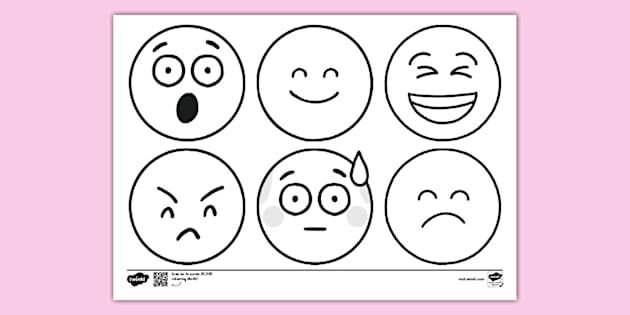
Feelings Coloring Pages and Printables: A Creative Gateway to Emotional Expression
Feelings coloring pages and printables offer a fun and accessible way for children to explore their emotions. These resources provide a visual and creative outlet, allowing kids to express feelings they may struggle to verbalize.

Benefits of Feelings Coloring Pages
* Emotional Identification: Coloring pages often depict various emotions, helping children identify and name their feelings.

Integrating Feelings Coloring Pages into Your Routine
1. Download and Print: Search online for “feelings coloring pages” to find a variety of free and paid options. Look for pages that depict a range of emotions and scenarios.
Actionable Tip: Start a weekly “Feelings Coloring Time” where your child can explore their emotions through art. This creates a safe and consistent space for emotional expression.

Homeschool SEL Curriculum: Building Emotional Intelligence Through Structured Learning
A homeschool Social-Emotional Learning (SEL) curriculum provides a structured approach to teaching emotional intelligence. SEL focuses on five core competencies: self-awareness, self-management, social awareness, relationship skills, and responsible decision-making.
Core Competencies of SEL
* Self-Awareness: Recognizing one’s own emotions, strengths, and weaknesses.
Choosing the Right Homeschool SEL Curriculum
1. Research Available Programs: Look for reputable SEL programs designed for homeschooling. Consider programs that align with your values and teaching style.
Integrating SEL into Daily Learning
* Start with a Daily Check-In: Begin each day with a brief check-in to discuss how everyone is feeling. This promotes self-awareness and creates a supportive environment.
Internal Link Suggestion: For more tips on structuring your homeschool day, read our article on “Effective Homeschooling Schedules: Balancing Learning and Fun“
Mindfulness for Kids: Cultivating Calm and Focus
Mindfulness is the practice of paying attention to the present moment without judgment. It can help children develop self-awareness, manage stress, and improve focus.
Benefits of Mindfulness for Kids
* Stress Reduction: Mindfulness techniques can help children calm down and manage stress.
Mindfulness Activities for Kids
1. Breathing Exercises: Teach your child simple breathing exercises, such as belly breathing or square breathing.
External Link Suggestion: Explore guided meditations for kids on the UCLA Mindful Awareness Research Center website: https://www.uclahealth.org/marc/mindfulness-resources
Calm Learning Activities: Creating a Peaceful Environment for Learning
A calm learning environment is essential for promoting emotional well-being and academic success. By incorporating calm learning activities into your homeschool routine, you can create a peaceful and supportive atmosphere.
Strategies for Creating a Calm Learning Environment
* Designate a Quiet Space: Create a designated quiet space for learning, free from distractions.
Calm Learning Activities
1. Nature Journaling: Encourage your child to spend time in nature and record their observations in a nature journal.
Actionable Tip: Create a “Calm Corner” in your home with sensory items like stress balls, soft blankets, and calming visuals. This provides a safe space for your child to retreat to when feeling overwhelmed.
Integrating All Elements for a Holistic Approach
To create a truly holistic approach to emotional wellness, it’s essential to integrate feelings coloring pages, a homeschool SEL curriculum, mindfulness practices, and calm learning activities into your daily routine.
Sample Daily Schedule
* Morning Check-In (15 minutes): Start the day with a brief check-in to discuss emotions and set intentions for the day.
Long-Term Benefits
By consistently integrating these elements into your child’s life, you can cultivate emotional resilience, improve mental health, and foster a lifelong love of learning.
Key Takeaway: A holistic approach to emotional wellness equips children with the skills they need to thrive in all areas of their lives.
Conclusion: Empowering Children Through Emotional Wellness
Investing in your child’s emotional well-being is one of the most valuable things you can do as a parent or educator. By incorporating feelings coloring pages, a homeschool SEL curriculum, mindfulness practices, and calm learning activities, you can create a supportive and nurturing environment that fosters emotional awareness, resilience, and overall well-being. Start today and empower your child to navigate their emotions with confidence and grace.
Call to Action: Download our free “Feelings Coloring Pages” starter pack and begin your journey toward emotional wellness today! [Link to Download]
FAQ Section
Q: At what age should I start teaching my child about emotions?
A: It’s never too early to start teaching your child about emotions. Even toddlers can begin to identify basic feelings like happy, sad, and angry.
Q: How do I know if my child is struggling with their emotions?
A: Signs that your child may be struggling with their emotions include frequent meltdowns, difficulty managing anger, anxiety, withdrawal from social activities, and changes in sleep or eating habits. If you’re concerned, consider seeking professional support.
Q: Can mindfulness really help my child focus better?
A: Yes, studies have shown that mindfulness practice can improve attention span and concentration in children. Regular mindfulness can help children develop the ability to focus on the present moment and reduce distractions.
Q: What if my child resists participating in these activities?
A: If your child resists participating, try making the activities more fun and engaging. Offer choices, be patient, and model the behavior yourself. Start with short, simple activities and gradually increase the duration as your child becomes more comfortable.
Q: Where can I find more resources on SEL and mindfulness for kids?
A: There are many excellent resources available online, including websites like the Collaborative for Academic, Social, and Emotional Learning (CASEL) and the Mindful Awareness Research Center (MARC) at UCLA.
Social Sharing Optimization:


0 Comments