
Math. For some, the word conjures up images of complex equations and daunting textbooks. But for early learners, math is a world of discovery, patterns, and problem-solving that can be incredibly engaging and fun. As parents, you have the unique opportunity to foster a love of math in your children, setting them up for success not only in academics but also in life. This comprehensive guide will equip you with the tools, strategies, and activities to transform your home into a stimulating math learning environment. Get ready to embark on a journey that will empower your child to confidently explore the fascinating world of numbers, shapes, and logical thinking.
Laying the Foundation: Understanding Early Math Concepts
Before diving into activities, it’s essential to understand the core math concepts that early learners typically encounter. These concepts form the building blocks for more advanced mathematical thinking. By focusing on these areas, you can ensure your child develops a strong foundation.
Number Sense: The Heart of Mathematical Understanding
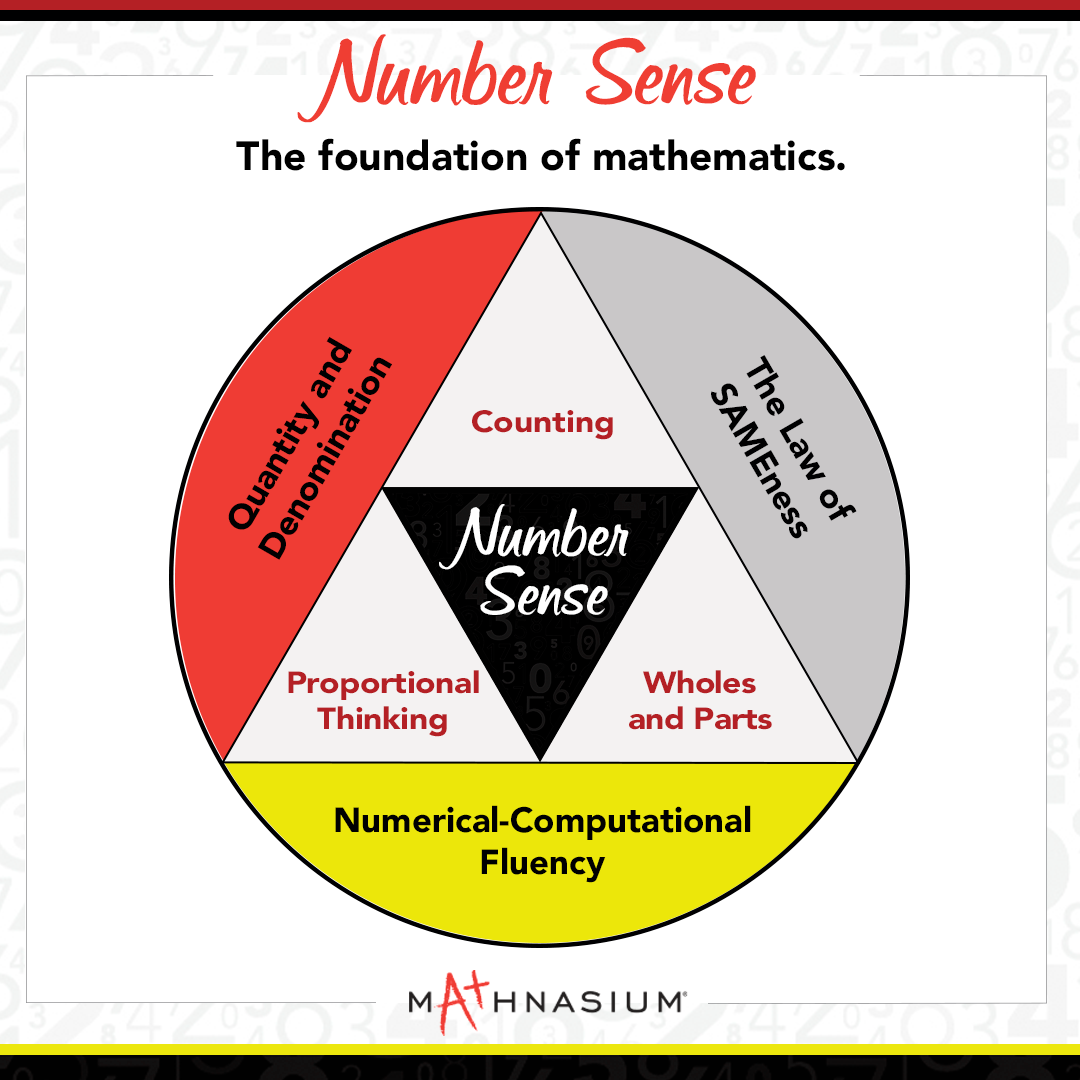
Number sense is more than just counting; it’s an intuitive understanding of numbers and their relationships. It encompasses:
- Counting: Accurately reciting numbers in sequence and understanding the one-to-one correspondence between numbers and objects.
- Cardinality: Knowing that the last number counted represents the total number of objects in a set.
- Subitizing: Instantly recognizing the number of objects in a small set (e.g., recognizing a group of three dots without counting).
- Number Comparison: Determining which of two numbers is greater or lesser.
- Number Patterns: Recognizing and extending patterns involving numbers.
- Addition: Combining two or more groups of objects to find the total.
- Subtraction: Taking away objects from a group to find the remaining amount.
- Shape Recognition: Identifying and naming common shapes like circles, squares, triangles, and rectangles.
- Spatial Awareness: Understanding the position of objects in relation to each other (e.g., above, below, beside).
- Symmetry: Recognizing and creating symmetrical shapes.
- Length: Comparing the length of different objects using terms like “longer” and “shorter.”
- Weight: Comparing the weight of different objects using terms like “heavier” and “lighter.”
- Time: Understanding basic time concepts like “before,” “after,” “morning,” and “night.”
- Board Games: Games like “Chutes and Ladders” and “Candy Land” reinforce counting and number recognition. More advanced games can introduce basic addition and subtraction.
- Card Games: “Go Fish” can be adapted to practice number matching. “War” can be used to compare numbers.
- Dice Games: Roll dice and have your child add the numbers together.
- Online Math Games: Many websites and apps offer interactive math games that are both educational and entertaining. (Ensure content is age-appropriate and aligns with learning objectives.)
- Cooking: Measure ingredients together and discuss fractions (e.g., “We need 1/2 cup of flour”).
- Grocery Shopping: Count items in your cart and compare prices.
- Setting the Table: Count the number of plates, forks, and spoons needed.
- Getting Dressed: Count the number of buttons on a shirt or the number of socks in a pair.
- Traveling: Count the number of cars on the road or the number of trees in a park.
- Building Blocks: Use blocks to build structures and explore shapes and spatial reasoning.
- Counters: Use counters (e.g., beads, buttons, beans) to practice counting, addition, and subtraction.
- Pattern Blocks: Use pattern blocks to explore shapes, patterns, and symmetry.
- Tangrams: Use tangrams to create different shapes and develop spatial reasoning skills.
- Play Dough: Use play dough to create shapes and explore measurement concepts.
- Counting Books: Books that count objects or tell stories involving numbers.
- Shape Books: Books that introduce different shapes and their properties.
- Measurement Books: Books that explore measurement concepts like length, weight, and time.
- Problem-Solving Books: Books that present math-related problems for children to solve.
- Nature Walks: Count leaves, rocks, or flowers. Collect different shapes and sizes of leaves.
- Gardening: Measure the height of plants and count the number of seeds planted.
- Sidewalk Chalk: Draw shapes, numbers, and patterns on the sidewalk.
- Scavenger Hunts: Create a math-themed scavenger hunt with clues that involve counting, measuring, or shape recognition.
- Identify Areas of Interest: What math-related activities does your child enjoy? Focus on these areas to keep them engaged and motivated.
- Recognize Learning Styles: Does your child learn best through visual, auditory, or kinesthetic methods? Adapt your teaching style accordingly.
- Provide Targeted Support: Offer extra help and practice in areas where your child is struggling.
- Start Simple: Begin with basic concepts and gradually introduce more complex ideas.
- Increase the Challenge: Once your child has mastered a concept, increase the difficulty by introducing more challenging problems or activities.
- Provide Scaffolding: Offer support and guidance as needed, but gradually reduce your assistance as your child becomes more confident.
- Focus on Effort, Not Just Results: Praise your child’s effort and persistence, rather than just focusing on whether they get the right answer.
- Celebrate Successes: Acknowledge and celebrate your child’s achievements, no matter how small.
- Encourage Questions: Encourage your child to ask questions and explore their curiosity.
- Make it Fun: Keep math learning fun and engaging by incorporating games, activities, and real-world examples.
- Identify the Source of Anxiety: What is causing your child’s math anxiety? Is it fear of failure, pressure to perform, or negative experiences in the past?
- Create a Relaxed Learning Environment: Make math learning fun and stress-free. Avoid putting pressure on your child to get the right answer.
- Focus on Understanding, Not Memorization: Help your child understand the underlying concepts, rather than just memorizing formulas or procedures.
- Break Down Problems into Smaller Steps: Break down complex problems into smaller, more manageable steps.
- Celebrate Small Successes: Acknowledge and celebrate your child’s progress, no matter how small.
- Consult with Professionals: If you suspect your child has a learning difference, consult with a pediatrician, teacher, or educational psychologist.
- Seek Accommodations: Work with your child’s school to obtain appropriate accommodations, such as extra time on tests or the use of assistive technology.
- Use Multi-Sensory Approaches: Incorporate visual, auditory, and kinesthetic activities to engage different learning styles.
- Provide Individualized Instruction: Tailor your teaching to meet your child’s specific needs and learning style.
- Make it Relevant: Connect math to your child’s interests and experiences.
- Use Games and Activities: Incorporate games and activities to make learning fun and engaging.
- Provide Choices: Give your child choices about what they want to learn and how they want to learn it.
- Set Realistic Goals: Set achievable goals and celebrate successes along the way.
- Offer Rewards: Offer small rewards for completing tasks or achieving goals.
- PBS Kids: Offers a range of educational games and videos featuring popular children’s characters.
- Math Playground: Provides a collection of interactive math games and activities.
- SplashLearn: A subscription-based platform with personalized math practice for kids.
- Shape Books: Books that introduce different shapes and their properties.
- Workbooks: Workbooks that provide practice exercises for different math concepts.
- Counters: Use counters (e.g., beads, buttons, beans) to practice counting, addition, and subtraction.
- Pattern Blocks: Use pattern blocks to explore shapes, patterns, and symmetry.
- Tangrams: Use tangrams to create different shapes and develop spatial reasoning skills.
- Local Parent Groups: Join a local parent group to meet other parents in your community.
- School Events: Attend school events to learn more about the math curriculum and meet your child’s teacher.
Example: When playing with blocks, encourage your child to count them. Ask questions like, “How many blocks do you have?” or “Can you give me three blocks?” Use everyday objects like toys, snacks, or even stairs to practice counting and cardinality.

Operations: Introducing Addition and Subtraction
Once your child has a solid grasp of number sense, you can introduce basic operations like addition and subtraction. Keep it concrete and relatable using real-world scenarios.
Example: Use small toys to demonstrate addition and subtraction. “If you have two cars and I give you one more, how many cars do you have in total?” or “If you have five candies and you eat two, how many candies are left?”
Geometry: Exploring Shapes and Spatial Reasoning
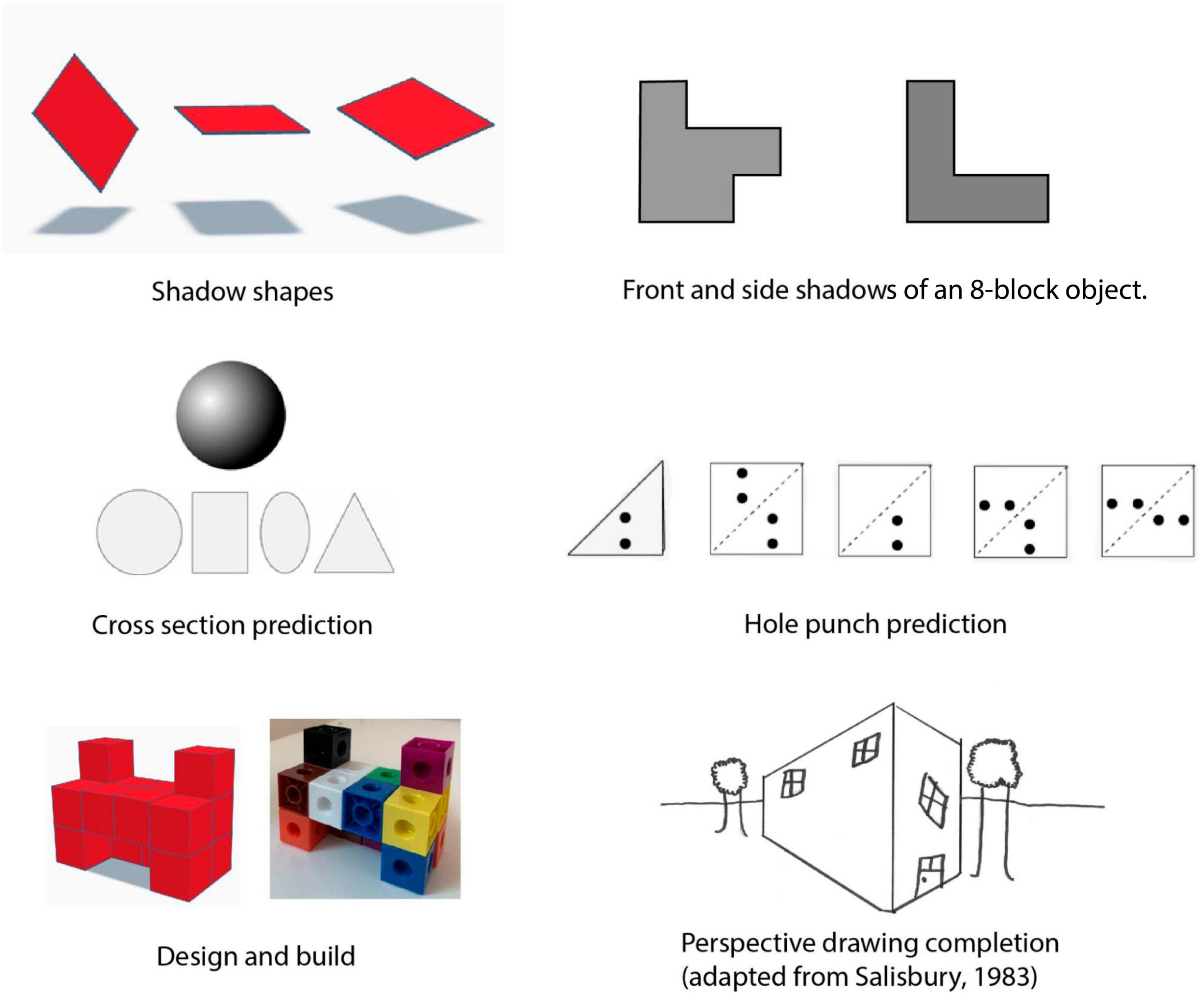
Geometry isn’t just about memorizing shapes; it’s about developing spatial reasoning skills, which are crucial for problem-solving and critical thinking.
Example: Go on a shape hunt around your house. Ask your child to identify different shapes in their environment, such as a circular plate or a rectangular window. Use building blocks to create different shapes and structures.

Measurement: Understanding Size, Weight, and Time
Introducing measurement concepts helps children understand the world around them in a more quantitative way.
Example: Compare the lengths of different toys or books. Use a simple balance scale to compare the weights of different objects. Talk about daily routines and use time-related vocabulary.
Making Math Fun: Engaging Activities for Early Learners
The key to fostering a love of math is to make it fun and engaging. Here are some activities you can incorporate into your daily routine:
Math Games: Learning Through Play
Games provide a playful and interactive way to learn math concepts.
Internal Link Suggestion: Link to a related article on the best educational apps for early learners using the anchor text “educational apps.”
Everyday Math: Integrating Math into Daily Life
Turn everyday activities into math learning opportunities.
Example: While baking cookies, ask your child to help measure the ingredients. “We need two cups of flour. Can you help me pour them in?” This reinforces measurement skills and provides a practical application of math.
Hands-On Activities: Exploring Math with Manipulatives
Manipulatives are physical objects that children can use to explore math concepts in a concrete way.
Example: Provide your child with a set of pattern blocks and challenge them to create different shapes. “Can you make a square using triangles? Can you make a hexagon using trapezoids?” This encourages spatial reasoning and problem-solving skills.
Story Time Math: Combining Literacy and Math
Integrate math into story time by choosing books that feature math concepts.
Example: Read a counting book together and have your child point to and count the objects on each page. Ask questions like, “How many apples are there? How many birds are flying?” This reinforces counting skills and connects math to literacy.
Outdoor Math: Exploring Math in Nature
Take math learning outdoors and explore the natural world.
Example: Go on a nature walk and ask your child to collect different types of leaves. Compare their sizes and shapes. Count the number of leaves they collect. This combines math learning with outdoor exploration and appreciation for nature.
Tailoring Your Approach: Meeting Your Child’s Needs
Every child learns at their own pace and has their own unique learning style. It’s important to tailor your approach to meet your child’s individual needs and preferences.
Observe and Assess: Understanding Your Child’s Strengths and Weaknesses
Pay attention to your child’s strengths and weaknesses in math. What concepts do they grasp easily? What concepts do they struggle with? Use this information to guide your teaching.
Example: If your child struggles with subtraction, spend extra time practicing subtraction problems using manipulatives or real-world scenarios. If they enjoy building with blocks, use blocks to teach geometry concepts.
Adapt and Modify: Adjusting Activities to Suit Different Skill Levels
As your child progresses, adjust the difficulty of the activities to keep them challenged and engaged.
Example: If your child is just learning to count, start with small numbers and gradually increase the range. If they are already comfortable with counting, introduce addition and subtraction problems.
Create a Positive Learning Environment: Fostering Confidence and Enthusiasm
Create a supportive and encouraging learning environment where your child feels comfortable taking risks and making mistakes.
Example: Instead of saying “That’s wrong,” try saying “That’s a good try! Let’s try it together and see if we can figure it out.” This encourages a growth mindset and reduces anxiety around making mistakes.
Addressing Challenges: Overcoming Common Obstacles
Learning math can be challenging for some children. It’s important to be patient and supportive and to address any obstacles that may arise.
Math Anxiety: Helping Children Overcome Fear and Frustration
Math anxiety is a common problem that can hinder a child’s ability to learn and perform in math.
Example: If your child is anxious about taking math tests, practice test-taking strategies together. Review the material thoroughly and break down the test into smaller sections. Remind your child that it’s okay to make mistakes and that the most important thing is to try their best.
Learning Differences: Adapting to Specific Needs
Some children may have learning differences that make learning math more challenging.
Example: If your child has dyslexia, they may struggle with reading and writing numbers. Use visual aids, such as number lines or manipulatives, to help them understand number concepts. Break down problems into smaller steps and provide extra time for them to complete tasks.
Lack of Motivation: Keeping Children Engaged and Interested
It can be challenging to keep children motivated to learn math, especially if they find it difficult or boring.
Example: If your child loves sports, use sports-related examples to teach math concepts. “If a basketball team scores 10 points in the first quarter and 15 points in the second quarter, how many points have they scored in total?”
Resources for Parents: Expanding Your Math Toolkit
There are many resources available to help you support your child’s math learning.
Online Resources: Websites and Apps
* Khan Academy Kids: A free app with a variety of math activities for early learners.
External Link Suggestion: Link to Khan Academy Kids using the anchor text “Khan Academy Kids” (set link to open in a new tab).
Books and Workbooks: Reinforcing Learning
* Counting Books: Books that count objects or tell stories involving numbers.
Math Manipulatives: Hands-On Learning Tools
* Building Blocks: Use blocks to build structures and explore shapes and spatial reasoning.
Parent Communities: Sharing Ideas and Support
* Online Forums: Connect with other parents online to share ideas and ask for advice.
Conclusion: Nurturing a Lifelong Love of Math
By incorporating these strategies and activities into your daily routine, you can empower your child to develop a strong foundation in math and cultivate a lifelong love of learning. Remember to be patient, supportive, and enthusiastic, and to tailor your approach to meet your child’s individual needs. With your guidance and encouragement, your child can confidently explore the fascinating world of math and unlock their full potential. Embrace the journey, celebrate the small victories, and watch as your child’s mathematical abilities blossom. Take the first step today and transform your home into a stimulating math learning environment!
Call to Action: Sign up for our newsletter to receive monthly tips and activities for supporting your child’s math learning journey!


0 Comments