
STEM Learning at Home for Early Learners: Fun, Practical Ways to Build Curiosity and Critical Thinking
STEM learning at home gives young children a powerful head start—not just in science, technology, engineering, and math, but in problem-solving, creativity, and lifelong curiosity. This friendly guide shows parents, caregivers, and early childhood educators how to create high-impact, low-stress STEM experiences for kids ages 3–7. You’ll find easy activities, setup tips, learning objectives, assessment ideas, and resource recommendations that fit busy family life. By the end, you’ll have a practical playbook to turn everyday moments into meaningful STEM learning that’s engaging, safe, and aligned with how young children learn best.

Why STEM Learning Matters for Early Learners
Early childhood is a critical window for developing cognitive and social-emotional skills. STEM activities build foundational abilities such as observation, pattern recognition, spatial reasoning, and persistence. Research shows that early exposure to hands-on, inquiry-driven STEM experiences increases interest and confidence later in school.
- Develops problem-solving: Children learn to form questions, test ideas, and revise approaches.
- Boosts language and communication: Explaining discoveries and describing processes enrich vocabulary.
- Builds fine and gross motor skills: Manipulating objects, building, and exploring support coordination.
- Fosters growth mindset: STEM encourages experimentation and learning from mistakes.
- Play-first, curriculum-second: Young children learn best through play and exploration.
- Open-ended activities: Offer materials that support multiple outcomes and solutions.
- Short cycles of engagement: Keep sessions 15–30 minutes for toddlers, up to 45 for older preschoolers.
- Ask more questions than giving answers: Prompt thinking with “What do you notice?” “What if…?”
- Integrate across domains: Blend STEM with literacy, art, and movement for richer learning.
- Make it routine: Regular, small STEM experiences beat occasional big projects.
- Basic craft supplies: paper, tape, glue, scissors (safety scissors), markers
- Building blocks: wooden blocks, LEGO Duplo, magnetic tiles
- Loose parts: bottle caps, cardboard tubes, clothespins, string
- Measurement tools: child-safe measuring cups, a simple scale, ruler
- Containers for water and sand play: bowls, funnels, measuring spoons
- Magnifying glass, simple binoculars, kid-safe microscope (optional)
- Everyday recyclables: boxes, yogurt cups, egg cartons
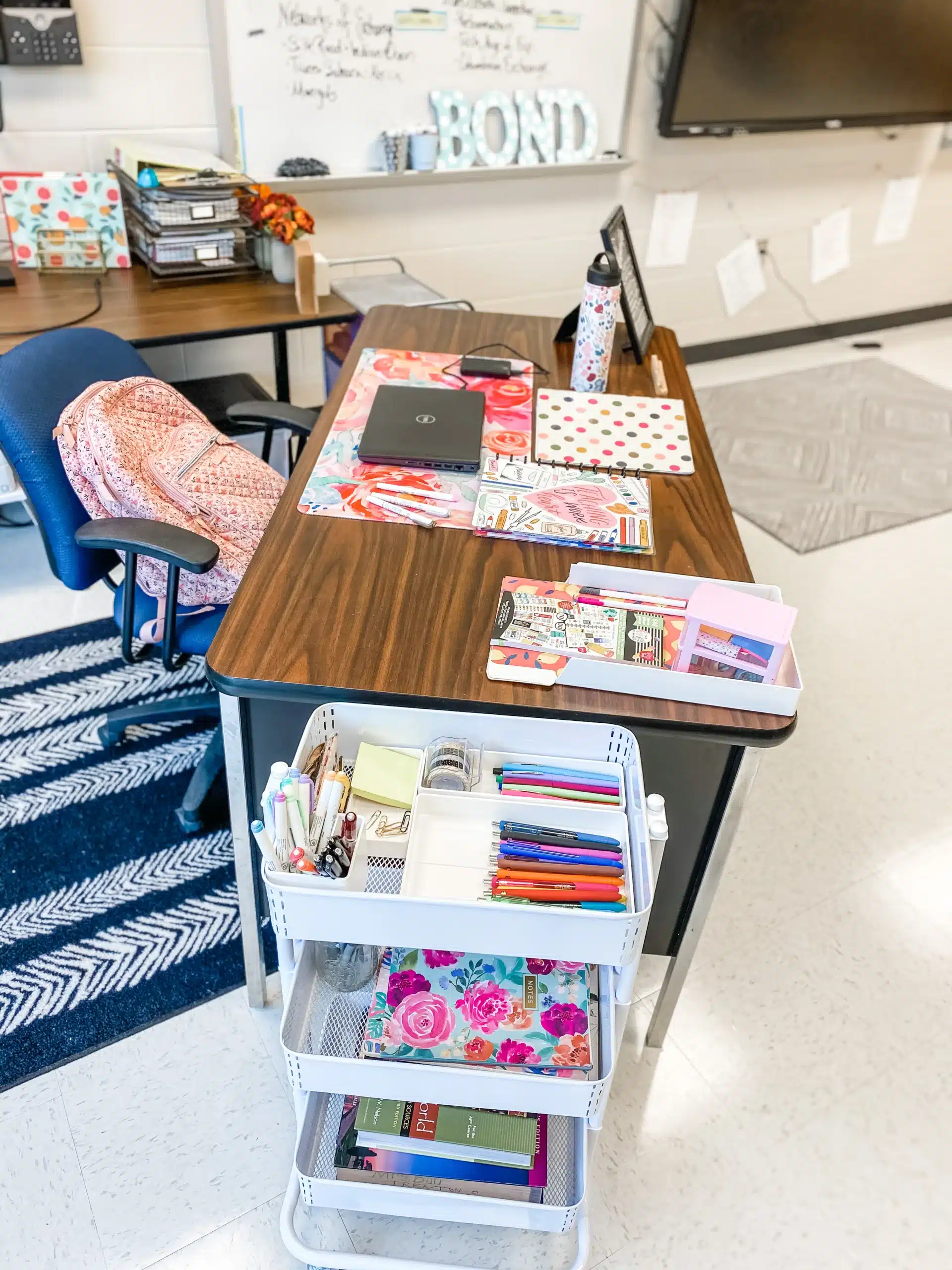
- Use clear bins with picture labels so children can self-select materials.
- Rotate materials monthly to keep novelty high.
- Designate a work surface that’s easy to clean—plastic tablecloths or trays.
- Keep safety in mind: small parts away from children under 3, supervise water play.
- Materials: Large tub of water, household objects (spoons, cork, plastic toy, coin), towel
- Steps: Let child choose items, predict whether each will sink or float, test and talk about results.
- Extensions: Sort items into groups, draw a picture of floating vs. sinking objects.
- Materials: Clear cups, water, food coloring, spoons
- Steps: Fill cups with water, add primary color drops, mix colors in empty cups to discover secondary colors.
- Extensions: Label colors and create a “color wheel” poster with child’s drawings.
- Materials: Cardboard, tape, toy cars or marbles, books to change ramp height
- Steps: Build ramps of different heights and angles, predict which car will go fastest, test and discuss why.
- Extensions: Time runs, graph results, modify ramp surface (cloth vs. cardboard) to compare friction.
- Materials: Large beads or cereal loops, string
- Steps: Create AB, AAB, or ABC patterns and ask child to continue or copy them.
- Extensions: Ask child to design their own pattern and explain it.
- Materials: Printable checklist or notebook, pencil, camera (optional)
- Steps: Walk around home or neighborhood identifying simple machines—see drawings and label them.
- Extensions: Build a lever using a ruler and a block, experiment with load positioning.
- Materials: Grid on paper or masking tape on the floor, toy figure
- Steps: Create a start and finish; have child plan steps (forward, left, right) to move figure. Use “loops” (repeat a sequence) for efficiency.
- Extensions: Introduce simple conditional ideas (“If there is a block, turn right”).
- Read STEM-themed picture books (see recommended list below) and do a related experiment afterward.
- Use drawing to record observations—this strengthens both scientific thinking and fine motor skills.
- Create story-based engineering challenges: “Build a bridge for the toy fox to get across the river.”
- Keep a simple STEM journal with photos, drawings, and short notes about what the child did and said.
- Collect “work samples” like structures, charts, or recordings to show progress over time.
- Note increasing complexity: Are tasks completed with less help? Are explanations becoming more accurate?
- Use anecdotal checklists focused on skills: predicting, observing, testing, communicating results.
- Cooking as chemistry: Let children measure and mix ingredients, watch changes when heated or cooled.
- Grocery math: Compare prices, weigh fruits, count items into groups.
- Nature walks: Count birds, identify leaves, create simple tally charts.
- “Question of the Week”: Post a question on the fridge (“Which ball bounces higher?”) and test it together.
- Supervise any activity with small parts, water, or heat.
- Adapt materials—use larger beads, textured items, or one-handed tools if needed.
- Offer verbal, visual, and tactile instructions to support diverse learners.
- Allow extra time and reduce steps for children who need it; celebrate small wins.
- Books: “Rosie Revere, Engineer” by Andrea Beaty; “The Most Magnificent Thing” by Ashley Spires; “Ada Twist, Scientist” by Andrea Beaty
- Apps (screen time mindful): Bee-Bot or Kodable for unplugged-to-digital transition; PBS Kids STEM games
- Kits and Toys: Magnetic tiles (e.g., Magna-Tiles), LEGO Duplo, balance scales for kids, simple circuit kits (age-appropriate)
- Primary keyword: “STEM learning at home” — aim for ~1–2% density within the article (naturally placed in title, intro, H2s, and conclusion).
- Secondary keywords/LSI terms to include: early STEM activities, STEM for preschoolers, hands-on STEM, STEM at home for kids, STEM activities ages 3–7.
- Meta description suggestion: “Discover playful, easy STEM learning at home for early learners. Activities, setup tips, book recommendations, and a weekly plan to build curiosity and skills.”
- Title tag example: “STEM Learning at Home for Early Learners: Activities, Tips, and Resources”
- URL slug recommendation: /stem-learning-at-home-early-learners
- Internal links (anchor text suggestions): “early childhood activities” (link to site’s early learning page), “play-based learning resources” (link to relevant blog or resource page), “STEM kits” (link to product/category page).
- External links (open in new window): National Association for the Education of Young Children (https://www.naeyc.org) for play-based learning research; Smithsonian Science Education Center (https://ssec.si.edu) for STEM curriculum ideas; PBS Kids (https://pbskids.org) for child-friendly STEM content.
- Image alt-text examples: “Child conducting sink or float experiment with household objects” and “Cardboard ramp with toy cars for STEM activity.”
- Suggested social share copy: “Turn playtime into learning time: 50+ easy STEM activities to try at home with early learners!”
- Open Graph (OG) title: “STEM Learning at Home for Early Learners” with OG description: “Practical activities, setup tips, and resources to spark curiosity in preschoolers and early elementary kids.”
- Keep a “STEM bin” ready for five-minute explorations.
- Use routine tasks (cooking, grocery shopping, cleaning) as STEM opportunities.
- Involve siblings to model collaboration and peer learning.
- Celebrate attempts, not just successes—praise curiosity and effort.
- Rosie Revere, Engineer — Andrea Beaty (book)
- Ada Twist, Scientist — Andrea Beaty (book)
- PBS Kids: STEM games and activities — https://pbskids.org
- National Association for the Education of Young Children (NAEYC) — https://www.naeyc.org

Principles for Effective STEM Learning at Home

Setting Up a Home STEM Space
You don’t need a dedicated lab. A small, organized STEM corner works well.

Essential Supplies
Organization Tips
STEM Activities by Age and Skill
Below are concrete, tested activities sorted by age range. Each includes the learning focus, materials, steps, and extension ideas to deepen learning.
Ages 3–4: Exploratory Play and Early Concepts
1. Sink or Float
Learning focus: Scientific prediction, observation, and vocabulary
2. Color Mixing with Water
Learning focus: Cause-and-effect, basic chemistry concepts
Ages 4–5: Building and Patterns
1. Cardboard Ramp Races
Learning focus: Gravity, slope, speed, engineering design
2. Pattern Beads and Sequences
Learning focus: Patterns, sequencing, fine motor skills
Ages 5–7: Early STEM Projects and Programming Logic
1. Simple Machines Scavenger Hunt
Learning focus: Identifying levers, pulleys, inclined planes in everyday objects
2. Unplugged Coding Games
Learning focus: Sequencing, logical thinking, algorithms
Integrating Literacy and Art into STEM
STEM doesn’t live in a vacuum. Integrating reading and arts amplifies learning.
Assessment: Tracking Learning Without Tests
Assessment for early learners should be informal and observation-based. Use these strategies:
Family Routines That Support Daily STEM
Small routines yield big gains. Try these quick ideas that fit into family life:
Safety and Accessibility Considerations
Safety is paramount. Follow age-appropriate guidelines and be mindful of accessibility to include children with different needs.
Sample Weekly STEM Plan (Ages 4–6)
| Day | Activity | Learning Focus | Time |
|---|---|---|---|
| Monday | Sink or Float | Prediction and observation | 20 min |
| Tuesday | Pattern Beads | Sequencing and fine motor | 15–20 min |
| Wednesday | Nature Walk Tally | Counting and data collection | 30 min |
| Thursday | Cardboard Ramp Races | Forces and design | 30–40 min |
| Friday | Story + Build Challenge | Integration of literacy and engineering | 30–45 min |
Recommended Books, Apps, and Kits
Curated resources that are child-friendly and research-aligned.
Real-World Examples and Mini Case Studies
Case Study: Turning a Playroom into a Weather Lab
A parent transformed a corner of their playroom into a “Weather Station” with a handmade rain gauge, wind sock, and daily temperature chart. The 5-year-old took morning readings, drew daily weather pictures, and used monthly charts to notice trends. Over three months, vocabulary improved (cloud types, precipitation) and the child began asking deeper questions about why weather changes, leading to library visits and further experiments.
Example: Grocery Store Math
During weekly shopping, a caregiver challenged a 6-year-old to pick fruits under a budget. The child compared prices, added totals using a calculator, and grouped items by weight. This activity linked mathematics to a meaningful context and improved arithmetic confidence.
Common Questions Parents Ask (FAQ)
How much screen time is appropriate for STEM learning?
Limit screens for preschoolers and prioritize hands-on activities. When using apps, choose interactive, educational ones and participate alongside your child. Aim for high-quality content in short sessions, ideally under 20–30 minutes for kids under 6.
Can I teach STEM without being an expert?
Absolutely. You don’t need to be an expert—be curious together. Ask questions, model how to fail and try again, and use resources like books or short videos when you need background knowledge.
How do I keep activities fresh without buying expensive materials?
Rotate household materials and create themed bins (construction, water play, measurement). Recyclables and natural items are excellent for building and testing. The key is novelty in how materials are used, not cost.
SEO & Content Optimization Recommendations
To improve search visibility for this article on your website, use the following suggestions:
Internal and External Link Suggestions
Include these links to improve user experience and SEO authority:
Accessibility and Social Sharing Elements
Quick Tips for Busy Caregivers
Conclusion: Build Curiosity One Small Experiment at a Time
STEM learning at home for early learners is achievable, affordable, and deeply rewarding. By prioritizing play, asking open-ended questions, and creating small, consistent routines, caregivers can nurture curiosity, critical thinking, and resilience. Start small—rotate a few materials, try one hands-on activity a week, and watch your child’s confidence and wonder grow. The goal isn’t to create tiny scientists overnight but to raise kids who are comfortable asking questions, testing ideas, and learning from the world around them.
Ready to try one activity this week? Pick an easy experiment from this guide, set a 20–30 minute block, and let curiosity lead. Share your child’s discoveries and photos on social media with #STEMAtHome to inspire other families.
Additional Resources & Further Reading
Author Note
This guide was written by an early childhood education specialist with practical experience designing play-based STEM activities for families. The strategies and activities are grounded in child development research and intended for safe, joyful learning at home.


0 Comments