
Nurturing Emotional Intelligence: Teaching Kids to Recognize and Express Feelings Through Coloring
In a world that often prioritizes academic achievement, the development of emotional intelligence (EI) in children is more crucial than ever. Emotional intelligence is the ability to understand, use, and manage one’s own emotions in positive ways to relieve stress, communicate effectively, empathize with others, overcome challenges, and defuse conflict. For young children, building this foundational skill is essential for their overall well-being, fostering resilience, and preparing them for successful relationships and life experiences. But how can parents and educators effectively introduce these complex concepts to little ones? The answer might be simpler and more colorful than you think: through the engaging and therapeutic power of coloring, especially with feelings coloring page and printables.
This article will explore how these creative resources serve as an invaluable tool for cultivating emotional awareness, helping children to recognize emotions in themselves and others, and providing a safe, non-verbal outlet to express feelings. We’ll delve into practical strategies for integrating these calm learning activities into daily routines, whether you’re building a homeschool SEL curriculum or seeking enriching classroom tools. Join us as we uncover how a simple box of crayons can become a powerful pathway to profound emotional growth and mindfulness for kids, laying a vibrant foundation for a lifetime of emotional intelligence.

Why Emotional Intelligence Matters for Young Minds
Emotional intelligence isn’t just a buzzword; it’s a critical life skill. Children with high emotional intelligence are better equipped to navigate social situations, manage stress, and build strong, healthy relationships. They tend to be more empathetic, resilient, and perform better academically because they can focus and self-regulate. Developing emotional awareness early on empowers children to understand what they are feeling, why they are feeling it, and how to respond constructively. This foundational understanding is the cornerstone of mental health and social competence, setting them up for success both inside and outside the classroom.

The Power of Coloring for Emotional Development
Coloring, often seen as a simple pastime, is a remarkably effective tool for emotional development. It’s a low-pressure, engaging activity that naturally promotes focus and calm, making it one of the most effective calm learning activities available. As children concentrate on colors and shapes, their minds quiet, creating a fertile ground for mindfulness for kids. This mindful state allows them to connect with their inner world without the pressure of verbal expression. When coloring is specifically designed around emotions, such as with feelings coloring page and printables, it transforms into a powerful educational experience, bridging the gap between abstract emotional concepts and concrete visual representation.
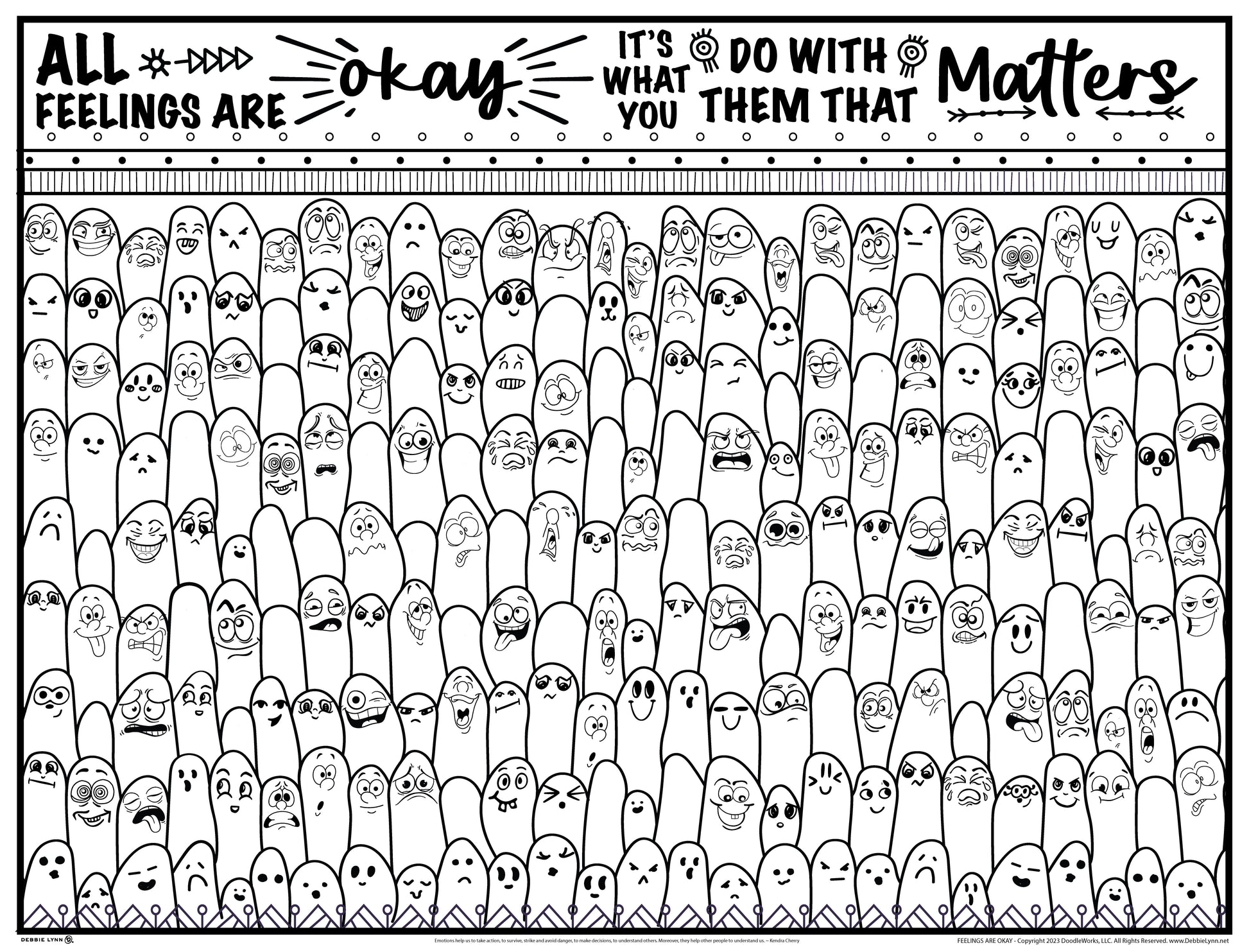
Using Feelings Coloring Pages to Recognize Emotions
One of the first steps in emotional intelligence is learning to recognize emotions. Children often experience a wide range of feelings but lack the vocabulary or understanding to identify them. Feelings coloring page and printables often feature illustrations of different facial expressions—happy, sad, angry, surprised, scared—or scenarios depicting various emotional states.
Here’s how to use them effectively:
- Visual Identification: Encourage children to color faces or characters showing specific emotions. Ask them, “What color does ‘happy’ feel like to you?” or “Which color matches how this character looks?”
- Scenario Exploration: Many printables show children in different situations. Discuss what might be happening and how the child in the picture might feel. This helps them connect emotions to real-life contexts.
- Matching Game: You can even create a game where children match a colored emotion face to a verbal description or a feeling word.
- Coloring as Release: Suggest coloring when a child is visibly upset. They can choose colors that reflect their inner turmoil, or simply focus on the activity to calm down. The act of choosing colors and staying within lines (or not!) can be incredibly cathartic.
- Symbolic Expression: A child might choose dark, bold colors for anger or light, airy colors for joy, even if the page itself doesn’t explicitly depict those emotions. Discuss their color choices gently, asking, “Why did you choose red for this part?”
- Storytelling Through Art: After coloring a feelings page, ask the child to tell a story about the character’s emotions or about a time they felt that way. This transition from visual to verbal expression is a powerful step in processing emotions.
- For Parents:
- Quiet Time Activity: Designate a daily “feelings coloring” time as a peaceful transition after school or before bed.
- Emotional Check-in: Use a page as a prompt to discuss how everyone is feeling at the dinner table.
- Calm-Down Corner: Create a special space with coloring supplies and emotional printables for when children need to regulate their emotions.
- For Educators (Classroom & Homeschool SEL Curriculum):
- Morning Meeting Starter: Begin the day with a feelings page to gauge the emotional temperature of the class.
- Cool-Down Station: Provide these resources in a quiet corner for children who need a break or a way to process strong emotions.
- Thematic Units: Integrate feelings coloring pages into social-emotional learning (SEL) lessons, literacy activities, or even character education units within your homeschool SEL curriculum.
- Create a Calm Environment: Ensure the space for coloring is free from distractions, promoting the quiet focus essential for mindfulness for kids and making it a truly calm learning activity. Soft music or natural light can enhance the experience.
- Engage in Conversation: Don’t just hand over the pages. Ask open-ended questions like, “What do you think this character is feeling?” or “When have you felt like this?” Listen attentively to their responses.
- Validate Emotions: Regardless of what feelings your child expresses, acknowledge and validate them. Phrases like, “It’s okay to feel angry sometimes,” or “I understand why you might feel sad,” teach them that all emotions are acceptable.
- Lead by Example: Share your own feelings appropriately. “I’m feeling a little frustrated because my computer isn’t working today,” shows children that adults also experience and manage emotions.
- Consistency is Key: Regular engagement with these activities builds stronger emotional awareness over time. Make it a consistent part of your routine.
- Focus on Process, Not Perfection: The goal isn’t a perfectly colored page, but the emotional engagement and expression. Praise effort and discussion rather than artistic skill.
- Storytelling: Encourage children to create their own stories about characters experiencing and resolving different emotions.
- Role-Playing: Act out various emotional scenarios to practice healthy responses.
- Emotion Charades: Play a game where family members or classmates act out emotions for others to guess, reinforcing recognize emotions skills.
- Mindful Moments: Incorporate simple breathing exercises or sensory activities to further cultivate mindfulness for kids, connecting the calm of coloring to broader self-regulation techniques.
This visual approach makes abstract feelings tangible and helps children build a vocabulary for their inner experiences. For more ideas on engaging learning, explore various play-based learning benefits that complement these activities.

Coloring as a Safe Space to Express Feelings
Beyond recognition, coloring offers a vital outlet for children to express feelings, especially those that are difficult to articulate verbally. When a child is feeling overwhelmed, anxious, or angry, words might fail them. A coloring page, however, provides a non-threatening canvas.
Consider these approaches:
Art therapy principles often highlight the power of creative expression in managing emotions. For further reading on child emotional development, consult resources like the American Academy of Pediatrics on healthy children’s emotional growth.

Integrating Feelings Coloring Pages into Your Routine
The beauty of feelings coloring page and printables is their versatility. They can be seamlessly integrated into various settings and routines.
Tips for Parents and Educators: Maximizing the Emotional Benefits
To truly leverage the power of feelings coloring page and printables, a supportive and thoughtful approach is key.
These practices not only enhance the coloring experience but also contribute significantly to developing empathy in children and fostering a sense of emotional security.
Beyond the Page: Extending Emotional Learning
While feelings coloring page and printables are a fantastic starting point, emotional learning can extend far beyond. Use the conversations sparked by coloring as a springboard for other activities:
By integrating diverse approaches, you can create a rich and dynamic environment for children to continuously express feelings and grow their emotional intelligence.
Unlock Emotional Growth Through Creativity
Nurturing emotional intelligence in children is one of the most valuable gifts we can give them. Feelings coloring page and printables offer a simple yet profound pathway to achieve this, transforming a beloved childhood activity into a powerful tool for emotional awareness. By providing a safe space to recognize emotions and express feelings, these calm learning activities are essential components of any comprehensive homeschool SEL curriculum or classroom strategy. They instill mindfulness for kids and build the resilience needed to thrive in an ever-changing world.
Ready to empower the young minds in your care with the gift of emotional intelligence?
Foster emotional growth with our free emotional intelligence resources!


0 Comments