
Nurturing Little Hearts: Essential Emotional Intelligence Lessons for Kids
Emotional intelligence (EQ) is the ability to understand, use, and manage your own emotions in positive ways, communicate effectively, empathize with others, overcome challenges, and defuse conflict. It’s a crucial skill set that contributes significantly to a child’s overall well-being, academic success, and future relationships. While IQ (Intelligence Quotient) measures cognitive abilities, EQ focuses on the emotional aspects of intelligence, which are equally, if not more, important for navigating life’s complexities.
Teaching emotional intelligence to kids isn’t about suppressing feelings; it’s about helping them understand and express their emotions in healthy and constructive ways. By equipping children with these skills early on, we empower them to become resilient, empathetic, and well-adjusted individuals. This article will explore key emotional intelligence lessons that parents, educators, and caregivers can impart to children, fostering a generation of emotionally intelligent individuals.

Understanding Emotions: The Foundation of EQ
The first step in developing emotional intelligence is recognizing and understanding emotions. Children need to learn that all emotions, even the uncomfortable ones like sadness, anger, and fear, are valid and serve a purpose.

Identifying and Naming Emotions
One of the initial challenges for young children is simply identifying what they’re feeling. They might say they feel “bad” without being able to pinpoint the specific emotion.
- Use Visual Aids: Employ emotion charts or flashcards with pictures representing different feelings. Ask questions like, “Does this picture look like how you feel right now?”
- Read Emotion-Rich Books: Choose books that depict characters experiencing a range of emotions. Discuss how the characters are feeling and why.
- Play Emotion Charades: Act out different emotions and have your child guess what you’re feeling. Then, let them take a turn.
- Label Your Own Emotions: Be open about your own feelings. For example, “I’m feeling a little frustrated right now because the traffic is heavy.” This helps children connect words with emotional experiences.
- Connect Feelings to Body Sensations: Ask questions like, “When you feel angry, what happens in your body? Do you feel your heart racing or your face getting hot?”
- Create a “Body Scan” Activity: Guide your child through a body scan, focusing on different areas and noticing any sensations associated with specific emotions.
- Use Metaphors: Explain that emotions can feel like different weather patterns. For example, “Sadness can feel like a cloudy day, while happiness can feel like sunshine.”
- Watch Movies Together: Pause the movie and discuss how the characters are feeling based on their expressions and actions.
- Play “Guess the Emotion” Games: Show pictures of people expressing different emotions and have your child guess what they’re feeling.
- Discuss Real-Life Scenarios: When observing people in public, ask your child what emotions they think those individuals might be experiencing.
- Deep Breathing Exercises: Teach children to take slow, deep breaths when they feel upset. A simple technique is “square breathing,” where they inhale for four counts, hold for four counts, exhale for four counts, and hold for four counts.
- Mindfulness Activities: Engage in mindfulness practices like focusing on their senses (what they see, hear, smell, taste, and touch) to ground them in the present moment.
- Progressive Muscle Relaxation: Guide children through tensing and releasing different muscle groups to release tension.
- Create a Calm-Down Corner: Designate a quiet space in your home where your child can go to relax and regroup when they feel overwhelmed. Include calming items like books, coloring pages, or stress balls.
- Identify the Problem: Help children clearly define the problem they’re facing.
- Brainstorm Solutions: Encourage them to come up with as many possible solutions as they can, without judging their ideas.
- Evaluate Solutions: Discuss the pros and cons of each solution and help them choose the best one.
- Implement the Solution: Support them as they put their chosen solution into action.
- Evaluate the Outcome: Discuss whether the solution worked and, if not, what they can try next.
- Encourage a Growth Mindset: Teach children that their abilities are not fixed and that they can improve through effort and practice.
- Help Them Learn from Mistakes: Frame mistakes as learning opportunities rather than failures.
- Celebrate Effort and Progress: Focus on the effort children put into tasks, rather than just the outcome.
- Promote Independence: Encourage children to solve problems on their own, offering support when needed but avoiding over-involvement.
- Ask “What If” Questions: Present scenarios and ask children how they think different people might feel in those situations. For example, “What if your friend forgot to invite you to their birthday party? How might they be feeling? How might you be feeling?”
- Read Stories from Different Perspectives: Choose books that tell the same story from multiple viewpoints.
- Encourage Role-Playing: Act out different scenarios and have children take on different roles, focusing on understanding the characters’ emotions and motivations.
- Teach Nonverbal Cues: Explain the importance of making eye contact, nodding, and using appropriate facial expressions when listening.
- Encourage Reflective Listening: Teach children to summarize what they’ve heard to ensure they understand. For example, “So, you’re saying that you’re feeling frustrated because you can’t finish your puzzle?”
- Practice Empathetic Responses: Help children develop phrases that show empathy, such as “That sounds really difficult” or “I can understand why you’re feeling that way.”
- Model Kind Behavior: Children learn by observing the adults in their lives. Show kindness and compassion to others, both in your words and actions.
- Encourage Acts of Kindness: Encourage children to perform acts of kindness, such as helping a classmate, volunteering in the community, or writing a thank-you note.
- Discuss the Impact of Actions: Talk about how their actions affect others. For example, “How do you think it made your friend feel when you shared your toys with them?”
- Use “I” Statements: Teach children to express their feelings using “I” statements, such as “I feel frustrated when you interrupt me” rather than “You always interrupt me.”
- Set Boundaries: Help children understand that it’s okay to say “no” to things they don’t want to do or that make them uncomfortable.
- Practice Role-Playing: Act out scenarios where children need to assert themselves, such as asking for help in class or standing up to a bully.
- Stay Calm: Encourage children to remain calm when discussing conflicts.
- Listen to Each Other: Emphasize the importance of listening to the other person’s point of view without interrupting.
- Find Common Ground: Help children identify areas where they agree.
- Compromise: Encourage them to find solutions that meet the needs of both parties.
- Seek Help When Needed: Teach children that it’s okay to ask for help from a trusted adult if they can’t resolve the conflict on their own.
- Consider the Other Person’s Feelings: Encourage children to think about how their words and actions might affect others.
- Use Empathetic Language: Teach them to use phrases that show empathy, such as “I understand why you’re upset” or “That must be difficult for you.”
- Validate Their Feelings: Let them know that their feelings are valid, even if you don’t agree with their perspective.
- Emotion Pictionary: Have children draw pictures representing different emotions and have others guess what they are.
- Emotion Memory Match: Create a memory game with pairs of cards showing different emotions.
- Art Therapy: Use art as a way for children to express their emotions.
- Music: Listen to music that evokes different emotions and discuss how it makes them feel.
- Empathy Exercises: Role-play situations where children need to show empathy, such as comforting a friend who is sad.
- Assertiveness Training: Practice scenarios where children need to assert themselves, such as asking for help or setting boundaries.
- Manage Your Emotions Effectively: Model healthy coping strategies for dealing with stress and frustration.
- Show Empathy: Demonstrate empathy towards others, both in your words and actions.
- Provide Opportunities for Emotional Expression: Create a safe space where children feel comfortable expressing their emotions.
- Encourage Open Communication: Foster open and honest communication about feelings.
- Integrate EQ into Curriculum: Incorporate emotional intelligence lessons into existing curriculum subjects.
- Create a Positive Classroom Climate: Foster a classroom environment that is supportive, inclusive, and respectful.
Key Takeaway: Helping children identify and name their emotions provides them with a vocabulary for understanding their internal world.

Understanding the Physical Sensations of Emotions
Emotions aren’t just mental states; they also manifest physically. Helping children recognize these physical sensations can deepen their understanding of emotions.
Example: When a child says they are anxious about a test, you can ask, “Where do you feel that anxiety in your body? Is it in your stomach, your chest, or somewhere else?”
Recognizing Emotions in Others
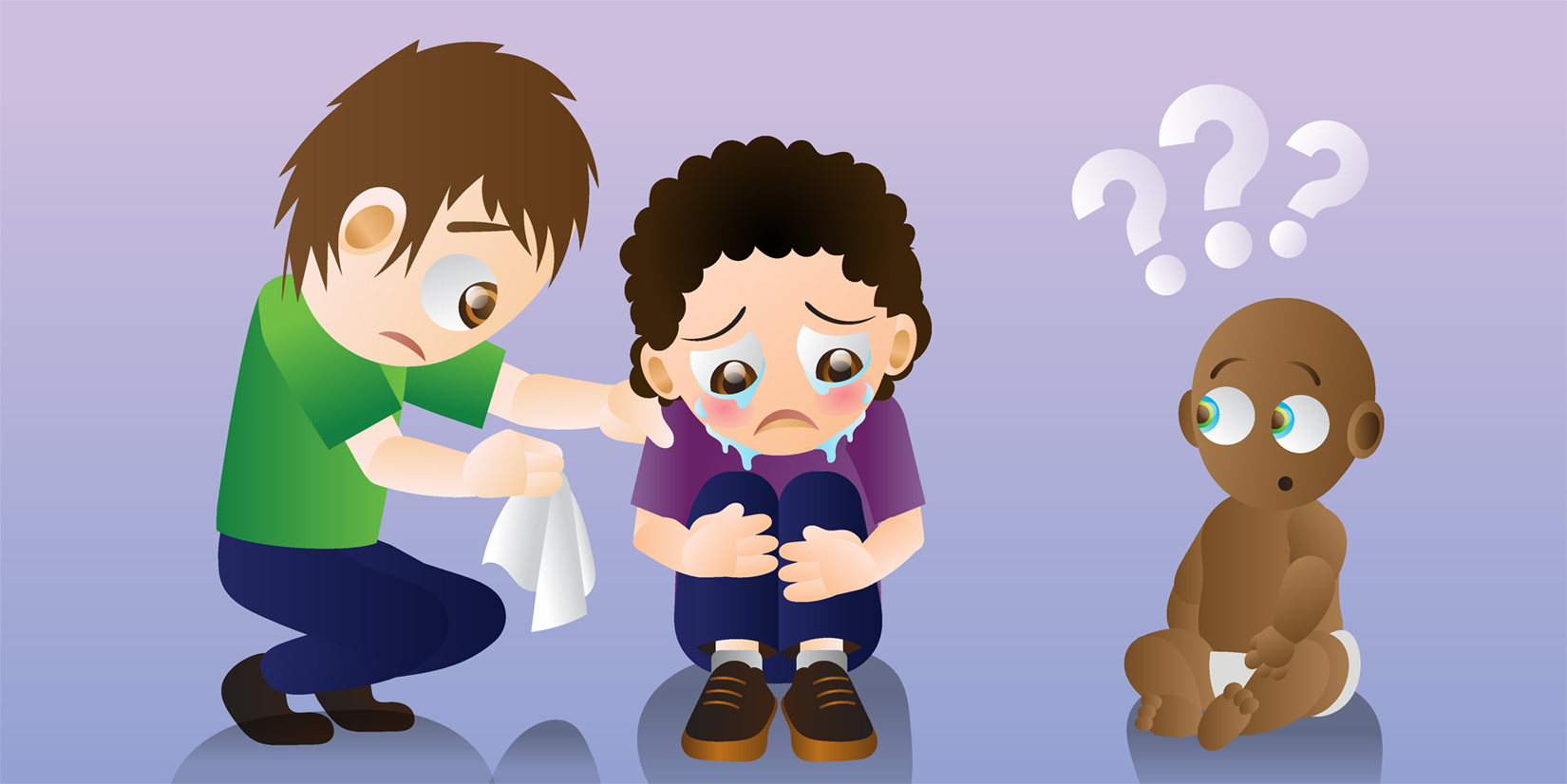
Emotional intelligence also involves recognizing emotions in others through facial expressions, body language, and tone of voice.
Internal Link Suggestion: Link to an article on “Effective Communication Strategies for Families” using the anchor text “communicate effectively.”

Managing Emotions: Developing Self-Regulation Skills
Once children can identify and understand emotions, the next step is learning how to manage them effectively. This involves developing self-regulation skills, which allow children to control their impulses, cope with stress, and bounce back from setbacks.
Teaching Calming Techniques
Calming techniques are essential tools for managing overwhelming emotions.
Quotable Statement: “Self-regulation is not about suppressing emotions; it’s about managing them in a healthy and constructive way.”
Developing Problem-Solving Skills
Often, strong emotions arise in response to problems or challenges. Teaching children problem-solving skills can empower them to address the root causes of their emotions.
Example: If a child is upset because they can’t find their favorite toy, guide them through the problem-solving process: “What’s the problem? What are some things we can do to find it? Where have you already looked?”
Building Resilience
Resilience is the ability to bounce back from adversity. It’s a crucial skill for navigating life’s inevitable challenges.
Internal Link Suggestion: Link to an article on “Positive Parenting Techniques” using the anchor text “promote independence.”
Empathy and Social Skills: Connecting with Others
Emotional intelligence isn’t just about understanding oneself; it’s also about understanding and connecting with others. Empathy, the ability to understand and share the feelings of another, is a cornerstone of social skills and healthy relationships.
Practicing Perspective-Taking
Perspective-taking involves trying to see things from another person’s point of view.
Key Takeaway: Perspective-taking helps children develop empathy by encouraging them to step into someone else’s shoes.
Developing Active Listening Skills
Active listening involves paying attention to what someone is saying, both verbally and nonverbally, and responding in a way that shows you understand.
Example: When a child is sharing their feelings, model active listening by making eye contact, nodding, and summarizing what they’ve said. Avoid interrupting or offering unsolicited advice.
Promoting Kindness and Compassion
Kindness and compassion are essential components of emotional intelligence.
External Link Suggestion: Link to a reputable website like “Random Acts of Kindness Foundation” using the anchor text “Acts of Kindness.”
Expressing Emotions: Communicating Effectively
Emotional intelligence also involves expressing emotions in a healthy and constructive way. This includes communicating feelings assertively, setting boundaries, and resolving conflicts peacefully.
Teaching Assertive Communication
Assertive communication involves expressing your needs and feelings clearly and respectfully, without being aggressive or passive.
Key Takeaway: Assertive communication empowers children to express their needs and feelings while respecting the rights of others.
Developing Conflict Resolution Skills
Conflict is a natural part of life, but it doesn’t have to be destructive. Teaching children conflict resolution skills can help them resolve disagreements peacefully and constructively.
Example: If two children are arguing over a toy, guide them through the conflict resolution process: “What’s the problem? What does each of you want? Can you find a way to share the toy or take turns?”
Practicing Empathy in Communication
Empathy is crucial for effective communication.
Internal Link Suggestion: Link to an article on “Mindful Parenting” using the anchor text “validate their feelings.”
Activities to Promote Emotional Intelligence
Integrating emotional intelligence lessons into daily activities can make learning fun and engaging for children.
Emotion-Based Games
* Emotion Bingo: Create bingo cards with different emotions and call out situations that evoke those emotions.
Creative Expression
* Journaling: Encourage children to write about their feelings in a journal.
Role-Playing
* Conflict Resolution Scenarios: Act out different conflict scenarios and have children practice resolving them peacefully.
Quotable Statement: “Play is not just fun; it’s an essential tool for learning and developing emotional intelligence.”
The Role of Parents and Educators
Parents and educators play a crucial role in fostering emotional intelligence in children.
Modeling Emotional Intelligence
* Be Aware of Your Own Emotions: Children learn by observing the adults in their lives. Be mindful of your own emotions and how you express them.
Creating a Supportive Environment
* Validate Children’s Feelings: Let children know that their feelings are valid, even if you don’t agree with their perspective.
Integrating Emotional Intelligence into Education
* Social-Emotional Learning (SEL) Programs: Implement SEL programs in schools to teach children emotional intelligence skills.
External Link Suggestion: Link to the “CASEL” website (Collaborative for Academic, Social, and Emotional Learning) using the anchor text “Social-Emotional Learning (SEL) Programs.”
Conclusion: Empowering Future Generations
Emotional intelligence is a vital skill set that equips children with the tools they need to navigate life’s challenges, build strong relationships, and thrive in all areas of their lives. By teaching children to understand, manage, and express their emotions effectively, we empower them to become resilient, empathetic, and well-adjusted individuals. Parents, educators, and caregivers all play a crucial role in fostering emotional intelligence in children. By modeling emotional intelligence, creating a supportive environment, and integrating EQ lessons into daily activities, we can help children develop the emotional skills they need to succeed.
Final Call to Action: Start implementing these emotional intelligence lessons today and empower the children in your life to become emotionally intelligent leaders of tomorrow. Consider enrolling in a parenting workshop or seeking guidance from a child psychologist to further enhance your understanding and skills in fostering emotional intelligence in children. Together, we can nurture little hearts and build a more compassionate and understanding world.


0 Comments