
Making Math Fun: A Parent’s Guide to Helping Early Learners Thrive at Home
Math. The very word can sometimes evoke a mix of excitement and apprehension, both for children and adults alike. As parents, we want our kids to not only grasp mathematical concepts but also to enjoy the learning process. Early math skills form the foundation for future success, and the home environment offers a fantastic opportunity to make math engaging and accessible. This guide is designed to equip you with the knowledge, tools, and playful strategies to help your early learners thrive in math, right in the comfort of your own home. We’ll explore practical tips, fun activities, and creative ways to integrate math into everyday life, turning potential struggles into moments of discovery and joy.

Why Early Math Skills Matter
Before diving into the “how,” let’s explore the “why.” Early math skills aren’t just about counting to ten; they’re about developing critical thinking, problem-solving abilities, and a foundational understanding of the world around us. These skills impact not only academic performance but also everyday decision-making.
- Cognitive Development: Math helps children develop logical reasoning, pattern recognition, and spatial awareness.
- Problem-Solving: Early exposure to math concepts encourages children to approach challenges with a structured and analytical mindset.
- Real-World Applications: From telling time to managing money, math is woven into the fabric of daily life.
- Future Academic Success: A strong foundation in early math sets the stage for success in higher-level math courses and other STEM fields.
- Number Sense: Understanding the meaning of numbers, counting accurately, and recognizing number patterns.
- Operations: Basic addition and subtraction, understanding the concept of putting together and taking away.
- Geometry: Identifying shapes, understanding spatial relationships, and exploring symmetry.
- Measurement: Comparing sizes, lengths, weights, and understanding concepts like time and temperature.
- Data Analysis: Sorting, classifying, and representing information using simple charts and graphs.
- Stock Up on Manipulatives: Gather everyday objects like buttons, beads, blocks, and coins. These tangible items help children visualize and understand abstract concepts.
- Display Numbers and Shapes: Use posters, charts, and artwork that feature numbers, shapes, and mathematical concepts.
- Incorporate Math into Play: Encourage games and activities that involve counting, sorting, and problem-solving.
- Read Math-Related Books: Introduce children to stories that incorporate mathematical concepts in an engaging way.
- Number Recognition: Use flashcards, number puzzles, or write numbers in sand or shaving cream.
- One-to-One Correspondence: Have your child match objects to numbers (e.g., placing 3 blocks next to the number 3).
- Number Line Activities: Use a number line to practice counting forward and backward, and to visualize addition and subtraction.
- Story Problems: Create simple word problems based on everyday situations. “You have 5 cookies and you eat 2. How many cookies are left?”
- Number Bonds: Use number bonds to show the relationship between numbers. For example, 5 can be broken down into 2 and 3.
- Math Games: Play games like “Domino Math” or “Dice Addition” to make learning addition and subtraction fun.
- Building with Blocks: Use blocks to create structures and explore concepts like symmetry, balance, and spatial relationships.
- Shape Sorting: Sort objects by shape, such as sorting buttons or beads into different containers.
- Puzzles: Use jigsaw puzzles or shape puzzles to develop spatial reasoning skills.
- Measuring with Non-Standard Units: Use objects like blocks or crayons to measure the length of different items.
- Weight Comparisons: Use a simple balance scale to compare the weights of different objects.
- Sorting and Classifying: Sort objects by color, shape, size, or other attributes.
- Creating Simple Graphs: Create simple bar graphs or pictographs to represent data, such as favorite colors or types of toys.
- Telling Time: Teach your child to tell time using an analog clock and discuss the concept of time in relation to daily activities.
- Managing Money: Involve your child in simple money transactions, such as counting coins or making small purchases.
- Cooking and Baking: Measure ingredients, follow recipes, and discuss fractions while cooking or baking together.
- Grocery Shopping: Compare prices, estimate quantities, and discuss discounts while grocery shopping.
- Travel: Calculate distances, estimate travel times, and discuss maps and directions while traveling.
- Math Anxiety: If your child expresses anxiety or fear about math, reassure them that it’s okay to make mistakes and that learning takes time. Focus on creating a positive and supportive learning environment.
- Difficulty Grasping Concepts: If your child struggles with a particular concept, try breaking it down into smaller, more manageable steps. Use manipulatives and visual aids to help them understand the concept concretely.
- Lack of Interest: If your child seems disinterested in math, try to find ways to make it more engaging and relevant to their interests. Use games, activities, and real-world examples to capture their attention.
- Frustration: If your child becomes frustrated during math activities, take a break and try again later. It’s important to avoid pushing them too hard, as this can lead to negative associations with math.
- Educational Websites: Websites like Khan Academy Kids, ABCya, and Starfall offer a variety of interactive math games and activities.
- Math Apps: Apps like Moose Math, Todo Math, and Marble Math Junior provide engaging and educational math experiences.
- Online Math Programs: Consider subscribing to online math programs like Prodigy or Beast Academy for a more structured and comprehensive learning experience.
- Math Books and Workbooks: Supplement your activities with math books and workbooks that are tailored to your child’s age and skill level.
- Praise Effort, Not Just Achievement: Focus on praising your child’s effort and persistence rather than just their final answer.
- Encourage Problem-Solving: Encourage your child to try different strategies and approaches when solving problems.
- Share Your Own Math Experiences: Share your own math experiences with your child, both positive and negative, to show them that everyone makes mistakes and that learning is a lifelong process.
- Celebrate Milestones: Celebrate your child’s milestones and achievements in math, no matter how small.
- Anchor Text: “growth mindset” – Link to an article on your site about fostering a growth mindset in children.
- Anchor Text: “online math programs” – Link to a review or comparison of different online math programs suitable for early learners.
- Anchor Text: “math anxiety” – Link to an article discussing the causes and solutions for math anxiety in children.
- Link Text: Khan Academy Kids – https://www.khanacademy.org/ – Attribute:
rel="noopener noreferrer" - Link Text: National Council of Teachers of Mathematics (NCTM) – https://www.nctm.org/ – Attribute:
rel="noopener noreferrer" - Link Text: Common Core State Standards for Mathematics – http://www.corestandards.org/Math/ – Attribute:
rel="noopener noreferrer"
Key Takeaway: Early math skills are crucial for overall cognitive development and future academic achievement. By fostering a positive attitude towards math early on, you’re setting your child up for lifelong success.
Understanding What Early Learners Need
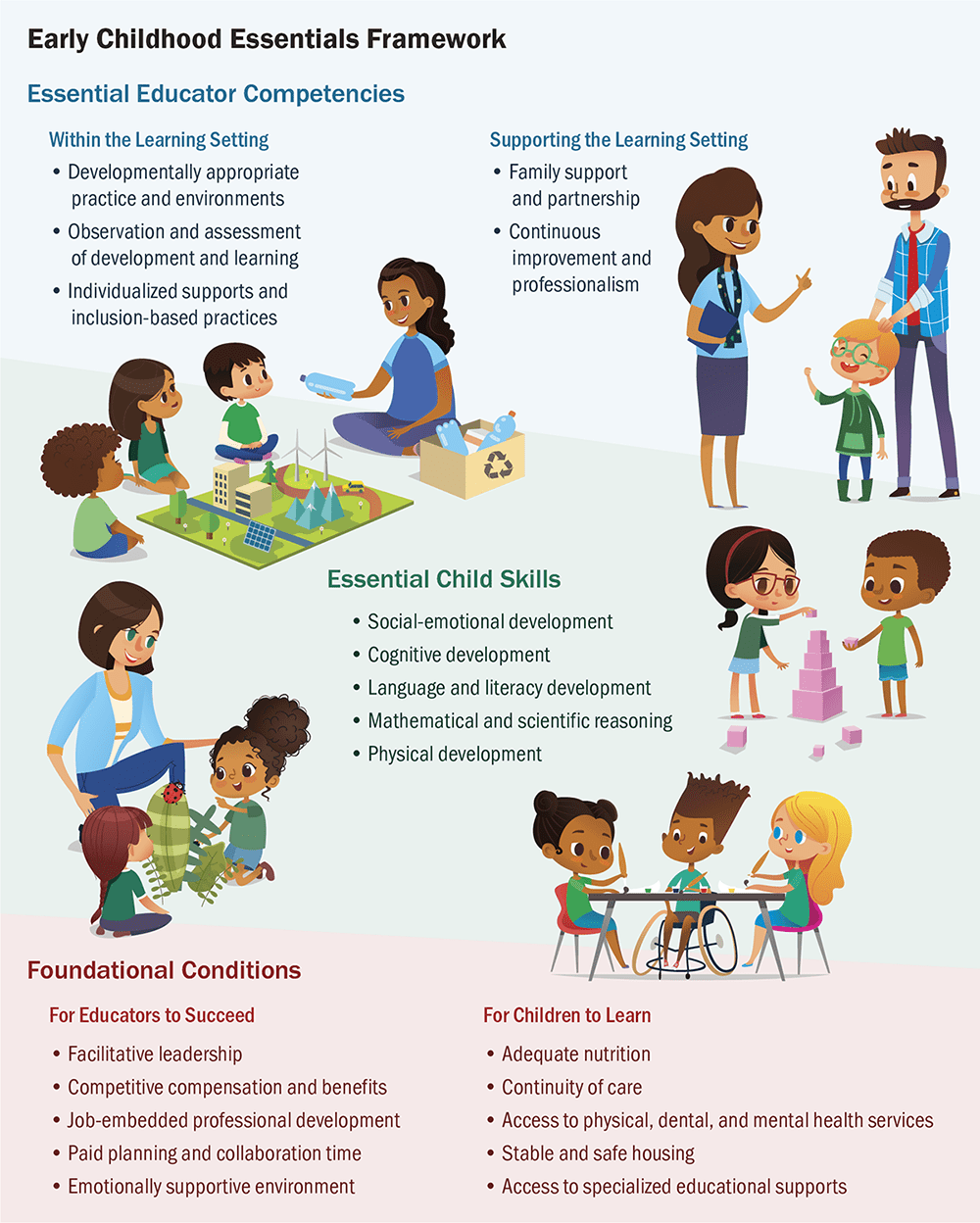
Early learners typically encompass children from preschool through early elementary school (ages 3-7). At this stage, math education should focus on building a solid understanding of basic concepts through hands-on activities and play. Here’s a breakdown of key areas:
Example: A child with strong number sense understands that “5” represents a quantity and can compare it to other quantities like “3” or “7.”

Creating a Math-Friendly Environment at Home
The first step in making math fun is to create an environment that encourages exploration and discovery. This doesn’t require a dedicated “math room,” but rather a mindset of incorporating math into everyday surroundings.
Actionable Tip: Start a “math box” filled with various manipulatives that your child can use for exploration and learning.
Fun and Engaging Math Activities
Now, let’s get into the fun part! Here are some engaging activities you can do with your early learner to make math an enjoyable experience:

1. Counting and Number Sense
* Counting Games: Count everything! Count steps while walking, toys during cleanup, or crackers during snack time.
Example: While setting the table, ask your child to count the number of plates, forks, and spoons needed.
2. Addition and Subtraction
* Using Manipulatives: Use objects like beans or blocks to physically represent addition and subtraction problems. For example, “If you have 3 beans and I give you 2 more, how many do you have?”
Actionable Tip: Turn snack time into a math lesson by asking your child to add or subtract the number of snacks they have.
3. Geometry and Spatial Reasoning
* Shape Hunts: Go on a shape hunt around the house or outdoors, identifying different shapes in the environment.
Example: Ask your child to identify different shapes in a book or magazine.
4. Measurement and Data Analysis
* Comparing Sizes: Compare the sizes of different objects using terms like “bigger,” “smaller,” “longer,” and “shorter.”
Actionable Tip: Involve your child in cooking and baking, where they can measure ingredients and follow recipes.
5. Integrating Math into Daily Routines
The beauty of early math education is that it can be seamlessly integrated into everyday routines. Here are some ideas:
Example: While getting dressed, ask your child to count the number of buttons on their shirt or the number of socks they have.
Addressing Common Challenges
While making math fun is the goal, it’s important to acknowledge that challenges may arise. Here are some common issues and how to address them:
Key Takeaway: Patience and encouragement are key. Focus on the process of learning rather than the outcome, and celebrate small victories along the way.
Leveraging Technology and Resources
In today’s digital age, there are countless online resources and apps that can supplement your efforts in teaching early math skills. Here are some recommendations:
Caution: While technology can be a valuable tool, it’s important to monitor your child’s screen time and ensure that they are using educational resources that are appropriate for their age and skill level.
Celebrating Success and Fostering a Growth Mindset
Finally, remember to celebrate your child’s successes and foster a growth mindset. Encourage them to embrace challenges, learn from mistakes, and believe in their ability to improve.
Key Takeaway: By fostering a growth mindset and celebrating successes, you can help your child develop a positive attitude towards math and a lifelong love of learning.
Conclusion: Empowering Your Child’s Math Journey
Helping your early learner thrive in math at home is a rewarding journey. By creating a math-friendly environment, engaging in fun activities, integrating math into daily routines, addressing challenges with patience, leveraging technology and resources, and celebrating successes, you can empower your child to develop a strong foundation in math and a lifelong love of learning. Remember, the goal is not just to teach math, but to instill a sense of curiosity, confidence, and problem-solving skills that will benefit them in all areas of life. So, embrace the adventure, have fun, and watch your child’s mathematical abilities flourish!
Internal Linking Suggestions:
External Linking Suggestions:


0 Comments