
Discover the World: Engaging Geography Coloring Pages for Homeschool Educators
Engage curious young learners with geography coloring pages that build spatial understanding, cultural awareness, and map skills. This guide gives homeschool educators practical lesson plans, printable resource ideas, differentiation strategies, and classroom-tested activities to make geography hands-on, visual, and memorable.
Introduction: Why Geography Coloring Pages Work in Homeschooling (150–200 words)
Does your child struggle to connect abstract map concepts with the real world? Coloring pages offer a tactile, low-pressure way for learners of all ages to explore countries, continents, landforms, and cultural landmarks. For homeschool educators, these printables are versatile teaching tools: they support multi-sensory learning, integrate easily with history and science, and provide informal assessment opportunities without tests.
In this article you’ll learn how to choose or create high-quality geography coloring pages, align them with curriculum goals, design scaffolded lesson plans, and use them for assessment and enrichment. You’ll find activity templates, printable ideas, differentiation strategies for different ages and abilities, suggestions for incorporating technology, and ways to extend simple coloring into deeper geographic thinking. Whether you’re teaching early elementary map awareness or middle-school world regions, these resources will make geography accessible, engaging, and fun.
Primary Keywords and SEO Focus
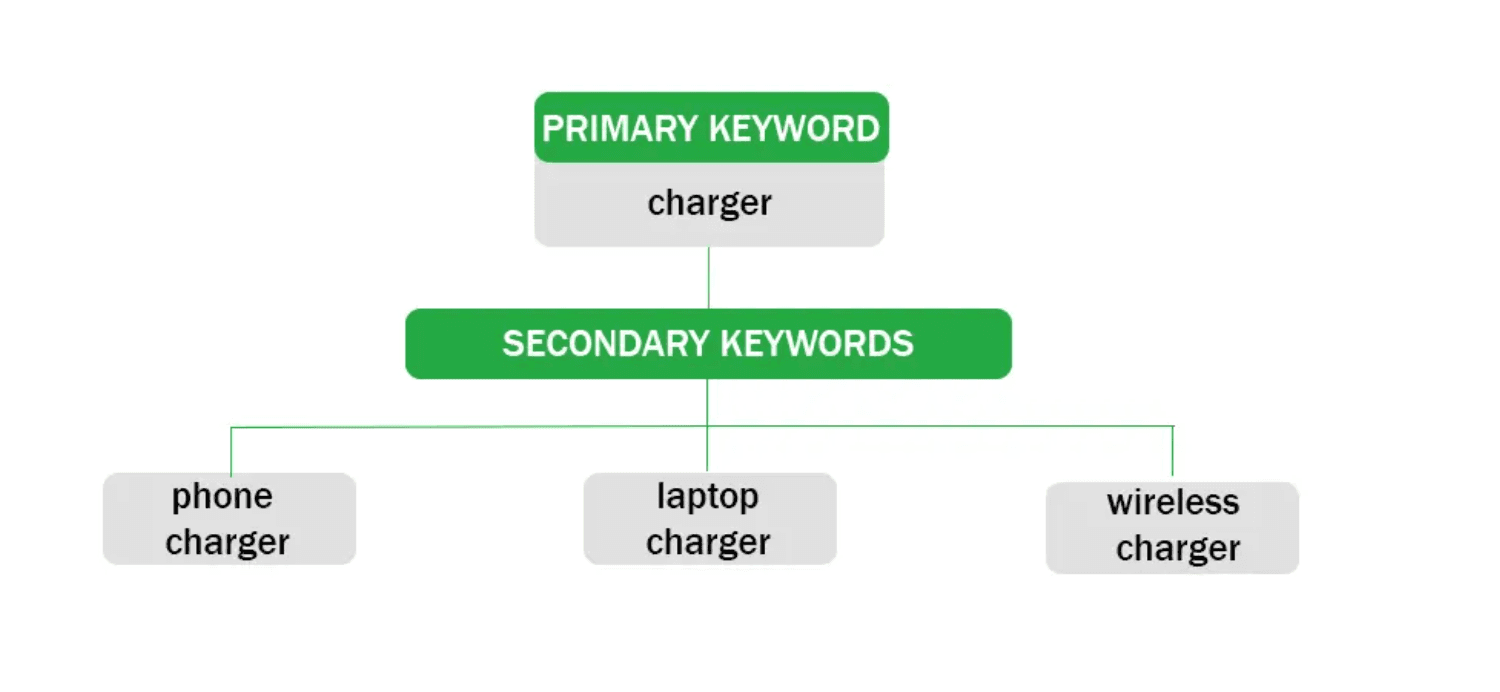
Primary keyword: geography coloring pages
Secondary/LSI keywords: printable geography worksheets, map coloring activities, homeschool geography resources, continent coloring pages, landform coloring sheets, map skills activities, world map coloring printable.
Benefits of Using Geography Coloring Pages in Homeschooling
Geography coloring pages are more than busywork. They support multiple learning goals:
- Visual learning: Reinforce recognition of countries, continents, capitals, and physical features.
- Fine motor skills: Coloring inside lines builds dexterity and concentration.
- Vocabulary development: Reinforces geographic terms like peninsula, isthmus, plateau, and latitude.
- Cross-curricular links: Combine mapwork with history, culture, climate science, and literature.
- Assessment: Quick formative checks of understanding without pressure.
- Grades K–2: Simple continent outlines, large icons for landmarks and animals, color-by-number maps with few regions.
- Grades 3–5: Country outlines with capitals, physical features (rivers, mountains), legend/key practice.
- Middle school: Political maps with borders, scale bars, latitude/longitude grids, thematic maps (population, climate).
- Identify the seven continents and five oceans (K–2).
- Read and interpret simple thematic maps (grades 3–5).
- Use latitude and longitude to locate places (grades 6–8).
- Provide high-contrast, large-print versions for visual impairments.
- Offer simplified maps with fewer details for learners with fine-motor challenges.
- Provide extension tasks (research mini-projects) for advanced students.
- Hook: Show a globe and ask, “Where are we on this ball?”
- Teach: Introduce continent names and a simple song or mnemonic.
- Activity: Students color each continent with a different color and label them with stickers.
- Assessment: Quick oral quiz—point to a continent and ask the student to name it.
- Extension: Create a simple passport where each colored continent gets a sticker.
- Hook: Show photos of a mountain, river, and peninsula; ask students to guess names.
- Teach: Short explanation of each landform and formation process.
- Activity: Students color and label landforms on the sheet and write one sentence about each formation.
- Assessment: Students present one landform and explain how it formed.
- Extension: Model landform formation using clay or sand and photograph it for a mini-report.
- Hook: Show GPS coordinates of a famous city and ask students to find it on the map.
- Teach: Explain lat/long and map scale formulas.
- Activity: Students color countries, plot coordinates for five cities, and compute distances between them.
- Assessment: Short quiz with coordinate-based questions.
- Extension: Research a city’s climate and mark climate zone on the map.
- Blank world map outline (multiple sizes)
- Continent flashcards with coloring panels
- Country outline cards for matched research tasks
- Landform identification sheet with color key
- Color-by-number climate maps with legend
- Latitude/longitude grid sheets with practice coordinates
- “My Travel Journal” printable to pair with country coloring
- Checklist: continent/country recognition, label accuracy, correct use of legend/colors.
- Oral questioning: ask students to explain why they colored a region a certain way.
- Peer review: students compare maps and explain differences.
- Multi-level prompts on the same sheet: basic labeling for beginners, research prompts for advanced learners.
- Provide pre-colored sample maps for students with limited motor control and ask them to annotate instead.
- Use assistive tech: tablet apps where students color digitally using a stylus if fine motor challenges exist.
- Offer multilingual labels for English language learners to reinforce language and geography simultaneously.
- Interactive maps (Google Earth, National Geographic MapMaker) to explore colored regions in 3D.
- Digital coloring apps that let students save, print, and annotate their maps.
- QR codes on printables linking to short videos, folk tales, or national anthems of the country colored.
- Story Mapping: After reading a folktale from a country, students color that country and map the story’s journey.
- Art Integration: Create a stitched map on fabric showing landforms and biomes.
- Science Tie-In: Color biome maps and research typical flora and fauna for a classroom habitat display.
- Language Arts: Write travel diary entries from the perspective of a child living in a colored country.
- Use vector-based outlines for clean printing at any size (SVG or PDF).
- Include an uncluttered legend and clear labels with readable fonts.
- Provide multiple difficulty levels on separate files to avoid confusion.
- Offer both black-and-white and lightly shaded background versions to help younger children stay on track.
- Test-print on home printers to ensure lines and small text remain legible.
- National Geographic Education — lesson plans and maps (external)
- National Geographic Kids — age-appropriate country facts (external)
- Google Earth — interactive exploration and coordinates (external)
- Homeschool Geography Curriculum Page — internal resource suggestion for further lessons (internal)
- “Homeschool geography curriculum” → /resources/homeschool-geography-curriculum
- “Printable world map” → /printables/world-map-printable
- “Map skills activities” → /lesson-plans/map-skills-activities
- “Landform lesson plans” → /lesson-plans/landform-lessons
- Place the primary keyword in the page title, H1, intro, and conclusion.
- Include alt text for all images (examples below).
- Use descriptive filenames for downloadable PDFs (e.g., geography-coloring-pages-world-map.pdf).
- Provide schema markup for an Article and downloadable CreativeWork (recommendation below).
- Alt for continent coloring page: “Outline map of the seven continents with labeled regions for coloring.”
- Alt for landform sheet: “Black-and-white landform coloring sheet showing mountain, river, plateau, volcano.”
- Alt for coordinate grid map: “World map with latitude and longitude grid for plotting coordinates.”
- Blank world map (A4 and letter sizes)
- Seven-continent coloring page set (separate pages)
- Country outline cards (10 sample countries)
- Landforms & biomes coloring pack
- Latitude/longitude practice sheets
- Teacher guide with 6 lesson plans and rubrics

Designing Curriculum-Aligned Geography Coloring Pages
Quality matters. Use these design principles when choosing or creating coloring pages:
Grade-Appropriate Complexity
Learning Objectives and Standards Alignment
Begin with clear learning objectives and align printables to standards (state or national). Example objectives:
Accessibility and Differentiation
Make coloring pages accessible:
Types of Geography Coloring Pages and When to Use Them
Mix and match printable types to meet diverse objectives.
1. Continent and Country Outlines
Use to teach location, size comparison, and basic continent recognition. Add icons for capitals or key landmarks.
2. Political Maps
Coloring political maps helps learners understand borders, states, and capitals. Use for civics and history tie-ins.
3. Physical Maps and Landforms
Include mountains, rivers, deserts, and plateaus. Great for integrating with earth science units on erosion, tectonics, and biomes.
4. Thematic Maps (Climate, Population, Biomes)
Color-by-theme activities build interpretive skills: students color regions by climate zone, population density, or biome.
5. Map Skills Worksheets (Latitude/Longitude, Scale)
Color-coded grids help students practice coordinates, distance calculations, and map reading.
Lesson Plans and Activities Using Geography Coloring Pages
Below are practical, scaffolded lesson plans that use coloring pages as the central activity. Each includes objectives, materials, step-by-step instructions, and extension activities.
Lesson 1: Introduce the Continents (K–2)
Objective: Students will identify and color the seven continents and five oceans.
Materials: World map coloring page, crayons, labels/stickers, globe if available.
Lesson 2: Mapping Landforms (Grades 3–5)
Objective: Identify major landforms and explain how they form.
Materials: Landform coloring page, short text or video about rivers/mountains, colored pencils.
Lesson 3: Coordinate Detectives (Grades 6–8)
Objective: Use latitude and longitude to locate cities and calculate distances using scale.
Materials: Grid map coloring page, ruler, calculator, world atlases or online maps.
Printable Resource Ideas and Templates
Create a library of printables to reuse across grades. Here are templates to include in your homeschool resource folder.
Assessment Strategies Using Coloring Pages
Coloring activities can double as low-stakes assessment. Use rubrics and observational notes to track skills.
Formative Assessment Ideas
Summative Assessments
Pair a final colored map with a short written explanation of patterns (e.g., “Why are most rainforest regions near the equator?”) or a mini-research project on a country they colored.
Differentiation Strategies for Diverse Learners
Adjust tasks so all students can succeed and be challenged appropriately.
Integrating Technology and Interactive Elements
Combine printable coloring pages with digital resources for a blended learning approach.
Classroom-Tested Activities and Case Studies
Real homeschool examples illustrate how coloring pages can be used effectively.
Case Study: A Multi-Week World Regions Unit
Context: A homeschool co-op group with mixed-age learners (ages 6–12).
Approach: Each week focused on one region. Students colored the region map, added icons for landmarks and animals, and completed a “fun fact” card for one country. Older students created travel brochures; younger students made postcards. The unit culminated in a “World Fair” where families visited student-created booths.
Outcome: High engagement, improved retention of country locations, and strong cross-age mentorship as older students helped younger peers color accurately and research facts.
Case Study: Landforms and Local Field Study
Context: A homeschool parent paired map coloring with a weekend hike.
Approach: Before the hike, students colored landform maps and predicted features they might see. After the hike, they annotated maps with photos and sketched observed landforms.
Outcome: Students connected classroom diagrams to lived experience, showing deeper understanding in follow-up explanations.
Creative Extensions and Cross-Curricular Projects
Use coloring pages as springboards for larger projects that incorporate art, history, language arts, and science.
Tips for Creating High-Quality Printable Coloring Pages
Recommended Resources and External Links
Authoritative sites to pair with activity packs:
Internal Linking Recommendations
Suggested anchor text and pages to link within your site to improve SEO and user navigation:
SEO and Content Optimization Notes
Keyword usage in this article targets “geography coloring pages” throughout headings and body text to reach the intended search intent: homeschool educators looking for printable geography resources. Use this checklist when publishing:
Image and Accessibility Suggestions
Include clear, printable images and provide alt text to help screen-reader users. Example alt text suggestions:
Schema Markup Recommendation
Include JSON-LD Article schema with properties like headline, author, datePublished, image, description, and mainEntity to help search engines display the article accurately. Add CreativeWork schema for downloadable printables with properties for fileFormat and contentUrl.
Printable Content Pack: What to Include (Downloadable Bundle)
For a value-packed bundle, include:
Sample Weekly Unit Plan Using Coloring Pages
Here’s a compact 6-week schedule for a mixed-age homeschool setting that builds map skills progressively.
| Week | Focus | Coloring Page(s) | Extension Activity |
|---|---|---|---|
| 1 | Continents & Oceans | World outline with continents | Create continent passport stickers |
2</tdRelated Posts
Kid's Activities Jan 26, 2026
0 Comments Coloring Pages & Printables for Homeschool Math: Boost Number Recognition, Problem Solving, and Learning Through Play...
Kid's Activities Jan 25, 2026
0 Comments Discover the World: Engaging Geography Coloring Pages for Homeschool Educators Discover the World: Engaging Geography... Recent PostsNew Arrivals – Up to 70% Off Be the first to explore our newest kids’ printables – from coloring pages to planners, storybooks, and more. Fun, creative, and ready to download instantly. Parent & Kid Favorites Discover our most-loved printables and digital packs, handpicked by families who use them every day for learning and play. Discover the Joy of Learning & PlayFrom toddlers to teens, our printables are designed to inspire creativity, spark imagination, and support learning at every stage. Whether it’s coloring pages, storybooks, planners, or posters, you’ll find screen-free fun that helps kids grow and thrive. 0 |
0 Comments