
Coloring Pages and Printables for Homeschool History: Teaching Famous Inventors, Time Periods, Ancient Civilizations, and Heroes Through Visual Learning
Looking for engaging, effective ways to teach history at home? Coloring pages and printables bring history alive for young learners by combining creativity with structured lessons. In this article you’ll discover how to use printable coloring pages, timelines, activity sheets, and visual aids to teach homeschool history topics—focusing on famous inventors, key time periods, ancient civilizations, and historical heroes. You’ll get practical lesson ideas, printable resource suggestions, sample activities for multiple grade levels, and tips for assessing learning while keeping lessons fun and visually rich.

Why Use Coloring Pages and Printables in Homeschool History?
Visual learning supports memory, comprehension, and engagement. Children who draw, color, and manipulate printed materials often retain facts more effectively than through lecture alone. Coloring pages and printables offer several educational benefits:
- Multi-sensory learning: Combining visual, kinesthetic, and sometimes auditory elements strengthens neural connections.
- Accessible differentiation: Printables can be adapted for diverse ages and abilities—from simple coloring outlines for kindergarteners to research-based worksheets for middle schoolers.
- Cross-curricular potential: Use history printables to practice reading, writing, math (timelines, measurements), art, and critical thinking.
- Low-prep instruction: Ready-made pages save planning time and make it easy to deliver consistent, scaffolded lessons at home.
- Intro Activity: Large fold-out timeline coloring mural where students color and label major eras (Stone Age, Bronze Age, Classical Antiquity, Middle Ages, Renaissance, Industrial Revolution, Modern Era).
- Weekly Focus: Each week, deliver a printable packet highlighting one time period—key events, daily life coloring pages, map activities, and primary-source excerpts simplified for age.
- Assessment: Use “Then vs Now” printables asking students to compare technology, clothing, food, and shelter.
- Featured Inventors: Thomas Edison, Nikola Tesla, Marie Curie, Ada Lovelace, Eli Whitney, George Washington Carver, Alexander Graham Bell, and more.
- Printable Activities: “Inventor Biography” sheets (fill-in-the-blanks, short-answer prompts), patent sketch templates, cause-effect charts showing how an invention changed society.
- Project-Based Printables: Design-your-invention blueprint coloring pages with labeled parts and materials lists for hands-on building activities.
- Ancient Civilizations Coloring Pack: Egypt (pyramids, pharaohs, papyrus scrolls), Mesopotamia (ziggurats, cuneiform tablets), Indus Valley (seals, Harappan homes), China (Shang bronze vessels). Include one-sentence captions for each image.
- Heroes Coloring Pages: Introduce historical heroes (e.g., Harriet Tubman, Joan of Arc, Sun Tzu) with age-appropriate bios on the back of each coloring sheet.
- Activity: “Dress from the Past” cut-and-paste printable—students color clothing and dress paper dolls from different periods.
- Inventor Pack: Coloring portraits, timeline cards (date + invention + short blurb), and a “How It Works” printable explaining the basic science behind each invention.
- Time Period Comparison Worksheets: Venn diagram printables to compare daily life in Ancient Rome vs. the Middle Ages.
- Hero Case Study: Printable reading passage about a hero’s life followed by comprehension questions and a creative writing prompt (letter to the hero).
- Inventor Research Packet: Guided research pages covering context, biography, patents, and societal impact. Include a “Design Challenge” blueprint printable for students to prototype improvements.
- Era Analysis: Printable primary-source analysis templates (source description, audience, purpose, bias) applied to translated excerpts from Hammurabi’s Code, Confucian texts, or Renaissance diaries.
- Capstone Project: “Museum Exhibit” printable set—curation checklist, exhibit label templates, and poster coloring pages to display student-created artifacts and explanations.
- Use large, high-contrast lines for coloring pages to support fine motor skills and visual accessibility.
- Offer multiple reading levels—one-page simplified bios and longer readings—so students can progress independently.
- Include audio or read-aloud versions of text-based printables for auditory learners and emerging readers.
- Provide extension prompts for early finishers (research a related person, design a historical invention mash-up).
- Annotate images with alt text when posting PDFs or images online to meet accessibility standards.
- Prototype Challenges: After coloring an inventor’s blueprint, students build a simple model with household materials. Use a printable evaluation rubric for design and historical accuracy.
- Theatrical Extensions: Create printable costume pieces (masks, hats, labels) and host a “Historical Heroes Day” where each child presents in character.
- Gallery Walks: Use printable exhibit labels and poster templates to create a student museum. Encourage peer feedback with printable comment cards.
- Formative: Quick exit tickets, one-question coloring prompts (color the tool that shows how people cooked in Ancient Rome), and matching activities.
- Summative: Create a unit packet with a mix of short-answer, timeline construction, and a mini-research printable culminating in a presentation.
- Rubrics: Provide clear criteria for content accuracy, effort, creativity, and use of historical vocabulary.
- Week 1 — Introduce Time Periods: Large timeline coloring mural + era-specific coloring pages. Activity: Map inventions to time periods printable.
- Week 2 — Spotlight Inventors: Each student picks an inventor. Use biography coloring pages and guided research printables. Activity: Patent sketch and “How It Works” worksheet.
- Week 3 — Build and Test: Design challenge printable + maker rubric. Students build a prototype or model demonstrating a principle (simple circuits, pulley systems, seed-planting tools).
- Week 4 — Exhibit and Reflect: Printable exhibit labels, poster coloring pages, reflection prompts, and self-assessment checklist.
- Free Resources: Educational non-profits and museum education pages often have free printable packs (e.g., National Archives education resources, British Museum teaching resources).
- Premium Marketplaces: Teachers Pay Teachers, Etsy, and subscription services offer professionally designed, differentiated units and printable bundles for various grade levels.
- Create Your Own: Use tools like Canva, Google Slides, or Adobe Express to design custom coloring pages and worksheets. Export as high-resolution PDFs for printing.
- Image Sourcing: Use public domain or Creative Commons images for historical artifacts and portraits; always check license terms and credit accordingly.
- Internal link suggestions (anchor text recommendations): “homeschool curriculum planning” (link to your homeschool planning guide), “printable timeline templates” (link to downloadable timeline pages), “STEM at home” (link to maker activity pages).
- External authoritative link recommendations: National Archives (https://www.archives.gov/education) for primary-source activities; Smithsonian Learning Lab (https://learninglab.si.edu) for museum resources; Khan Academy history sections for contextual overviews; UNESCO and British Museum for ancient civilizations resources.
- Link attributes: internal links open in same window; external links should open in a new window (target=”_blank” rel=”noopener noreferrer”).
- Alt text suggestions: “Coloring page portrait of Thomas Edison holding an early lightbulb,” “Fold-out timeline printable showing Stone Age to Modern Era,” “Ancient Egypt coloring sheet with pyramid and pharaoh silhouette.”
- Use descriptive file names (inventor-portrait-edison.pdf) and include short captions for images in posts.
- Provide text transcripts for audio read-alouds and ensure high contrast on printable designs for readability.
- Create pinnable images (vertical, 1000×1500 px) showing finished coloring pages and kids’ projects with overlay text: “Free Homeschool History Printables.”
- Share short video clips or time-lapses of students completing coloring pages or building projects to Instagram Reels and TikTok.
- Use CTAs in the article: “Download the free inventor coloring pack” or “Sign up for weekly homeschool printables.” Place download buttons near top and bottom of the page.
- Offer a printable bundle gated by newsletter signup to grow your email list (soft CTA) and follow with weekly themed printable emails (strong CTA).
- Cover sheet with unit objectives and vocabulary list
- Coloring pages: portraits, artifacts, scenes
- Timeline pieces and mural instructions
- Research-guided worksheets for biographies and inventions
- Primary-source simplifications with analysis prompts
- Maker challenge blueprints and rubrics
- Reflection prompts and assessment rubrics
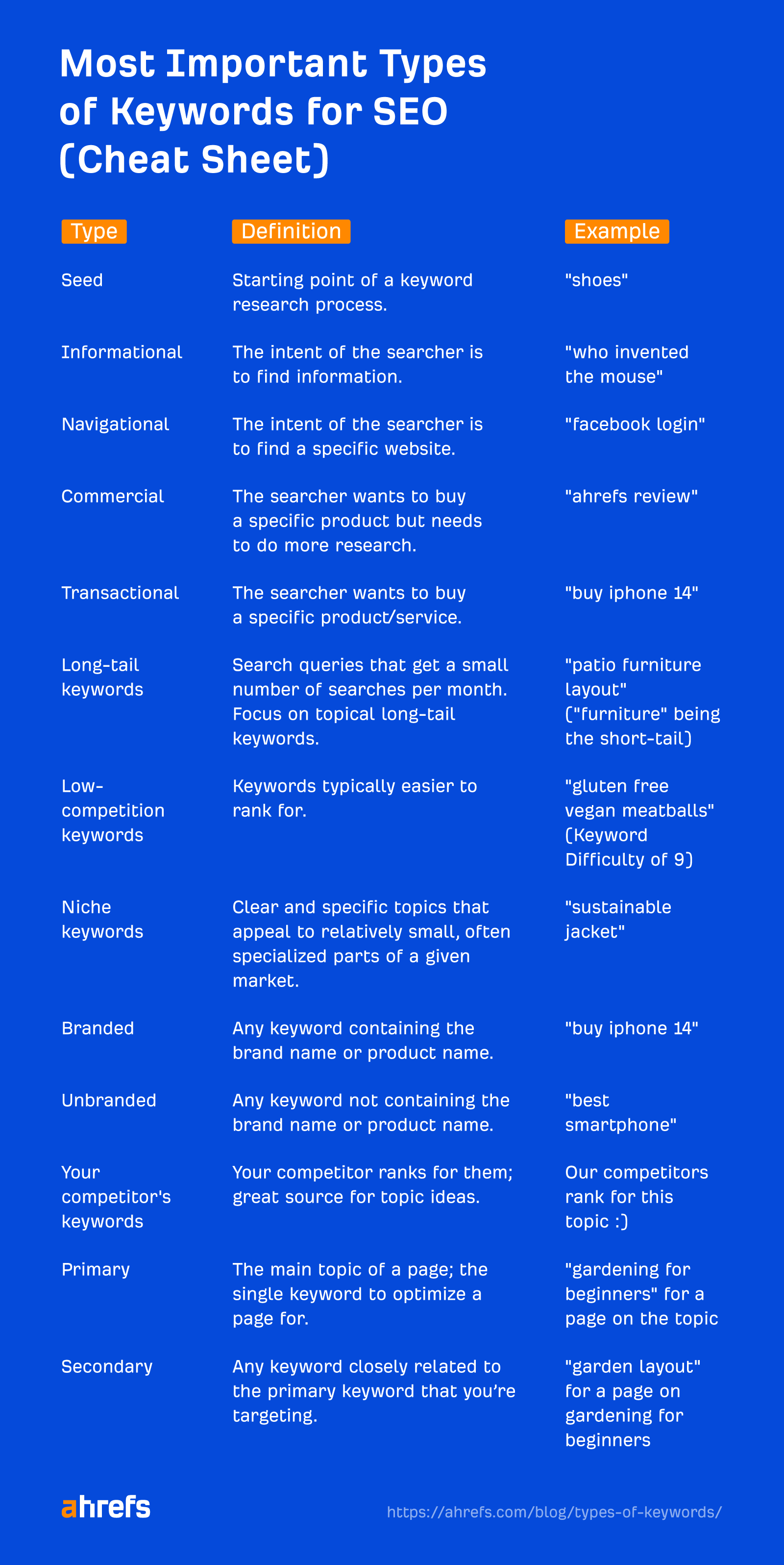
Primary Keywords and SEO Note
This article is optimized for keywords including “coloring page and printables,” “homeschool history,” “famous inventors,” “time periods,” “visual learning,” “ancient civilizations,” and “heroes.” These terms are naturally integrated to help educators discover resource ideas and teaching strategies online.
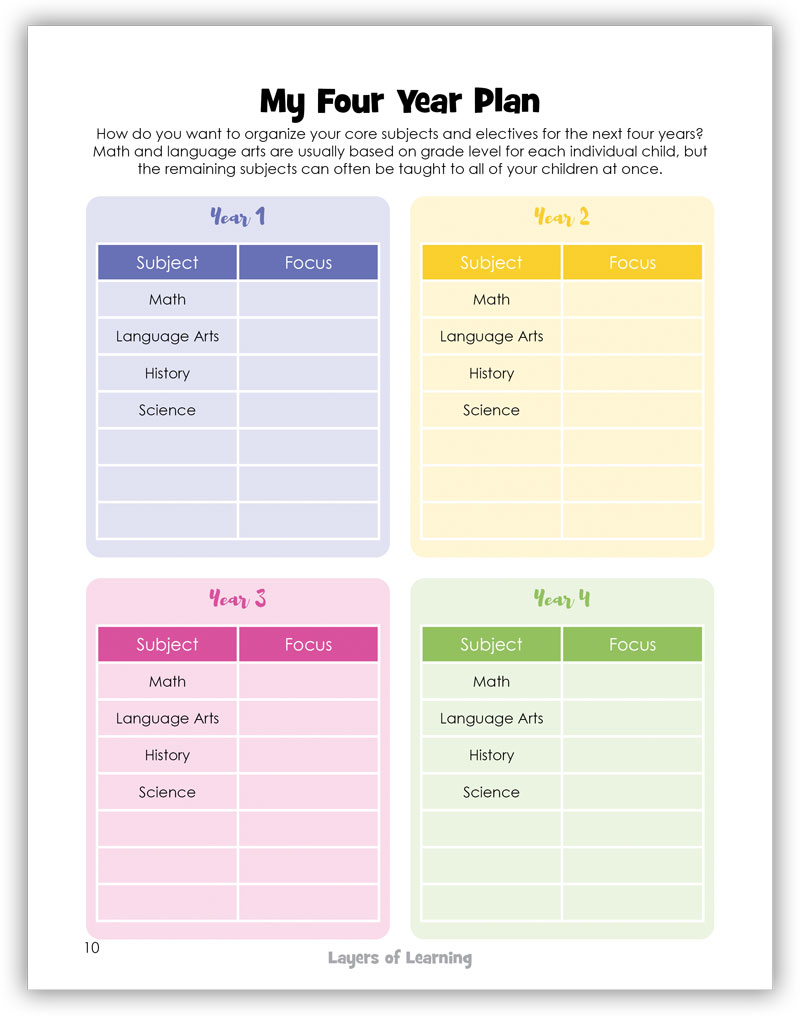
Organizing Your Homeschool History Curriculum with Printables
A printable-driven curriculum can be unit-based, chronological, thematic, or project-centered. Below are flexible frameworks you can adapt by grade level.

Chronological Unit: Teaching Time Periods
Chronological units help students understand cause-and-effect, continuity, and change over time. Use timeline printables, sequencing cards, and era-specific coloring pages to build a clear mental map.

Thematic Units: Famous Inventors and Their Impact
Thematic units around invention and innovation are ideal for integrating STEM. Present inventors through portrait coloring pages, patents worksheet printables, and invention timeline activities.
Lesson Ideas and Printable Examples by Grade Level
Below are scaffolded lesson ideas with printable suggestions, from kindergarten through middle school. Each lesson pairs coloring pages with comprehension tasks or creative extensions.
Kindergarten–Grade 2: Introduction to Ancient Civilizations and Heroes
Focus on big ideas: who, where, and what. Use simple coloring pages, map dot-to-dot printables, and matching cards.
Grades 3–5: Deeper Context and Connections
Add comprehension questions, vocabulary sheets, primary source excerpts, and simple research tasks.
Grades 6–8: Critical Thinking and Project-Based Learning
Introduce primary source analysis, cause-effect charts, and extended research projects with printable scaffolds.
Sample Printable Types and How to Use Them
Below are common printable formats and suggestions for classroom/homeschool use. These are easily combined to create rich, layered lessons.
| Printable Type | Use | Example |
|---|---|---|
| Coloring Pages | Introduce characters, objects, and scenes visually | Portraits of inventors with labeled inventions |
| Timelines | Strengthen chronological reasoning | Fold-out timeline mural for classroom wall |
| Worksheets | Practice skills, assess comprehension | Vocabulary matching, short-answer responses |
| Primary-Source Simplifications | Introduce historical thinking | Adapted excerpts with guiding questions |
| Activity Pages | Hands-on learning (puzzles, mazes, cut-and-paste) | Build-a-pyramid cut-outs, patent blueprint sketches |
Designing Effective Printables: Accessibility and Differentiation
Good printables are clear, scaffolded, and inclusive. Consider these best practices when creating or selecting materials.
Integrating Art and Maker Activities
Combine coloring pages with maker education to deepen learning and engage multiple intelligences.
Assessment with Printables: What to Look For
Printables can serve as formative and summative assessment tools. Use rubrics, checklists, and reflective prompts to measure understanding.
Sample Unit: “Inventors and Innovations Through Time” (4–6 Weeks)
This sample unit plan centers on famous inventors and time periods, using a blend of coloring pages, printables, and hands-on projects.
Resources: Where to Find and How to Create Quality Printables
High-quality printables can be purchased, downloaded for free, or made with simple tools. Recommended sources and creation tips follow.
Internal and External Linking Recommendations
For site authority and improved user experience, link internally to related content and externally to reputable sources.
Image and Accessibility Recommendations
Adding visuals boosts engagement. Use the following alt text examples and accessibility tips when uploading printables and images.
Social Sharing and Promotion Tips
Promote your printable resources and homeschool history content with shareable assets and clear calls-to-action.
Frequently Asked Questions (FAQ)
Are coloring pages effective for learning history?
Yes. Coloring pages make abstract concepts concrete, reinforce vocabulary, and enhance focus. When paired with questions and activities, they support deep learning.
How do I adapt printables for different ages?
Provide tiered versions: simplified coloring-only pages for younger learners, guided reading and short-answer worksheets for elementary ages, and research or analysis printables for older students.
Can printables replace textbooks?
Printables are best used as supplements. They provide engagement and skill practice but should be paired with readings, discussions, and primary sources for comprehensive understanding.
Real-World Examples and Case Studies
Example 1: A homeschooling family used a four-week inventor unit with printable timelines and blueprint templates. Their 4th-grader improved timeline accuracy and scored higher on recall questions after the hands-on prototype week.
Example 2: A co-op class implemented an “Ancient Civilizations Gallery” where each group created printable exhibit labels and coloring posters. Peer teaching during the gallery walk increased confidence and led to richer class discussions.
Printable Pack Checklist: What to Include
Final Thoughts: Making History Stick with Color and Creativity
Coloring pages and printables are powerful tools in the homeschool history toolkit. They foster visual learning, make complex time periods accessible, celebrate famous inventors and heroes, and invite students to be makers and storytellers. Use printables intentionally: pair imagery with inquiry, scaffold tasks by ability, and connect each activity to a larger narrative or project. With thoughtfully designed printables and hands-on extensions, history becomes not just a list of dates but a living story students can explore, color, and create.
Ready to get started? Begin by downloading a simple coloring page or timeline printable and plan one short activity this week—then build your unit from there. For more printable packs and lesson templates, explore internal links to “printable timeline templates,” “inventor unit pack,” and “homeschool curriculum planning.”
Author: Homeschool History & Resources — An experienced curriculum creator specializing in visual learning and printable resources for families and co-ops.


0 Comments