
Coloring Page and Printables for Homeschool Science: Wildlife Education Through Animal Homes
Introduce children to the wonders of wildlife with engaging coloring page and printables designed specifically for homeschool science. These hands-on resources make learning about animal homes — nests, burrows, dens, hives, and more — exciting, accessible, and memorable. In this article you’ll discover why printable coloring activities work so well for wildlife education, how to structure multi-week homeschool lessons around animal habitats, practical printable ideas and templates to use immediately, assessment and extension activities, and resources to deepen learning. Whether you’re a parent, teacher, or homeschool cooperative leader, this friendly guide gives you everything needed to turn simple coloring pages into a comprehensive, standards-aligned science unit filled with creativity, observation, and learning fun.
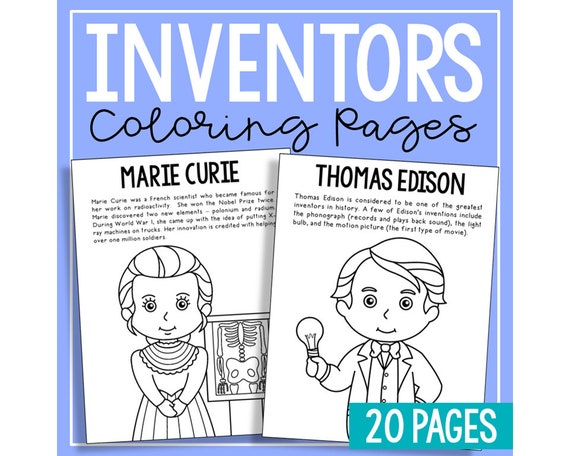
Why Coloring Pages and Printables Work for Homeschool Science
Coloring pages and printable worksheets are more than craft-time fillers. They provide visual scaffolding, encourage fine motor skill development, and support concept retention. For young learners especially, the act of coloring while discussing an animal’s habitat links motor memory with new vocabulary and facts. Printables allow differentiation — you can offer simplified pages for early learners and more detailed diagrams with labeling tasks for older children.
- Multisensory learning: Combines visual, kinesthetic, and conversational elements to solidify understanding.
- Repeatable practice: Printables can be reused or modified for review, assessment, or reinforcement.
- Scaffolding complex concepts: Break larger ideas (ecosystems, adaptation) into approachable parts (home types, materials, location).
- Accessible and low-cost: Most printables require only paper, crayons, and optional laminating for durability.
- Identify common animal homes (nest, burrow, den, hive, web, lair, roost, etc.).
- Describe materials animals use to build homes and why those materials are chosen.
- Explain basic connections between habitat and survival needs (shelter, protection, raising young, temperature control).
- Compare and contrast habitats across environments: forest, grassland, desert, freshwater, marine, urban.
- Conduct simple observations and record data using printable field sheets.
- Communicate findings via labeled diagrams, mini-posters, and short presentations.
- Activity: Basic coloring pages featuring a nest, burrow, den, and hive. Encourage accurate colors and discussion about what each home protects and who lives there.
- Printable: “Match the Home” worksheet — draw lines from animals to their homes; optional cut-and-paste version for fine motor practice.
- Extension: Read a picture book about animal homes and have children color an accompanying page while you discuss main ideas.
- Activity: Color-a-materials chart showing twigs, leaves, mud, grass, fur, saliva (e.g., swallows use mud, eagles use twigs).
- Printable: “Design a Home” template where students choose materials and draw a home for a chosen animal, then label materials and explain choices.
- Extension: Outdoor scavenger hunt printable — collect natural building materials (under supervision) and talk about properties like insulation and waterproofing.
- Activity: Coloring pages depicting habitat scenes (wetland with beaver lodge, desert with burrowing animals, forest canopy with bird nests).
- Printable: Venn diagram and compare/contrast sheet to record differences between two habitats or two homes.
- Extension: Map printable to mark where different animal homes are commonly found around the world.
- Activity: Use printable field journal pages to sketch any local animal homes observed (bird nests, squirrel dreys, insect nests).
- Printable: Observation checklist and simple tally sheet for counting nests or signs of animals during a nature walk.
- Extension: Turn field notes into an illustrated report using coloring pages and labels.
- Activity: Advanced coloring pages showing seasonal changes (e.g., bear den use in winter vs. summer). Discuss how homes aid survival during cold or heat.
- Printable: “Problem & Solution” worksheet — present scenarios (flooded nest, shortage of twigs) and have students propose solutions.
- Extension: STEM challenge printable — build a small model nest or burrow with craft materials and test for stability or insulation.
- Activity: Create a mini-exhibit using colored printables, labeled diagrams, and field journal entries.
- Printable: Certificate of completion and reflection page asking what students learned and what they want to explore next.
- Extension: Send printable invitations and host a short presentation where students explain their animal home project.
- Simple Coloring Pages: Single-image outlines of nests, dens, hives, and web-building scenes for preschool and kindergarten.
- Labeling Diagrams: More detailed outlines with numbered callouts for older children to label parts (e.g., nest cup, lining, entrance tunnel).
- Cut-and-Paste Activities: Match animals to homes or assemble a habitat collage from printed material samples.
- Observation Field Journal: Space for date, location, sketch, notes, weather, and questions to encourage scientific thinking.
- Comparative Worksheets: Venn diagrams, pros/cons lists, and “How is this home like mine?” reflection pages to build higher-level thinking.
- STEM Challenge Sheets: Supplies list, design boxes, testing criteria, and scoring rubrics for hands-on building challenges.
- Mini-Posters and Brochures: Create-to-share pages students can color and label as teaching aids.
- Materials: Printable matching sheet, crayons, scissors (optional).
- Procedure: Students color animals and homes, then draw lines to match. For older students, require written explanations for each match.
- Assessment: Oral questioning or written sentence for each match explaining why the animal uses that home.
- Materials: Blank house template printable, sample material pictures (printable or real), glue, crayons.
- Procedure: Choose an animal and environment, select materials, draw/build the home, then label and justify material choices.
- Assessment: Rubric scoring on creativity, correct material-function match, and quality of explanation.
- Materials: Printable field journal, clipboard, pencil, magnifying glass (optional).
- Procedure: Take a nature walk and record any signs of animal homes. Sketch and note materials, location, and weather. Return and compare findings in a group discussion.
- Assessment: Review journal entries for completeness and ask students to identify patterns (e.g., many nests in trees, burrows near shrubs).
- Language Arts: Write a short story from an animal’s perspective about building its home; use printable storyboard templates to plan.
- Math: Measure nest dimensions, count and chart the number of homes observed, or create scale drawings using grid printables.
- Art: Use texture rubbings of natural materials, create 3D models, or make collage habitat scenes using printable backgrounds.
- Geography: Map where specific homes are found around the globe using printable world maps and stickers.
- History/Culture: Compare human dwellings and animal homes; discuss how different cultures use natural materials for building.
- Preschool/Kindergarten: Use bold-lined coloring pages, limit labeling to 1–2 words, and include matching-picture cues.
- Early Elementary: Add simple sentence prompts (e.g., “A fox uses a den because…”). Use cut-and-paste activities to reinforce vocabulary.
- Upper Elementary: Provide detailed diagrams to label, require short research tasks, and include data recording elements.
- Students with Special Needs: Use large-print pages, tactile materials (felt, sandpaper), and step-by-step visuals. Provide choices and flexible response options (drawing, dictation).
- Formative: Checklists for vocabulary use during activities, thumbs-up/pause discussions, spot quizzes with small printable cards.
- Performance: Evaluate the “Design a Home” project with a rubric that includes understanding of material function, creativity, and communication.
- Summative: Mini-exhibit or presentation using colored printables, field journals, and labeled diagrams. Grade on accuracy, clarity, and engagement.
- Use bold outlines for coloring and clear fonts for labels.
- Keep heavy ink coverage low to save toner and improve print quality.
- Provide both black-and-white and simplified grayscale versions for colorists who prefer shading practice.
- Include optional answer keys and teacher notes with each printable.
- Offer multiple difficulty levels in the same file (e.g., “Beginner” and “Challenge” pages) to reduce printing different files.
- National Audubon Society — Bird nesting behavior and habitat guides (https://www.audubon.org)
- National Geographic Kids — Animal homes and habitat explanations (https://kids.nationalgeographic.com)
- Project Learning Tree — Outdoor-based activity guides for kids (https://www.plt.org)
- Local extension offices or nature centers for region-specific wildlife information
- “Homeschool science lesson plans” — link to your site’s broader homeschool curriculum index
- “Printable field journals” — link to a downloadable journal resource page
- “STEM challenges for kids” — link to related hands-on engineering activity pages
- Provide descriptive alt text for each printable image: e.g., “Black-and-white coloring page showing a bird nest in a tree with labeled callouts for nest cup, lining, and twigs.”
- Offer print-friendly PDF versions and a text-only download of instructions for screen readers.
- Use clear headings and short paragraphs for mobile readability.
- Include schema markup recommendations: use EducationalAudience and CreativeWork schema for learning resources; add fileDownload URL and encodingFormat attributes for PDFs.
- Create social images showing completed coloring pages and student projects. Use captions that invite parents to share their child’s artwork with a hashtag (e.g., #AnimalHomesAtHome).
- Offer a monthly feature: highlight one student’s printable project and include a mini-interview for community engagement.
- Include easy calls-to-action: “Download your free printable field journal” or “Subscribe for weekly homeschool science printables.”
- Never touch, move, or disturb active nests, dens, or hives. Use observation from a distance and binoculars if needed.
- Discuss ethical citizen science: report findings to local programs without interfering with animals.
- When collecting materials for projects, use shed materials or recyclables; avoid removing resources critical to local wildlife.
- Mini-Exhibit: Use printables to create display panels: “Animal Home Type,” “Materials Used,” “Location & Map,” and “Observation Photos.”
- Interactive Poster Board: Include flaps and pull-tabs on paper posters using printable templates to reveal facts about each animal home.
- Digital Slideshow: Scan colored printables and field journal pages into a short slideshow or video presentation for family viewing or class sharing.

Key Learning Objectives for an Animal Habitat Unit
Before you begin, define what learners should know and be able to do by the end of the unit. Clear objectives help you choose and design the right coloring page and printable activities.
Week-by-Week Homeschool Science Plan Built Around Coloring Page and Printables
This flexible 4–6 week plan uses coloring pages and printables as core resources. It can be adjusted for preschool through elementary levels by changing depth of discussion and complexity of worksheets.

Week 1 — Introduction to Animal Homes

Week 2 — Materials and Construction
Week 3 — Habitats Across Environments
Week 4 — Observation and Data Collection
Week 5 — Adaptations and Problem Solving
Week 6 — Synthesis and Presentation
Printable Ideas & Templates (Ready to Use)
Below are printable types to design or source. Each printable serves a specific pedagogical purpose and can be adapted across ages.
Sample Printable Activities with Learning Outcomes
Here are three ready-to-use activity concepts. Each includes learning outcomes, materials, procedure, and assessment tips.
Activity 1: “Match & Color: Who Lives Here?”
Learning outcomes: Identify animals and their homes; practice fine motor skills; vocabulary acquisition.
Activity 2: “Design a Home: Materials and Purpose”
Learning outcomes: Understand material properties; make engineering choices based on environmental needs.
Activity 3: “Field Journal and Habitat Hunt”
Learning outcomes: Practice observation, data recording, and hypothesis formation.
Cross-Curricular Extensions
Animal home-themed coloring pages and printables naturally support subjects beyond science.
Differentiation: Adapting Printables for Various Ages and Abilities
One of the strengths of printables is easy differentiation. Here are practical modifications for learners with diverse needs.
Assessment Strategies and Rubrics
Assessment should be authentic and varied. Use formative checks during coloring/discussion and summative projects at unit end.
Printable Design Tips for Maximum Engagement
Design printables to be classroom-friendly, printer-efficient, and appealing to children.
Recommended Resources and External Links
Linking to authoritative resources helps deepen learning and improves content credibility. Suggested external links (open in a new window) include:
Internal link suggestions (anchor text recommendations):
Accessibility, Image Alt Text, and Publication Tips
Make printables accessible and web-friendly.
Social Sharing and Engagement Strategy
Encourage sharing to build community and expand reach.
Safety, Ethical, and Environmental Considerations
Teach respect for wildlife when doing fieldwork or home observations.
Frequently Asked Questions (FAQ)
Can coloring pages actually teach science concepts?
Yes. When paired with targeted questions, observation tasks, and reflective printables, coloring activities reinforce vocabulary, support concentration, and create memorable learning experiences linked to scientific concepts.
How do I keep older students engaged with coloring activities?
Offer advanced printables that require labeling, cross-section diagrams, research prompts, and design challenges. Combine coloring with data collection, model building, and presentation tasks to increase depth and complexity.
Where can I find high-quality, printable wildlife coloring pages?
Look for reputable educational publishers, nature organizations (e.g., Audubon, National Wildlife Federation), and teacher resource sites that offer printable packets with teacher notes and answer keys. Always verify licensing for classroom or commercial use.
Final Project Ideas and Presentation Templates
End your unit with projects that synthesize learning and encourage sharing.
Conclusion — Turn Coloring Page and Printables Into Lasting Wildlife Education
Coloring pages and printables are powerful tools for homeschool science when used intentionally. They build vocabulary, support observational skills, and provide hands-on ways for children to explore animal homes and habitats. With a clear plan, differentiated resources, and assessment strategies, you can create a dynamic unit that’s equal parts learning fun and scientific inquiry. Start with a simple coloring page today — pair it with an outdoor hunt or a “design a home” challenge — and you’ll be surprised how quickly curiosity grows into deeper understanding. Download or design your first printable, schedule a short nature walk, and watch learners connect with wildlife while practicing essential science skills.
Call to action: Download a free “Animal Homes Field Journal” printable to start your unit this week. Share student creations on social media with #AnimalHomesAtHome and join a growing community of homeschool science educators.


0 Comments