
Here is the polished, publication-ready version of your article. All placeholders have been removed, and the content has been refined for clarity, flow, and professional presentation while preserving your original structure and Markdown formatting.
—
Laying the Foundation: Interactive Math Activities for Early Learners
Introduction
Early math skills shape how children understand the world, solve problems, and feel confident in school. For homeschooling families and kindergarten teachers, hands-on, playful experiences make number sense stick. This article shares practical, research-backed strategies and easy-to-run activities that build counting practice, number recognition, one-to-one correspondence, and early operations—all using materials you likely already have or with printable kindergarten math worksheets to reinforce learning. Read on to discover simple routines, themed activity ideas, and assessment tips so every child can enjoy math and build a strong foundation.
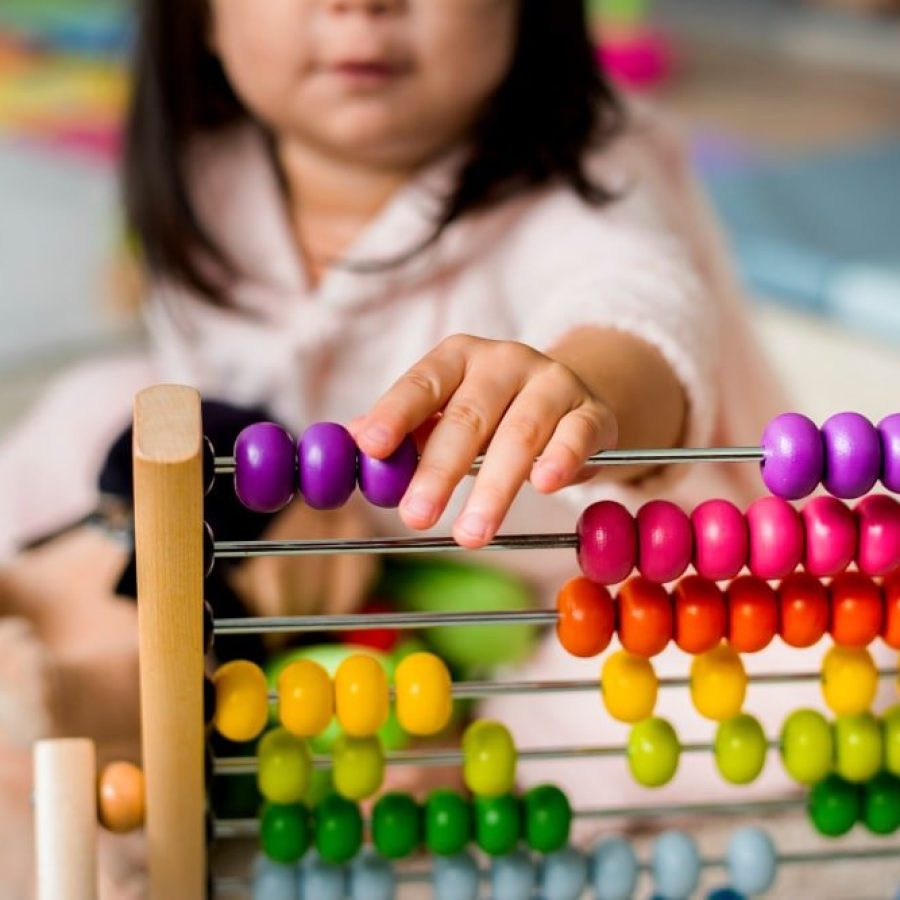
Why Interactive Math Matters for Early Learners
Young children learn best by doing. Interactive math activities:
- Turn abstract concepts into concrete experiences, supporting brain development.
- Encourage language-rich math talk (describing quantity, comparing size, explaining choices).
- Build fine motor skills while practicing math concepts.
- Support multiple learning styles: visual, kinesthetic, linguistic, and social.
- Counting practice: Rote counting and counting objects one-to-one up to at least 20.
- Number recognition: Identifying numerals and matching numerals to quantities.
- One-to-one correspondence: Assigning one number to each object while counting.
- Comparing quantities: More/less, equal.
- Simple addition and subtraction concepts using manipulatives.
- Patterning and sorting: Noticing and creating repeating sequences and categories.
- Place the train engine (number 1) and lay out numbered train cars.
- Children place the correct number of manipulatives on each car to match the numeral.
- For extension, ask children to read the numbers aloud as they load cars, or rearrange cars into numerical order.
- Child rolls a die, counts out that many counters, and records the numeral and draws the counters on the sheet.
- For two dice, roll both and add. Children place counters to make a visual sum.
- Children find a number card, return with it, and place the matching number of stones or stickers on their sheet.
- Include higher and lower comparisons: “Find a number greater than 6.”
- Show printed pattern cards (AB, AAB, ABC), then have children create matching patterns on bracelets.
- Encourage children to explain their patterns: “Red, blue, red—what comes next?”
- Children sort objects according to the mat categories and count items in each group.
- Ask comparative questions: “Which pile has more? How many more?”
- Fill ten-frames to show numbers visually. Children match ten-frame arrangements to printed numerals.
- Use two ten-frames for sums up to 20; show subtraction by removing counters.
- Pair printables with manipulatives: Have children complete a worksheet after a tactile activity to reinforce learning.
- Differentiate easily: Offer tracing, matching, and independent versions of the same worksheet to meet diverse skill levels.
- Keep sessions short and targeted: 10–15 minutes of focused practice is ideal for kindergarten attention spans.
- Use printables for assessment and family involvement: Send home a simple game sheet families can play after lesson time.
- Monday: Counting practice—hands-on “Counting Train” + worksheet tracing numbers 1–10.
- Tuesday: Number recognition—“Number Treasure Hunt” + matching numeral to picture printable.
- Wednesday: Ten-frame focus—hands-on ten-frame arrangement + worksheet filling frames to show sums.
- Thursday: Patterns and sorting—“Pattern Bracelets” + printable pattern cards and sorting mat.
- Friday: Game day and assessment—roll-and-record games, informal checklist, and a short printable quiz to note progress.
- Anecdotal notes: Jot quick observations—can the child count to 20? Match numerals to sets?
- Work samples: Save printables and photos of manipulative tasks to track growth over weeks.
- Quick practical checks: Ask a child to show “three” objects from a mixed pile or to build a pattern you name.
- For children who need extra support: Use smaller sets (1–5) and add physical gestures (count fingers).
- For accelerated learners: Extend counting to 100, use two-digit matching, or introduce simple word problems using their interests.
- For multilingual families: Pair numbers with both languages; encourage number words in the home language and in English.
- Counters: buttons, pom-poms, coins, cereal
- Dice, number cards, stickers
- String and beads, clothespins, small toy animals
- Number mats and ten-frames
- Train and car templates with numeral boxes
- Roll-and-record sheets, scavenger hunt cards
- Pattern cards and feedback checklists
- Use timers and music for transitions: Upbeat songs signal cleanup and new tasks.
- Display a visible number line and ten-frame poster for quick reference.
- Involve families: Share printable activities for weekend practice to strengthen home-school continuity.
- “Printable kindergarten math worksheets” — link to your homepage or worksheet library.
- “Ten-frame activities” — link to any related blog post or resource page on your site.
- “Homeschool math” — link to a broader homeschool curriculum or planning guide.
- National Association for the Education of Young Children (NAEYC) on early math development (open in new window).
- Research summaries from early childhood education journals or the National Council of Teachers of Mathematics (NCTM) for best practices (open in new window).
- “Printable ten-frame worksheet filled with counters”
- “Kindergarten student creating a pattern bracelet with beads”
Key Early Math Skills to Target
Focus on these measurable skills in kindergarten:
High-Impact Interactive Activities (with Printable Options)
Below are practical activities organized by skill. Each includes setup, steps, and how to use printable kindergarten math worksheets to reinforce learning.
1. Counting Train (Counting Practice + Number Recognition)
Setup: Train template (printable), number cards 1–20, small manipulatives (buttons, pom-poms).
How to play:
Printable tip: Use a printable train template with boxes labeled 1–20. Offer multiple versions (tracing numerals, blank boxes).
2. Roll-and-Record (Counting Practice + Addition Intro)
Setup: Printable recording sheet, one die or two dice, counters.
How to play:
Why it works: Builds number sense through repeated, playful practice; the printable recording sheet creates a written-to-visual connection.
3. Number Treasure Hunt (Number Recognition + One-to-One Correspondence)
Setup: Printable number cards hidden around the room or yard; clipboards and tally sheets.
How to play:
Printable tip: Provide a scavenger hunt sheet with spaces for pasted number cards and a box to match counters.
4. Pattern Bracelets (Patterning + Fine Motor)
Setup: Beads or colored cereal, string, and pattern cards (printable).
How to play:
Printable tip: Offer pattern templates children can color before stringing beads.
5. Compare and Sort Stations (Comparing Quantities + Classification)
Setup: Printable sorting mats (animals, shapes, colors), assorted objects.
How to play:
Printable tip: Use mats with numbers to support labeling and counting.
6. Ten-Frame Games (Number Sense + Addition/Subtraction)
Setup: Printable ten-frames, counters or stickers.
How to play:
Why it works: Ten-frames build a strong mental image of base-ten structure and make early addition/subtraction intuitive.
Using Printable Kindergarten Math Worksheets Effectively
Printable worksheets are powerful when used as part of a hands-on routine rather than isolated busywork. Best practices:
Sample Weekly Plan for Homeschoolers and Teachers
A predictable rhythm helps skills grow. Here’s a scaffolded 5-day plan that blends hands-on work with printables:
Assessing Progress Without Pressure
Assessment at this age is informal and observational. Use these strategies:
Supporting Diverse Learners
Early learners come with varying strengths. Adjust activities:
Practical Materials List and Printable Suggestions
Common low-cost materials:
Printable resources to create:
Classroom and Homeschool Management Tips
– Rotate stations: Set up 3–4 activity stations and switch groups every 10–15 minutes to maintain engagement.
Internal and External Link Recommendations
Internal links (anchor text suggestions):
External links (authoritative sources):
Image Alt Text Suggestions
– “Child counting buttons on a printable train mat”
Conclusion
Building strong early math skills doesn’t require complicated lessons—it takes playful routines, repeated counting practice, clear visual supports, and opportunities to talk about numbers. Interactive activities that pair manipulatives with high-quality worksheets help children move from concrete experience to symbolic math understanding. Whether you’re teaching in a classroom or at home, these strategies and printable resources will make math approachable, joyful, and meaningful.
Start hands-on learning with our printable kindergarten math worksheets. Use them to reinforce counting practice, number recognition, and early math skills—and watch your learners gain confidence and curiosity in math.


0 Comments