
Blooming Adventures: Engaging Spring Nature Study Activities for Homeschoolers
As the chill of winter recedes and the world awakens in a vibrant burst of color and sound, spring offers an unparalleled classroom right outside your door. For homeschooling families, this season is a golden opportunity to dive deep into homeschool nature study, transforming everyday observations into profound learning experiences. Imagine your children’s delight as they witness a tiny seed sprout, track the metamorphosis of a caterpillar, or chart the ever-changing spring sky. These outdoor learning adventures are not just fun; they’re essential kids science activities that foster curiosity, critical thinking, and a deep appreciation for the natural world.
This comprehensive guide will equip you with a treasure trove of engaging spring nature study activities, focusing on fascinating life cycle lessons and the dynamic shifts in nature. We’ll explore everything from the magic of plant growth to the intricate patterns of animal life cycles and the fascinating rhythm of weather changes. Best of all, we’ll show you how to enhance these hands-on explorations with delightful spring coloring page and printables, making your homeschool nature study both educational and incredibly fun. Get ready to embrace the wonders of spring and create unforgettable learning moments with your children!

Why Spring is the Perfect Season for Homeschool Nature Study
Spring is a season of profound transformation, making it an ideal time for immersive homeschool nature study. After months of dormancy, nature bursts forth with renewed energy, offering a constant parade of new beginnings and exciting changes. The mild temperatures invite children outdoors, encouraging prolonged engagement with their surroundings. From the first crocuses pushing through the melting snow to the chorus of birds returning to nest, every day brings a fresh discovery.
This period of rapid change provides countless opportunities for observation and inquiry. Children can directly witness the incredible resilience of plants and animals, understanding concepts like adaptation, interdependence, and growth in a tangible way. Engaging in outdoor learning during spring helps children develop keen observational skills, patience, and a sense of wonder. It’s a sensory feast, too – the smell of damp earth, the sound of buzzing bees, the sight of vibrant blossoms – all contribute to a rich, multi-faceted learning experience that no textbook can replicate.
Unveiling Life Cycles: Core Spring Nature Study Lessons
One of the most captivating aspects of spring is the widespread evidence of life cycles unfolding all around us. These life cycle lessons are fundamental to understanding biology and the interconnectedness of nature.

Witnessing Plant Growth: From Seed to Sprout
Spring is synonymous with plant growth. It’s the season when tiny seeds awaken and transform into vibrant plants. This process offers invaluable kids science activities that are both simple and profound.
Activities for Observing Plant Growth:
- Seed Planting & Observation: Start by planting a variety of seeds (beans, peas, sunflowers) in clear cups or a designated garden patch. Encourage children to draw or photograph the seeds daily, noting changes.
- Sprout Journals: Provide spring coloring page and printables featuring plant life cycle diagrams. Children can color the stages and then draw their own observations, labeling parts like roots, stem, and leaves.
- Bean in a Bag: Place a soaked bean seed in a clear plastic bag with a damp paper towel and tape it to a window. This allows for an up-close view of germination and early root development.
- Nature Scavenger Hunt for Sprouts: On a nature walk, challenge children to find different types of emerging plants – new grass, budding trees, wildflowers. Discuss how each is starting its journey of growth.
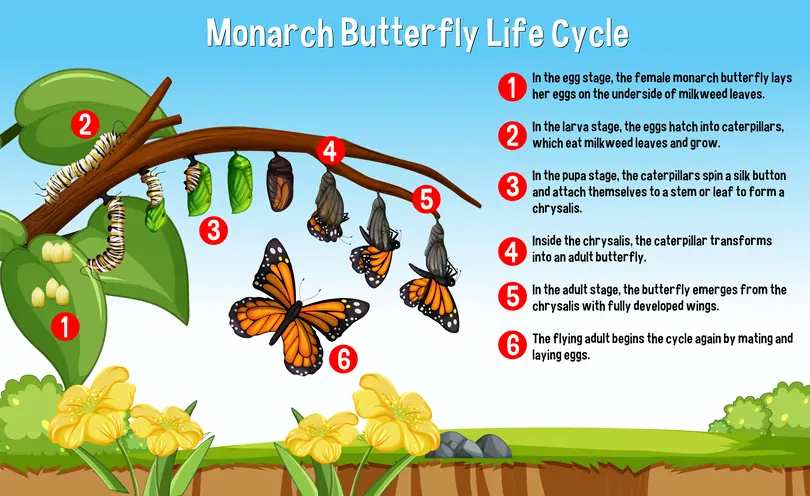
- Butterfly Metamorphosis: Obtain a caterpillar kit and observe the incredible transformation into a butterfly. Use spring coloring page and printables to track the stages: egg, larva (caterpillar), pupa (chrysalis), and adult butterfly. This is a classic example of animal life cycles.
- Frog Life Cycle: Visit a local pond or stream to look for frog eggs (frogspawn) or tadpoles. Observe their development into frogs over several weeks. Create a “Frog Life Cycle” printable to record observations.
- Bird Nesting Habits: Watch for birds building nests. Observe from a distance as they lay eggs and care for their young. Discuss how birds use materials from their environment to create homes. (Remember to observe without disturbing!)
- Insect Investigation: Turn over rocks or logs to find insects like ladybugs, worms, or beetles. Discuss their roles in the ecosystem and, if possible, research their life cycles using books or online resources.
- Weather Journaling: Create a simple weather chart using a printable. Each day, record the temperature, cloud cover, precipitation, and wind direction. Children can draw or use symbols to represent the weather.
- Rainfall Measurement: Set up a rain gauge in your yard. Children can collect and measure rainfall after spring showers, discussing how rain helps plants grow and fills streams.
- Cloud Watching: Lie on the grass and observe different cloud formations. Discuss types of clouds (cumulus, stratus, cirrus) and what they might indicate about upcoming weather.
- Wind Direction & Speed: Make a simple windsock or use ribbons to observe wind direction and strength. Discuss how wind helps spread seeds and influences weather patterns.
- Nature Walks & Scavenger Hunts: Regular walks in different natural settings (park, forest, backyard) can reveal new discoveries. Create themed scavenger hunts: “Find something soft,” “Find something green,” “Find a feather,” “Find a budding leaf.”
- Creating a Nature Collection: Encourage children to collect natural treasures (leaves, interesting rocks, fallen seeds, pinecones – ensuring they are not protected or alive). Use these items for art projects, sorting, or closer examination with a magnifying glass.
- Building a Bug Hotel or Fairy Garden: This project combines creativity with ecological understanding. Children can gather natural materials to create a habitat for insects, or design a miniature garden for imaginary creatures, fostering a sense of stewardship.
- Sensory Exploration: Dedicate time for children to simply sit quietly and observe. What do they hear (birds, wind, insects)? What do they smell (flowers, damp earth)? How does the sun feel on their skin? This deepens their connection to nature.
- Observation Logs: Use printables with spaces for drawing and writing to record daily observations of plant growth, animal life cycles, or weather changes. This encourages detailed attention and develops journaling skills.
- Life Cycle Diagrams: Pre-designed printables illustrating the stages of a butterfly, frog, or plant life cycle help children visualize and correctly sequence the transformations they are observing.
- Nature Scavenger Hunt Checklists: Printables make scavenger hunts organized and exciting, guiding children to look for specific items or phenomena.
- Identification Guides: Simple printables can help identify common spring flowers, trees, birds, or insects, adding a layer of scientific classification to your outdoor learning.
- Creative Expression: Spring coloring page and printables allow children to color scenes of spring, reinforcing recognition of plants, animals, and seasonal elements in a fun, artistic way.
- Plant Transpiration Experiment: Place a plastic bag over a leaf on a tree branch and seal it. Observe how water vapor collects in the bag, demonstrating how plants release water.
- Soil Composition Test: Collect soil samples from different areas (garden, forest, sandy spot). Place each sample in a jar with water, shake, and let settle. Observe the layers of sand, silt, clay, and organic matter.
- Mini-Ecosystem in a Jar: Create a small terrarium or ecosphere in a sealed jar with soil, moss, small plants, and perhaps a few tiny insects (collected responsibly). Observe the closed system over time.
- Floating Seeds Experiment: Collect various seeds and test which ones float and which sink. Discuss how water helps disperse seeds, relating it to plant growth.
- Be Consistent, Not Rigid: Aim for regular nature time, but don’t feel pressured to follow a strict schedule. Some days might be short observations, others longer explorations.
- Encourage Journaling: Provide a dedicated nature journal (store-bought or simple notebook) for drawings, notes, pressed leaves, and even small poems. This builds observation and writing skills.
- Ask Open-Ended Questions: Instead of lecturing, ask questions like, “What do you notice?” “What do you wonder about that?” “Why do you think that happened?”
- Utilize Resources: Supplement your outdoor learning with field guides, nature documentaries, and library books. Websites like National Geographic Kids can offer additional inspiration and information.
- Embrace All Weather: Don’t let a little rain deter you! Puddle jumping and observing creatures in wet conditions can be just as enriching as sunny days. Just dress appropriately.
- Connect to Other Subjects: Link your nature study to art (sketching, painting), language arts (writing poems, stories), and even math (measuring plant growth, counting insects).
Observing plant growth firsthand teaches children about germination, photosynthesis, and the essential needs of plants (sunlight, water, soil). It’s a powerful demonstration of life’s continuous cycle.

Discovering Animal Life Cycles: Butterflies, Frogs, and Birds
The animal kingdom also provides spectacular life cycle lessons during spring. From insects to amphibians and birds, many creatures are undergoing significant transformations or beginning new families. These are prime kids science activities for any homeschool nature study.
Engaging with Animal Life Cycles:
These activities provide a concrete understanding of animal life cycles, demonstrating the diversity of life and the amazing ways creatures adapt and grow.

Exploring Weather Changes and Their Impact
Spring is a season of dynamic weather changes, offering a fantastic opportunity to study meteorology in action. From sunny days to sudden showers, the weather directly influences plant and animal behavior, making it a crucial part of outdoor learning and kids science activities.
Activities for Observing Spring Weather:
Understanding weather changes helps children connect cause and effect in nature, realizing how environmental factors shape the world around them. It’s a key component of a robust homeschool nature study.
Hands-On Outdoor Learning: Making Nature Your Classroom
The heart of homeschool nature study lies in getting outside and engaging directly with the environment. Outdoor learning provides tactile, sensory experiences that solidify concepts learned from books and printables.
Engaging Outdoor Learning Activities:
For more ideas on integrating nature into your daily routine, consider exploring resources on the benefits of outdoor education for kids. Engaging in outdoor learning regularly builds resilience, creativity, and a lifelong love for the natural world.
Enhancing Learning with Spring Nature Study Printables
While hands-on experience is paramount, spring coloring page and printables are invaluable tools for enhancing and documenting your homeschool nature study. They provide structure, reinforce learning, and offer creative outlets for children to process their observations.
How Printables Elevate Your Nature Study:
These resources transform fleeting observations into lasting knowledge and treasured keepsakes. They are perfect for quiet reflection after an invigorating outdoor adventure.
Creative Kids Science Activities for Deeper Engagement
Beyond simple observation, spring offers a wealth of opportunities for hands-on kids science activities that delve deeper into natural phenomena. These experiments make learning interactive and memorable.
Simple Spring Science Experiments:
These kids science activities encourage children to ask “why” and “how,” fostering a scientific mindset and a deeper understanding of ecological principles.
Tips for a Successful Spring Nature Study
To make your homeschool nature study truly impactful and enjoyable, consider these practical tips:
Embrace the Wonders of Spring with Your Homeschoolers
Spring is a season of profound beauty and boundless educational opportunities, especially for homeschool nature study. By engaging in hands-on outdoor learning and exploring the intricate patterns of life cycle lessons, you’re not just teaching science; you’re cultivating a lifelong love for learning and a deep connection to the natural world. From observing the miracle of plant growth to tracking diverse animal life cycles and understanding the fascinating rhythm of weather changes, every moment spent in nature is a lesson in itself.
Remember that the journey of discovery is just as important as the destination. Embrace the unexpected, encourage curiosity, and celebrate every small observation. To help you kickstart your spring adventures and add an extra layer of engagement to your kids science activities, we’ve prepared a collection of delightful resources.
Download your free spring nature study printables today! These spring coloring page and printables are designed to complement your explorations, making your homeschool nature study even more organized, educational, and fun. Let the blooming adventures begin!


0 Comments