
Blooming Minds: Engaging Spring Nature Study Activities for Homeschoolers
As the chill of winter recedes and the world awakens in a symphony of green, spring heralds a perfect opportunity for hands-on learning right outside your door. For homeschooling families, this vibrant season is an invitation to transform your backyard, local park, or even a windowsill into a dynamic classroom. Imagine your children’s delight as they witness a tiny seed sprout, a caterpillar transform, or discover the intricate patterns of a budding flower. Spring nature study is more than just observing; it’s about fostering curiosity, connecting with the natural world, and bringing science to life in the most enchanting way possible.
This article will guide you through a treasure trove of spring nature study activities, focusing on captivating life cycle lessons, exhilarating outdoor learning adventures, and how delightful spring coloring page and printables can elevate the experience. We’ll explore everything from the wonders of plant growth to the fascinating animal life cycles and the ever-changing weather changes that define this season of renewal. Get ready to inspire your young scientists with engaging kids science activities that will make this spring an unforgettable journey of discovery for your homeschool!

Why Spring is the Perfect Season for Homeschool Nature Study
Spring is a time of incredible transformation and growth, making it an ideal period for deep dives into nature’s wonders. After the quiet dormancy of winter, the world bursts with new life, offering a constant stream of fresh observations and learning opportunities. For homeschool nature study, this means unparalleled access to real-time scientific phenomena.
The mild temperatures and longer daylight hours encourage families to spend more time outdoors, directly engaging with their environment. Children can witness firsthand the subtle shifts in temperature, the emergence of new buds, and the return of migratory birds. This sensory-rich experience helps cement abstract concepts into tangible realities, making learning more meaningful and memorable. It’s not just about reading in a textbook; it’s about seeing, touching, smelling, and hearing the lessons unfold around them.

Unveiling Life Cycles: From Seed to Sprout and Beyond
One of the most profound aspects of spring is the observable cycle of life. From tiny seeds to majestic trees, and from minuscule eggs to fully developed creatures, the natural world offers countless life cycle lessons that are both awe-inspiring and foundational to biological understanding.

Witnessing Plant Growth: The Magic of Germination
The plant growth cycle is perhaps the easiest and most rewarding life cycle to observe with children. It starts with a humble seed and culminates in a thriving plant, often bearing fruit or flowers.
- Bean in a Jar Experiment: A classic for a reason! Place a bean seed between a wet paper towel and the side of a clear jar. Kids can watch the roots emerge and the shoot grow daily. This simple setup vividly demonstrates germination and early root development.
- Seed Dissection: Gently open a large bean seed (soaked overnight) to reveal the embryo, cotyledons, and seed coat. Discuss the function of each part.
- Planting a Garden: Even a small container garden allows children to experience the full cycle: planting seeds, watering, observing growth, and eventually harvesting. This hands-on activity teaches responsibility and patience while illustrating the fundamental needs of plants.
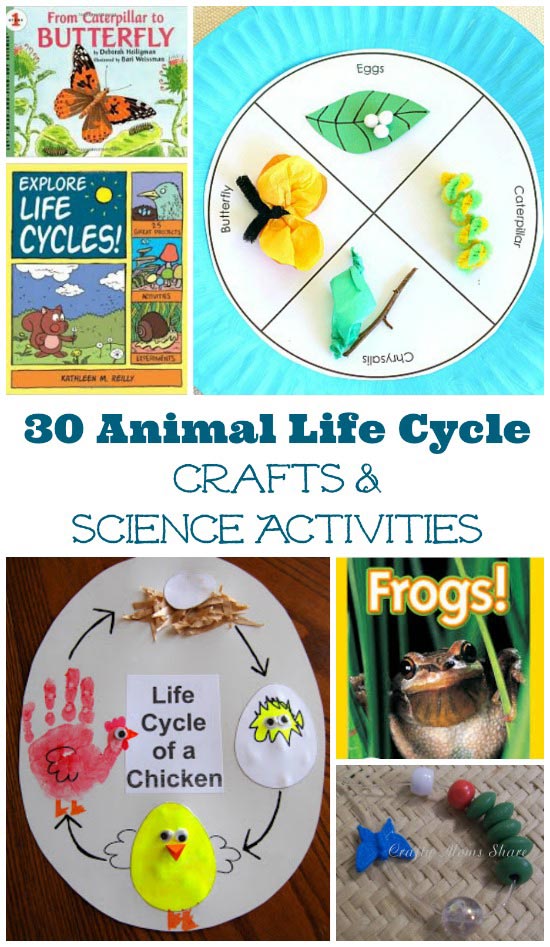
- Butterfly Garden: Raising butterflies from caterpillars is an unforgettable experience. Kits are readily available, allowing children to observe the entire metamorphosis from larva to pupa to adult butterfly. This provides a tangible, up-close look at one of nature’s most dramatic transformations.
- Tadpole to Frog Transformation: If you have access to a pond or stream, collecting tadpoles (responsibly and with proper permits, if necessary) and observing their development into frogs can be a fascinating project. Discuss the stages: egg, tadpole, froglet, and adult frog.
- Bird Nesting Observations: Spring is prime nesting season. Observe local birds building nests, laying eggs, and raising their chicks from a respectful distance. Use binoculars to get a closer look without disturbing them. Create a bird identification guide to track different species.
- Sensory Nature Walk: Encourage children to use all five senses. What new sounds do they hear? What new smells are in the air? What textures can they feel (tree bark, soft moss, smooth pebbles)? What colors are emerging?
- Spring Scavenger Hunt: Create a list of spring-specific items for children to find: a budding leaf, a dandelions, a feather, a smooth stone, a worm, a bird’s nest (empty), a specific type of flower. This is a fantastic way to engage their observation skills and introduce new vocabulary.
- Bug Hunts: Arm your kids with magnifying glasses and encourage them to gently observe insects in their natural habitats. Discuss their characteristics, where they live, and what they eat. Remember to emphasize gentle handling and returning creatures to their homes.
- Terrarium Project: A simple terrarium in a clear container allows children to see how plants and soil interact with moisture and light. They can observe condensation, plant growth, and even small invertebrates if added carefully.
- Worm Composting Bin: This is a fantastic way to teach about decomposition and the role of earthworms in soil health. Children can observe the worms breaking down food scraps and creating nutrient-rich compost.
- Life Cycle Diagrams: Use printables that illustrate the various stages of plant and animal life cycles. Children can color them, cut them out, and arrange them in the correct sequence. This visual reinforcement helps solidify their understanding.
- Nature Journaling Prompts: Printables with guided prompts encourage children to draw what they see, write down their observations, and record data (like weather or plant height). This develops scientific sketching, writing, and data collection skills.
- Identification Guides: Printable guides for local birds, flowers, trees, or insects can turn any walk into a focused identification mission. Children can check off what they find, learning names and characteristics along the way.
- Scavenger Hunt Checklists: As mentioned earlier, printables make scavenger hunts organized and fun, ensuring children are actively looking for specific items.
- Weather Chart: Create a simple chart to record the daily temperature, precipitation (rain, sun, clouds), and wind direction. Use symbols and colors to make it engaging for younger children.
- Cloud Observation: Learn about different cloud types (cumulus, stratus, cirrus) and discuss what kind of weather each might predict.
- Rain Gauge: Build a simple rain gauge from a plastic bottle to measure rainfall. This introduces concepts of measurement and data collection.
- Pollinator Garden: Plant flowers that attract bees, butterflies, and other pollinators. Observe their activity and discuss their crucial role in plant reproduction and ecosystem health.
- Insect Hotel: Build a simple insect hotel using hollow stems, bamboo, and wood. This provides habitat for beneficial insects and a fascinating observation point.
For further exploration into plant parts and their functions, consider using an internal resource like your site’s guide on plant anatomy.
Exploring Animal Life Cycles: Butterflies, Frogs, and Birds
Spring is teeming with examples of animal life cycles, offering incredible opportunities for observation and understanding metamorphosis and development. These kids science activities are often the most captivating for young learners.
These experiences teach children about adaptation, survival, and the interconnectedness of ecosystems. For more detailed information on various animal life cycles, a great external resource is National Geographic Kids which offers engaging content for children.

Embracing Outdoor Learning Adventures
The best classroom often has no walls. Outdoor learning in spring provides a multi-sensory experience that cannot be replicated indoors. It encourages exploration, critical thinking, and a deeper appreciation for the environment.
Nature Walks and Scavenger Hunts
Turn a simple walk into an educational adventure with targeted activities.
Building a Mini-Ecosystem
Create a small, contained ecosystem to observe interactions over time.
These activities foster a sense of wonder and encourage children to ask questions, leading to deeper scientific inquiry.
Enhancing Learning with Spring Nature Printables
While outdoor exploration is paramount, spring coloring page and printables can significantly enhance and extend the learning experience. They provide structure, reinforce concepts, and offer creative outlets for processing observations.
Ready to enhance your spring nature study? Click here to download our free collection of enchanting spring coloring page and printables, designed specifically for homeschooling families! These resources will help bring your life cycle lessons and outdoor learning adventures to life.
Beyond Life Cycles: Exploring Other Spring Wonders
Spring offers much more than just life cycles. It’s a season of dynamic change, providing endless opportunities for kids science activities that delve into various scientific concepts.
Tracking Weather Changes: A Daily Science Experiment
Spring weather is famously unpredictable, making it an excellent time to study meteorology. Observing weather changes daily helps children understand atmospheric conditions and their impact.
These activities connect science directly to daily life, showing children how scientific principles influence their immediate environment.
The Buzz About Insects and Pollinators
Spring brings out a plethora of insects, many of which are vital pollinators.
Conclusion: Cultivating Curiosity Through Spring Nature Study
Spring is a season of profound beauty and scientific marvels, offering an unparalleled opportunity for homeschool nature study. By embracing outdoor learning, delving into captivating life cycle lessons—from the wonders of plant growth to intricate animal life cycles—and observing the nuances of weather changes, you can ignite a lifelong love for science and the natural world in your children.
The integration of engaging kids science activities with supportive resources like spring coloring page and printables creates a rich, multi-faceted learning experience. These hands-on explorations not only teach scientific concepts but also foster observation skills, critical thinking, and a deep appreciation for the environment. So, step outside, breathe in the fresh spring air, and embark on an unforgettable journey of discovery with your family.
Don’t miss out on making this spring your most educational and exciting yet! Download your free spring nature study printables today and start exploring the incredible world right outside your door!


0 Comments