
Unleash Young Minds: Hands-On STEM Fun with Interactive Coloring Pages & Printables at Home
Are you searching for captivating ways to spark your child’s curiosity and lay a strong foundation for future learning, right from the comfort of your home? Imagine combining the simple joy of coloring with the exciting world of science, technology, engineering, and mathematics (STEM). This isn’t just wishful thinking; it’s the power of interactive STEM coloring page and printables, a fantastic resource for early learning STEM and homeschool science projects.
For homeschooling families and parents eager to enrich their child’s early education, hands-on education is a game-changer. It transforms abstract concepts into tangible experiences, making learning memorable and fun. While traditional coloring pages offer artistic expression, interactive STEM versions go a step further, challenging young minds with problem-solving for kids and introducing fundamental principles across science, technology, and math. This article will guide you through the incredible benefits of these engaging activities, show you how to find or create them, and provide practical tips to turn every coloring session into a thrilling scientific adventure. Get ready to watch your young scientists explore, discover, and thrive!

Why Hands-On STEM is Crucial for Early Learners
Young children are natural explorers, driven by an insatiable curiosity about how the world works. Early learning STEM capitalizes on this innate drive, providing structured opportunities for discovery. Unlike rote memorization, hands-on education allows children to manipulate objects, experiment with ideas, and see cause-and-effect relationships firsthand. This active engagement is vital for developing cognitive skills, fine motor control, and a lifelong love for learning.

Fostering Curiosity and Exploration
When children actively participate in learning, their curiosity is ignited. A simple STEM coloring page and printables activity that involves identifying parts of a plant, for instance, encourages questions like “Why are leaves green?” or “How does water get to the roots?” This inquisitive spirit is the bedrock of scientific thinking. By providing tools for exploration, even in a coloring format, we empower children to ask questions and seek answers independently.
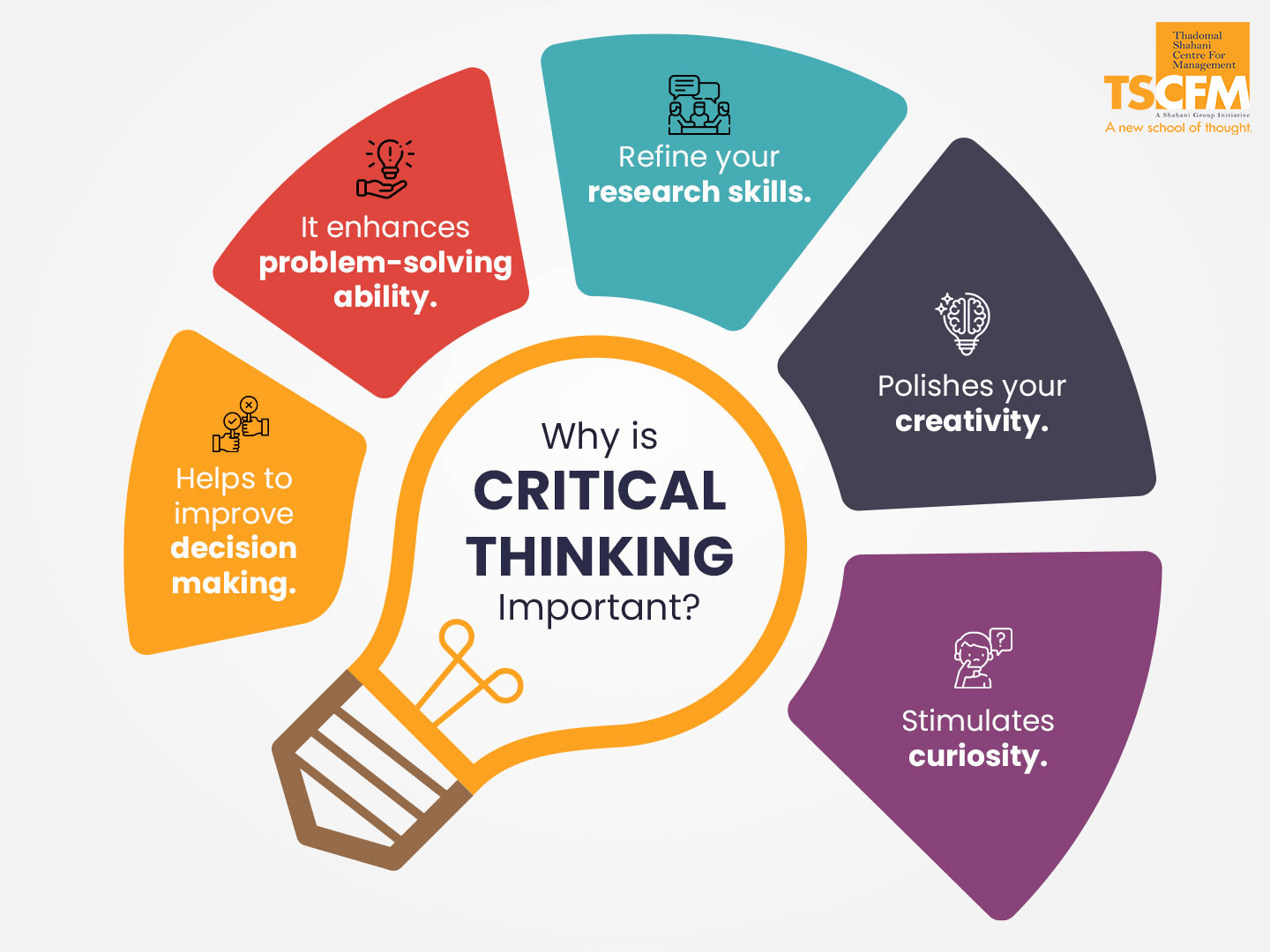
Developing Critical Thinking and Problem-Solving Skills
Problem-solving for kids isn’t just about complex equations; it starts with simple challenges. An interactive coloring page might ask a child to trace the path of water through a pipe system or match different animal habitats. These tasks require observation, analysis, and logical reasoning. Through trial and error, children learn to think critically, evaluate options, and arrive at solutions, skills that are invaluable in all areas of life and crucial for mastering science, technology, and math.

Building a Strong Foundation for Future Learning
Introducing STEM concepts early on demystifies these subjects, making them less intimidating as children progress through school. When a child understands the basic principles of gravity by observing a falling object or grasps geometric shapes through an engaging coloring activity, they build a robust mental framework. This early exposure to hands-on education not only boosts confidence but also creates a solid foundation for more advanced studies in science, technology, engineering, and math.

What Makes a STEM Coloring Page “Interactive”?
An interactive STEM coloring page is far more than just an outline to fill with color. It’s a dynamic learning tool that encourages engagement, critical thinking, and discovery. These pages transform passive coloring into an active learning experience, making them perfect for homeschool science projects and enriching early learning STEM.
Beyond the Crayons: Engaging Activities
True interactive STEM coloring page and printables incorporate elements that require children to think, categorize, and even perform simple actions. Here are some examples:
- Labeling and Identification: After coloring a diagram of the human heart, children might label its chambers or identify the different types of blood vessels.
- Matching Games: Color various planets, then match them to their names or characteristics on the page.
- Sequencing Activities: Color the stages of a butterfly’s life cycle, then cut them out and arrange them in the correct order.
- Simple Mazes and Puzzles: Guide a bee to a flower, or a rocket to the moon, reinforcing spatial reasoning and problem-solving for kids.
- Cut-and-Paste Elements: Color different gears, then cut them out and arrange them to make a working system, introducing basic engineering concepts.
- Science: Explore the natural world by coloring and identifying different types of leaves, parts of an animal, or phases of the moon. Pages might depict ecosystems, weather phenomena, or even simple chemistry reactions (like mixing colors to create new ones).
- Technology: Introduce basic concepts like simple machines (levers, pulleys) by coloring and tracing their functions. Pages could feature early robots, circuits (color the path of electricity), or binary code patterns.
- Engineering: Focus on design and structure. Children might color different bridge designs, building blocks, or even simple architectural plans, understanding how things are put together.
- Math: Integrate counting, number recognition, patterns, and geometric shapes. A coloring page might require coloring a certain number of objects, identifying different polygons, or following a pattern to reveal an image. This makes learning math fun and visual.
- Add Questions: Write simple questions related to the image at the bottom of the page (e.g., “What does this animal eat?” or “How many wheels does this car have?”).
- Create a Scavenger Hunt: Ask your child to find and color all the circles, or count how many trees are on the page.
- Incorporate a “Color by Code”: Assign numbers or symbols to different colors, and have them reveal a hidden picture or concept. For example, color all the even numbers blue and odd numbers red.
- Extend the Activity: After coloring a picture of a flower, suggest going outside to find a real one and compare its parts.
- Cut and Assemble: Print a simple diagram of a cell or a robot, have your child color the parts, then cut them out and glue them onto another sheet to build the complete structure. This actively engages their problem-solving for kids skills.
- Enhances Fine Motor Skills: The act of grasping crayons, coloring within lines, and performing cut-and-paste activities significantly strengthens hand-eye coordination and dexterity, which are crucial for writing and other tasks.
- Boosts Creativity and Imagination: While guided, these activities still allow for personal expression through color choices and imaginative interpretation, fostering a creative mindset alongside scientific thinking.
- Encourages Independent Learning: Once introduced, many children can engage with interactive coloring pages on their own, fostering self-reliance and the ability to follow instructions, key components of problem-solving for kids.
- Reduces Screen Time: In an increasingly digital world, these printables offer a valuable alternative to screens, providing engaging, educational content in a tactile format.
- Makes Learning Fun and Accessible: By blending play with education, STEM coloring pages make complex concepts approachable and enjoyable, reducing any potential anxiety about science, technology, and math.
- Supports Different Learning Styles: Visual learners benefit from the diagrams, kinesthetic learners from the hands-on manipulation, and auditory learners can benefit from discussions prompted by the pages.
- The Plant Life Cycle Adventure: Imagine a coloring page depicting the stages of a plant’s growth – seed, sprout, seedling, mature plant. Your child colors each stage, then labels them (using a word bank provided on the page). To make it truly interactive, they might cut out the stages and glue them in the correct sequence. The real-world extension? Plant a bean seed in a cup and observe its growth daily, connecting the drawing to actual science.
- Simple Machine Blueprint: A page showcasing different simple machines like a lever, pulley, or wheel and axle. Children color each machine, then draw an arrow indicating how it helps move an object or makes work easier. For an engineering challenge, they could then try to build a simple lever with a ruler and a pencil, experiencing the technology firsthand and engaging in problem-solving for kids.
- Constellation Explorer: A coloring page featuring several constellations with dotted lines connecting the stars. Your child colors the stars and traces the lines to reveal the constellation shape. The interactive element could involve matching the constellation to its name or a mythical figure. At night, you could then go outside and try to spot the colored constellations in the sky, turning a math concept (connecting dots) into an astronomical science lesson.
- Geometric City Design: A coloring page with outlines of various geometric shapes (squares, triangles, rectangles). Children color each shape and then cut them out. The challenge is to arrange and glue these shapes onto another piece of paper to create a city skyline or a house, fostering creativity and understanding of math in design and engineering principles.
- Be a Guide, Not an Answer Key: Instead of giving away answers, ask open-ended questions like, “What do you think happens next?” or “Why do you think that part is important?” This encourages independent thinking and problem-solving for kids.
- Encourage Discussion: Talk about what your child is coloring. “What colors are you using for the ocean? Why?” “What do you know about fish?” These conversations deepen understanding and build vocabulary related to science, technology, and math.
- Extend the Activity: Always look for ways to take the learning beyond the page. If coloring a page about weather, watch a weather report or make a simple rain gauge. If it’s about numbers, count objects around the house.
- Celebrate Effort, Not Just Perfection: Focus on the learning process and the effort your child puts in, rather than how neatly they colored or if they got every answer right. Positive reinforcement builds confidence in their early learning STEM journey.
- Create a Dedicated STEM Corner: Designate a special spot in your home for these activities, equipped with crayons, markers, scissors, glue, and a stack of STEM coloring page and printables. This creates an inviting space for exploration.
Alt Text: A young child joyfully coloring an interactive STEM page depicting planets and stars, surrounded by crayons.Alt Text: Close-up of hands coloring a STEM printable showing the life cycle of a plant, with labels to fill in.Alt Text: A family gathered around a table, engaged in a hands-on homeschool science project using STEM coloring pages.Alt Text: Various colorful STEM coloring pages laid out, featuring diagrams of simple machines, geometric shapes, and animal habitats.[Anchor Text: Our Guide to Easy Science Experiments] (Link to: /easy-science-experiments-for-kids)[Anchor Text: Benefits of Play-Based Learning] (Link to: /benefits-of-play-based-learning-for-kids)[Anchor Text: Developing Problem-Solving Skills in Children] (Link to: /developing-problem-solving-skills-children)[Anchor Text: NASA Kids' Club] (Link to: https://www.nasa.gov/kidsclub/)(Opens in new window)[Anchor Text: National Geographic Kids] (Link to: https://kids.nationalgeographic.com/)(Opens in new window)[Anchor Text: PBS Kids STEM Resources] (Link to: https://pbskids.org/games/stem/)(Opens in new window)- Facebook/LinkedIn: “Transform coloring time into learning time! Discover how interactive STEM coloring pages can spark curiosity and build crucial skills for young scientists at home. #STEMforKids #HomeschoolScience #EarlyLearning”
- Twitter: “Unlock hands-on STEM fun with interactive coloring pages! Perfect for early learners & homeschooling families. Dive into science, tech, engineering & math with engaging printables. #STEM #KidsActivities #Homeschool”
- Pinterest: “Pin this! Creative ideas for interactive STEM coloring pages & printables for young scientists. Easy homeschool science projects and hands-on education for problem-solving kids. #STEMactivities #KidsCrafts #LearningAtHome”
Integrating Science, Technology, Engineering, and Math (STEM)
Each component of STEM can be cleverly woven into these activities:
Designing Your Own STEM Coloring Adventures at Home
You don’t need to be an expert educator to bring hands-on education to life with STEM coloring. There are abundant resources and simple strategies to create engaging homeschool science projects and more.
Finding Ready-Made STEM Coloring Printables
The internet is a treasure trove of educational resources. Many websites offer free or affordable STEM coloring page and printables specifically designed for early learning STEM. Look for platforms from educational publishers, museums, or non-profit organizations dedicated to science education. A quick search for “free STEM printables for kids” or “science coloring pages for preschoolers” will yield many options. Consider sites like NASA Kids’ Club for space-themed activities or reputable educational blogs for diverse topics.
DIY Interactive Elements: Simple Ideas for Big Impact
You can easily transform any standard coloring page into an interactive STEM experience:
Turning Everyday Objects into STEM Lessons
The learning doesn’t have to stop at the page! Use the coloring activity as a springboard for real-world exploration. If you colored a page about different types of leaves, go on a nature walk to collect actual leaves. If you colored a simple machine, try to find examples of that machine around your house. This connection between the abstract and the concrete reinforces learning and makes science, technology, and math feel relevant and exciting.
The Benefits of Integrating STEM Coloring into Your Homeschool Routine
Incorporating STEM coloring page and printables into your daily or weekly routine offers a multitude of advantages for young learners, enriching their educational journey through hands-on education.
Real-World Examples: Bringing STEM Coloring to Life
Let’s look at how specific interactive STEM coloring page and printables can transform learning into an exciting adventure, perfect for homeschool science projects.
Tips for Maximizing the Learning with STEM Coloring
To ensure your child gets the most out of these engaging activities, consider these friendly tips for your hands-on education approach.
Embark on Your STEM Adventure Today!
Interactive coloring pages are a wonderfully accessible and effective tool for nurturing young minds in science, technology, engineering, and math. They transform simple coloring into dynamic hands-on education, fostering curiosity, critical thinking, and essential problem-solving for kids. Whether you’re a homeschooling family looking for engaging homeschool science projects or a parent eager to enrich your child’s early learning STEM experience, these printables offer a world of discovery right at your fingertips.
By integrating these fun and educational activities into your routine, you’re not just providing a pastime; you’re building a strong foundation for future academic success and instilling a lifelong love for learning and exploration.
Ready to ignite your child’s inner scientist? Start your STEM adventure with our interactive coloring activities today!
—
Image Alt Text Suggestions:
Internal Link Suggestions:
External Link Suggestions:
Social Sharing Optimization:


0 Comments