
Coloring Pages and Printables for Homeschool Science: Wildlife Education About Animal Homes and Habitats
Introduce your young learners to the wonders of animal homes and habitats with hands-on coloring pages and printables designed for homeschool science. This friendly guide explains how to use printable resources to teach wildlife education, plan lessons, and create memorable learning experiences that make science fun.

Introduction: Why Coloring Pages and Printables Work for Homeschool Science (150–200 words)
Teaching wildlife education at home can be both joyful and highly effective when you use coloring pages and printables. Young children learn best through multisensory experiences: seeing, coloring, cutting, and assembling reinforces vocabulary, concepts, and curiosity. Color-rich printables help students visualize diverse animal habitats — from forests and wetlands to deserts and oceans — and link those habitats to the animals that live there. They also support cross-curricular learning by blending science with art, literacy, and critical thinking.
In this article you’ll find a complete toolkit: themed printable sets, suggested lesson plans, activity variations for different ages, assessment ideas, and tips for incorporating outdoor exploration. Whether you’re a seasoned homeschooling parent or just beginning your journey, these resources will help you make wildlife education both educational and fun.

How Coloring Pages and Printables Enhance Wildlife Education

Active Learning Through Art
Coloring encourages fine motor skill development while strengthening observation and pattern recognition. When children color an animal within its habitat, they’re comparing visual cues — such as fur, feathers, or camouflage — and learning why those features matter.
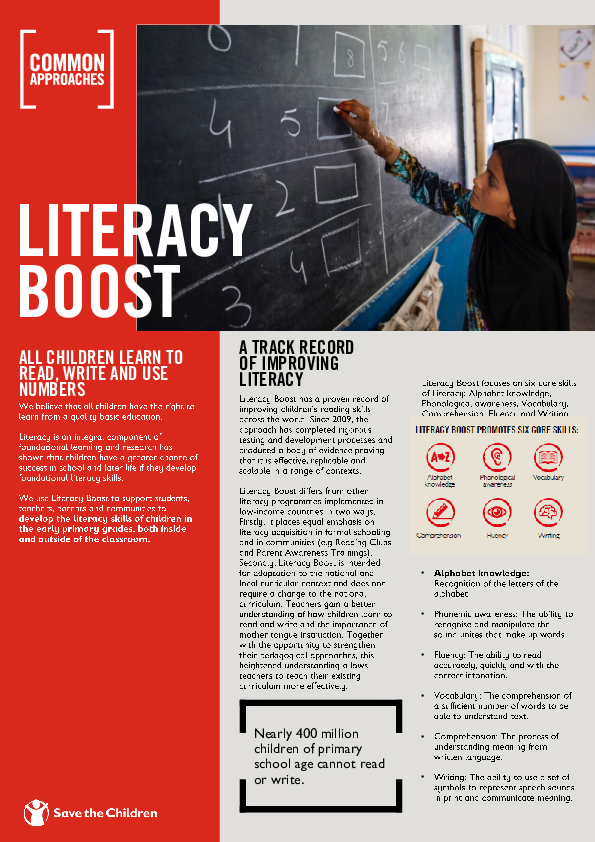
Vocabulary and Literacy Boost
Printables that pair images with labels (e.g., “burrow,” “nest,” “den”) expand vocabulary. You can include fill-in-the-blank or matching worksheets to reinforce spelling and reading skills while teaching science terms.

Supports Multiple Learning Styles
Visual learners gain from illustrated pages; kinesthetic learners benefit from cutting, pasting, and building dioramas; auditory learners do well when you add read-alouds or narration alongside printables.
Core Topics: Animal Homes and Habitats to Cover
- Types of habitats: forest, grassland, desert, wetland, freshwater, marine, tundra, urban
- Animal homes: nests, burrows, dens, hives, lodges, coral reefs, tree hollows
- Adaptations: camouflage, hibernation, migration, specialized diets
- Food webs and ecological interactions: predator/prey relationships, symbiosis
- Conservation basics: human impacts, habitat loss, simple stewardship actions
- Introductory visuals before a lesson
- Independent coloring tasks with a question sheet
- Assessment tools: ask students to color animals according to their adaptations or diets
- Focus: basic recognition — matching animals to homes
- Tools: single-page coloring sheets, large cutouts, sticker activities
- Time: 15–25 minutes per activity
- Assessment: ask simple questions (“Where does the rabbit live?”) and observe responses
- Focus: habitats and simple adaptations
- Tools: sorting worksheets, labeling activities, memory games
- Time: 20–40 minutes per lesson
- Assessment: short written or oral responses; have students explain why an animal belongs in a habitat
- Focus: ecological relationships and conservation
- Tools: food web printables, research worksheets, longer diorama projects
- Time: 30–60 minutes; extended projects over multiple days
- Assessment: written reports, presentations, or multimedia slideshows using printable graphics
- Hook (5 min): Ask students where they sleep and compare to where animals sleep.
- Activity (15 min): Use cut-and-paste worksheet — students match animals to homes and color the page.
- Discussion (5 min): Ask why certain homes suit certain animals (insulation, protection).
- Extension (5 min): Give stickers or small craft materials to decorate the homes.
- Session 1: Choose habitat and color background printable (30–45 min).
- Session 2: Create 3D animal cutouts and arrange them in the shoebox (45–60 min).
- Session 3: Present diorama with a 2–3 minute explanation of food web and threats (15–30 min).
- Observation checklists during activities
- Short quizzes using printable cards
- Student reflections: one-paragraph explanation of an animal’s home
- Portfolio building: collect colored pages, photographs of dioramas, and recorded presentations
- Take a nature walk and use printable field sheets to record animal signs
- Start a simple habitat journal documenting seasonal changes
- Use digital printables for slide-based research projects about local wildlife
- Keep images clear and uncluttered; use high-contrast outlines for coloring
- Include large, readable fonts for labels and instructions
- Provide black-and-white and color versions (color versions can be used as answer keys)
- Offer multiple difficulty levels: beginner, intermediate, and challenge worksheets
- Add alt text and descriptive captions for any images you post online
- Print on heavier paper (cardstock) for cut-and-paste and flashcards
- Laminate frequently used printables for durability
- Use a paper trimmer and child-safe scissors for neat edges
- Organize printables in a binder with labeled dividers by theme and age
- homeschool curriculum — link from references to curriculum alignment
- free printables — link to your printable resource library
- wildlife conservation tips — link when discussing stewardship
- National Geographic Kids — habitat and animal profiles
- World Wildlife Fund — conservation resources
- Audubon Society — bird habitat and citizen science projects
- Provide large-print and high-contrast versions for visual impairment
- Create bilingual printables or include language support for emergent bilingual students
- Offer tactile alternatives (felt or textured pieces) for sensory learners
- Use culturally inclusive examples when discussing animals and habitats across regions
- Alt for habitat panorama: “Line drawing of a forest habitat with labeled trees, stream, and animals for coloring”
- Alt for cut-and-paste sheet: “Printable cut-and-paste worksheet showing animals and empty homes to match”
- Alt for diorama template: “Shoebox habitat diorama template with printable trees, animals, and background”
- 8 habitat panorama coloring pages (forest, desert, wetland, ocean, grassland, tundra, freshwater, urban)
- Animal homes cut-and-paste set (24 animals with homes)
- Life cycle sequencing pack (6 animals)
- Food web poster printable
- Diorama templates and assembly guide
- Field observation sheet and scavenger hunt
- Conservation pledge and stewardship checklist
- Keep sessions short and varied to match attention spans
- Mix independent work with group discussion and hands-on projects
- Celebrate creativity: display student work and host mini-exhibits
- Iterate printables based on what engages your learners most
Printable Resource Ideas and How to Use Them
1. Habitat Coloring Pages
Create or gather one-page coloring sheets that show a habitat panorama (e.g., a pond scene) populated with labeled animals and plants. Use them as:
2. Animal Homes Cut-and-Paste Worksheets
Provide worksheets where students cut images of animals and glue them into the correct home. Variations include sorting by habitat or by type of home (e.g., nest vs. burrow).
3. Matching Cards and Memory Games
Printable flashcards support games that reinforce recall: match an animal to its home, or match a habitat to the animals that live there. Turn cards face-down for a memory challenge to strengthen concentration.
4. Life Cycle and Seasonal Printables
Include sequencing cards for life cycles (egg → chick → adult) and seasonal behavior printables for topics like migration and hibernation. Younger learners can color and assemble the sequences; older students can write explanations.
5. Diorama and Habitat-Building Templates
Provide printable background scenes and 3D cutouts for animals to create shoebox dioramas. This tactile activity helps students visualize spatial relationships and microhabitats.
Age-Appropriate Activity Plans
Preschool (Ages 3–5)
Early Elementary (Ages 6–8)
Upper Elementary (Ages 9–11)
Lesson Plan Samples Using Printables
Lesson 1: Matching Animal Homes (30 minutes)
Lesson 2: Build a Habitat Diorama (2–3 sessions)
Assessment and Extension Activities
Assessment should be varied and low-pressure. Use a combination of the following:
Extension ideas to deepen learning:
Incorporating Technology and Printables
Combine digital and physical printables to meet diverse needs. Use editable PDF printables for older students who prefer typing. Integrate short educational videos or virtual tours of habitats, then follow up with printable worksheets reinforcing key points.
Digital tools also allow you to tailor printables: enlarge images for visually impaired students, create bilingual labels, or add audio narration for emergent readers.
Creating Your Own Printables: Tips for Quality and Accessibility
Sample Printable Pack Checklist
| Item | Purpose | Recommended Age |
|---|---|---|
| Habitat Coloring Pages | Introduce habitats visually | 3–8 |
| Animal Homes Cut-and-Paste | Sorting and categorizing | 4–9 |
| Life Cycle Sequencing Cards | Understanding growth and change | 6–11 |
| Food Web Printable | Ecological relationships | 8–12 |
| Diorama Template | Hands-on habitat building | 5–11 |
Real-World Examples and Case Studies
Case Study: Woodland Habitat Unit for a Mixed-Age Homeschool Co-op
In a six-week co-op, a teacher used a printable pack: woodland coloring pages, burrow vs. nest sorting sheets, and a food web poster. Younger children colored habitat scenes while older students researched local species and created food web diagrams. The culminating activity was a habitat fair where students set up stations with their dioramas and explained one conservation action families could take. Result: improved vocabulary retention and strong parent engagement. Assessment showed higher recall of terms when art was integrated with discussion.
Example: Urban Wildlife Mini-Unit
A family created a two-day unit focused on animals in cities. Printable scavenger hunt sheets guided an urban walk to spot pigeons, squirrels, and insects. Back home, students completed coloring pages and a matching worksheet linking animals to urban shelters (e.g., pigeons roosting, raccoons in attics). The activity emphasized human-wildlife coexistence and practical stewardship steps like secure trash storage.
Conservation and Stewardship: Teaching Responsibility Through Printables
Make conservation a natural part of wildlife education. Use printables that highlight threats (habitat loss, pollution) and simple stewardship actions (plant native species, reduce waste, make bird feeders). Include a printable pledge or checklist students can sign to commit to everyday conservation acts.
Practical Tips for Printing and Prep
Frequently Asked Questions (Optimized for Voice Search)
What are the best printables for teaching animal habitats?
Start with habitat panorama coloring pages, matching worksheets that pair animals with homes, and a simple food web printable. These provide visuals, hands-on sorting, and conceptual depth appropriate across ages.
How can I make wildlife education hands-on at home?
Combine indoor printables with outdoor observations. Use printable field sheets for neighborhood walks, create dioramas from printed templates, and apply printable research sheets for older students to document findings.
Are printable activities effective for multiple ages?
Yes. Design layered printables with increasing complexity: basic coloring pages for young children, labeled diagrams for elementary students, and research worksheets for older learners. Offer extension tasks to challenge older students.
SEO and Linking Recommendations
Internal link suggestions (anchor text recommendations):
Suggested authoritative external links (open in new window):
Accessibility and Inclusivity Considerations
Social Sharing and Classroom Engagement
Encourage families and students to share photos of finished printables and dioramas on social media. Use a consistent hashtag for community building (e.g., #HabitatPrintables or #HomeSchoolWildlife). Create a printable “share card” where students write a short caption and post the card alongside their project photo.
Image Alt Text Suggestions
Schema Markup Recommendation
Use Article schema with the following properties: headline, image, author, publisher, datePublished, and mainEntityOfPage. Add FAQPage markup for the FAQ section to increase chances of featured snippets.
Printable Resource Bundle: What to Include (Checklist)
Final Tips to Keep Learning Fun
Conclusion: Make Wildlife Education Memorable with Coloring Pages and Printables
Coloring pages and printables are powerful tools for homeschool science. They make abstract concepts concrete, support diverse learning styles, and open doors to curiosity about animal homes and habitats. By combining visual art, hands-on building, outdoor observation, and thoughtful assessment, you can create a rich wildlife education program that’s both educational and delightful.
Start with a small printable bundle—habitat coloring pages, a cut-and-paste animal homes sheet, and a simple food web poster—and expand as your students show interest. Encourage exploration, celebrate discoveries, and make conservation a natural outcome of learning. Your students will not only retain facts; they’ll develop a deeper appreciation for the animals and places that share our planet.
Call to Action
Download a free starter printable pack to begin your wildlife unit today, sign up for our newsletter for weekly homeschool science ideas, or explore more themed printable bundles in our resource library. Share your student projects using #HomeSchoolWildlife to join our community.


0 Comments