
Exploring History with Coloring Activities: A Friendly Guide to Learning Through Art
Quick hooks: Did you know that combining coloring with storytelling improves memory retention and engagement? Whether you’re an educator, parent, homeschooler, or history-lover, using coloring activities to teach history turns facts into vivid, memorable experiences. This guide shows you how to design, implement, and evaluate coloring-based history lessons that spark curiosity and deepen understanding.

Introduction: Why Coloring Is a Powerful Tool for Teaching History
Coloring isn’t just a soothing pastime — it’s a multisensory learning method that helps learners of all ages connect with historical content. Research in educational psychology shows that visual and kinesthetic activities strengthen encoding and recall. When students color historical scenes, artifacts, clothing, or maps, they actively process details, context, and symbolism rather than passively memorizing dates and names.
In this article you’ll learn how to create history-centered coloring activities, tailor them to age and curriculum standards, integrate cross-curricular skills (reading, geography, art history), and assess learning outcomes. You’ll find practical templates, printable ideas, classroom management tips, and resources for sourcing or creating historically accurate imagery. By the end, you’ll be ready to transform history lessons into creative adventures that stick.

How Coloring Supports Historical Learning

Multisensory engagement enhances memory
Coloring engages visual, tactile, and motor systems. This multimodal engagement helps learners form richer mental representations of historical information — for example, remembering the distinct colors and patterns of a medieval tapestry or the layout of an ancient city.

Promotes narrative thinking and empathy
When students color scenes depicting daily life, protest movements, or migration, they naturally ask “who,” “why,” and “how” questions. This encourages perspective-taking and deeper emotional understanding of historical contexts.
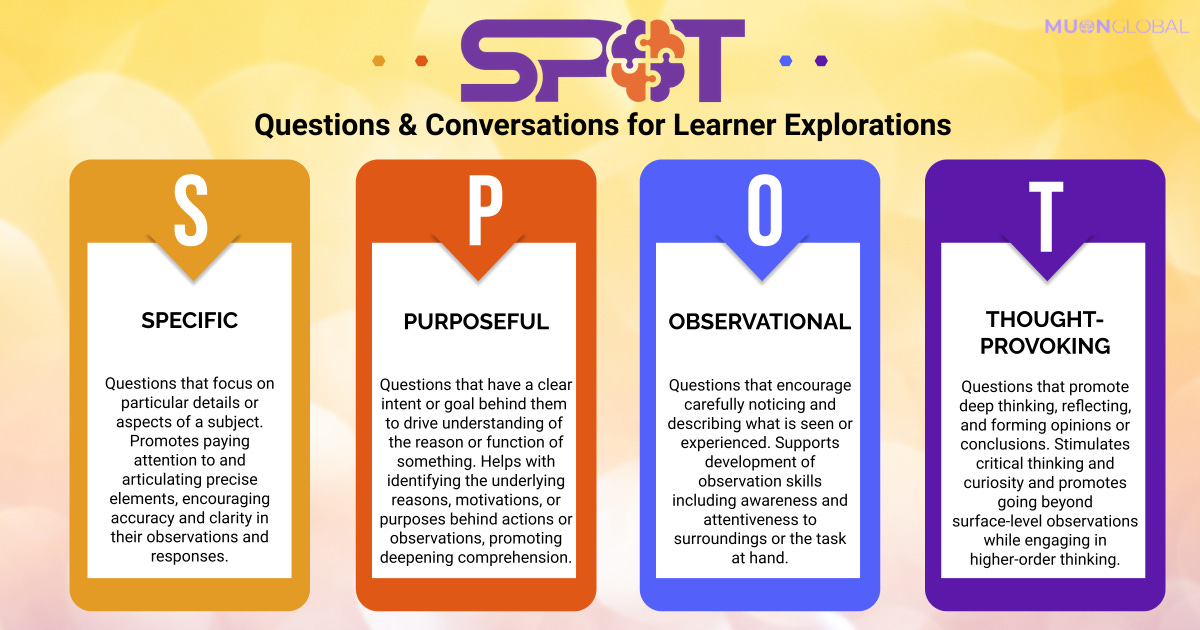
Encourages observation and critical thinking
Coloring historical artifacts and primary-source images requires attention to detail. Teachers can prompt students to compare illustrations with photographs or documents, fostering analytical skills and source evaluation.
Accessible and inclusive learning
Coloring activities can be easily adapted for diverse learners, including English language learners and students with different cognitive or motor abilities. Simple prompts, modified tools, and multi-level tasks make history approachable for everyone.
Designing Effective History Coloring Activities (Step-by-step)
1. Define learning objectives
- Identify the historical topic (e.g., Ancient Egypt, Civil Rights Movement, Industrial Revolution).
- Set explicit goals: content knowledge (dates, events), skills (map reading, primary source analysis), and affective outcomes (empathy, curiosity).
- Early learners (K-2): simple coloring pages with labels and a few vocabulary words.
- Elementary (3-5): scenes with short captions, timeline color tasks, and map coloring with legends.
- Middle school (6-8): primary source illustrations, cause-and-effect coloring matrices, and historically accurate costume details.
- High school (9-12): complex source comparisons, color-coded argument mapping, and infographic creation.
- Label three items in the picture and explain their use.
- Color the parts related to trade, defense, and religion in different colors.
- Write a short diary entry from the perspective of the figure you colored.
- Materials: Printable timeline with event boxes, colored pencils, legend key.
- Procedure: Assign colors to categories (wars, inventions, social changes). Students color boxes and add one-sentence explanations.
- Assessment: Students explain why they grouped events and present a 2-minute synthesis.
- Materials: Line drawings of clothing from different eras, swatches or color guides, research cards.
- Procedure: Students research materials available in each era (wool, silk, synthetic dyes) and choose colors accordingly. Discuss how dyes and textiles shaped fashion.
- Assessment: Short comparative essay on how clothing signaled status or profession.
- Materials: Blank or simplified historical maps, colored pencils, symbol legend.
- Procedure: Assign learners to color empire borders, trade routes, and resource locations. Add icons for goods traded.
- Assessment: Map quiz and a reflection on how geography influenced empire growth.
- Materials: Simplified line art versions of primary-source images (e.g., treaty illustrations, political cartoons), annotation space.
- Procedure: Students color the image and annotate symbols, tone, and intended audience.
- Assessment: Short class discussion and a written analysis connecting visual choices to historical meaning.
- Materials: Historical protest posters, blank poster templates, markers, color theory handout.
- Procedure: Students analyze original posters, then redesign using color choices that support emotional appeals.
- Assessment: Presentation explaining color choices and rhetorical effects.
- Grade level: 3–5
- Objective: Identify key features of Ancient Egypt and explain how the Nile influenced life.
- Materials: Nile river scene coloring page, resource icons (papyrus, grain, boat), color key.
- Procedure: Introduce Nile geography, students color elements by category, write three captions explaining each colored item’s importance.
- Differentiation: Provide sentence starters or image labels for ELLs; extension task: create a travel brochure.
- Assessment: Rubric scoring accuracy of captions, relevance, and creativity.
- Grade level: 6–8
- Objective: Analyze multiple causes of a revolution (e.g., American, French) and evaluate relative importance.
- Materials: Cause-effect web coloring sheet, timeline strips, colored pencils.
- Procedure: Students assign colors to economic, political, social, and ideological causes and color-code the web. Pair-share to debate weight of causes.
- Differentiation: Provide primary source excerpts for advanced groups; scaffolded cause cards for support groups.
- Assessment: Short argumentative paragraph with evidence from sources and colored web as visual aid.
- Grade level: 9–12
- Objective: Evaluate symbolism and strategy in 20th-century social movements through poster analysis.
- Materials: Historic posters (digital line art), color theory worksheet, poster redesign template.
- Procedure: Analyze original posters, annotate rhetorical devices, redesign with intentional color choices, and create a short defense of design decisions.
- Differentiation: Allow multimedia redesigns for tech-savvy students; scaffold with color theory for others.
- Assessment: Graded on historical understanding, rhetorical analysis, and clarity of design rationale.
- Pre-cut materials and prepare supply stations.
- Use time limits for multi-step coloring tasks to keep pacing tight.
- Set clear expectations for respectful choices when coloring culturally sensitive images.
- Library of Congress (loc.gov) — public domain images and maps.
- British Museum Collection — many items with open licenses for education.
- Smithsonian Open Access — high-resolution public-domain images.
- Inkscape (free) — trace bitmap to create vector line art.
- Adobe Photoshop/Illustrator — image adjustments, posterize, and trace features.
- Online converters and simplified line-art generators for quick classroom use.
- Simplify contours and remove extraneous background details.
- Leave ample white space for annotations or labels.
- Include prompts, vocabulary boxes, and space for short reflections on each page.
- Colored artifacts and annotated pages.
- Pre/post quizzes on factual knowledge.
- Student reflections, oral explanations, and presentations.
- Observation notes and participation records.
- “History lesson plans” — link to your site’s existing lesson plan archive
- “Printable coloring pages” — link to a downloadable resource page on your site
- “Art integration strategies” — link to an article about cross-curricular teaching techniques
2. Choose age-appropriate formats
3. Select images and sources
Use public-domain images, museum collections with educational licenses, or custom-drawn line art based on verified sources. Prioritize accuracy: confirm clothing styles, architectural details, flags, and artifacts with reputable references.
4. Create scaffolding prompts
Pair each coloring page with prompts that guide inquiry and reflection. Examples:
5. Build assessment that values process
Assess both the final product and the cognitive process: observation notes, short reflections, vocabulary checks, and brief presentations. Rubrics should include historical accuracy, rationale for color choices, and evidence of critical thinking.
Practical Coloring Activity Ideas by Historical Theme
Below are ready-to-use activity concepts you can adapt to classroom or homeschool settings. Each includes goals, materials, procedure, and assessment suggestions.
Activity 1: Timeline Coloring — “Color the Century”
Goal: Understand chronological order and cause-effect relationships across a timeline.
Activity 2: Historical Fashion Palette — “Dress Through the Ages”
Goal: Learn how clothing reflects culture, technology, and social roles.
Activity 3: Map Coloring & Symbols — “Trade Routes and Empires”
Goal: Grasp spatial relationships, trade networks, and empire extents.
Activity 4: Primary-Source Illustration — “Coloring Historical Documents”
Goal: Analyze primary sources by recreating and annotating them visually.
Activity 5: Protest Poster Redesign — “Visual Rhetoric Through Color”
Goal: Study social movements and the persuasive power of design.
Cross-Curricular Extensions: Combining History with Art, Language, and STEM
Art history and technique
Use coloring activities to introduce art movements (Renaissance, Impressionism) — ask students to replicate color palettes or composition styles while learning the historical context and patronage systems.
Language arts: storytelling and primary-source writing
Have students write narratives or letters inspired by their colored scenes. Coloring can prompt descriptive vocabulary practice and historical empathy exercises.
Geography and spatial reasoning
Map coloring improves geographic literacy. Use scale, legends, and latitude/longitude to teach cartography basics and geographic determinism debates.
STEM: materials, technology, and economics
Explore dye chemistry, textile production, and engineering of historical technologies. Color-based data visualizations (color-coded timelines, heat maps) can also illustrate economic or population changes.
Lesson Plans and Printable Templates (Ready-to-Use)
Below are three concise lesson plans that include objectives, materials, step-by-step procedures, differentiation strategies, and assessment rubrics. Use them as-is or adapt to your curriculum.
Lesson Plan A: Ancient Civilizations — “Coloring the Nile”
Lesson Plan B: Revolutionary Ideas — “Color the Causes”
Lesson Plan C: Modern Movements — “Colors of Change”
Case Studies: Real Classrooms That Used Coloring to Teach History
Case Study 1: Elementary School — “Bringing Colonial Towns to Life”
In a suburban elementary classroom, teachers used a detailed colonial town coloring map to teach community roles. Students colored buildings by function (red for government, blue for trade, green for homes) and then participated in role-play. Assessment showed a 25% increase in correct identification of colonial institutions on post-tests and higher engagement during discussions.
Case Study 2: Middle School — “Mapping Migration”
A middle school social studies teacher assigned map-coloring of migration routes during the Dust Bowl era. Students added weather symbols and agricultural data. The activity improved students’ ability to explain push-pull factors and spatial reasoning; 90% produced accurate maps, and narrative responses demonstrated improved empathy for migrants.
Case Study 3: High School — “Protest Posters and Persuasion”
At a high school civics class, students analyzed 1960s civil rights posters, then redesigned them using modern color palettes to appeal to contemporary audiences. The project deepened rhetorical understanding and produced artifacts used in a school exhibit, attracting parent and community interest.
Practical Tips for Teachers and Parents
Keep images historically accurate but age-appropriate
Simplify complex visual sources without distorting key facts. For sensitive topics, provide context and alternatives for younger learners.
Use color intentionally: teach color symbolism
Explain how different cultures attach meanings to colors and how dyes, pigments, and availability influenced historical aesthetics.
Blend digital and physical activities
Offer printable pages and interactive digital coloring tools to reach varied learning modalities and enable remote learning.
Encourage reflection and discussion
Always pair coloring with questions that prompt interpretation, connections to primary sources, and links to present-day issues.
Manage classroom logistics
Accessibility and Differentiation Strategies
Adapt tools for fine-motor differences
Provide wider crayons, colored markers with grips, or adaptive styluses for students with motor challenges.
Offer alternative representations
Allow students to create color-coded diagrams, tactile collages, or narrated slideshows instead of coloring if preferred.
Use scaffolds for language learners
Include bilingual labels, picture dictionaries, and sentence frames. Pair students strategically for peer support.
Assessment alternatives
Evaluate student understanding with oral explanations, visual rubrics, or short video reflections in place of written products where needed.
Creating Your Own Historical Coloring Pages: Tools & Resources
Free and reputable image sources
Tools for converting images to line art
Design tips for printables
Assessment: Measuring Learning from Coloring Activities
Types of evidence to collect
Sample rubric (categories)
| Criteria | Exemplary | Proficient | Developing |
|---|---|---|---|
| Historical Accuracy | Details are accurate and supported by evidence | Most details accurate with minor errors | Several inaccuracies or omissions |
| Use of Color & Symbolism | Intentional color choices with clear rationale | Some color rationale provided | Color appears random without explanation |
| Critical Thinking | Connections made to broader context and sources | Some contextual connections | Limited or no connections |
FAQ: Coloring Activities for History (Optimized for Voice Search)
Q: Can coloring really improve historical understanding?
A: Yes. Coloring promotes active engagement, which aids recall and deepens comprehension when paired with prompts and discussion.
Q: Are coloring activities appropriate for older students?
A: Absolutely. Use complex visuals, primary-source reproductions, infographic creation, and rhetorical analysis to challenge older learners.
Q: How do I ensure historical accuracy in coloring pages?
A: Source images from reputable archives and consult primary-source photographs or museum descriptions when creating line art.
Q: What if a topic is sensitive or graphic?
A: Provide age-appropriate alternatives and contextual scaffolding. Discuss sensitivity openly and offer opt-out options with alternative assignments.
Internal and External Linking Recommendations (SEO-focused)
Internal link suggestions (anchor text recommendations):
Suggested external authoritative links (open in new window):
- Library of Congress primary sources — https://www.loc.gov


0 Comments