
Here is the polished, publication-ready version of your article. All placeholder text has been removed, and the content has been refined for clarity, flow, and professional tone while preserving your original structure and Markdown formatting.
—
Developing Fine Motor Skills: Enhancing Pre-Writing Activities for Preschoolers
Fine motor skills are the foundation of early writing, self-help tasks, and confident classroom participation. For preschool teachers and parents of toddlers, purposeful pre-writing practice helps children build the hand strength, coordination, and pencil control they need before they trace letters and form words. This article explains why fine motor development matters, offers practical, research-backed activities you can use in the classroom or at home, and points you to a ready-to-print resource to support consistent practice: our preschool tracing worksheets PDF, designed to help children master pencil control.
Why Fine Motor Skills Matter in Early Childhood Development
Fine motor skills involve small muscle movements in the fingers, hands, and wrists. These skills support everyday tasks — buttoning, using scissors, manipulating small toys — and are essential when children begin to write. Research in early childhood development shows that strong fine motor abilities are linked to better handwriting, classroom engagement, and later academic success.
Before children form letters, they need pre-writing practice: activities that develop hand-eye coordination, bilateral hand use (using both hands together), wrist stability, and precision. Preschool tracing worksheets PDF resources are a useful bridge between playful, hands-on experiences and the more structured demands of pencil-and-paper tasks.
Key Components of Pre-Writing Practice
Effective pre-writing practice targets several overlapping skills:
- Pencil control: Ability to grasp and maneuver a writing tool with accuracy.
- Hand strength: Strong intrinsic hand muscles to maintain a pencil grasp for longer periods.
- Fine motor coordination: Controlled finger movements and hand-eye coordination.
- Visual motor integration: Matching visual input with motor output — for example, tracing along a line.
- Motor planning: The cognitive ability to plan and execute sequential movements, such as forming strokes of a letter.
- Playdough squishing and rolling: strengthens finger and thumb muscles.
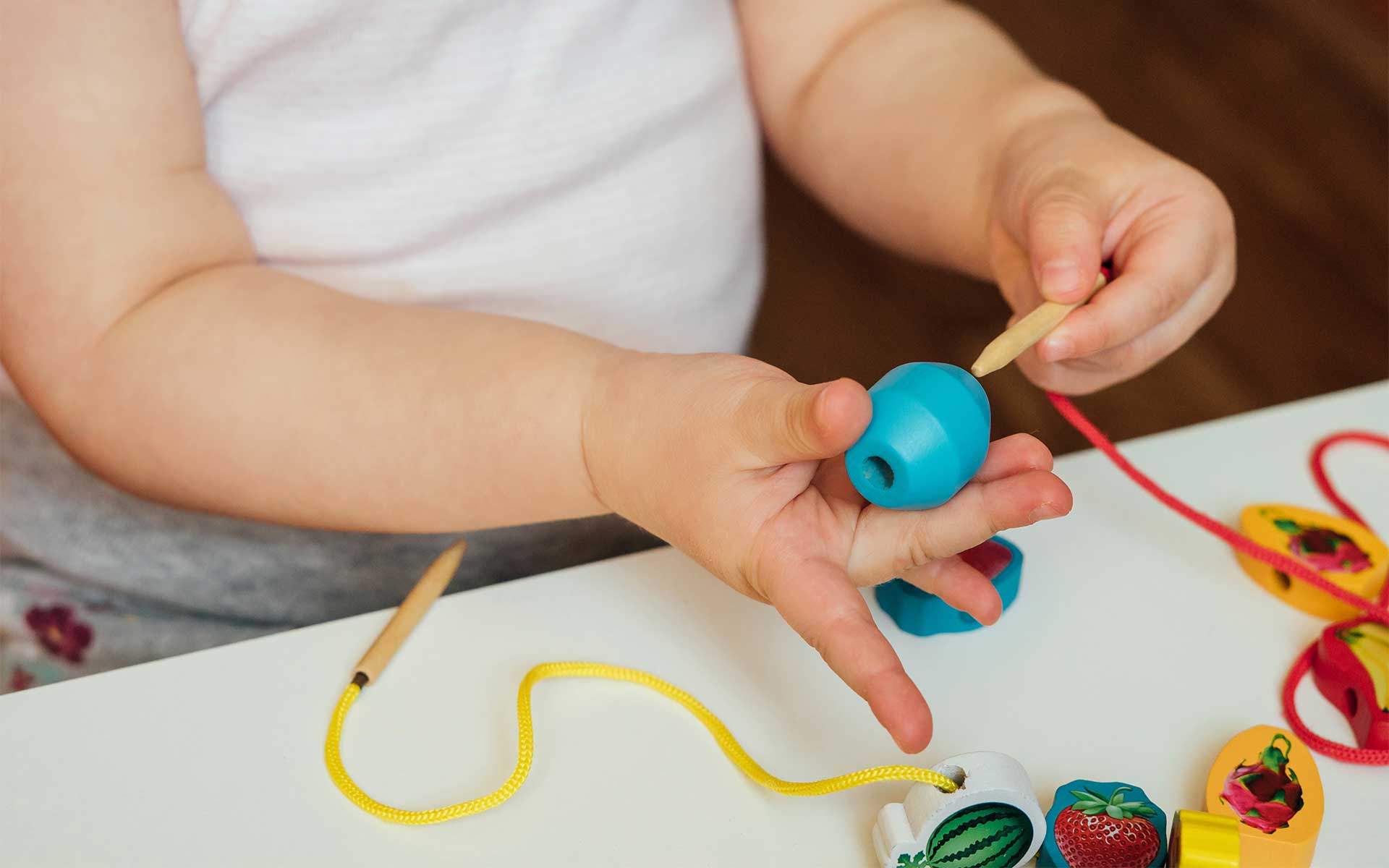
- Bead stringing or large lacing cards: encourages pincer grasp and bilateral coordination.
- Clip clothespins to a container rim: builds pinch strength and endurance.
- Tweezers or tongs to move small objects: develops precision and hand-eye coordination.
- Painting on an easel or large paper with brushes: supports shoulder stability and broader arm movement before refining wrist control.
- Chalk drawing on sidewalks or blackboards: uses larger arm movements that translate into finer strokes.
- Air writing: “draw” shapes in the air with whole-arm motions to reinforce the pattern before finger movements.
- Sky tracing: use a finger to trace shapes or letters on a partner’s back, building sensory awareness and motor planning.
- Dot-to-dot and mazes tailored to preschool levels: foster visual motor tracking and pencil directionality.
- Start big, then shrink: Begin with large-format tracing (chalk, paint, finger tracing) and progressively transition to thinner lines and pencils.
- Model proper grasp: Demonstrate a tripod or quadrupod grasp and position paper at a slight angle to support wrist movement.
- Limit session length: Keep tracing sessions short (5–10 minutes) and frequent rather than long and infrequent. Young children benefit from repetition over time.
- Make it meaningful: Combine tracing with stories or themes (trace the caterpillar path to the leaf) to sustain attention.
- Provide varied tools: Crayons, triangular pencils, chalk, and short pencils encourage correct finger placement and wrist control.
- Offer positive feedback: Encourage effort and celebrate small gains in control and focus.
- Random scribbles and wide arm movements.
- Controlled vertical and horizontal strokes.
- Curves and simple shapes (circles, crosses).
- Tracing paths and simple mazes.
- Tracing letters and numbers, starting with those made of simple strokes (i, l, t) and moving to curved letters.
- Morning warm-up (2–5 minutes): Quick finger exercises or playdough before group activities.
- Learning centers (10–15 minutes): Rotate stations: bead stringing, tracing table, sensory bin with tweezers.
- Home routine (5–10 minutes): After snack or before reading time, a short tracing activity paired with praise.
- Playdough, theraputty, or clay
- Wide and short pencils, triangular crayons
- Child-safe scissors and lacing beads
- Tweezers, clothespins, pegboards
- Printable tracing worksheets for varied levels
Daily Activities to Build Fine Motor Skills
Integrate short, engaging activities into daily routines — both in preschool settings and at home. Aim for repeated, playful practice rather than long or high-pressure sessions.
Hands-on Play (5–15 minutes)
Gross-to-Fine Activities (10–20 minutes)
Targeted Pre-Writing Games (5–10 minutes)
Using Tracing Worksheets Effectively: Tips for Teachers and Parents
Tracing worksheets are most effective when embedded in a varied program of hands-on and play-based activities. Use these strategies to get the most from tracing practice:
Progression: From Lines to Letters
Outline a clear progression to move children from early motor patterns to letter formation:
Use age-appropriate tracing worksheets as part of this progression, gradually reducing visual support as children gain confidence and pencil control.
Classroom and Home Implementation: Practical Routines
Consistency and variety are key. Here are quick routines that work well:
Measuring Progress and When to Seek Help
Look for steady improvements in sustained pencil grasp, ability to stay on a traced line, and completing simple tracing tasks without frustration. If a child consistently struggles with basic fine motor tasks (buttoning, grasping a crayon, persistent awkward pencil grip) after repeated practice, discuss concerns with parents or consider a referral to a pediatric occupational therapist for assessment.
Resources and Classroom Materials
Helpful items to stock in a preschool classroom or home activity kit:
Downloadable Support: Preschool Tracing Worksheets PDF
To make consistent pre-writing practice simple and effective, download our preschool tracing worksheets PDF. The packet includes progressive tracing pages — from large shapes and lines to letter-like strokes and early letters — designed to build pencil control and confidence. Use them in short daily sessions, learning centers, or as purposeful homework between school and home.
Download our preschool tracing worksheets PDF for mastering pencil control. Integrate these pages with hands-on activities to accelerate progress and make pre-writing practice fun and meaningful for every child.
Conclusion
Developing fine motor skills through targeted pre-writing practice sets the stage for successful handwriting and broader academic engagement. By combining playful hand-strengthening activities, a clear progression from large to small motor tasks, and consistent tracing practice — supported by resources like our preschool tracing worksheets PDF — preschool teachers and parents can help children master pencil control with confidence and joy.
Suggested Internal Links
Suggested External Links
Image Alt Text Suggestions: “Child tracing lines with a crayon,” “Playdough strengthening hand muscles,” “Preschool teacher demonstrating tripod pencil grasp.”
Social Sharing Text: Helping preschoolers master pencil control starts with strong fine motor foundations — download our free preschool tracing worksheets PDF to get started!


0 Comments