
Here is the polished, publication-ready version of your article. All placeholder text has been removed, and the content has been refined for clarity, flow, and professionalism while preserving your original structure and Markdown formatting.
—
Developing Fine Motor Skills: Enhancing Pre-Writing Activities for Preschoolers
Strong fine motor skills are the foundation of successful pre-writing practice and confident pencil control. For preschool teachers and parents of toddlers, helping children develop the hand strength, coordination, and precision they need is both rewarding and practical. This article explains why fine motor development matters, outlines age-appropriate activities you can use in the classroom or at home, and offers simple ways to measure progress. Along the way, you’ll find actionable tips, activity variations, and guidance on transitioning from gross-hand movements to refined pencil control. Ready to support the children in your care? Download our preschool tracing worksheets PDF for mastering pencil control.
Why Fine Motor Skills Matter in Early Childhood Development
Fine motor skills involve the small muscles of the hands and fingers and underpin many everyday activities: buttoning clothing, using scissors, manipulating toys, and—critically—writing. Before children can form letters reliably, they need:
- Hand strength and endurance
- Bilateral coordination (using both hands together)
- Finger isolation and dexterity
- Pencil grasp and control
- Visual-motor integration (linking vision and hand movement)
- 18–24 months: Scribbling with whole-arm movements
- 2–3 years: Controlled circular scribbles and simple vertical/horizontal strokes
- 3–4 years: Imitating lines and shapes, beginning to use thumb-index-middle finger grasp
- 4–5 years: Tracing basic shapes, drawing simple people, developing tripod grasp
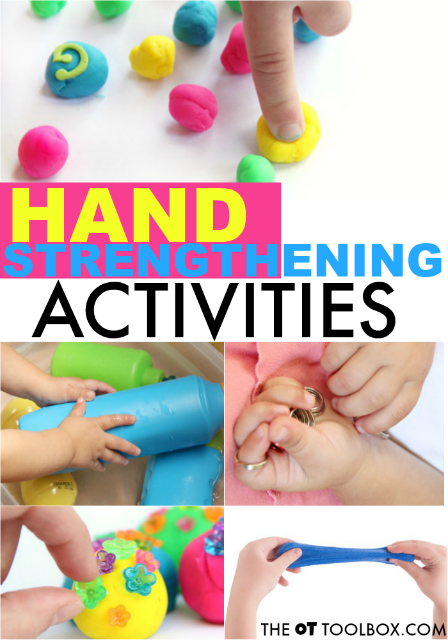
- Playdough play: Rolling, pinching, and flattening strengthens hand muscles. Use cookie cutters or encourage threading “snakes” through holes for bilateral coordination.
- Bead threading and lacing cards: Great for pincer grasp and hand-eye coordination. Use large beads for younger toddlers and smaller beads for preschoolers.
- Tweezers or clothespins: Moving pom-poms or paper shapes with tweezers builds pinch strength and control.
- Sticker tasks: Peeling and placing stickers helps finger isolation—ideal for short attention spans.
- Tracing shapes and lines: Start with thick-line tracings and gradually narrow lines as control improves.
- Tracing with alternative tools: Use chalk on sidewalks, finger tracing in sand, or tracing with a paintbrush dipped in water on construction paper for multisensory learning.
- Dot-to-dot paths: Simple dots to connect reinforce planning and pencil control before full letter formation.
- Sorting small objects: Sort buttons, coins, or colored pasta into compartments to refine precision.
- Puzzle assembly: Handling small pieces promotes visual-motor skills and bilateral coordination.
- Buttoning boards and zipper practice: Functional tasks translate directly to daily independence and dexterity.
- Start large: Use markers and large paper to make broad strokes using the whole arm.
- Introduce tools gradually: Move to crayons, then to thicker pencils, and finally regular pencils as grip improves.
- Encourage tripod grasp: Support correct finger placement with visual cues (stickers on the pencil) and finger strengthening games.
- Use guided tracing: Begin with wide, dotted lines, progress to narrower solid lines, then to independent copying.
- Offer purposeful practice: Short, focused sessions (5–10 minutes) are more effective than long, repetitive worksheets for this age.
- Start with simple shapes and straight lines before moving on to curves and diagonals.
- Use multisensory tracing—have children trace shapes with their finger in sand, then with crayons, then with pencils.
- Make tracing meaningful by linking to stories or themes (trace tree branches while reading a book about seasons).
- Celebrate small wins—sticker rewards or verbal praise reinforce effort and progress.
- Difficulty holding a pencil despite repeated practice
- Consistently poor line following or avoidance of fine motor tasks
- Excessive fatigue or frustration after short activities
- Integrate fine motor work into daily routines—snack time, dressing, and play transitions offer natural opportunities.
- Rotate materials—crayons, chalk, paintbrushes, and pencils keep motivation high.
- Create a “fine motor corner” with tactile bins, puzzles, and quick activities for children to choose independently.
- Model and narrate—show correct pencil hold and verbalize steps (“pinch with your thumb and finger, guide with your middle finger”).
- Keep sessions short and joyful—mastery comes through many small, successful repetitions.
Research and classroom experience show that focused pre-writing practice accelerates handwriting readiness, improves focus and confidence, and reduces frustration when formal writing begins.
Core Pre-Writing Targets and Milestones
Understanding typical developmental steps helps teachers and parents set realistic goals and tailor activities. Common milestones include:
These are general guides—individual children progress at different rates. The goal is consistent, engaging practice rather than rigid timelines.
Effective Pre-Writing Activities to Build Fine Motor Skills
Varying activities keeps children engaged while strengthening complementary skills. Below are practical, easy-to-set-up options for teachers and parents.
1. Play-Based, Low-Prep Activities
2. Guided Pre-Writing Practice
3. Fine Motor Games and Manipulative Play
Teaching Pencil Control: Strategies and Progressions
Pencil control develops through scaffolded steps. Use these progressions to help children move from gross motor strokes to confident letter formation.
Using Tracing Worksheets Effectively
Tracing worksheets can be a powerful tool when used thoughtfully. Choose worksheets that fit the child’s current abilities and keep activities varied.
Ready-made tracing resources save time and ensure gradual progression. Download our preschool tracing worksheets PDF for leveled practice that supports pencil control development from scribbles to shapes and early letters.
Monitoring Progress and When to Adapt
Regular observation helps you spot challenges early and adapt activities. Watch for:
If concerns persist, discuss them with parents and consider referral to an occupational therapist for further assessment. For most children, targeted, playful practice leads to steady improvement.
Tips for Teachers and Parents: Making Practice Fun and Sustainable
Recommended Resources and Linking Ideas
Internal link suggestion: Link to related classroom management or early literacy pages using anchor text like “early literacy activities” or “classroom fine motor centers.”
External links to authoritative sources: Consider linking to early childhood organizations (e.g., American Academy of Pediatrics or National Association for the Education of Young Children) for best-practice guidance on developmental milestones and referrals.
Conclusion
Developing fine motor skills is a gradual, joyful process that sets children up for lifelong success with writing and everyday tasks. By combining playful, strength-building activities with focused pre-writing practice and thoughtful progression to pencil control, preschool teachers and parents can help children move confidently toward handwriting readiness. Use multisensory approaches, celebrate progress, and keep practice brief and varied for the best results.
Ready to give children a head start? Download our preschool tracing worksheets PDF for mastering pencil control and structured pre-writing practice you can use today.
Image alt text suggestions: “Child tracing shapes with crayon,” “Playdough activity for fine motor skills,” “Preschool tracing worksheet sample showing dotted lines.”
Schema suggestion: Include Article schema with properties: headline, author, datePublished, description, mainEntityOfPage, keywords (preschool tracing worksheets pdf, fine motor skills, pre-writing practice, pencil control, early childhood development), and publisher.


0 Comments