
Feelings Coloring Page and Printables for Homeschool SEL Curriculum: Mindfulness Activities to Help Kids Recognize and Express Emotions
Teaching emotional awareness at home is one of the most valuable gifts parents and educators can give children. Feelings coloring pages and printable activities combine creative play with structured social-emotional learning (SEL), making mindfulness for kids accessible, engaging, and effective. This article shows how to use feelings printables within a homeschool SEL curriculum to help children recognize emotions, express feelings safely, and develop calm learning habits. You’ll find research-backed rationale, step-by-step lesson plans, printable activity ideas, classroom and home adaptations, assessment suggestions, and resources to integrate these tools into everyday learning.

Introduction: Why Feelings Coloring Pages Matter in Homeschool SEL (150–200 words)
Children learn best through play, creativity, and repetition. Feelings coloring pages and emotion-focused printables tap into these strengths while teaching children to name, understand, and regulate emotions. Incorporating these resources into a homeschool SEL curriculum supports emotional literacy, reduces anxiety, improves communication, and builds classroom-ready coping strategies. Mindfulness for kids—short, guided practices paired with expressive activities like coloring—enhances attention, lowers stress, and creates a calm learning environment. In this guide you’ll discover practical lesson plans, printable ideas, assessment tools, and classroom/home adaptations that make emotional awareness both fun and intentional. Whether you’re a homeschool parent, tutor, or classroom teacher, these strategies and printable activities will help children recognize emotions, express feelings confidently, and develop lifelong self-regulation skills.
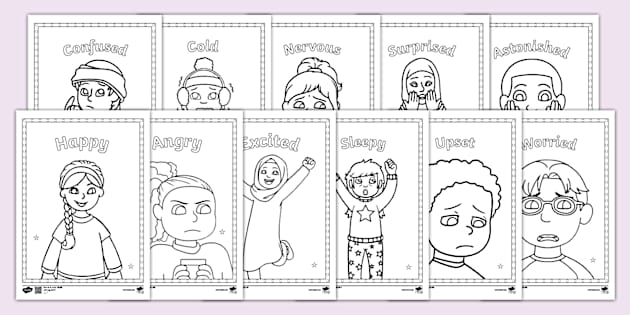
Core Benefits of Feelings Coloring Pages and Printables for SEL
- Builds emotional vocabulary: Visual, labeled faces and scenarios help children put words to sensations and reactions.
- Supports mindfulness: Coloring is a calming, focused activity that pairs well with breathing and grounding exercises.
- Encourages expression: Safe, structured printables invite children to share feelings nonverbally, then discuss them verbally.
- Promotes regulation: Activities teach coping strategies—deep breathing, sensory tools, and self-talk—alongside emotion recognition.
- Accessible and low-cost: Printables are easy to reproduce and adapt for different ages and learning needs.
- Monday — Emotion Check-In & Mindful Coloring (10–15 minutes): Start the week with a feelings coloring page. Prompt: “Which face looks like you today?”
- Tuesday — Emotion Vocabulary & Storytelling (15–20 minutes): Use printable emotion cards and a simple scenario prompt. Children color a card and tell a short story about a time they felt that way.
- Wednesday — Coping Skills Practice (15–20 minutes): Introduce a calm-down printable (e.g., breathing star, sensory checklist) and practice together.
- Thursday — Role Play & Problem-Solving (20–30 minutes): Use printable scripts and comic-strip templates to act out conflicts and healthy responses.
- Friday — Reflection Journal & Art (20–30 minutes): Child completes a feelings journal page with coloring, drawing, and a sentence or two about the week.
- Warm-up check-in: Child colors a face and places it on a feelings board.
- Label practice: Older children write emotion words next to faces; younger children match picture-to-word cards.
- Discussion prompt: “What might make this face appear? What could help them feel better?”
- Help children move beyond basic labels to nuanced feelings.
- Use as a decision-making tool: “I feel _ today. Which strategies on the wheel might help?”
- Older kids can create a personalized wheel reflecting their common emotion vocabulary.
- Teach a 5-count breathing star: trace one point per breath, inhale/exhale slowly.
- Hang the checklist in the learning space for independent use during big feelings.
- Daily reflection habit: Encourage children to complete a page at the end of the day/week.
- Track progress: Use weekly pages to note triggers, responses, and improvements in regulation.
- Role-playing problem-solving: Act out scenes from the comics and practice alternate responses.
- Encourage perspective-taking: Ask children to draw how others in the scene might feel and why.
- Practice with puppets or family members to build confidence in real-life situations.
- Use during conflict resolution to model respectful communication.
- Identify patterns tied to sleep, diet, transitions, or academic tasks.
- Use data to make adjustments in routine and support better emotional regulation.
- Breathing Star: Trace the star slowly while breathing; count to 5 on each inhale/exhale.
- Listening Walk: Pause, listen for three sounds, and color a picture of what you noticed.
- 5-4-3-2-1 Grounding: Name 5 things you see, 4 you can touch, 3 you hear, 2 you smell, 1 you taste (or feel).
- Color Calm: Choose a color that matches your mood and shade a page slowly, imagining the color bringing calm.
- Objective: Identify and name five basic emotions.
- Materials: Feelings coloring pages, emotion cards, magnetic board or felt board.
- Warm-up (5 minutes): Mindful breathing star practice together.
- Activity (10 minutes): Children color faces, then match labeled cards to their colored faces.
- Discussion (5 minutes): Use prompts—“When do you feel sad? What helps?”
- Closure (5 minutes): Put chosen face on the board and share one coping idea.
- Objective: Learn and practice 3 calming strategies.
- Materials: Calm-down checklist printable, breathing star, sensory ideas sheet.
- Warm-up (3 minutes): Quick listening walk in the learning space.
- Activity (12 minutes): Demonstrate 3 strategies (deep belly breaths, counting back from 10, squeezing a stress ball). Children practice and color the checklist.
- Role-play (8 minutes): Use comic-strip template to show someone using a coping skill when upset.
- Closure (2 minutes): Choose a go-to strategy and write/draw it on the checklist.
- Objective: Use “I” statements and assertive language to share feelings.
- Materials: Social scripts printable, role-play strips, feelings journal pages.
- Warm-up (3 minutes): Body scan—notice tension and relax shoulders.
- Teaching (7 minutes): Model “I feel when because _” and discuss tone/volume.
- Activity (12 minutes): Students create a comic showing a conflict, revise dialogue using “I” statements.
- Reflection (8 minutes): Journal prompt—“This week I practiced saying how I feel. What changed?”
- Weekly Mood Tracker: Students color daily moods—look for trendlines and triggers.
- Emotion Vocabulary Checklist: At baseline and after 8–12 weeks, test the child’s ability to identify and define emotions.
- Skill Use Log: Note instances when a child used a coping strategy independently.
- Parent/Teacher Observational Notes: Short notes on behavior during transitions, conflict resolution, and stressful tasks.
- Keep pages simple, with large images and minimal text.
- Use lots of visuals and concrete examples (e.g., “sad = tears, droopy mouth”).
- Shorten activities to 5–10 minutes with frequent sensory breaks.
- Introduce multi-step coping strategies and basic journaling with sentence starters.
- Use comic strips to practice perspective-taking.
- Encourage beginning independence—let children choose tools from a calm-down kit.
- Add nuance with emotion wheels and layered vocabulary.
- Use reflection prompts that integrate cause-and-effect thinking and problem-solving.
- Encourage peer teaching and leadership in SEL activities.
- Use clear visuals, high-contrast images, and consistent routines.
- Offer alternative communication options—PECS cards, simple sign language, or assistive tech.
- Break tasks into micro-steps and reinforce with immediate, specific praise.
- Alt text examples: “Coloring page showing six faces labeled happy, sad, angry, scared, surprised, calm — black line drawings for coloring.”
- Alt text for emotion wheel: “Emotion wheel printable showing core emotions with related feelings radiating outward.”
- Accessibility: Use readable fonts (at least 14pt), high-contrast colors, and include both picture and word cues.
- Internal link suggestions (anchor text recommendations):
- “homeschool curriculum ideas” → link to your site’s homeschool curriculum overview page
- “mindfulness activities for kids” → link to a detailed mindfulness post or resource page
- “SEL assessment tools” → link to any downloadable assessment or teacher toolkit hosted on your site
- External authoritative links (open in new window, rel=”noopener noreferrer”):
- Collaborative for Academic, Social, and Emotional Learning (CASEL): https://casel.org — for SEL frameworks and research
- American Academy of Pediatrics resources on emotional health in children: https://www.aap.org
- Mindful Schools: https://www.mindfulschools.org — for mindfulness curricula and professional development
- Create pinnable images sized for Pinterest (1000 x 1500 px) that feature a title, sample printable, and warm colors.
- Add Open Graph metadata and Twitter Card tags with an engaging description: “Free feelings coloring pages and printable SEL tools to help kids recognize, name, and cope with emotions.”
- Include embeddable sample printables or “Click to Download” CTAs for email capture.
- 6 basic feelings coloring pages (happy, sad, angry, scared, surprised, calm)
- Emotion wheel (blank and labeled)
- Calm-down checklist and breathing star
- 1-page feelings journal template
- Comic-strip role-play template
- Choose an activity time: morning check-in, mid-day calming break, or afternoon reflection.
- Print multiple copies and laminate favorites for repeated use.
- Create a visible feelings board in the learning space.
- Introduce one new printable each week and practice it for at least two weeks.
- Track use and outcomes with a simple mood tracker and teacher/parent notes.
- Share progress with children to build ownership and motivation.
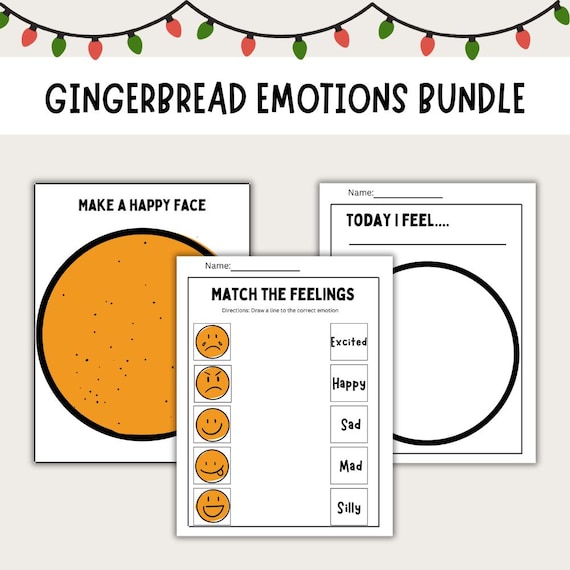
How Feelings Printables Fit into a Homeschool SEL Curriculum
Integrating feelings coloring pages and printables is straightforward and flexible. Use them as daily warm-ups, part of a mindfulness block, or during conflict-resolution sessions. Below is a sample weekly framework that scales for preschool through upper elementary.
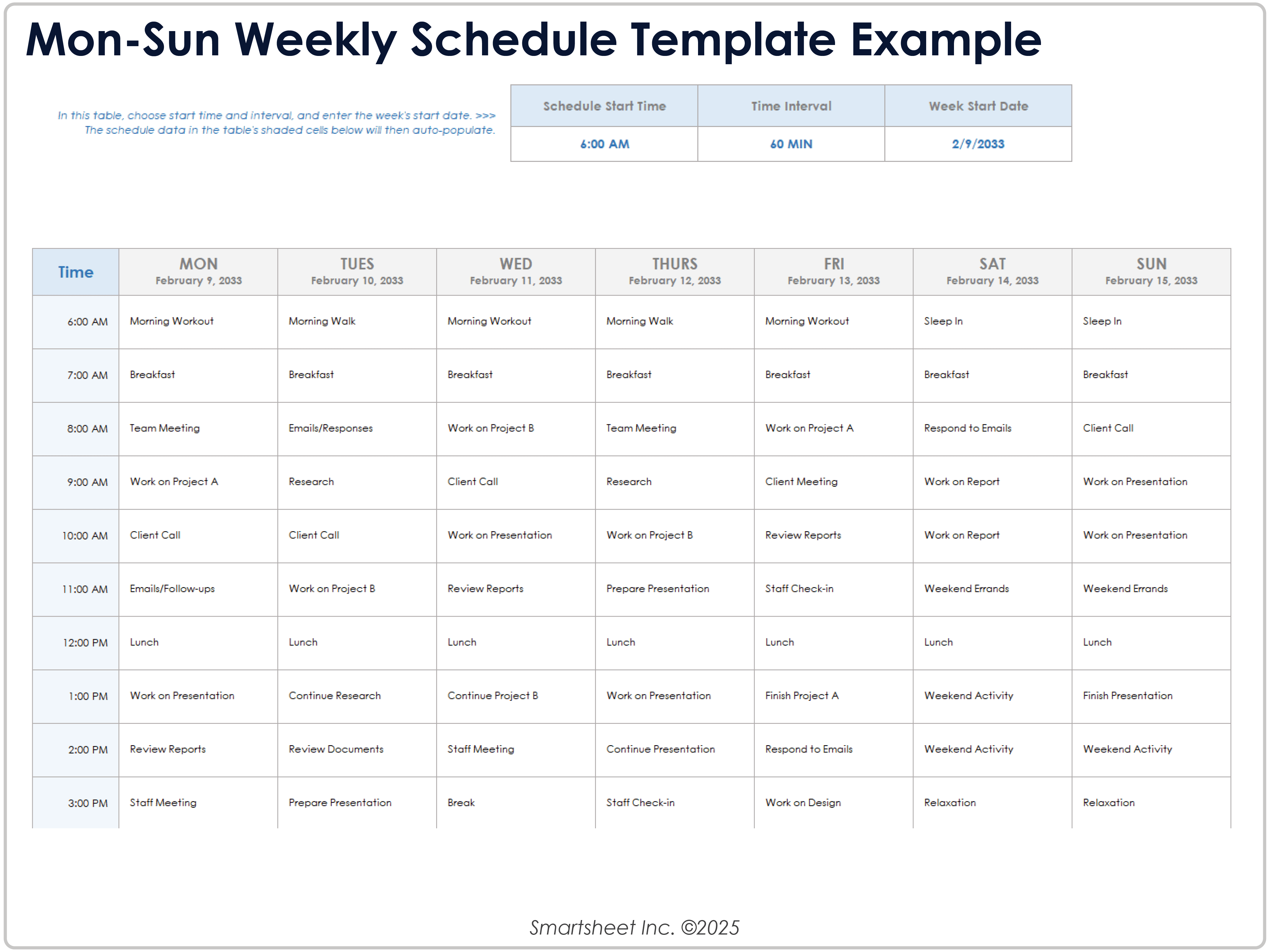
Sample Weekly Structure (Adaptable for Ages 3–10)

Printable Activities and How to Use Them
1. Feelings Coloring Pages (Basic Faces)
Description: Simple faces demonstrating basic emotions—happy, sad, angry, scared, surprised, calm—labeled and unlabeled.
How to use:
2. Emotion Wheel Printable
Description: A wheel with core emotions and related feelings radiating out (e.g., angry → frustrated, jealous).
How to use:
3. Calm-Down Checklist and Breathing Star
Description: Step-by-step calming strategies in picture and word form; a 5-point star to trace with breath counts.
How to use:
4. Feelings Journal Pages
Description: Structured journal pages with drawing box, feelings icons to circle, and simple sentence starters.
How to use:
5. Comic Strip & Role-Play Templates
Description: Storyboard-style printables where children draw scenarios and write dialogue showing emotions and responses.
How to use:
6. Social Scripts and Conversation Starters
Description: Simple scripts for greetings, apologies, asking for help, and sharing feelings.
How to use:
7. Mood Tracker & Behavior Chart
Description: Monthly calendar printable where children color or sticker each day’s general mood.
How to use:
Mindfulness for Kids: Short Practices to Pair with Printables
Mindfulness added to feelings printables deepens learning by improving attention and physiological regulation. Keep practices short and sensory-driven to match children’s attention spans.
Simple Mindfulness Practices (1–5 minutes)
Lesson Plans: Ready-to-Use Sessions with Printables
Below are three complete lesson plans adaptable for ages 4–10, each 20–30 minutes long and built around a printable.
Lesson 1: Recognize and Name Emotions (Ages 4–6)
Lesson 2: Coping Skills Toolbox (Ages 6–8)
Lesson 3: Expressing Feelings Safely (Ages 8–10)
Assessment and Progress Tracking
Measuring growth in SEL can be qualitative and quantitative. Use short, consistent measures that respect privacy and encourage reflection.
Simple Assessment Tools
Adapting Printables for Different Ages and Needs
Preschool (Ages 3–5)
Early Elementary (Ages 6–8)
Upper Elementary (Ages 9–11)
Children with Special Needs
Case Studies and Real-World Examples
Case Study: Homeschool Family — Age 7
Situation: A 7-year-old struggled with transitions to schoolwork, frequently becoming frustrated and shutting down.
Intervention: The parent introduced a daily mood check-in using a feelings coloring page and a calm-down checklist. When frustration rose, the child used the breathing star and a sensory squeeze ball.
Outcome: Over four weeks, the child’s transition time decreased, and the parent recorded fewer meltdowns. The child began verbalizing “I’m frustrated” and choosing a coping strategy independently.
Case Study: Small Co-op Classroom — Ages 5–9
Situation: Students had difficulty resolving conflicts during cooperative play.
Intervention: The teacher implemented weekly role-play sessions using comic-strip templates and social scripts. Students rehearsed apologies and “I” statements.
Outcome: Teacher observations showed improved conflict resolution, more compassionate responses, and increased peer-led problem solving.
Printable Design Tips and Image Alt Text Recommendations
Designing effective feelings printables means balancing clarity and engagement. Use simple lines, large faces, and consistent icons.
SEO and Internal/External Linking Recommendations
To improve on-page SEO and user value, include internal and external links as follows:
Social Sharing Optimization
Make your printable post easy to share and visually appealing on social platforms:
Downloadable Printables: What to Offer
To maximize engagement and conversions, offer a free printable pack that includes:
CTA examples to embed naturally: “Download our free feelings printable pack to start a calm, mindful week of SEL at home.” Offer the pack in exchange for an email to build your list and follow up with a short SEL email series.
Implementation Checklist for Homeschoolers and Educators
Frequently Asked Questions (FAQ)
How often should we use feelings coloring pages?
Daily short check-ins (5–10 minutes) are ideal for building emotional vocabulary. Use longer sessions (15–30 minutes) weekly for deeper practice like role-play and journaling.
Can older kids benefit from coloring pages?
Yes. Older children often use coloring as a calming tool. Offer more nuanced emotion wheels, reflective journaling prompts, and complex scenarios that match their cognitive level.


0 Comments